
In today's world, it's crucial to be cautious when getting to know someone new. This is especially important if you're hiring someone to care for your children, meeting someone you've connected with online, or considering someone for a responsible job. You can hire a private investigator to dig up some dirt, or you can use a set of tools to uncover enough information yourself. Just make sure you don't take it too seriously.
Searching Public Information
Step 1. Understand What to Expect.
Understand what to expect. When you search for public information, you're only getting a small part of the overall picture. You might find information about arrests, but details are often hidden. Reports can sometimes contradict each other as they come from different sources with data gathered at different times. Always approach what you read with skepticism and do your best to cross-check information to get an objective view.
- Even personal information about someone's favorite movies and music can be inaccurate. A list might have been created five years ago, and tastes may have changed dramatically since then.
Step 2. Remember What Information is Made Public.
Remember what information is made public. Typically, information obtained from public sources includes basic data: name, address, phone numbers. Additionally, dates of birth, death, marriages, divorces, crimes, court records, and sexual offenses can also be found in certain sources. Information regarding driving records, property ownership, and much more is held by government and related organizations.
Step 3. Use Open Public Information Searches.
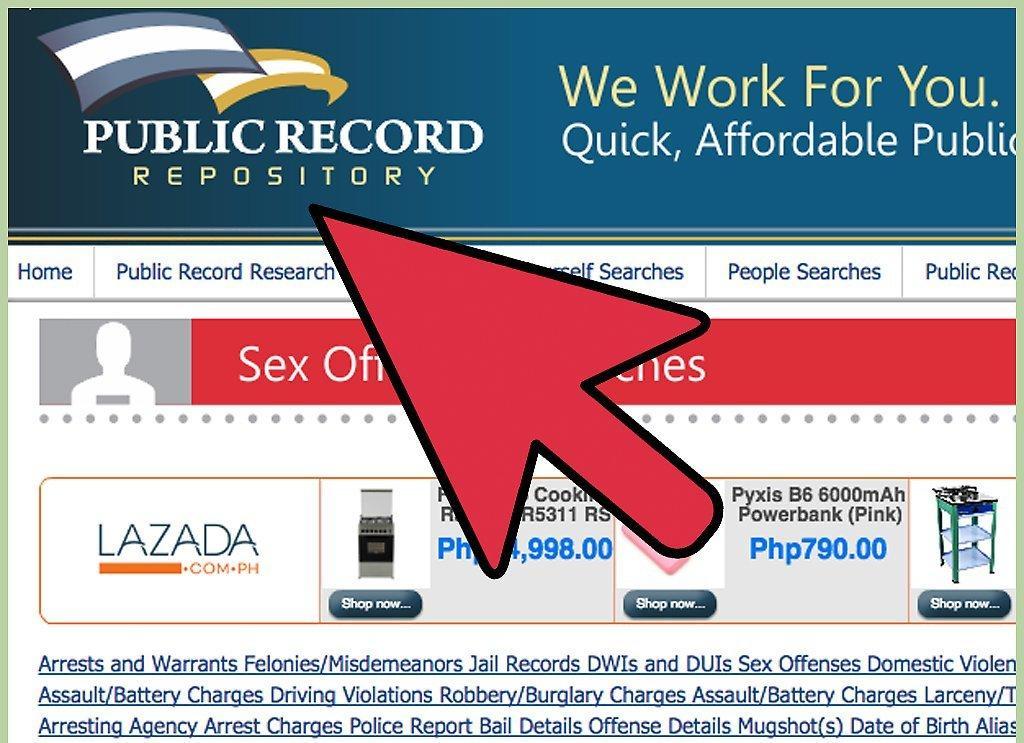
Use open public information searches. There are many websites that allow you to search for information from public sources for free, and even more that offer this service for a fee. Keep in mind that access to all public data is not necessarily free, and obtaining the necessary permissions can take significant time. On the other hand, the data you collect from websites may be outdated. Here are a few tips to get started:
- Free Public Records Search Directory - This site allows you to search public records from any state at the federal level. If a record cannot be found through search, there is usually a contact listed that you can reach out to for that information. You will need to know the location of the contact associated with the information you're seeking.
- Family Watchdog - This site hosts the National Sex Offender Registry and allows you to find offenders by name and location. Keep in mind that details are usually not provided, which can lead to an unjustly negative assessment.
- Your local corrections department - Virtually all states allow you to search publicly available criminal records. The layout varies by state, but searching for "<your state> corrections department" will quickly lead you to the right page.
Step 4. Use Paid Searches.

Use paid searches. Paid searches for public records may yield more results than free searches, but keep in mind that all records provided to you are also accessible by contacting various agencies. If you don't have time for this, using a paid search may be the best use of your time and money.
Online Searches
Step 1. Use People Search Engines.
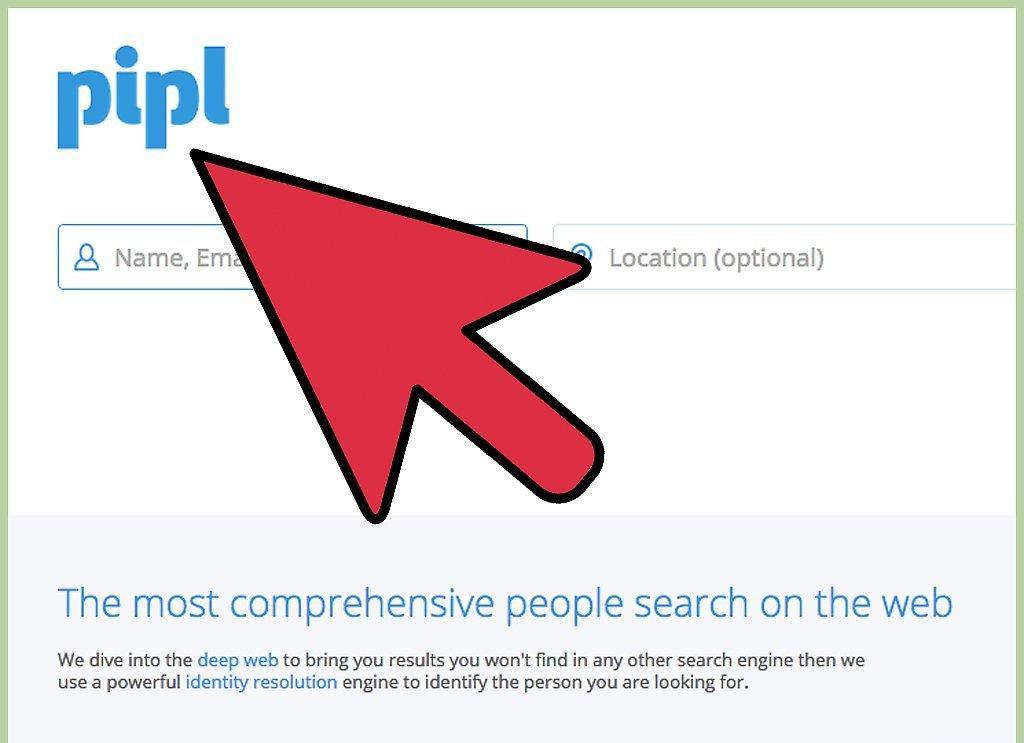
Use people search engines. There are several search engines focused on gathering information about a person from public information on social media and their online activity. These search engines are often free, but most offer a paid option for advanced searches. Using different services will help you paint a more complete picture. Common options include:
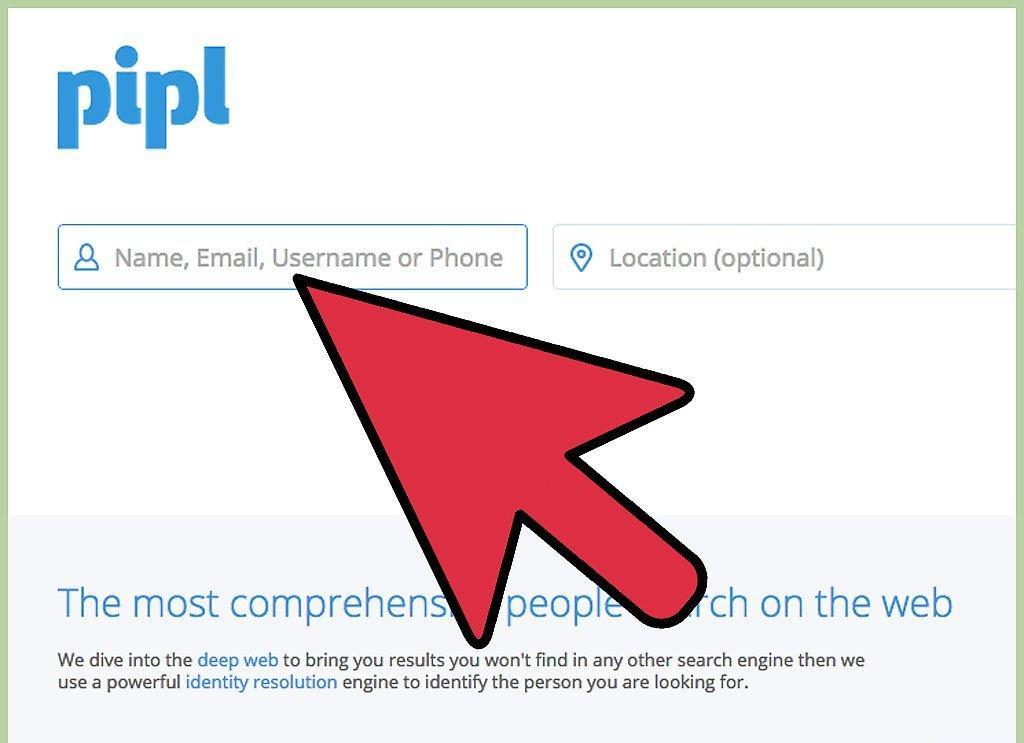
- Pipl - This site will provide you with information from social media, age, and location for free. You simply need to enter a name, but you can narrow your search by entering a location. Keep in mind that a common name will ultimately lead to many results.
- 123People - This site will provide you with information from social media, but will also link you to paid search engines and criminal activity checks.
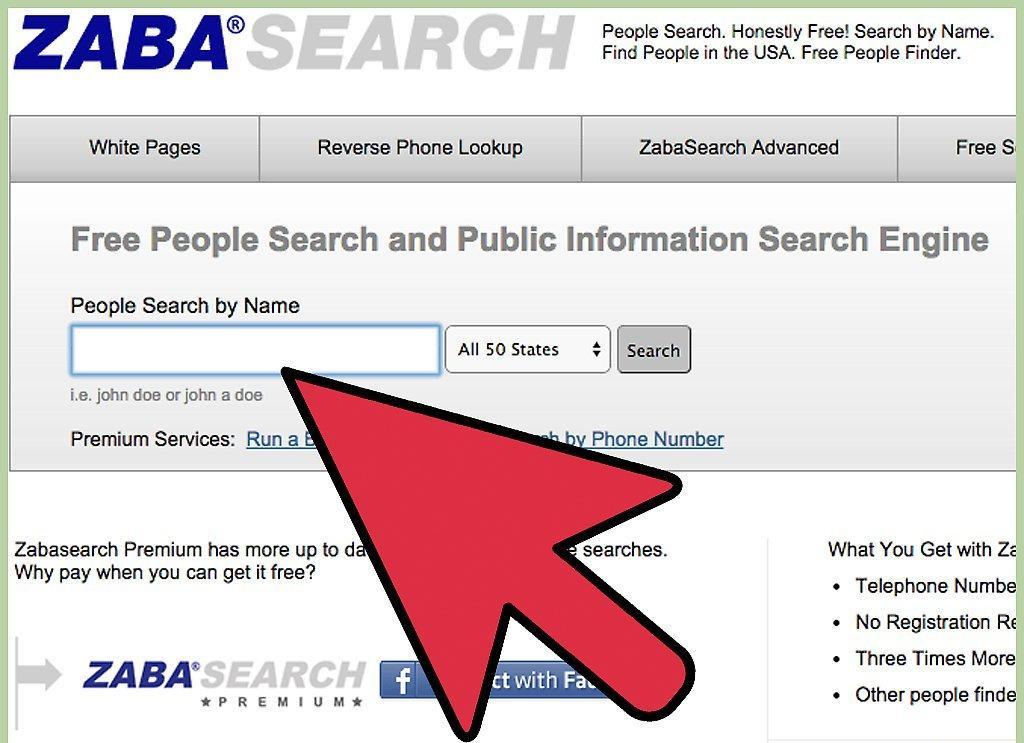
- ZabaSearch - This is another site that provides similar information and quick links to paid search engines for phone numbers and addresses.
Step 2. Search Using Multiple Search Engines.
Search using multiple search engines. This may seem obvious, but you can actually find a lot of information about a person just by using a search engine. The more you already know about the person, the more you may glean from the search results. Using different search engines will help you find results that other engines may not display.
- Name search - This is the simplest search, usually resulting in social media profiles and mentions in local press.
- Email search. Searching a person's email can yield results from sites that contain the email but not the name. You may not find much, but it can help fill in existing gaps.
- Username search. Try searching for information by the email name without the domain. For example: if the email is coolcat74@example.com, you might search simply for “coolcat74.” People often register on forums and websites using the same username. This can help track posts on forums and give you some perspective on the person's thoughts.
Step 3. Cross-Reference Your Results.
Cross-reference your results. You will likely obtain a wealth of information through various search requests. Remember that you should always allow for the possibility that the information you find may be incorrect or incomplete. Compare your data against each other to identify any discrepancies and discard what is unnecessary. This will help ensure that the information you've found is at least partially accurate.
Put in Extra Effort
Step 1. Create a Fake Facebook Profile.
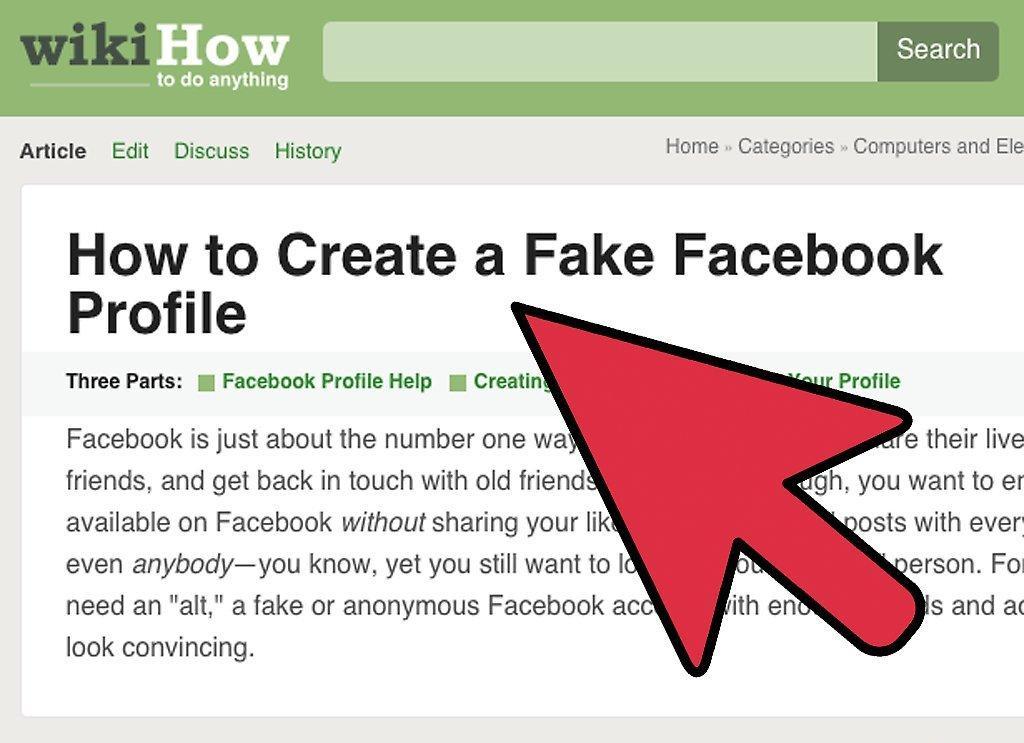
Create a fake Facebook profile. This method is somewhat ungraceful, but you can create a fake profile (ideally with an attractive photo) and add the person as a friend. It would be beneficial to have a list of mutual friends beforehand. Once you become friends, you will gain access to all the private information that is usually only visible to friends.
- Many people will view this step as an excessive invasion of privacy, so do this only if you are completely confident in your actions. Be prepared for serious repercussions if discovered, and you may be labeled a psychopath if caught.
Step 2. Talk to the Subject.
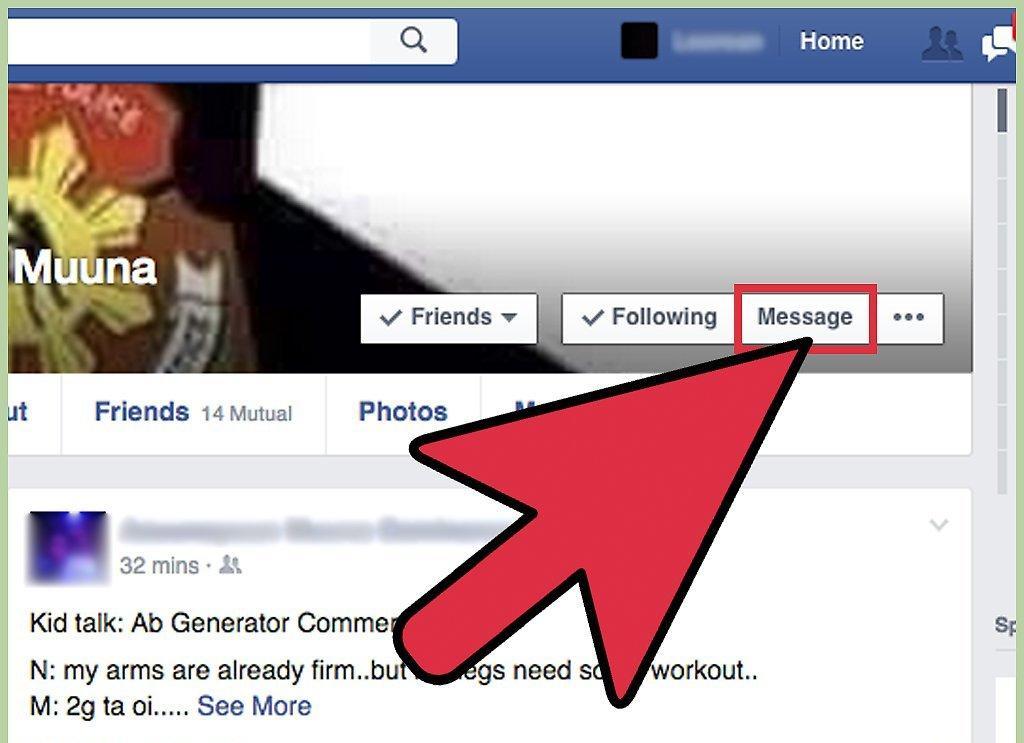
Talk to the subject. The only way to reliably confirm information is to talk to the person in question. If you are conducting an interview, you should be able to voice any suspicions without changing your expression. If you're doing personal investigations, you need to be more tactful in presenting this information.