
A book synopsis is a brief summary of the plot or content. Literary agents and publishers often ask authors for a synopsis to evaluate their work. The task of condensing an entire book into a few paragraphs or pages may seem daunting, and there is no one-size-fits-all approach to crafting a great synopsis. However, you can use practical tips to write an impressive synopsis that will grab readers' attention and make them eager to read the whole book.
Writing a Novel Synopsis
Step 1. Establish the Basics.

Establish the basics. Although a synopsis is a very brief overview of a larger work, you still need to take the time to define the essentials of the novel and include all the important information that will help readers understand the plot.
- Imagine someone reading the synopsis first and then the book. What information is critically necessary? Does the reader need to know key details about the setting or the world you've created?
- Remember, you are trying to entice the reader, so include a couple of intriguing details that help paint a picture of the time and place.
Step 2. Highlight the Central Conflict.

Highlight the central conflict. Many people struggle with what to include in a synopsis, but the golden rule is to identify and outline the main conflict of the plot.
- What does the main character need to confront?
- Should you mention specific obstacles that the characters will face?
- What will happen if the main character fails in their mission?
Step 3. Show Character Development.
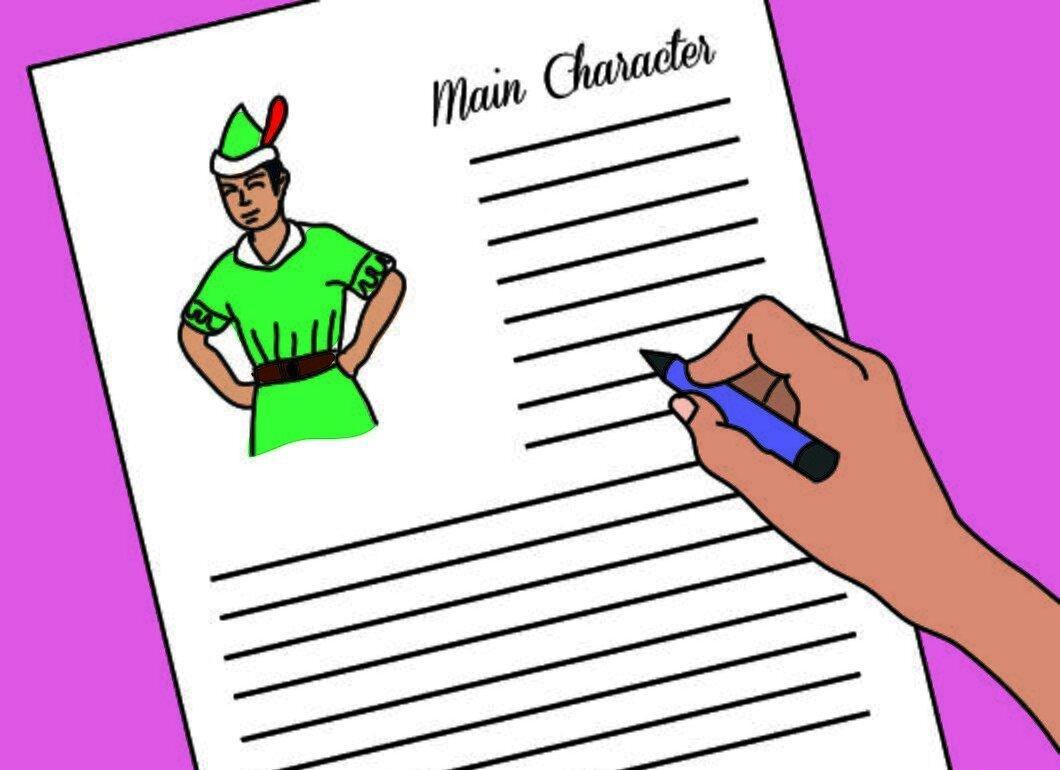
Show character development. It can be challenging to capture the full arc of character development described in the novel in a brief synopsis, but many literary agents insist that the synopsis should reflect the changes the main character undergoes throughout the story.
- Try not to portray characters in a one-dimensional way; show their reactions to different situations. While you are constrained by the length of the synopsis, the reader should still understand the personalities of the characters and how they will change.
Step 4. Outline the Plot.
Outline the plot. Since the synopsis is a brief summary of the book, you need to outline the plot of the novel and give a sense of the direction of the events.
- It may be difficult not to get bogged down in details, but try starting by writing a short (1-2 sentence) summary of each chapter. Then, attempt to weave those paragraphs together.
- You won’t be able to include every detail of the plot, so identify which ones are particularly important for understanding the book. Consider whether the ending would make sense without that detail. If the answer is yes, leave it out.
Step 5. Clear Presentation of the Ending.

Clear presentation of the ending. You might not want to spoil a surprise, but the synopsis should provide a clear idea of the conclusion of the novel and the overall resolution of the conflict.
- Literary agents want to know how you will resolve the conflict and tie together the chain of events.
- Don’t worry. If your work gets published, the synopsis won’t be printed on the cover and won’t spoil the reader's sense of novelty.
Step 6. Reread the Synopsis.

Reread the synopsis. It’s important to read your synopsis yourself and get feedback from others. The more outside opinions you receive, the more coherent your synopsis will be.
- It’s very helpful to read the synopsis out loud, as this makes it easier to spot grammatical errors and refine your wording. When reading out loud, your brain processes the information differently, allowing you to notice previously overlooked mistakes and shortcomings.
- Ask friends, relatives, or colleagues who haven’t read the book or aren’t familiar with your writing to review the synopsis. They can provide you with a more objective perspective and also tell you how coherent the synopsis is and whether it generates interest in reading the book.
Step 7. The Synopsis Should Answer Key Questions.
The synopsis should answer key questions. Before submitting your synopsis, ensure it addresses the following crucial questions:
- Who is the central character of the book?
- What are they striving for or trying to achieve?
- Who or what complicates the character's journey, quest, or life?
- What does it all lead to?
Step 8. Practice Writing.

Practice writing. Many authors complain that the synopsis is the hardest text to write, as it must distill the content of the entire book into just a few paragraphs. Fortunately, the more you write synopses, the better you will get at it.
- To practice, try writing synopses for classic works or books you have recently read. Sometimes it’s easier to start with a book that you didn’t spend countless hours, days, or years preparing.
Writing a Non-Fiction Book Synopsis
Step 1. Follow All Existing Guidelines.
Follow all existing guidelines. When working with an agent or specific publisher, make sure to clarify their specific requirements. It’s important to write and format the synopsis in the way your employers want to see it.
- When in doubt, ask the agent or publisher about requirements for length, format, and style.
- Even if it’s just a school assignment, it’s important to adhere to any requirements and guidelines from your instructor.
Step 2. Include a Brief Summary of the Book.
Include a brief summary of the book. As with a fictional work, you need to provide a concise description of the content.
- Focus on clearly expressing your arguments and explain why this book should be published. Make a case for the importance of your book.
Step 3. Outline the Structure of the Work.

Outline the structure of the work. Even if you haven’t finished the book yet, the synopsis should clearly outline the structure. Provide a breakdown by chapters with working titles that will help the agent or publisher grasp the direction of your thoughts.
- You can also include a brief description (1-2 sentences) of each chapter.
Step 4. Identify What Sets Your Book Apart from Competitors.

Identify what sets your book apart from competitors. The synopsis should explain how your book differs from existing works on the same subject. Consider the uniqueness of your contribution.
- For example, do you present a fresh perspective or approach to the subject?
- List major authors and publications on the subject, then clearly explain the distinctiveness of your material.
- Also, describe why you are uniquely qualified to cover this topic.
Step 5. Discuss the Book's Market Position.

Discuss the book's market position. The publisher will be trying to find a place for your book in the market and identify the target audience. Dedicate a paragraph in the synopsis to address this question.
- Include information about which section of the bookstore you envision your book fitting into. This will help the publisher gauge potential demand and marketing strategies.
- What groups of people do you think will be interested in the material? For instance, could the book be used in courses or events commemorating a historical anniversary? If your book relates to such an event, this could be a basis for a marketing campaign.
Step 6. Share Your Plans.
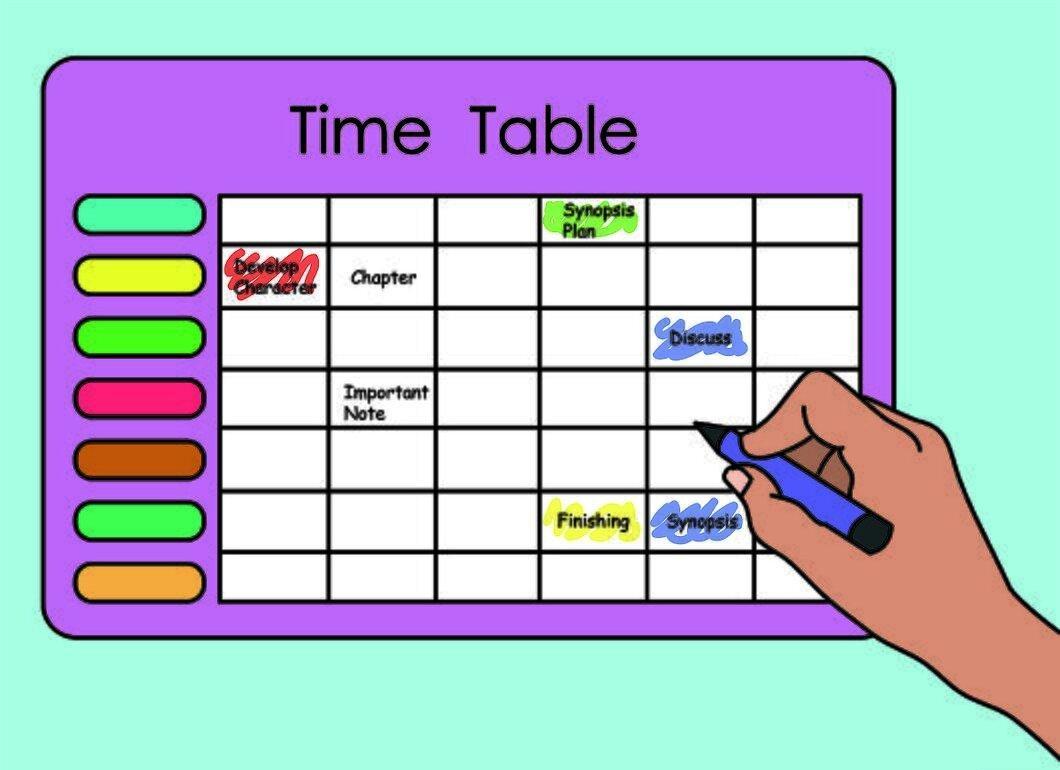
Share your plans. Many non-fiction books are pitched for publication while still in the writing process, but in the synopsis, you should clearly outline your timeline for completion.
- Indicate how much of the work is already completed, then estimate the time needed to finish.
Step 7. Provide Additional Details.

Provide additional details. Include other relevant information in the synopsis, such as the length of the completed work and any potential need for illustrations. The more information about the structure and format of the book, the easier it will be for the publisher to determine their readiness to take on the project.
Step 8. Discuss Your Qualifications and Achievements.

Discuss your qualifications and achievements. To lend weight to the synopsis, mention your accomplishments and experiences that contributed to writing the book.
- It's important not only to provide information about your education and academic background but also to identify which details of your biography might interest the publisher and readers.
Step 9. Seek Feedback from Others.

Seek feedback from others. As with any writing endeavor, feedback on your synopsis helps improve the text's style, making it more engaging and clear. Ask your friends, family, or colleagues to read the text and share their opinions.
- You don’t have to be an expert to assess how interesting and well-written the synopsis is. Don’t worry – you don’t need to seek out specialists in this area.
Common Mistakes
Step 1. Don't Write the Synopsis from the Main Character's Perspective.

Don’t write the synopsis from the main character's perspective. The synopsis is written in the third person, not from the protagonist's point of view. It’s also preferable to use the present tense rather than the past.
- For example, instead of saying, "Every summer I went to the cottage by the sea," write, "Every summer, Susan goes to her cottage by the sea."
Step 2. Keep It Concise.

Keep it concise. The synopsis should be brief, and wordiness is a common mistake. You may be reluctant to cut dialogue and shorten descriptions, but this will make the synopsis more streamlined and polished.
- Think about whether all the details included are essential to the synopsis or if some can be omitted. If the reader can grasp the essence of the book without certain details, it's better to leave them out.
- Generally, dialogue is not needed in a synopsis. If you do choose to include dialogue, make it as brief as possible and relevant to an important plot turning point.
- Don’t try to make the text elegant or lyrical. That requires length, and you should focus on brevity and clarity. Reread the synopsis several times, considering where you can use clearer or more precise words.
Step 3. Avoid Revealing Too Much About Characters and Introducing Minor Characters.
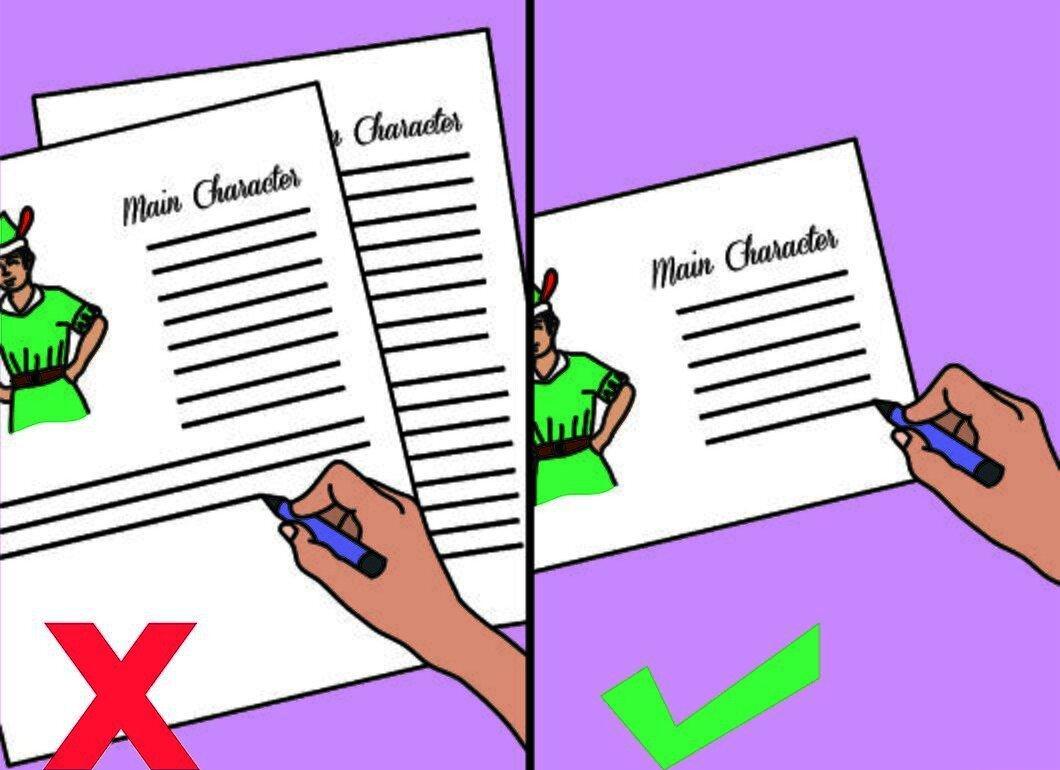
Avoid revealing too much about characters and introducing minor characters. You may have spent a lot of time developing your characters and events in their lives, but there’s no room for all of this in the synopsis, nor for secondary characters.
- Include just enough details to make your characters interesting and ensure the connections between them are clear. A few sentences are usually sufficient to give a sense of a character.
Step 4. Don’t Analyze or Interpret the Plot.

Don’t analyze or interpret the plot. A synopsis implies only a brief description or quick glance at the book, so do not include literary analysis or interpretations of the plot and hidden meanings. Such explorations are meant for entirely different works.
Step 5. Avoid Rhetorical Questions and Unanswered Questions.
Avoid rhetorical questions and unanswered questions. Despite the temptation, do not attempt to build suspense by leaving questions unanswered, as they will only distract the reader from the essence.
- For example, don’t write: "Will Will Tyler discover who killed his mother?" In a synopsis, it’s better to provide answers rather than ask questions.
Step 6. Don’t Write a Synopsis That Is Just a Retelling of the Plot.

Don’t write a synopsis that is just a retelling of the plot. It should engage readers and make them interested in reading the book. A straightforward recitation of events will create the impression that the reader is facing a dry technical manual.
- Instead, add emotion and detail, hinting at the feelings and experiences of the characters.
- If you find yourself writing, "this happened, then that happened, and finally this happened," it’s time to take a break and return to the work with fresh eyes. Your synopsis should not read like a dull recap of a sporting event.
- Some writers recommend imagining that you are describing the book to your friends, just as you would describe an exciting movie. Skip the boring details and focus on the highlights.
Text Formatting
Step 1. Use Double Spacing.
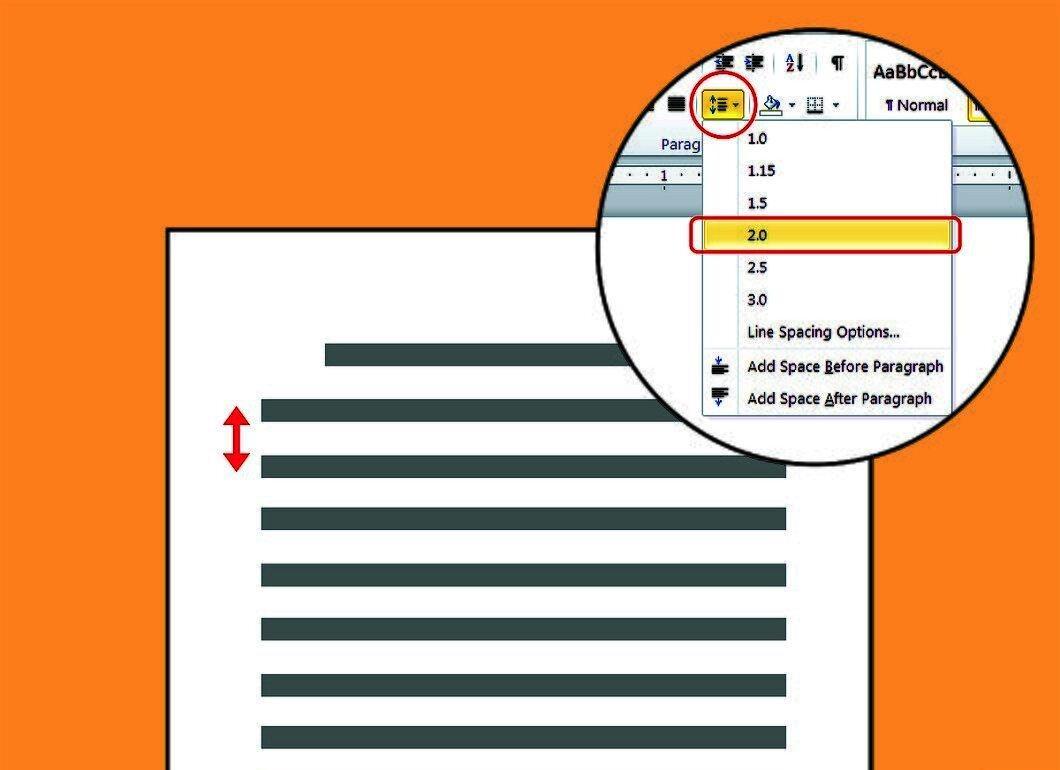
Use double spacing. If the synopsis extends beyond one page, use double spacing in the document. This makes it easier to read.
Step 2. Don’t Forget to Include the Title of the Book and Your Name.

Don’t forget to include the title of the book and your name. In the rush, it’s easy to forget to provide both the title of the book and your name. Include this information in the upper left corner of each page.
- It’s important for the literary agent to know whom to contact if they like the synopsis.
Step 3. Use a Standard Font.

Use a standard font. Despite the desire to use a more interesting font, it’s best not to stray from standard options like Times New Roman, which is familiar and displays well on various devices.
- Use the same font in the synopsis that you used to type your book. If you are submitting chapters along with the synopsis, this will help maintain consistency across your documents.
Step 4. Start Paragraphs with Indentation.
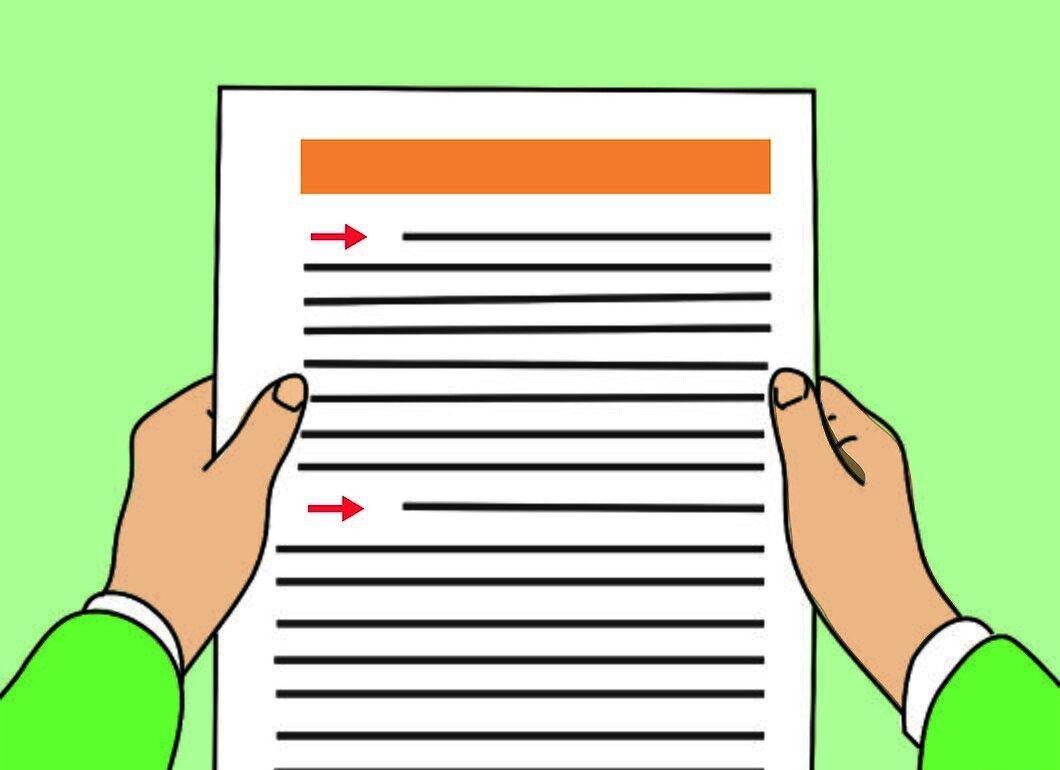
Start paragraphs with indentation. Despite the brevity of the synopsis, it should not be perceived as a stream of consciousness. To prevent this, structure your text using indentations at the beginning of paragraphs.
Step 5. Adhere to Length Guidelines.
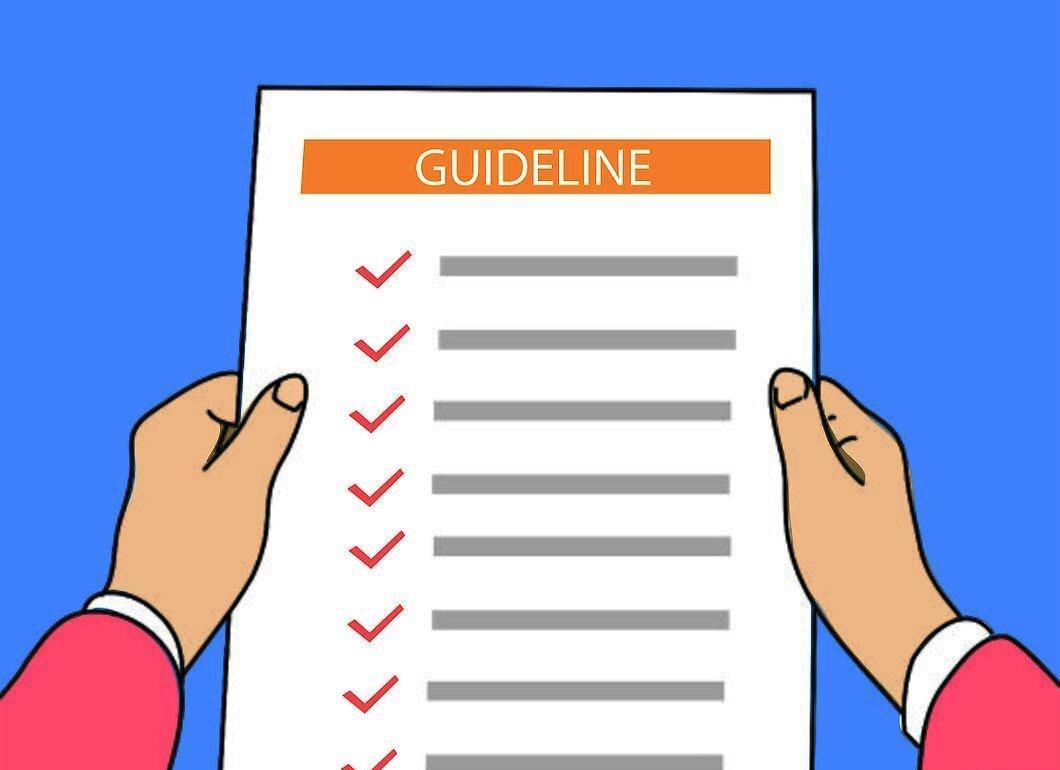
Adhere to length guidelines. Different literary agents or publishers may have varying requirements for synopsis length. Be sure to follow the stated requirements or clarify any preferences regarding this issue.
- Some writers recommend initially writing about five pages of text and then condensing the document down to the required length. Be prepared for varying requirements in advance by writing different versions of the synopsis that are one and three pages long. Even if the requirements differ slightly, you will be able to easily adjust the document to meet the necessary length.