
Crafting a screenplay of 90-120 pages isn't as daunting as it might seem at first glance. You can absolutely do it if you're ready for continuous brainstorming and planning, as well as meticulous rewriting during the editing process. Don't let fear hold you back; read our article and get started on your screenplay!
Part 1
Step 1: Find a Story You Love.

Find a story that resonates with you. Even better if it’s your favorite one. At times, working on a screenplay can feel overwhelming or insurmountable, so it’s best to choose something you won’t tire of thinking about or agonizing over for months. Explore a specific genre and stick to its conventions if you want to sell your screenplay. In the film industry, meeting market demands is often more critical than originality. However, a touch of originality can certainly help.
Step 2: Software.

Software. Lack of proper software can frustrate both you and potential readers who expect dialogue to be precisely 10 cm from each page margin. If you can’t afford programs like "Movie Magic" or "Final Draft" and "Montage", consider trying "Celtx". Just add three "w"s and ".com" to the name to visit their site. I’m just starting to work with it. This program has all the essential features and allows you to place your screenplay in an open database. Who knows? It might be a potential hit.
Step 3: Formulate the Concept.

Formulate the concept. Write a brief sentence (no more than 15 words) describing the main concept of your plot. This will help you gauge the complexity of your future film and get feedback from others.
Step 4: Outline.
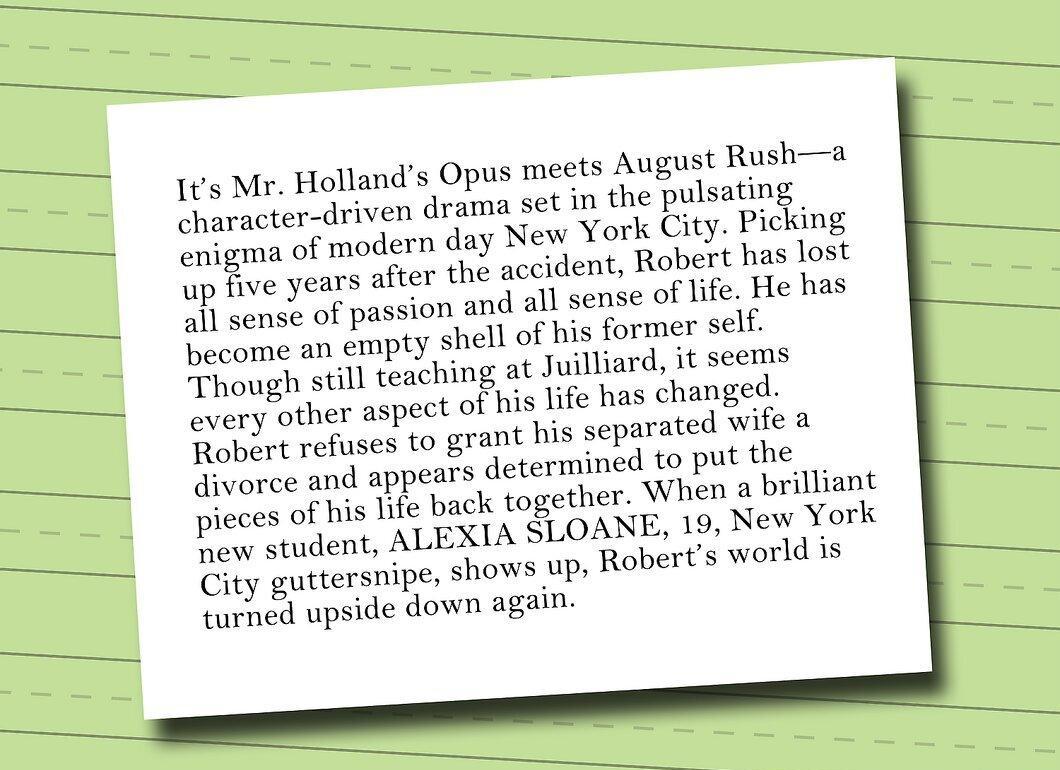
Create an outline. It’s easy to get lost in a hundred pages of text. Gather opinions from others.
Step 5: Create a Character Guide.

Create a character guide. Characters influence your story even more than the outline does. List all characters and accompany their names with detailed descriptions, including appearance and traits like resourcefulness, kindness, and attractiveness, or according to new trends, foolishness, anger, and hatred presented in a pleasant manner (you can draw ideas from Shakespeare's play "Richard III"). If they end up as clichéd characters you’re tired of seeing in theaters, keep rethinking them. When describing the antagonist and protagonist, don’t forget to list all their flaws. As the plot unfolds, the protagonist corrects their flaws, while the antagonist's flaws lead to their downfall.
Step 6: Don’t Overlook the Three-Act Structure.

Don’t overlook the three-act structure. Many recognized writers have abandoned it and have done so quite successfully, but that’s because they are established writers. Producers are willing to take risks with them since they’ve proven their ability to make money. Many films are written in the "Hero's Journey" format, and there are numerous articles about it online. Another great example is Christopher Vogler's "The Writer's Journey" and Robert McKee's "Story".
Step 7: Study the Three-Act Structure.
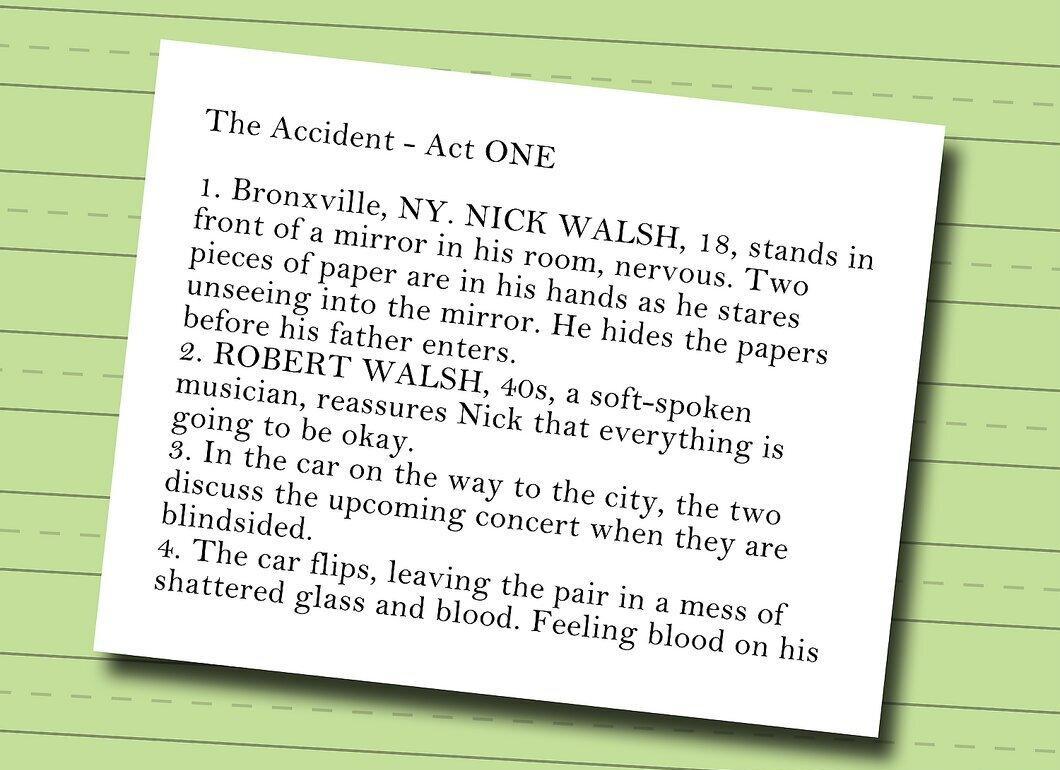
Study the three-act structure. If you didn’t grasp the previous step, delve into this topic. Here’s a brief explanation: ACT I introduces the world and characters as they should be seen, setting up the problem that needs solving. For example, "The goofballs enjoy their lives in a small corner of the world until they learn that developers want to turn their home into a condominium, so…". ACT II shows character development and challenges. For example, "So, the goofballs end up in One-Eyed Willy’s labyrinth and try to overcome all obstacles to…". ACT III contains several events, the most crucial of which may involve the hero reaching despair and being ready to give up. BUT the most important part: he or she realizes that giving up doesn’t solve the problem.
Step 8: Dialogue.
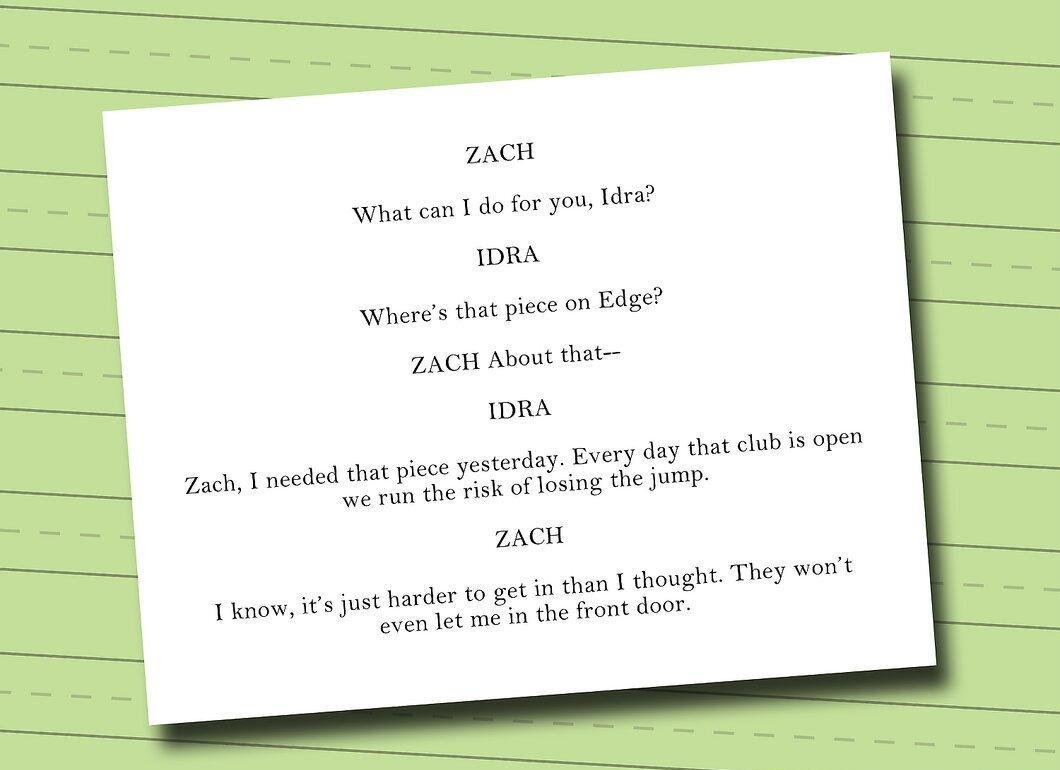
Dialogue. It’s best to write dialogue after the rest of the screenplay is completed; this way, you can ensure your story is conveyed clearly. Dialogues should be short, simple, and timely. If in doubt, feel free to improvise with them later.
Step 9: Description.

Description. Remember that each page roughly equals one minute of screen time. Write about actions and feelings, not lengthy descriptions. Finally, and most importantly: the screenplay should be straightforward and easy to read.
Step 10: Write the Title of Each Scene on Separate Cards, Including Participating Characters.

Write the title of each scene on separate cards, noting the characters involved. This will help you better understand the overall progression of the screenplay and clarify where the entire story is headed.
Step 11: Write a Draft.

Write a draft. Dialogue should be conversational (everyday speech, not formal language). To master this, try listening to other people’s conversations and transcribing them verbatim.
Step 12: This is Just the Beginning.

This is just the beginning. Not even close. After finishing your first draft, go back to the beginning and read it carefully. If you’ve reached about 120 pages at this stage, you’ve likely written about 30 excess pages. Go back to work and start trimming the unnecessary parts, simplifying characters, and making the screenplay tighter and easier to read.
Step 13: Once You Finish the First Draft, Revise the Screenplay Again and Again.

Once you finish the first draft, revise the screenplay again and again. Until you feel it’s ready.
Step 14: Do You Really Want to Sell Your Screenplay?

Do you really want to sell your screenplay? Send it to a reputable screenplay review company. For a fee, they will provide you with critical feedback on which parts of the text need reworking, along with other useful information.