A clear and meaningful artist statement will help you stand out and reveal your deep inner world. Writing an artist statement can be a challenging task, yet it is an incredibly valuable experience that can enhance your understanding of yourself as an artist. Below is a guide to help you get on the right track.
Reflect on Everything.
Step 1. Be Honest with Yourself.
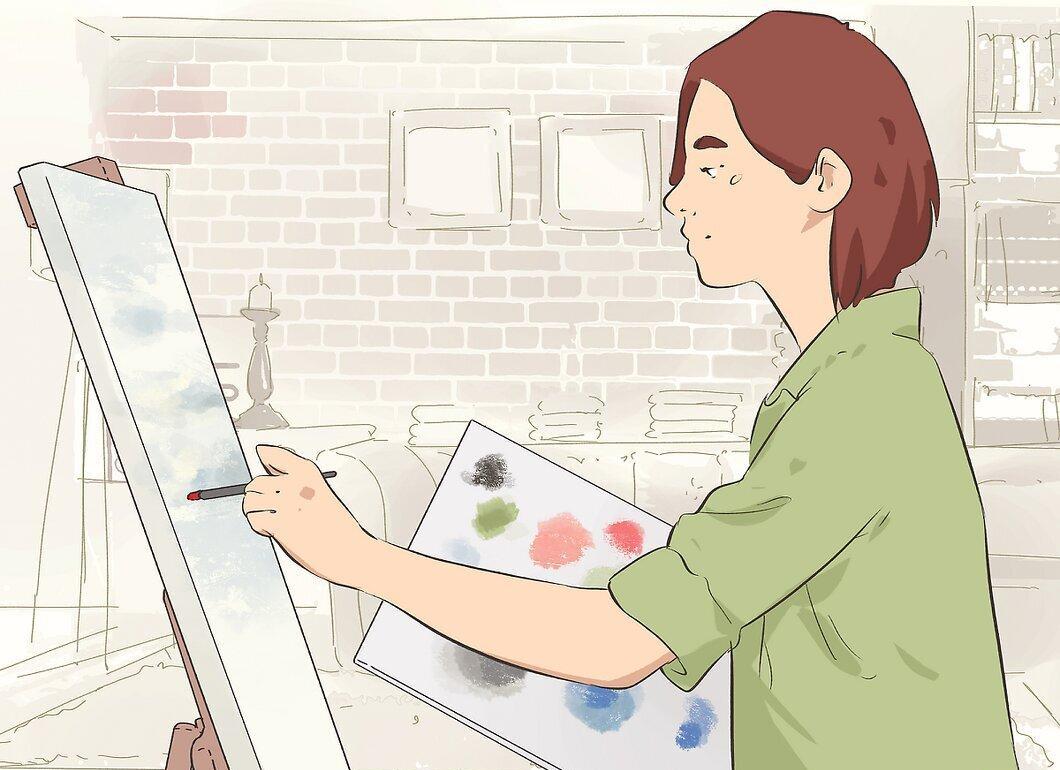
Be honest with yourself. Before you start writing, take time to think about yourself and your creativity. Before explaining your thoughts to anyone else, try to understand them yourself.
- Ask yourself, what are you doing? What does your creativity express? What makes it unique?
- Ask yourself, why are you doing this? What drives you? What emotions or ideas are you trying to convey? What does your creativity mean to you?
- Ask yourself, how do you create? Where do you draw inspiration from? What tools and materials do you use?
Step 2. Consider Your Influences.
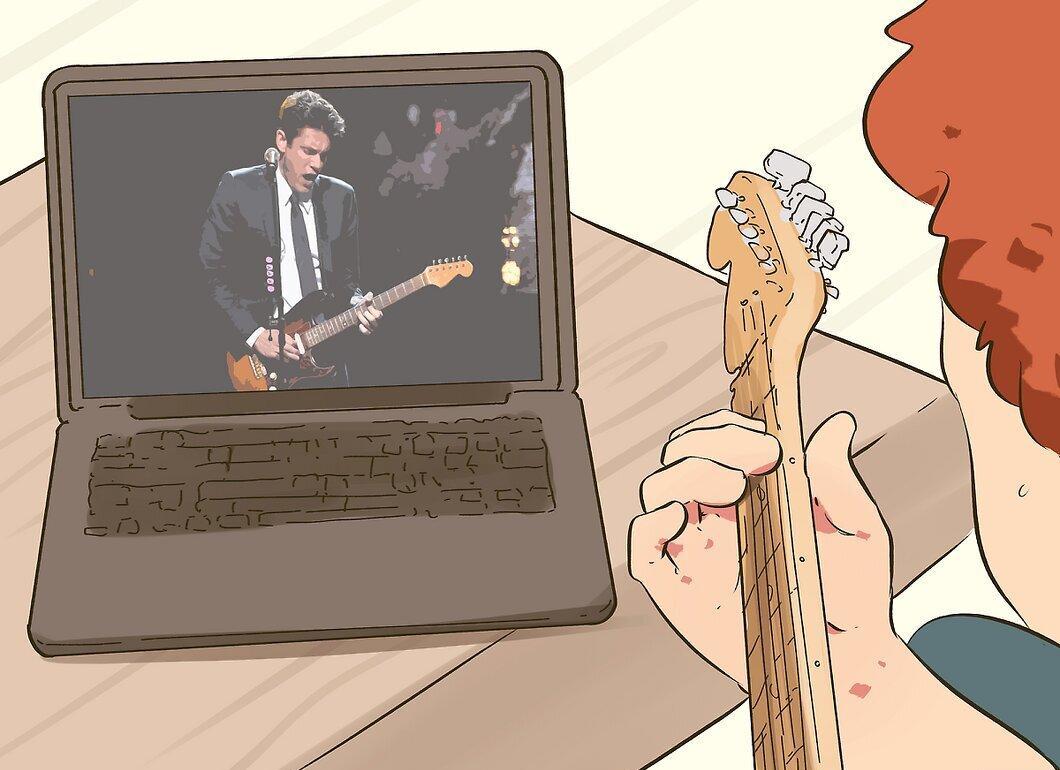
Consider what influences you. Think about what affects you: art, music, literature, history, politics, or your environment. Reflect on how these factors impact you and how they manifest in your creativity. Try to be as specific as possible.
Step 3. Create Your Mind Map.
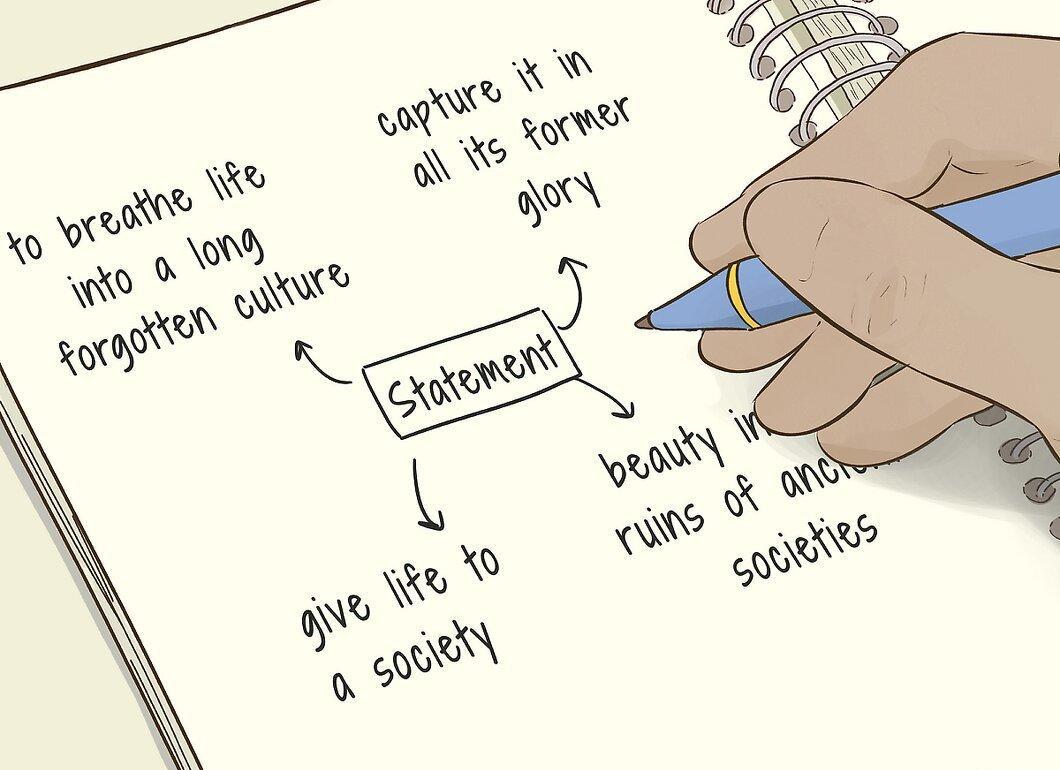
Create your mind map. Creating a mind map can help your thoughts flow and connect all these ideas into one coherent whole.
- In the center of a blank page, write the main idea that runs through all your work. Then, spend 15 minutes jotting down any words, phrases, feelings, methods, and so on, related to this idea.
- Another method is free writing, which can stimulate your creativity. Spend 5-10 minutes writing everything that comes to your mind when you think about your subject. You might be surprised by the thoughts that arise.
Step 4. Determine the Core Message You Want to Convey.
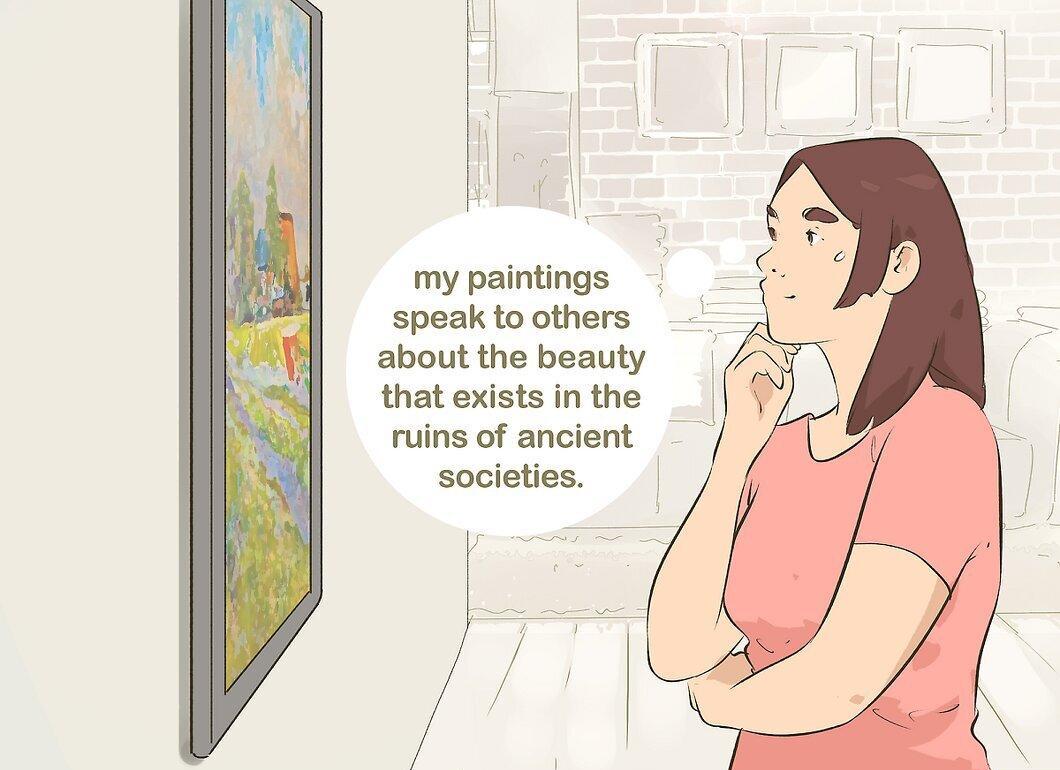
Determine the core message you want to convey to people. Think about what they can take away from your work. What message or emotion are you trying to share?
Consolidation of Steps
Step 1. Write a Statement Explaining Why You Create.
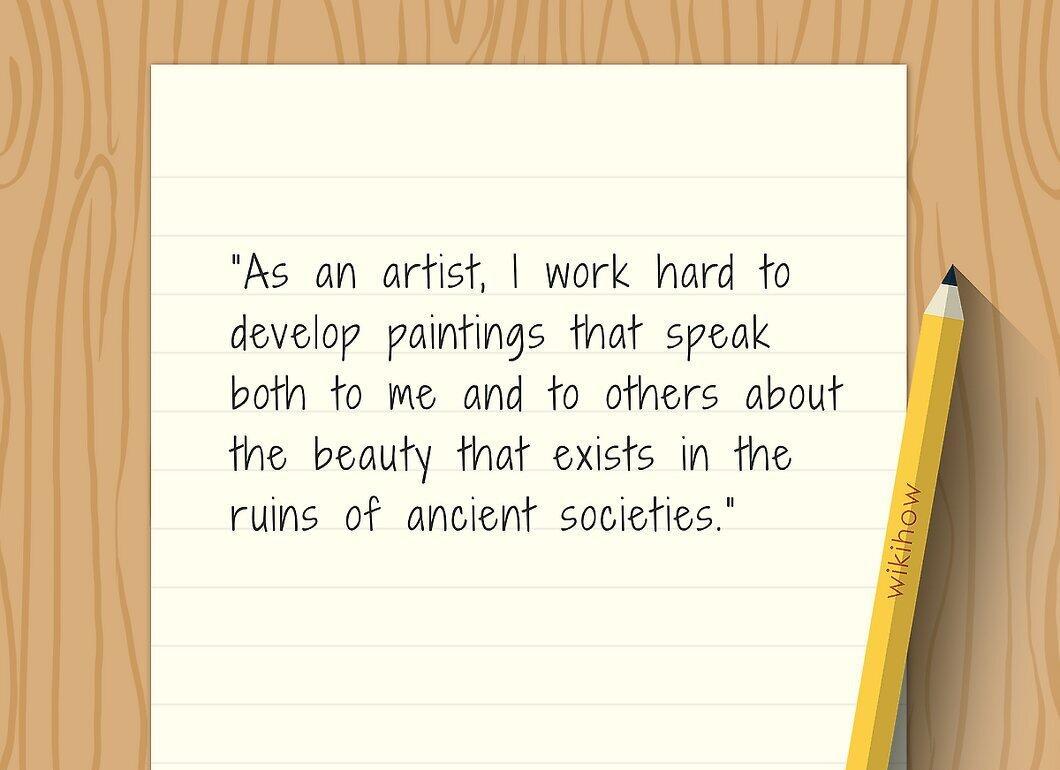
Write a statement explaining why you engage in this type of creativity. Start the first paragraph of your statement by discussing what inspires your creativity. Try to make this emotionally relatable to everyone. Share your goals and what you hope to achieve through your art.
Step 2. Describe Your Creative Process.
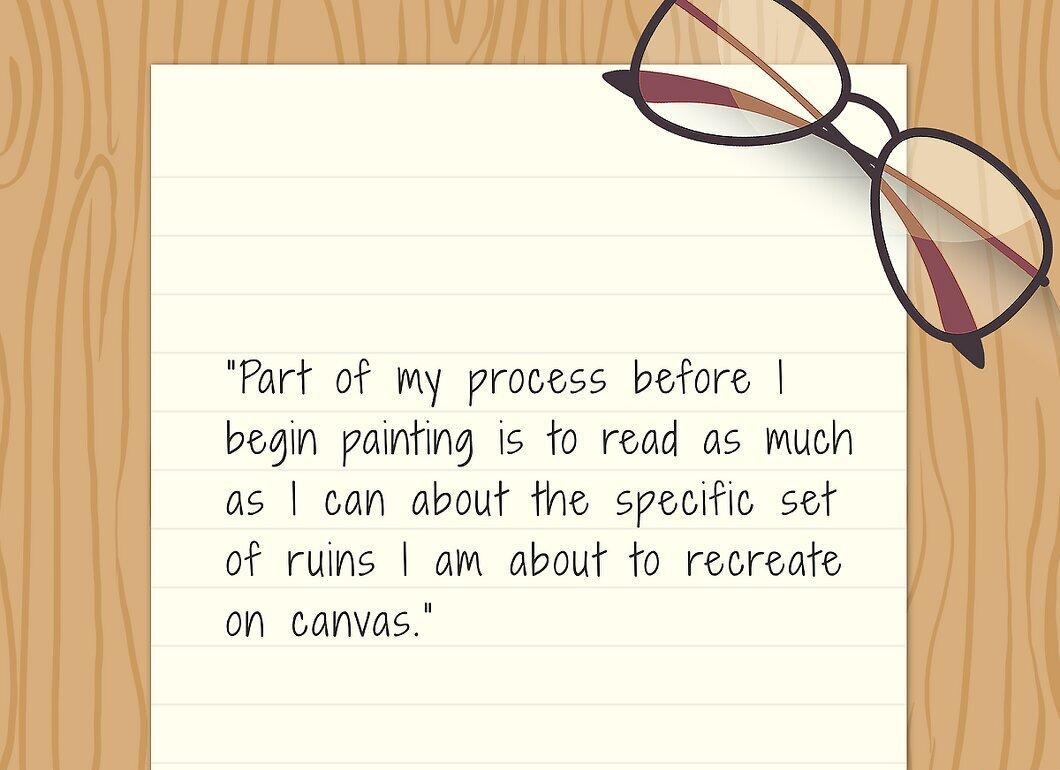
Describe your creative process. In the second part of your statement, tell the reader about how you create your work. How do you choose your themes? How do you select the materials to use? What techniques do you employ? Keep your description simple and sincere.
Step 3. Talk About Your Current Work.
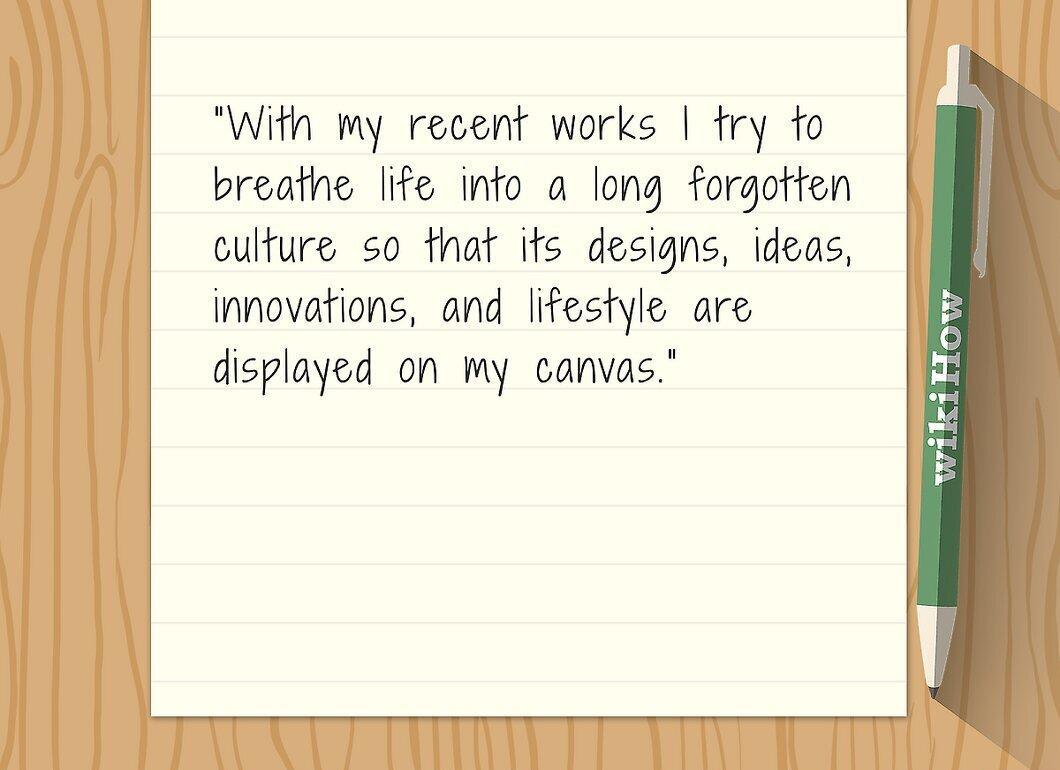
Talk about your current work. In the third paragraph, share a little about your current project. How does it relate to your previous work? What life experiences inspired you to create it? What have you learned or re-evaluated in the process of creating this work?
Step 4. Be Concise, Presentable, and Specific.
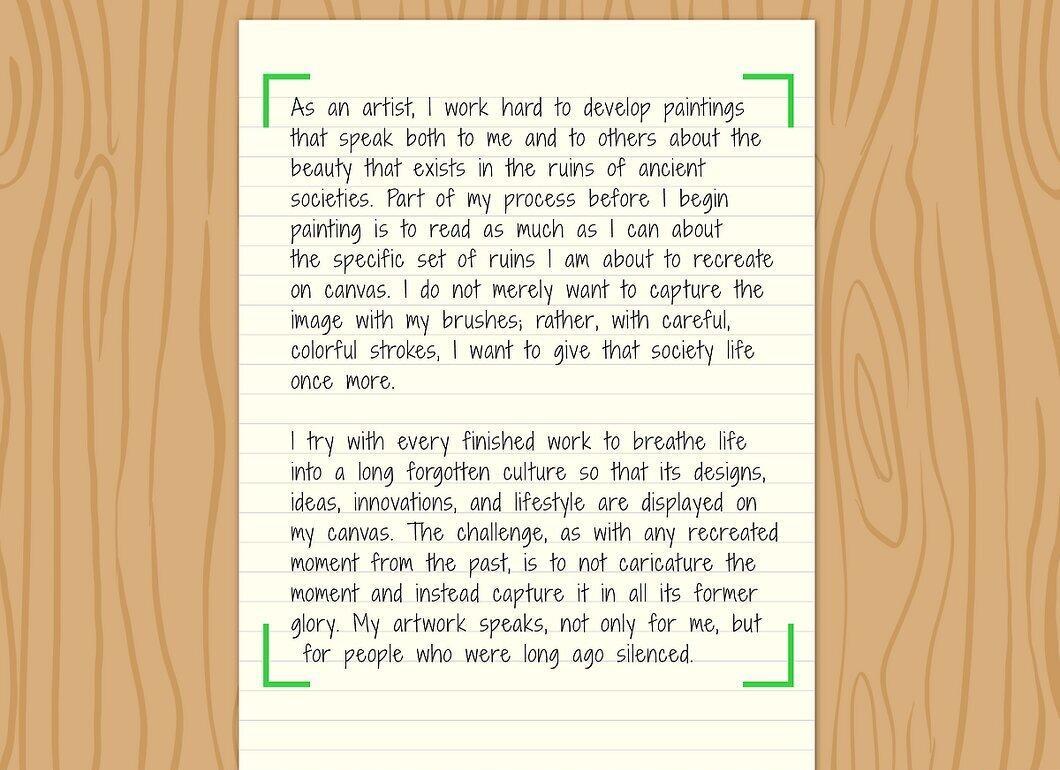
Be concise, presentable, and specific. Your artist statement serves as a preface to your work, a brief analysis. It should be conveyed in one or two paragraphs and should not exceed one page in length.
- Your statement should answer the most frequently asked questions about your creative subject. Avoid overloading the text with unnecessary facts and details.
- Brevity and clarity are key to success. A well-written statement will engage your audience.
Step 5. Use Simple Language.
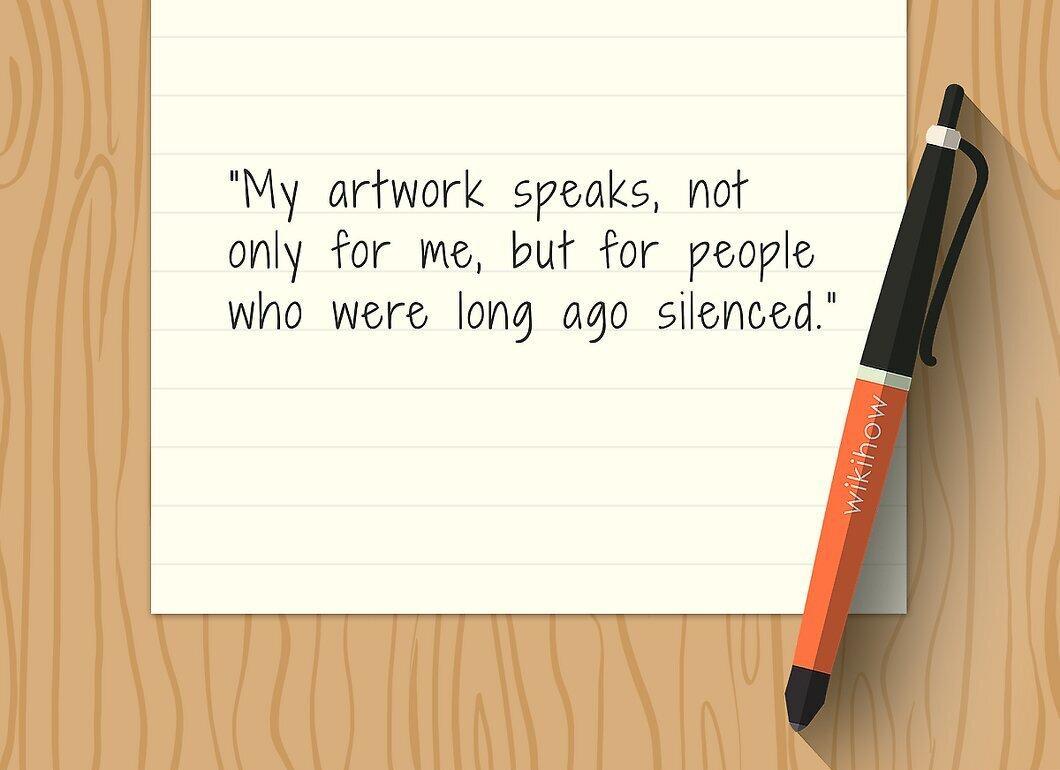
Use simple language. A good artist statement attracts and engages people with your artwork, regardless of their initial knowledge level in the field, which should be considered. Your work will be more comprehensible if it is not written in convoluted language, and if you avoid excessive jargon.
- Write in clear, straightforward, everyday language.
- Focus on your own perception rather than how viewers perceive it. Share how you see and evaluate it, rather than what the audience should understand.
Final Touches
Step 1. Let It Rest.
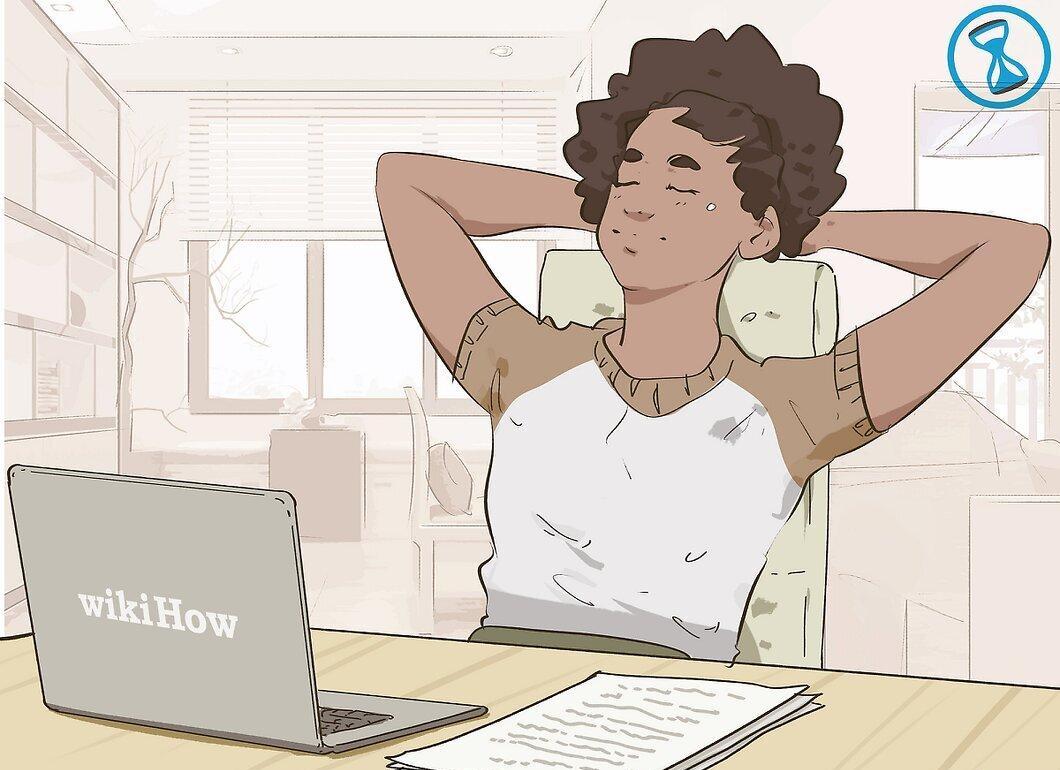
Let it rest. Your artist statement is an important part of something very personal. After you finish writing, set it aside for a night before reading it again. This will give you the opportunity to look at the text with fresh eyes and edit it without changing the core message.
Step 2. Get Feedback.
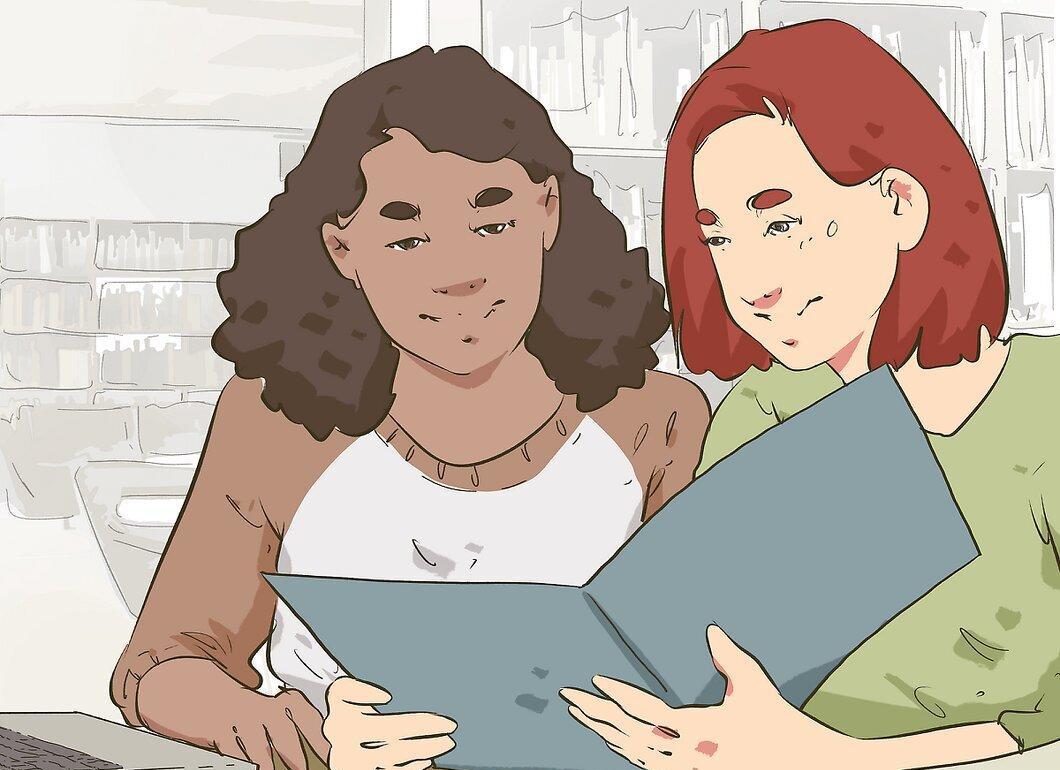
Get feedback. Before presenting your artist statement to a wider audience, show your artwork and statement to friends, friends of friends, and possibly a few strangers. Ask them for their evaluation of your work.
- Ensure they understand the meaning of your statement that you want to convey to the public. If the audience does not grasp the meaning, and it requires further clarification, rewrite the text with the necessary adjustments.
- Remember, you know best the meaning you put into your work, but feedback on its lexical, stylistic, and grammatical correctness is also valuable.
Step 3. Edit the Article.
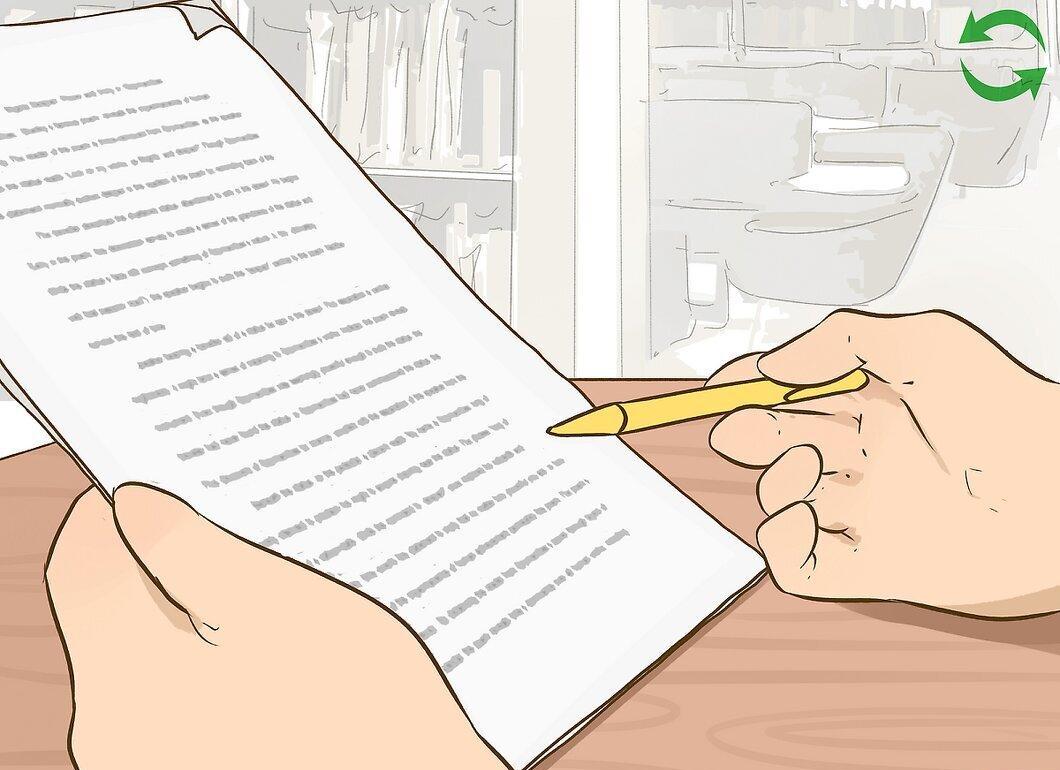
Edit the article. In most cases, only minor adjustments are needed to make the statement clear and understandable. If you encounter difficulties, consider seeking assistance from people skilled in writing or editing.
Step 4. Use Your Statement.
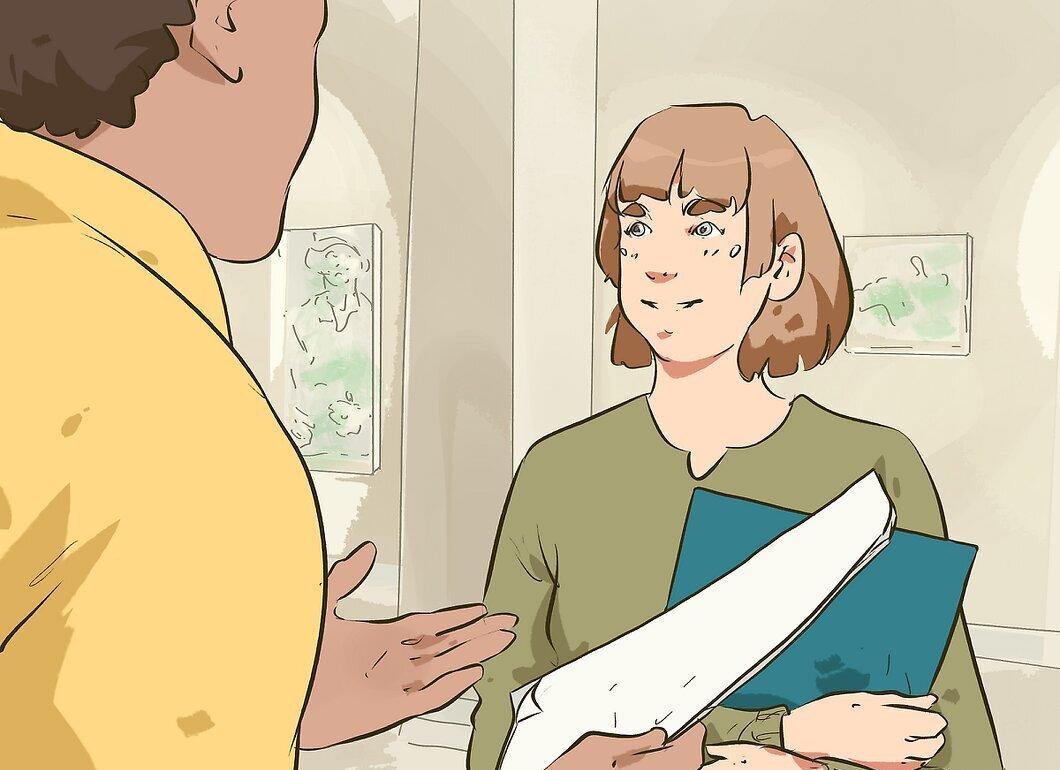
Use your statement. Make the most of your artist statement by promoting your work to gallery owners, museum curators, photo editors, print publications, and the general public.
Step 5. Keep All Your Notes and Drafts.
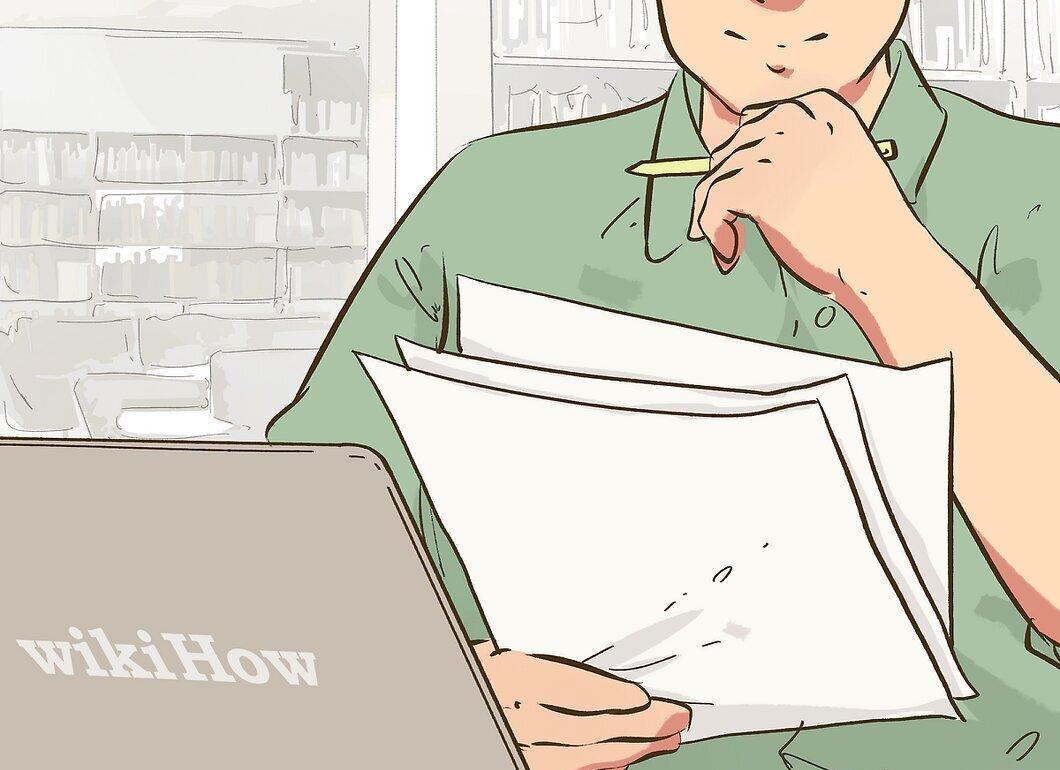
Keep all your notes and drafts. Save all notes and drafts you made. Over time, you may want to revisit and update your statement to reflect changes in your work. Having your original notes and drafts will allow you to delve into your past thoughts, providing a sense of continuity in your creativity.