
If you enjoy reading sad stories, you might be inspired to write one yourself. Crafting a moving tale is no easy task, as there's always the risk of making it overly melodramatic. Come up with a solid plot and convincing characters to ensure your story resonates more deeply with readers. Make several sketches to understand which plots work for you. Create a story outline based on the basic elements of narrative. Then, write and reread your story.
Sketching Ideas
Step 1. Make several sketches about sadness.
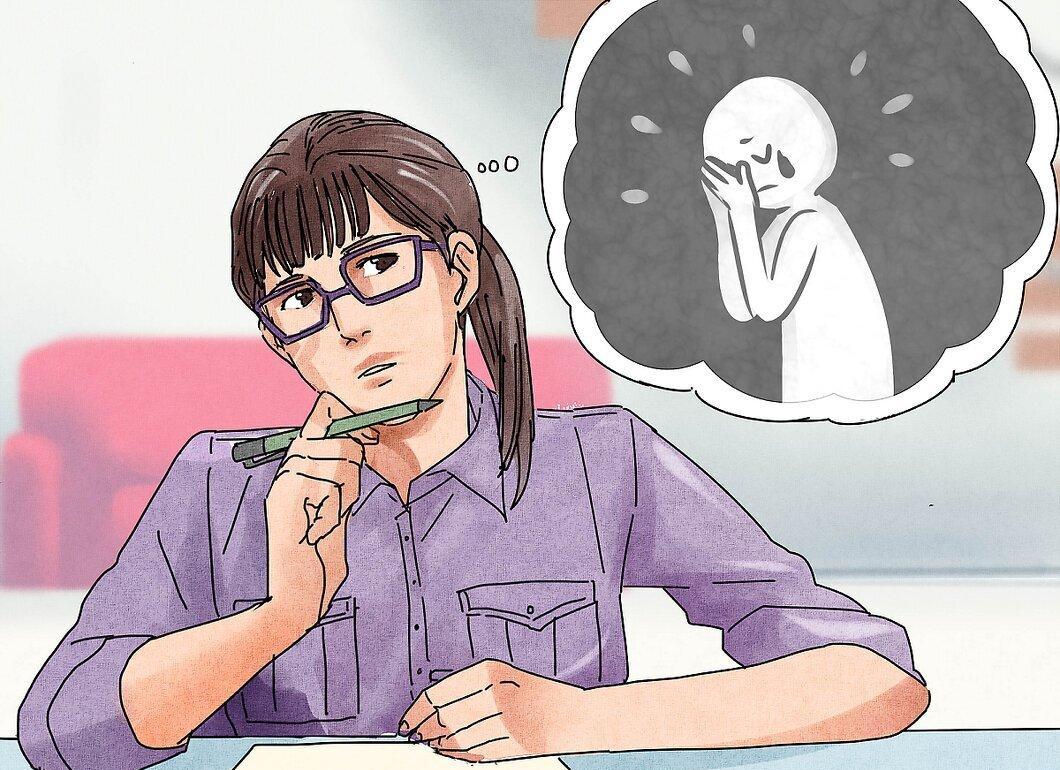
Make several sketches about sadness. If you want to write sad stories, you need to find inspiration. Think about what makes you feel sad. Spend 10 minutes writing everything that comes to mind related to sadness. Consider what situations evoke this feeling in you.
- Many things in life can upset people. People feel sad when friendships or other relationships break down. Sadness can also stem from seemingly trivial events. The death of a pet can bring sadness. Moving to another city can also be a source of sadness. Think about what sadness looks like in your mind. What emotions and thoughts do you associate with this feeling?
- Write about your experiences. For instance, do you remember the saddest moment in your life? What caused your sadness? You can write a short story based on what you've experienced.
Step 2. Seek sources of inspiration.

Seek sources of inspiration. To become a writer, you need to read a lot. If you want to learn how to write sad stories, you will need to read many stories with poignant plots.
- Read sad stories. Ask friends and teachers to recommend something. It's important to read actively. Pay attention to how writers construct the plot and characters. How does the story begin? How does it end? Why do you feel emotions while reading? Ask yourself these questions during your reading.
- Take note of what works in these stories. If the story is short, the author has little time to capture the reader's attention. Pay attention to the opening lines. How does the author engage the reader? Where does the story begin? Many stories start with significant events already having occurred. The author might recall past events in fragments or convey them through character dialogues.
Step 3. Learn how to start a story.
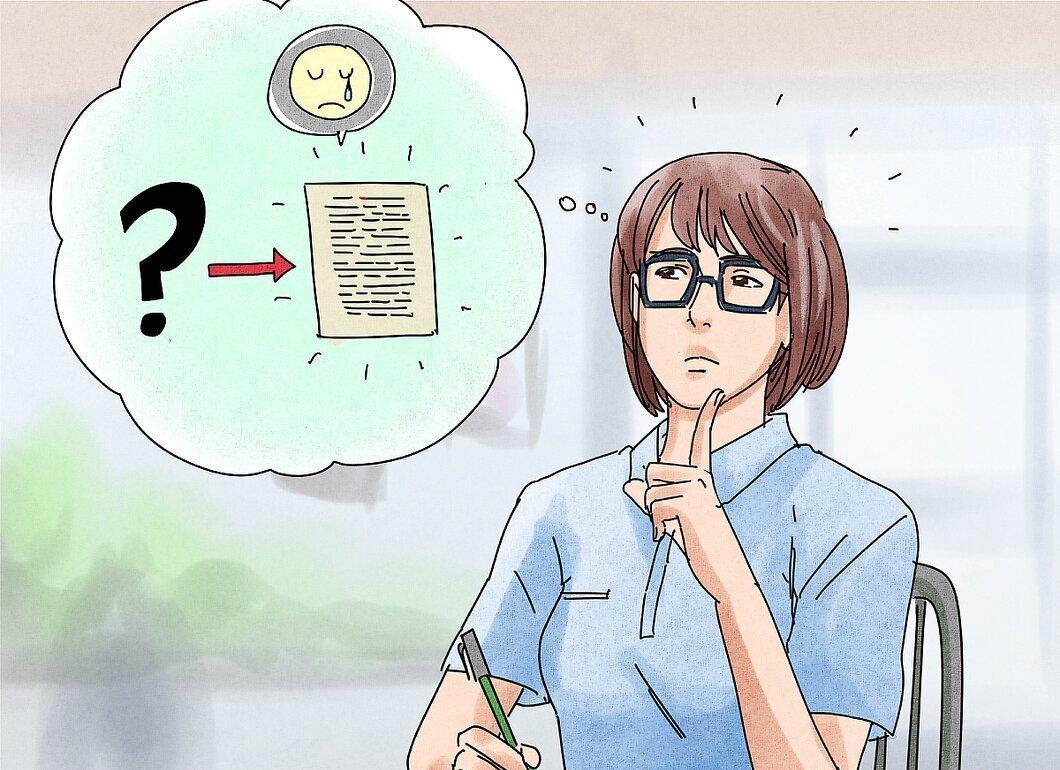
Learn how to start a story. If you want to write a story, you should become familiar with the basic structure. A story typically has an introduction, rising action, climax, falling action, and resolution. The introduction and rising action pertain to the beginning of the story.
- The introduction is the hook. In this part, you need to explain who the main character is and what they are doing. The introduction should be brief and should engage the reader.
- The rising action consists of a series of conflicts that allow the story to unfold. There can't be a story without a problem that needs resolution. However, in a sad story, the problem should have an element of tragedy. For example, your character might be caring for their sick dog. In this case, the rising action would involve actions like taking the dog to the vet and discovering the illness is worse than anticipated; the character tries to treat the dog as new problems arise.
Step 4. Draft a story outline.
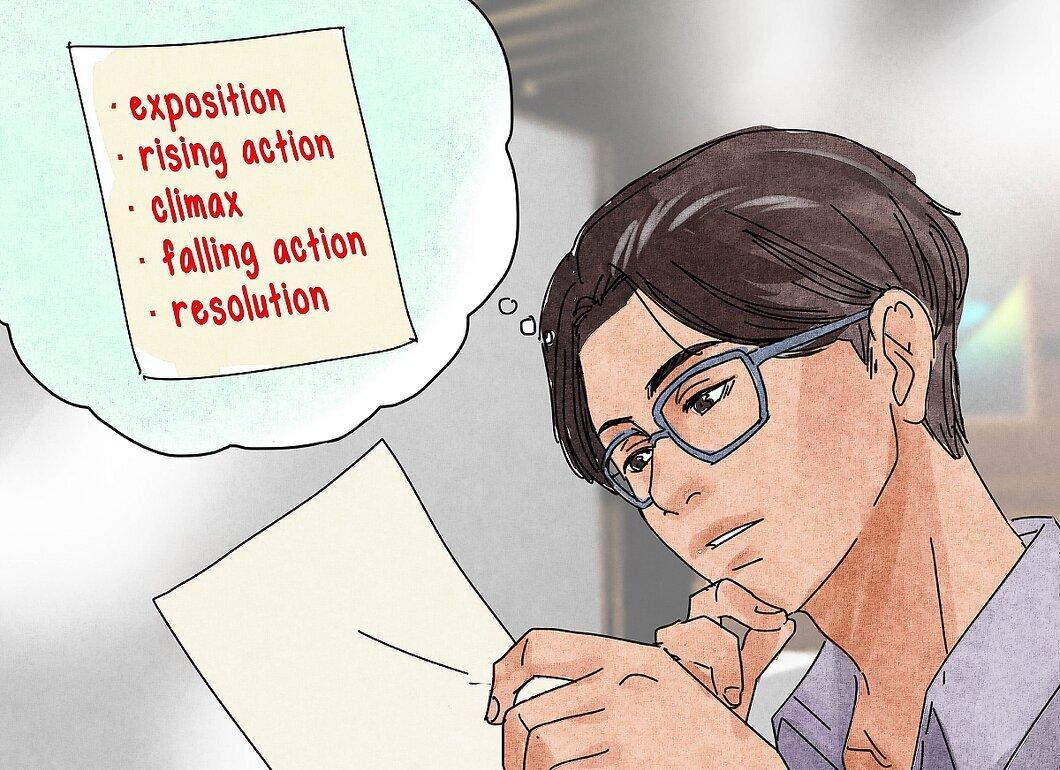
Draft a story outline. Once you have a clear idea of the components of your story, sketch a brief outline. Write down how it will start, what actions will follow, what the climax will be, and how it will resolve.
- The outline can be brief. There's no need to write in long sentences. Right now, you need to capture the main events. You can break the outline into sections: introduction, rising action, climax, falling action, resolution.
- The sections should be numbered. You will also need subpoints. You can number the sections with Roman numerals and then use letters for subpoints. For example: "I. Introduction, a) Introduce Maria".
- Returning to the example with the dog, you might start like this: "Introduction, a) Introduce Maria – she is crying in class, b) Maria feels sad because she is reminded of her father's cancer, c) Maria goes home alone (her mom is at work) to care for her sick dog".
How to Start Writing
Step 1. Choose a compelling opening line.
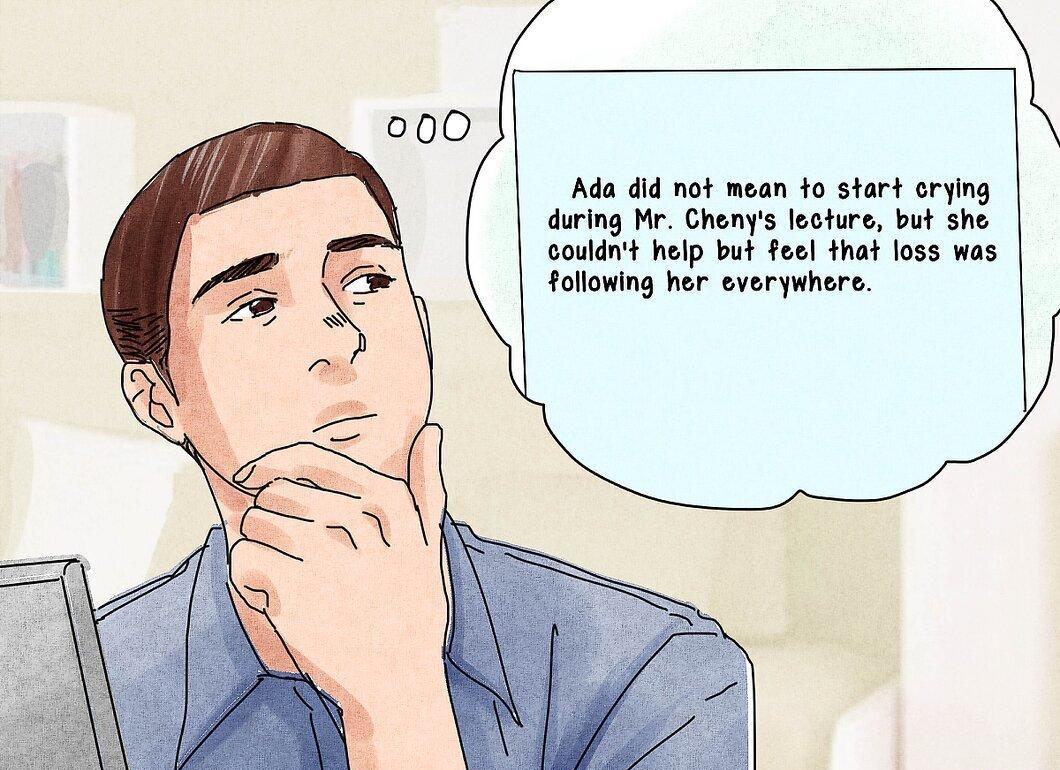
Choose a compelling opening line. The opening line is a crucial part of the entire story. It should instantly capture the reader's interest. You want to spark curiosity in the reader so they will want to continue reading.
- The opening line should be written confidently. It should hint at what is to come. If the story's foundation is a sad theme, it's important to indicate that right away.
- If you don't know where to begin, reread the opening lines of your favorite stories. You could even search online for famous opening lines. Read these lines to understand how they are structured. Why are they effective? What makes you want to read more?
- Returning to the example with the dog, Maria will eventually have to come to terms with her dog's death. Her father died of cancer, and she struggles to cope with another loss. Write a line that hints at the impending loss and references past experiences. For instance: "Maria didn't want to cry in the middle of class, but it seemed like losses were trailing her everywhere".
Step 2. Establish close relationships between characters.
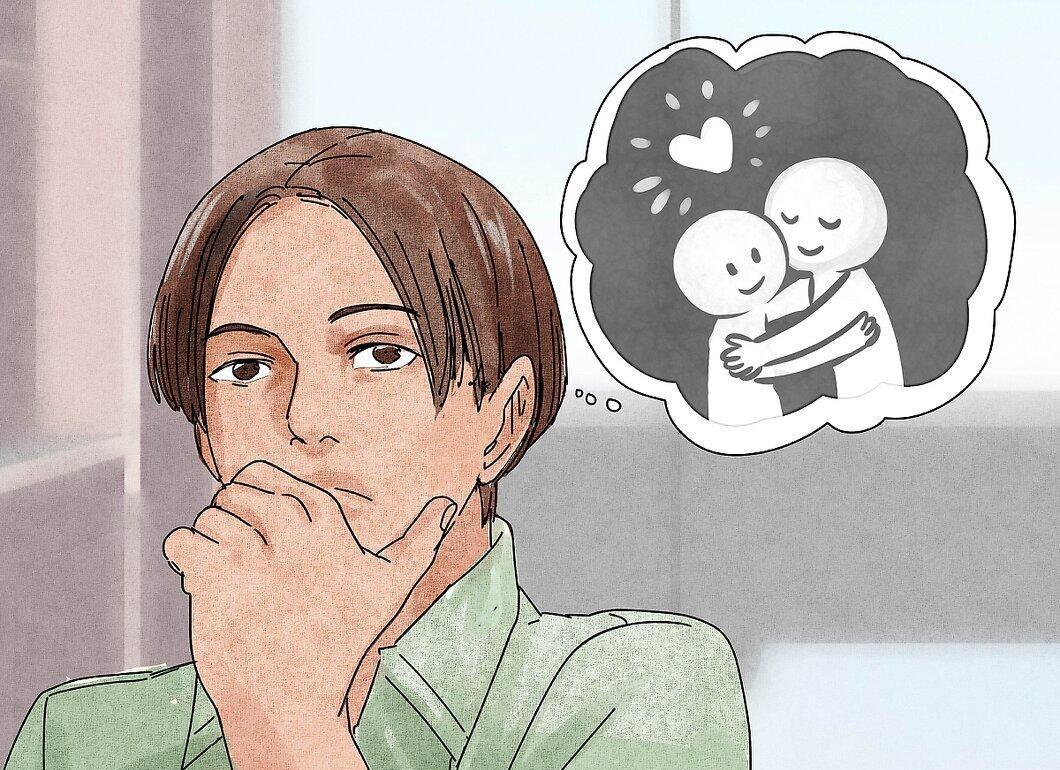
Establish close relationships between characters. Readers empathize with strong relationships. This is understandable – everyone has loved ones. If the story primarily revolves around relationships between characters, it is likely to evoke a strong emotional response from the reader.
- Show the closeness between characters. Your characters might finish each other's sentences, help each other without being asked, and comfort each other in tough times.
- In our example, there are three main characters: Maria, her mom, and her dog. You could describe how Maria cares for her dog and how much she loves it. You could also depict her relationship with her mom. Maria and her mom might tease each other playfully. Describing the father's funeral will help the reader understand that Maria supported her mother through the loss of a loved one.
Step 3. Build up to the key event.
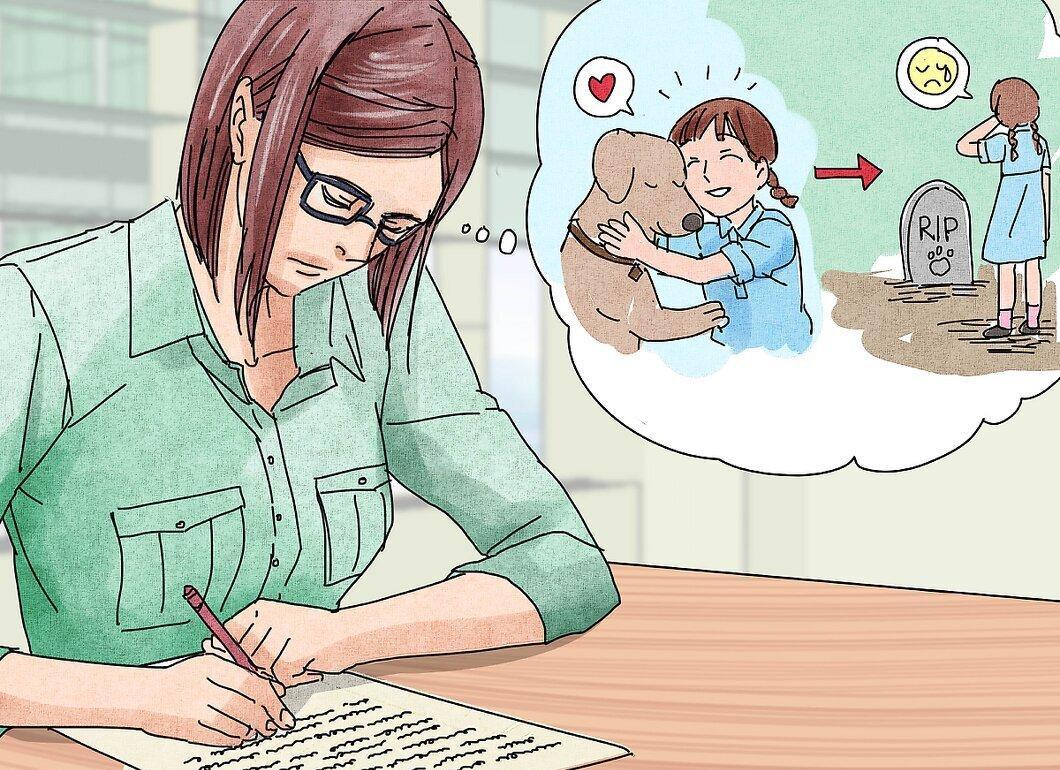
Build up to the key event. Gradually increase the tension leading to the main event. Readers are unlikely to be moved by the story if this isn’t done. When a person doesn’t empathize with the main character, the story fails to elicit strong emotions.
- Each scene in the story should develop the plot. If you're unsure what to write about, refer back to your story outline. What will the climax be? How can you lead the characters to that moment? In our example, the dog might have seizures that necessitate an urgent trip to the vet. Maria learns that the cancer has spread to the brain. Describe not only the actions but also the emotions. Maria argues with her mom. Her mom tries to prepare her for the worst, but Maria refuses to accept it.
- While working on these scenes, think about what the key event in the story will be. What do the characters realize? Each scene should lead to this. For example, Maria will learn to accept death as a part of life. Strive to highlight the inevitability of death and decay in each scene.
Step 4. Write the climactic part of the story.

Write the climactic part of the story. Once the previous scenes are ready, move on to the climax. This is the peak of tension in the story. The climax should be impactful but not melodramatic.
- Recall what your characters dream of. This will help you understand what they might lose at that moment. What is the character fighting for? What will happen if they don’t achieve it?
- The story should have a moment of revelation, and the new values should be universal. The character should learn something new about themselves or their life situation that connects to universal values or themes.
- In our example, the climax occurs when Maria and her mom argue about euthanizing the dog. On the surface, it’s a dispute about the dog's life, but on a deeper level, Maria argues with her mom about the desire to maintain control over her life. Helping the sick dog gives her a way to combat the inevitability of death. The underlying message here could be the acceptance of death as part of life. Perhaps Maria's mom could say something about this during their argument.
- Many stories become more interesting when they have layered meanings. Readers want to see not only sad moments but also the development of themes and characters. The story will have a stronger impact on the reader if they make some discovery for themselves.
Step 5. Write the ending.
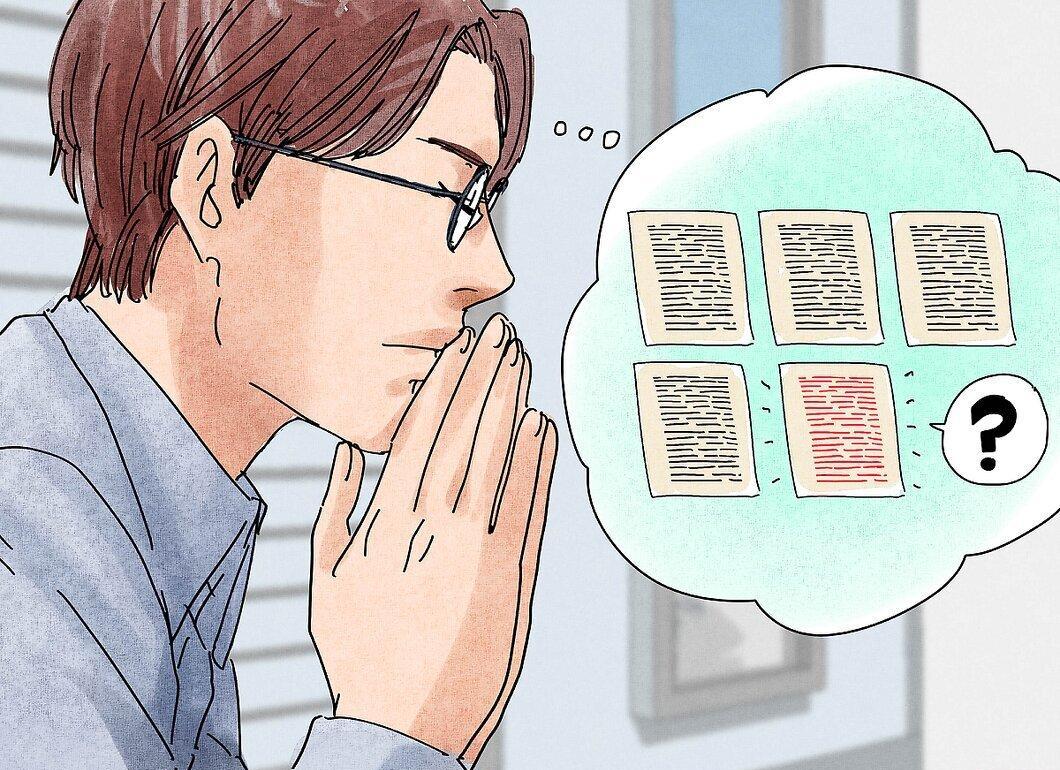
Write the ending. Once the climax is ready, move on to the conclusion. The final part should resolve the situation. The reader should feel satisfied with the ending, even if it isn’t optimistic. Don’t leave the reader with unanswered questions.
- Gradually lead to the conclusion. The main character should come to terms with their fate. All scenes in the climax should lead to the resolution of the conflict, and the tension should ease gradually. For example, Maria might cry and then tell her mom that she’s ready to euthanize the dog.
- A sad story doesn’t necessarily have to have a sad ending. However, if everything suddenly turns out well for the character, it will seem implausible. If you want your story to end on a high note, you must build the plot toward such a conclusion. The dog can’t suddenly get better – that just doesn’t happen. Perhaps everything will end well, but only after some time – for instance, Maria could adopt a new puppy.
Enhancing the Mood
Step 1. Avoid melodrama.
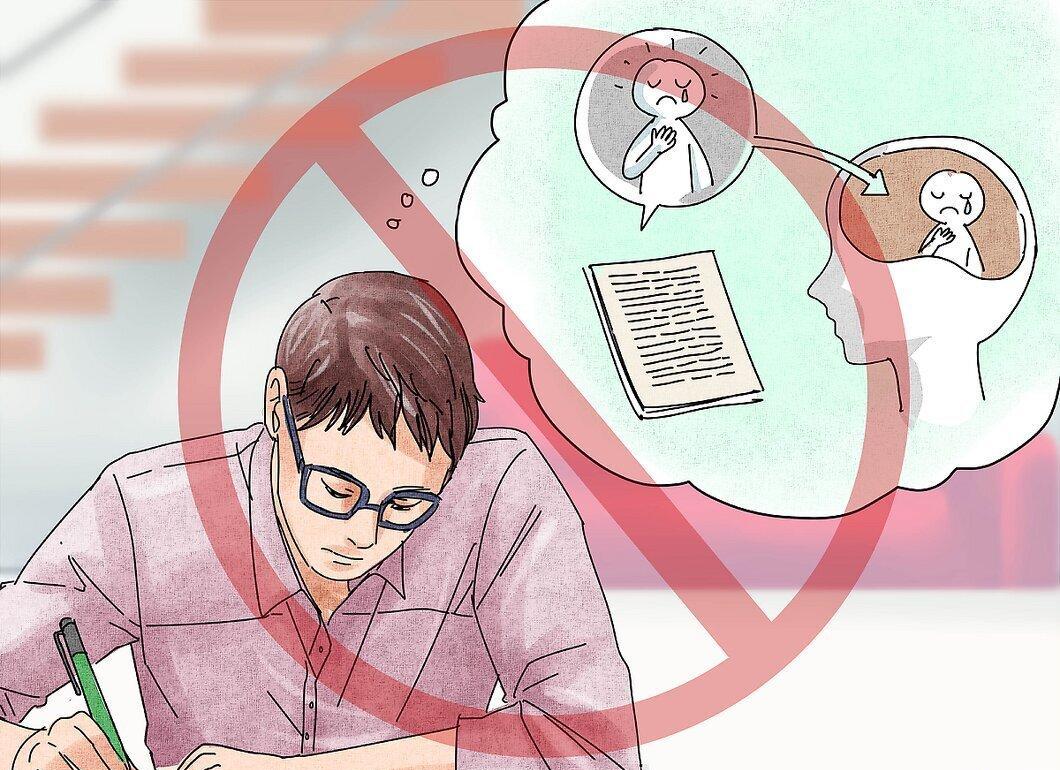
Avoid melodrama. Excessive melodrama is a common mistake in sad stories. Don’t force readers to sympathize with the characters. Steer clear of overly tragic descriptions and emotional dialogues, as these are primary sources of melodrama in literature.
- Melodrama can be hard to spot, especially if you are deeply invested in your work. In the first draft of your story, you can write everything you want to say. Later, it can be helpful to revise the first draft, cutting out as much unnecessary content as possible.
- Eliminate descriptions and dialogues that aren’t crucial. The less you write, the stronger the impact will be. If you want to describe the dog's death, you can do it in one or two sentences. This will allow readers to process the moment themselves, without feeling like you're directing their emotions.
- Consider how readers will perceive the story as a whole. In today’s world, there are many sad stories. People are gradually becoming less sensitive to tragic events because they start to seem routine. News stories constantly report on deaths and illnesses. If you focus on the character's specific emotions, you can avoid the melodramatic pitfalls of the story. Yes, losing a beloved pet is tragic, but what exactly makes the character suffer? What is the source of their pain?
Step 2. Start with a strong plot.
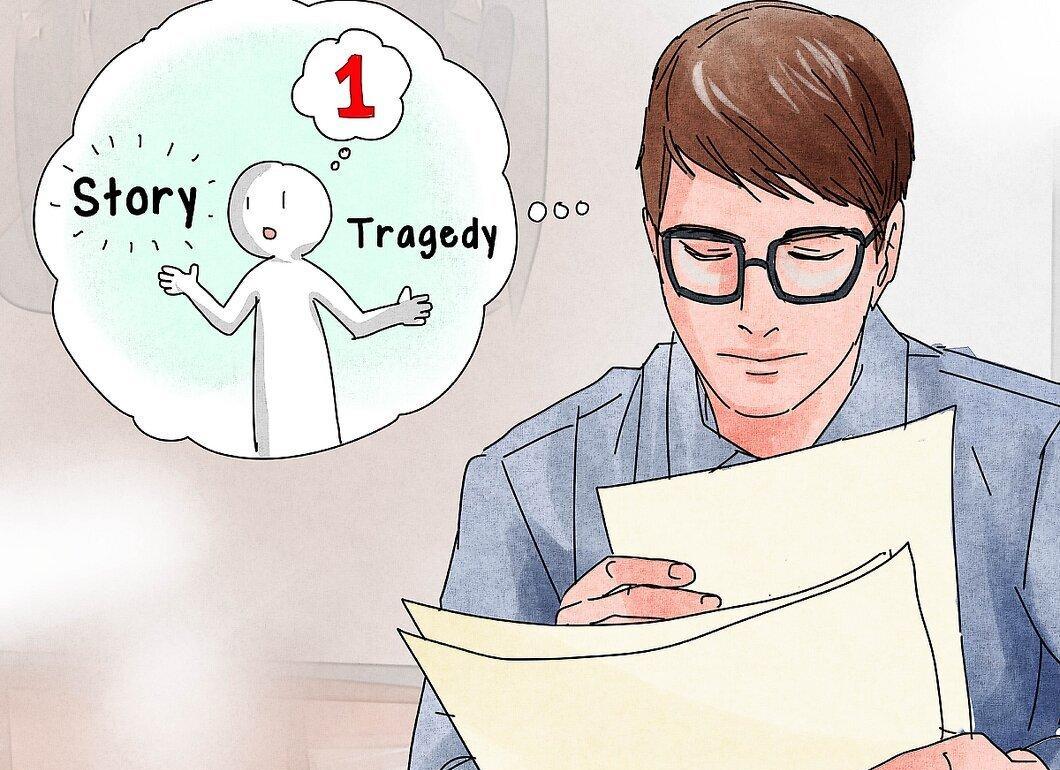
Start with a strong plot. Many people are put off by tragic texts written solely for the sake of drama. People enjoy stories, characters, humor, and dialogue. Remember: the most important elements are the plot and characters. Only after establishing these should you think about the tragedy.
- Try to understand what is going on in your characters' minds. Develop each character's backstory that isn’t solely tied to the tragic events they are experiencing. Give the characters believable traits, interests, preferences, and quirks. A character shouldn’t be described only through tragic events.
- Make sure the tragedy feels like a natural part of the plot. Don’t have the hero's mother suddenly die if she hasn't been sick. That could come off as a cheap trick to elicit sympathy from the reader. If you intend to kill off a character, hint at it. For example, the character might be anxious after a doctor's appointment.
Step 3. Add a touch of humor.

Add a touch of humor. If the story is overly tragic, it may repel readers. Many sad stories have a certain lightness to them. For instance, John Green's bestseller "The Fault in Our Stars" has quite a bit of humor. In the film "Steel Magnolias," laughter intertwines with tears. These works can help you understand how to incorporate humor into sad stories.
Step 4. Remind readers of good times during sad moments.

Remind readers of good times during sad moments. As you review your material, you may want to strengthen the emotional impact of the story. Reread what you’ve written and find ways to make the story more emotional. For example, remind the reader of happier times.
- Sad moments seem more tragic against the backdrop of happy times. Often, such contrasts have a powerful impact on readers and enhance emotions.
- When describing a sad scene, try to remind the reader of moments when the character was happy. For instance, Maria's dog might make a funny sound resembling a greeting that made Maria and her mom laugh. Later, the dog might make the same sound when it's near death. Now, that moment is overshadowed by the approaching loss.
Step 5. Help readers love your characters.

Help readers love your characters. Recall the good qualities your characters possess. Tragedies have a strong impact on readers if they can love the characters. You might add a few lines that remind readers of the good things the character has done. For instance, the dying dog might wag its tail one last time – it remains a loving creature until the end.
Step 6. Create connections between tragedies.
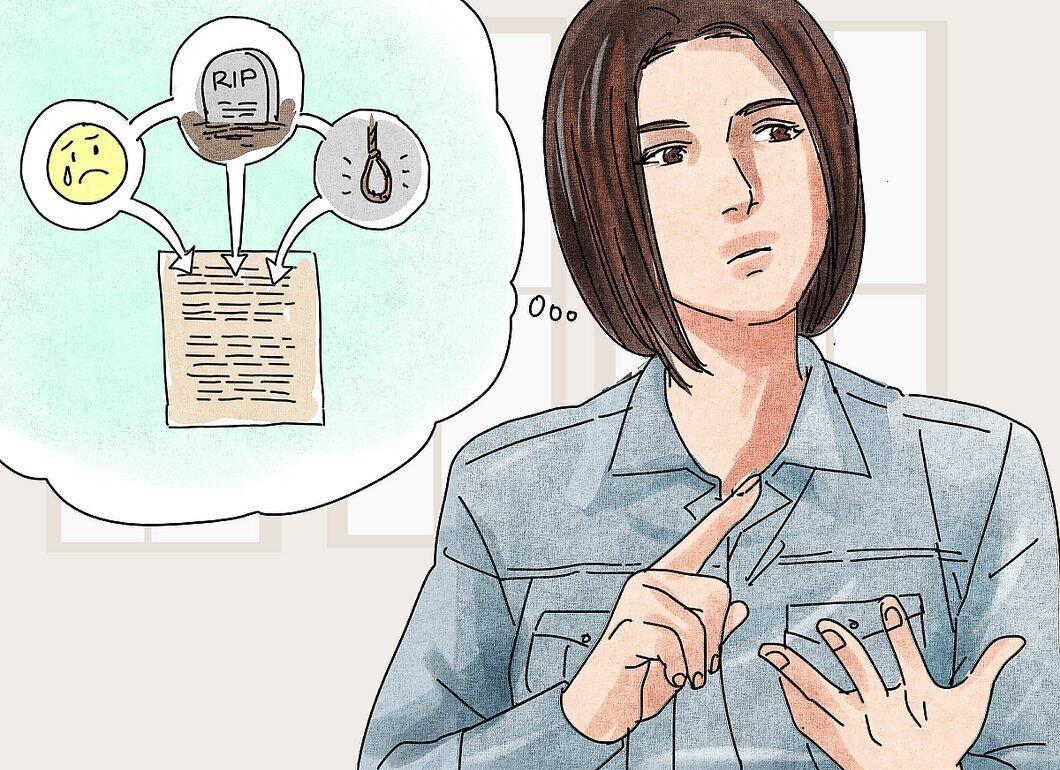
Create connections between tragedies. To enhance the impact of the story, you can link tragedies together. Connect different sad moments. This will make the story deeper.
- You can draw parallels between the death of the dog and that of the father. Maria might feel that she has failed to stop the inevitable once again. This will help readers feel more connected to the character. Maria has had to endure quite a few tough life situations.