Alcohol intoxication affects motor skills, cognitive abilities, and behavior. People under the influence often act very differently than sober individuals. There are occasions when you might need to look drunk without actually consuming alcohol. Whether you want to blend in at a party, play a role in a performance, or just entertain your friends, you can create the illusion of drunkenness by changing your appearance, manner of speaking, and behavior.
Appearance
Step 1. Mess up your hair.
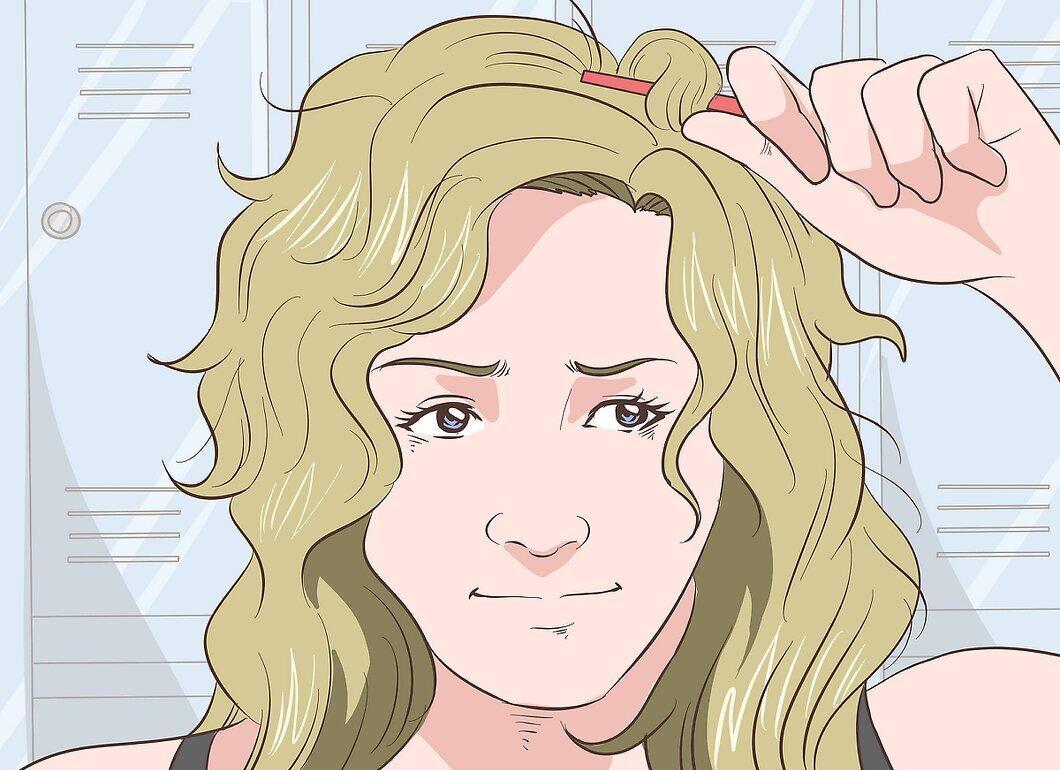
Make your hair look disheveled. Drunk people usually don’t pay much attention to their appearance, unlike sober individuals. Run your fingers through your hair to create a messy style. The more chaotic your hairstyle, the more convincingly drunk you will appear.
- A messy hairstyle signals to others that you don’t care about the details. You’re just there to have a good time.
- This look can give the impression that you just came from a party.
Step 2. Stains on your clothing.
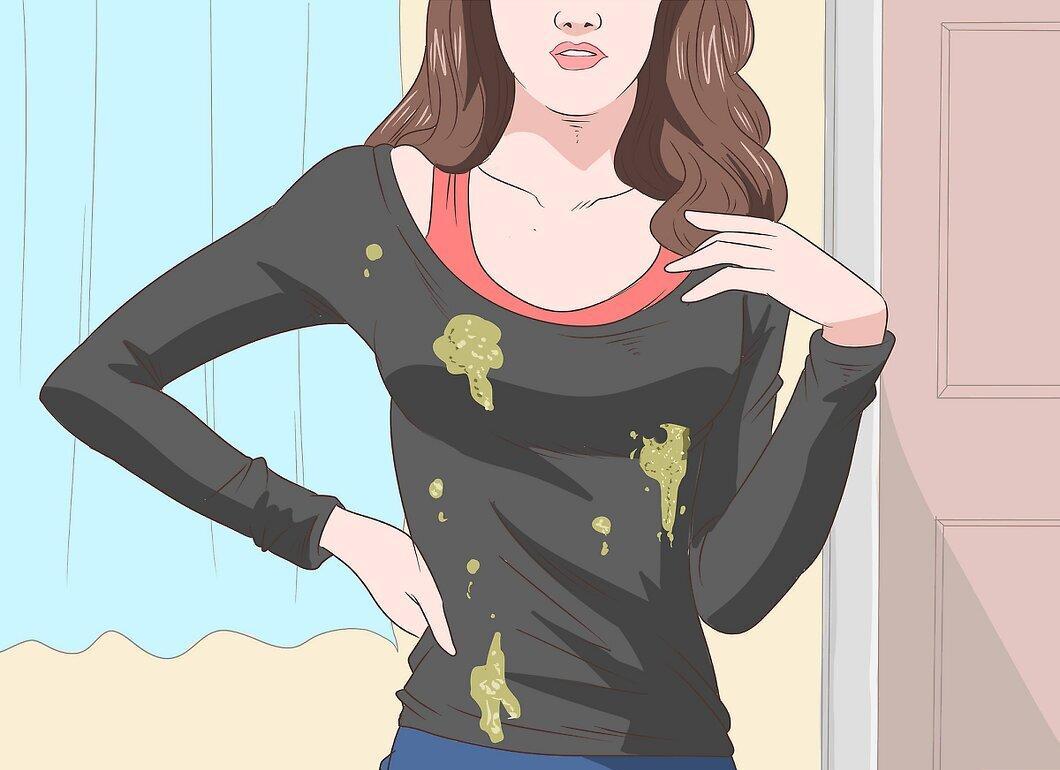
Add some stains to your shirt. Alcohol reduces concentration, so drunk people often spill food and drinks. Easily stain your clothing with ketchup or mustard and act as if it doesn’t bother you.
- If someone points out the stain, just respond, "Yeah, I know. Who cares?".
- Other sauces can work well too, but avoid dairy products that might smell bad.
Step 3. Tuck your shirt in messily.
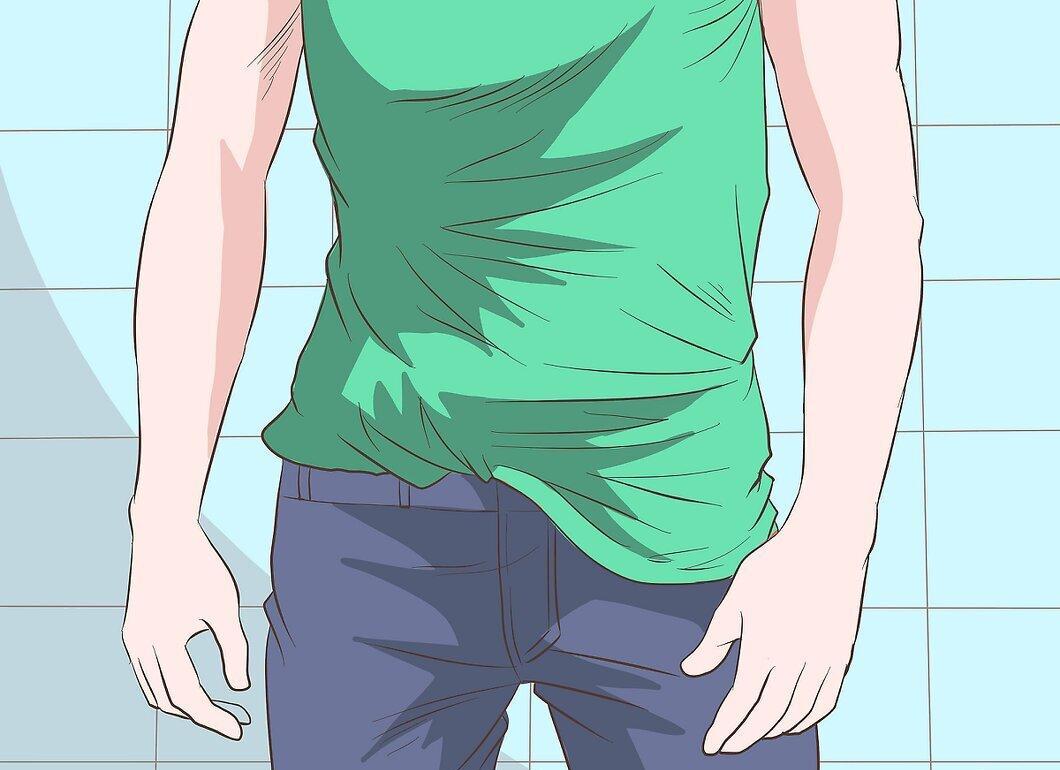
Tuck in one side of your shirt. This will give you a careless appearance, leading others to think you’re drunk. Make sure your look doesn’t seem overly deliberate; otherwise, your plan might backfire. You should look like you just walked out of a restroom.
- A partially tucked-in shirt may be perceived as an attempt to create a trendy image.
Step 4. Red or glassy eyes.
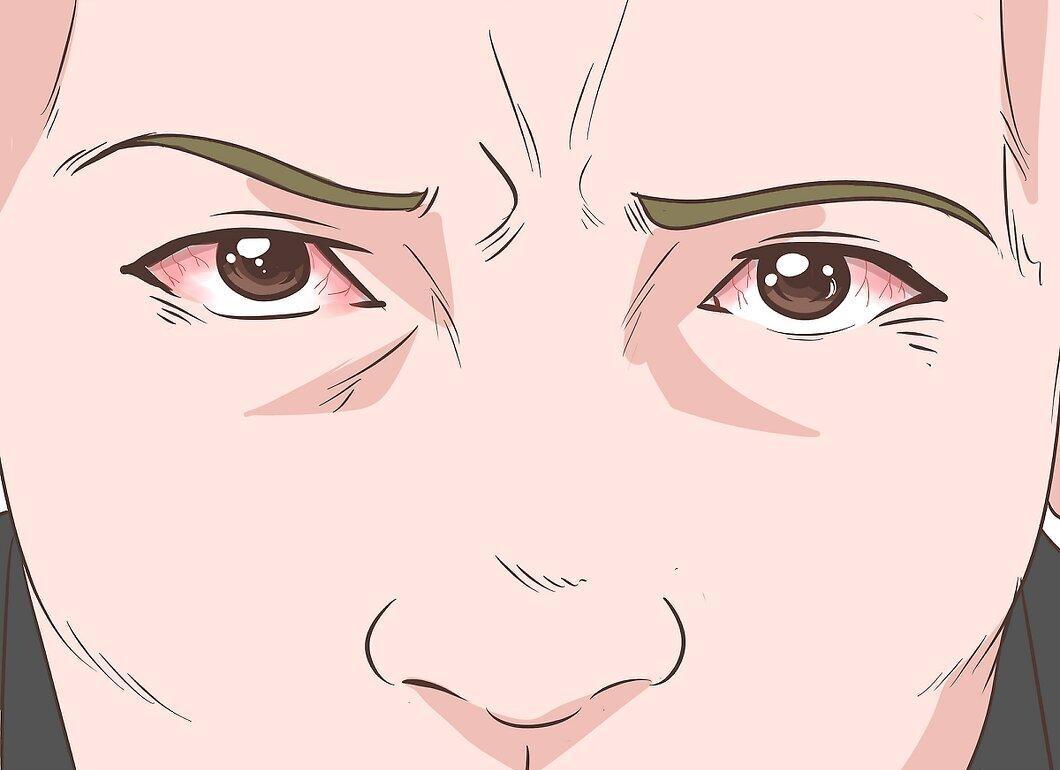
Create the appearance of bloodshot eyes. This is a common sign of intoxication. There are simple and safe methods to make your eyes look redder. For example, rub menthol or sliced onions under your eyes.
- You could also try to tear up or blink frequently to make your eyes appear redder.
- Just remember not to let menthol or onions get into your eyes.
Behavior
Step 1. Act like you’re drunk but trying to appear sober.
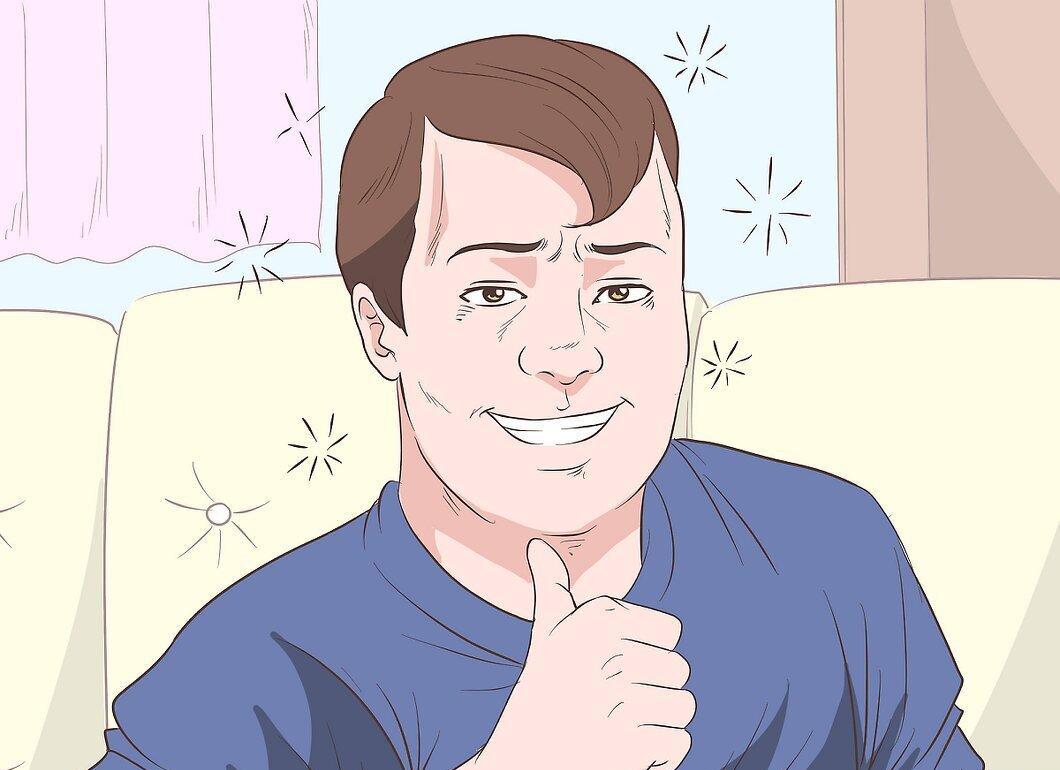
Mimicking drunk behavior while attempting to look sober is key. Drunk people often try to appear sober, which can be challenging. Pretend to struggle to keep your balance, occasionally stumbling and looking unsteady. You can say silly or provocative phrases and then apologize for your behavior.
- Lean against a wall and then straighten up as if trying to maintain your balance.
- Say, "No, no, I’m fine. I don’t think I’ve had too much to drink.".
- Erratic behavior can add realism to your portrayal.
Step 2. Be less restrained than usual.
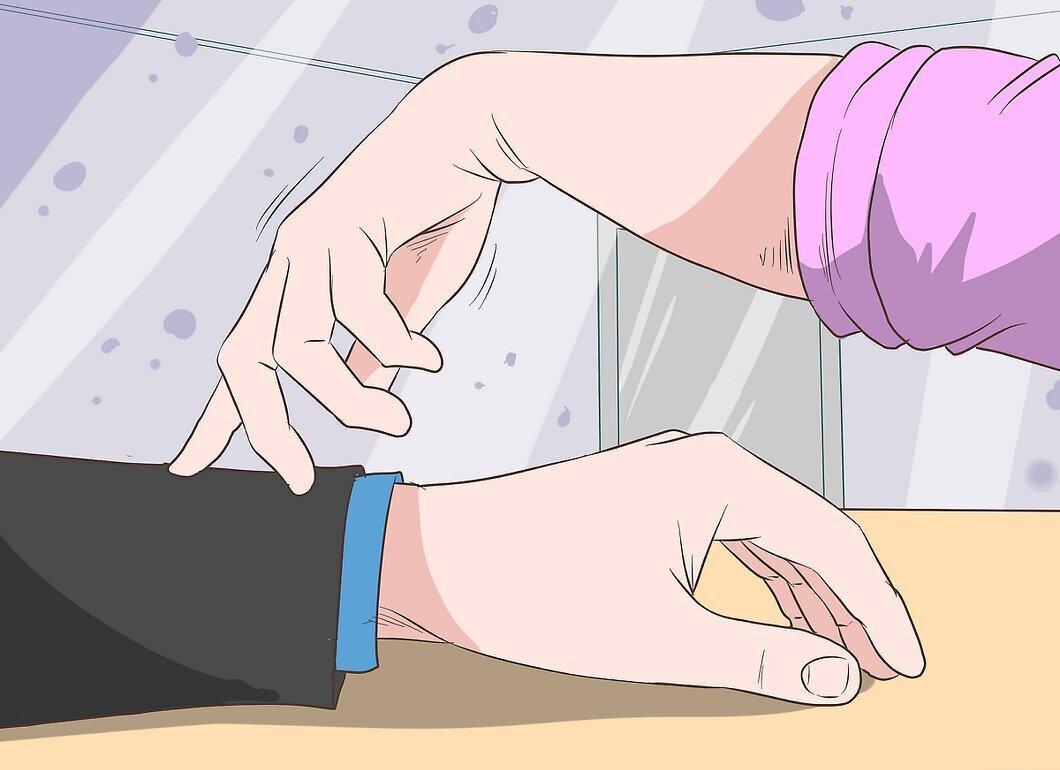
Allow yourself to be less reserved. Under the influence of alcohol, people become more open and aggressive. Speak more candidly than usual and share things you’d typically keep to yourself. If you want to play a drunk person who gets angry, respond irritably to small annoyances.
- For example: "I remember the first time I tried onion rings. I was six years old!".
- The more you interact with people, the more natural your performance will seem.
- Feel free to throw in some inappropriate jokes, but don’t cross the line.
Step 3. Delay your responses.
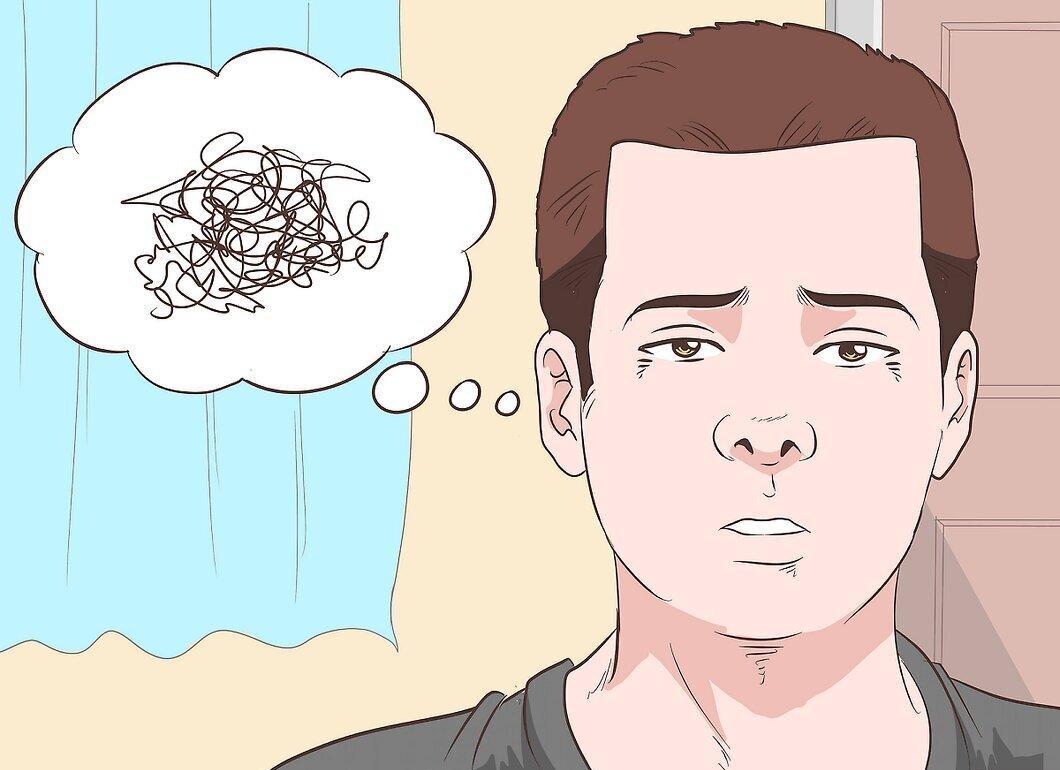
Take your time answering questions. Drunk people often react more slowly to what’s happening around them. Pretend you’re struggling to understand simple things. Ask the same questions repeatedly and echo the words of the person you’re speaking with for effect.
- Change the channels on the TV or player as if you don’t understand what’s going on.
- Say, "I don’t understand why this isn’t working?".
Step 4. Show instability.
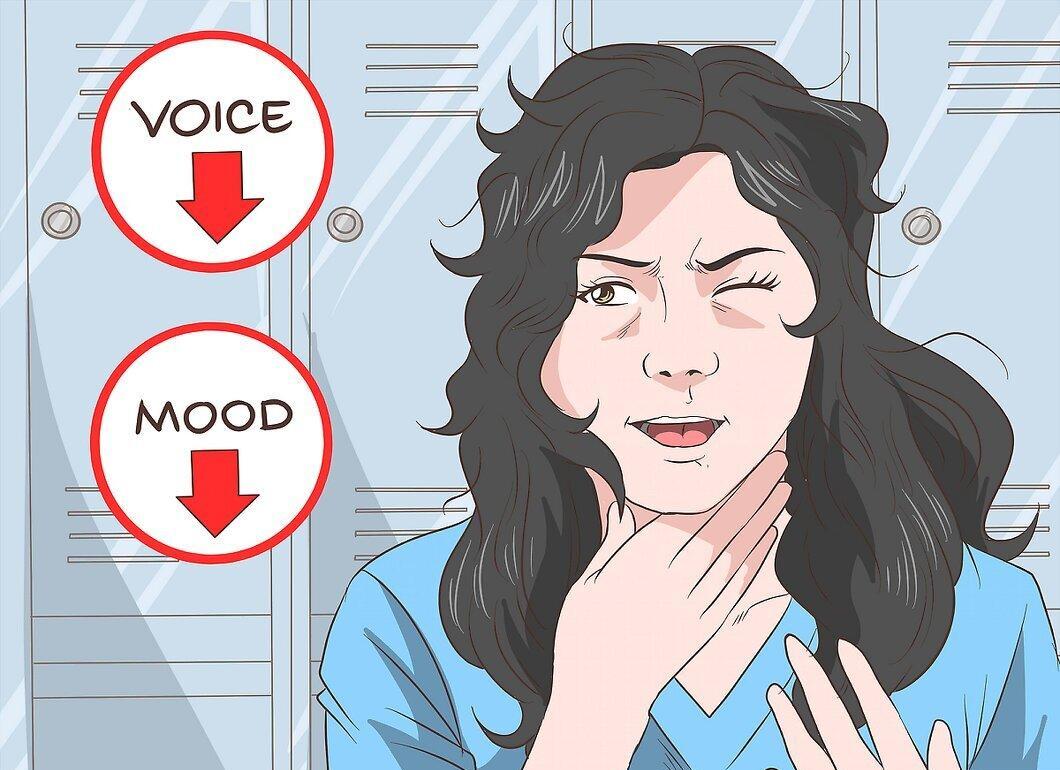
Move inconsistently, alternating between active periods and moments of fatigue. The more erratic you are, the more convincing you will look. Random mood swings and variations in your voice volume will help create the persona of a drunken individual.
Step 5. Stumble while walking.
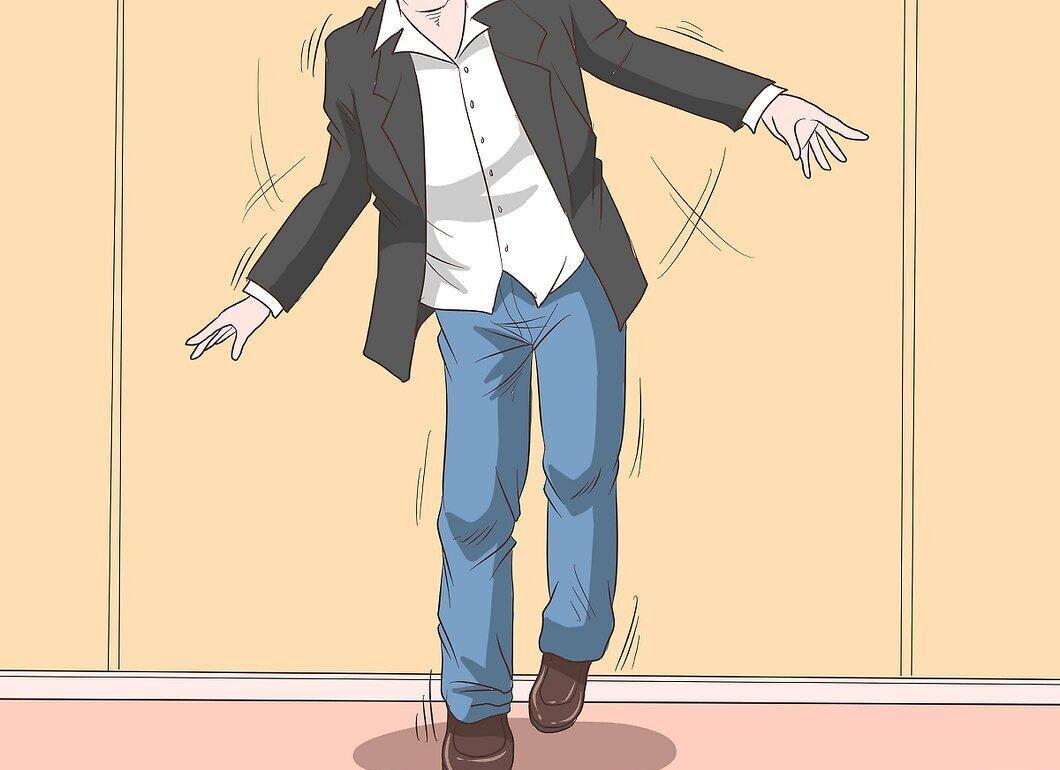
Stumble as you walk. Performers often use this trick to create the illusion that the floor is moving. Don’t overdo it; don’t fall too often, or your plan might fail. Just sway occasionally.
- If you’re standing still, lean against walls to enhance the effect.
Step 6. Smell like alcohol.
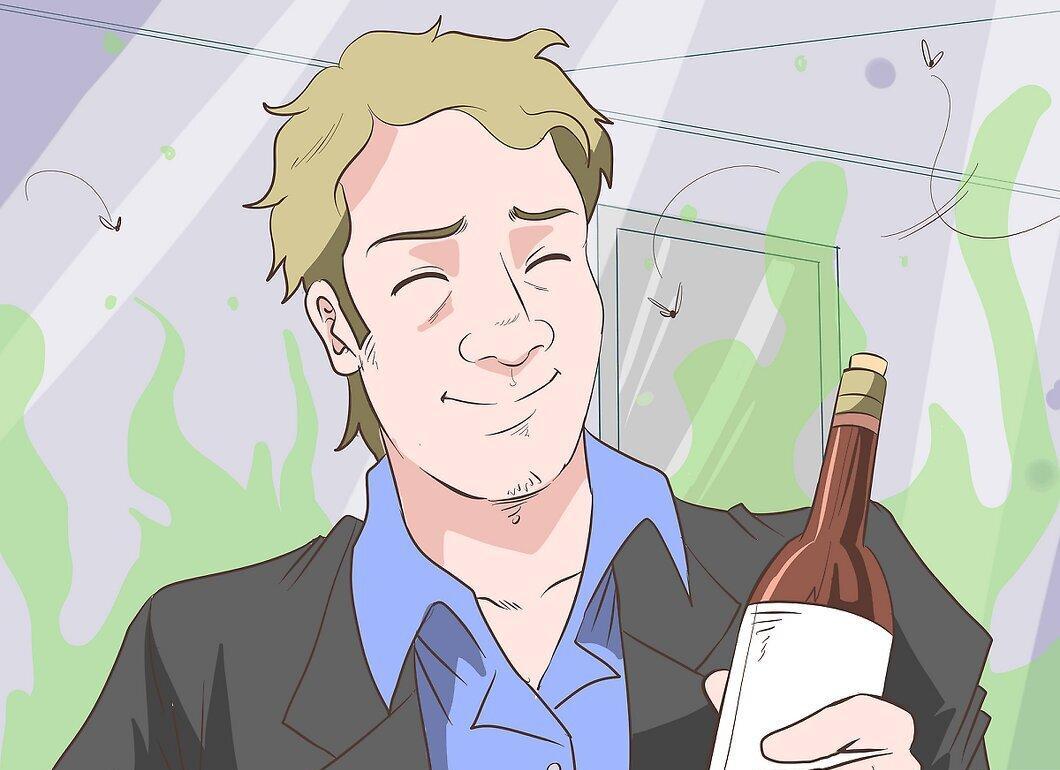
You can swish some alcohol in your mouth or spill it on your clothing. If you prefer not to drink alcohol, choose non-alcoholic beverages that smell similar. The scent of alcohol will create the desired impression on those around you.
- Non-alcoholic substitutes like beer or cocktails can work well.
Speech
Step 1. Speak unclearly.
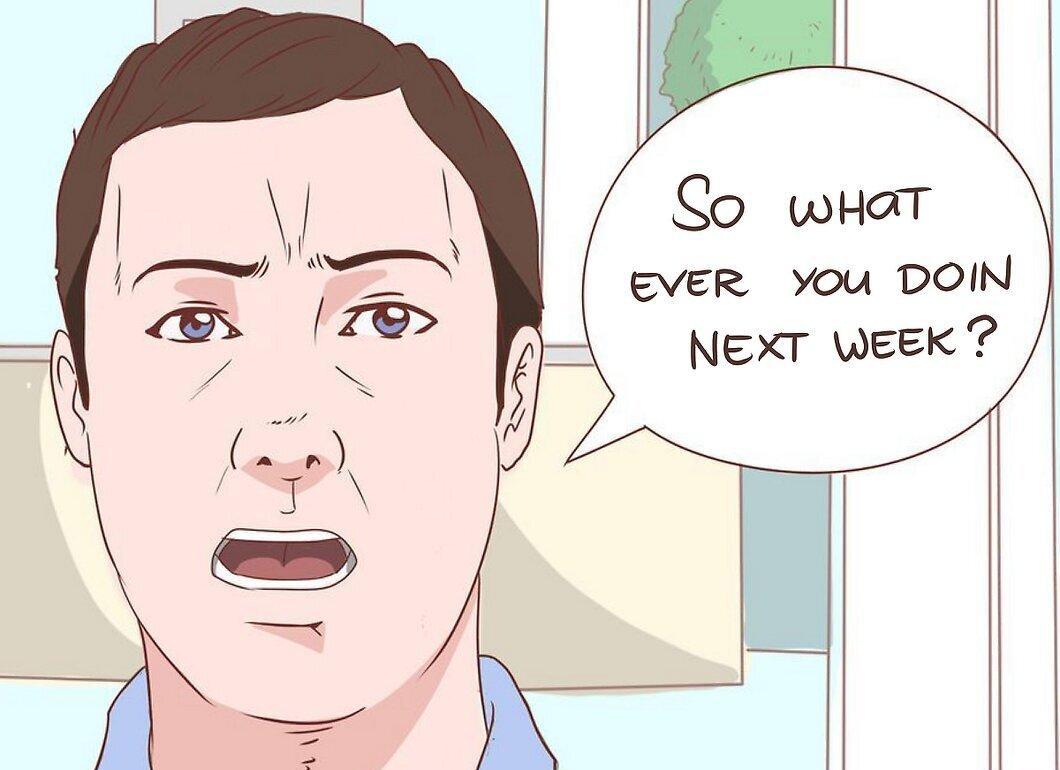
Change your speech pattern to be less clear. Alcohol affects motor skills, making speech slurred. Try skipping syllables or words as if you’re tired.
- Say: "Shkarna vchrinak. All ssuper".
- Or: "Chem bush zant na slezhney ndelye?".
Step 2. Speak slower than usual.
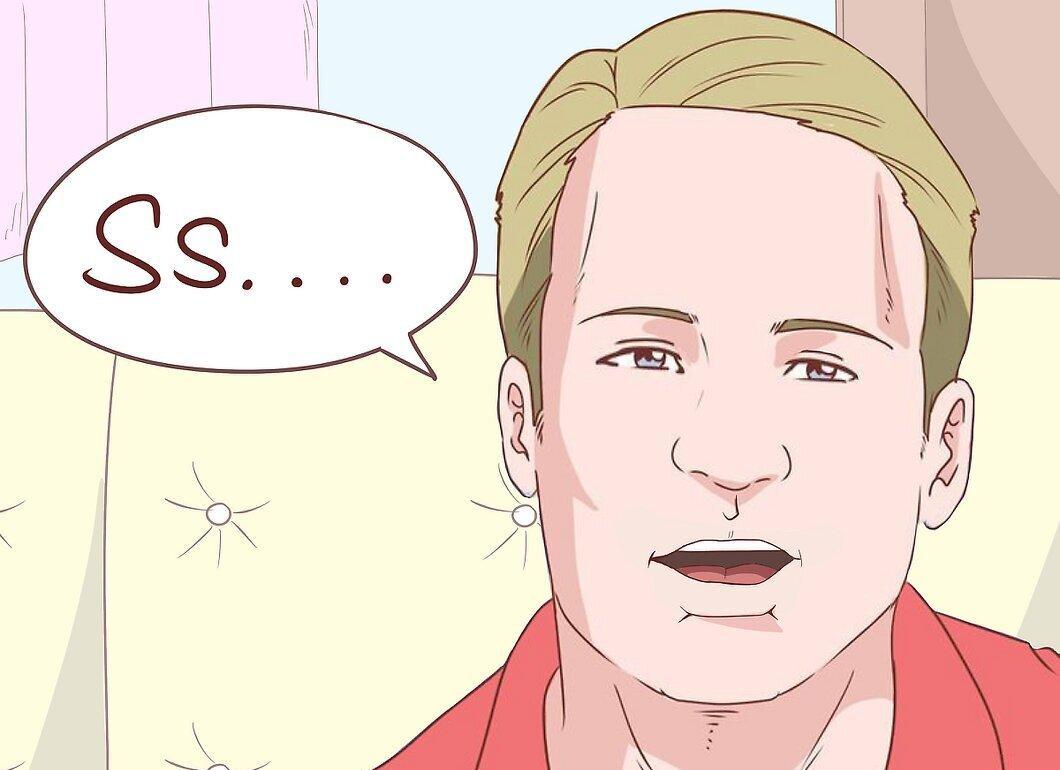
Slow down your speech. Under the influence of alcohol, people tend to talk more slowly. Pay attention to your speech pace and try to speak more slowly.
- Alcohol slows down neurotransmitters in the brain, which affects speech speed.
Step 3. Speak louder and invade personal space.
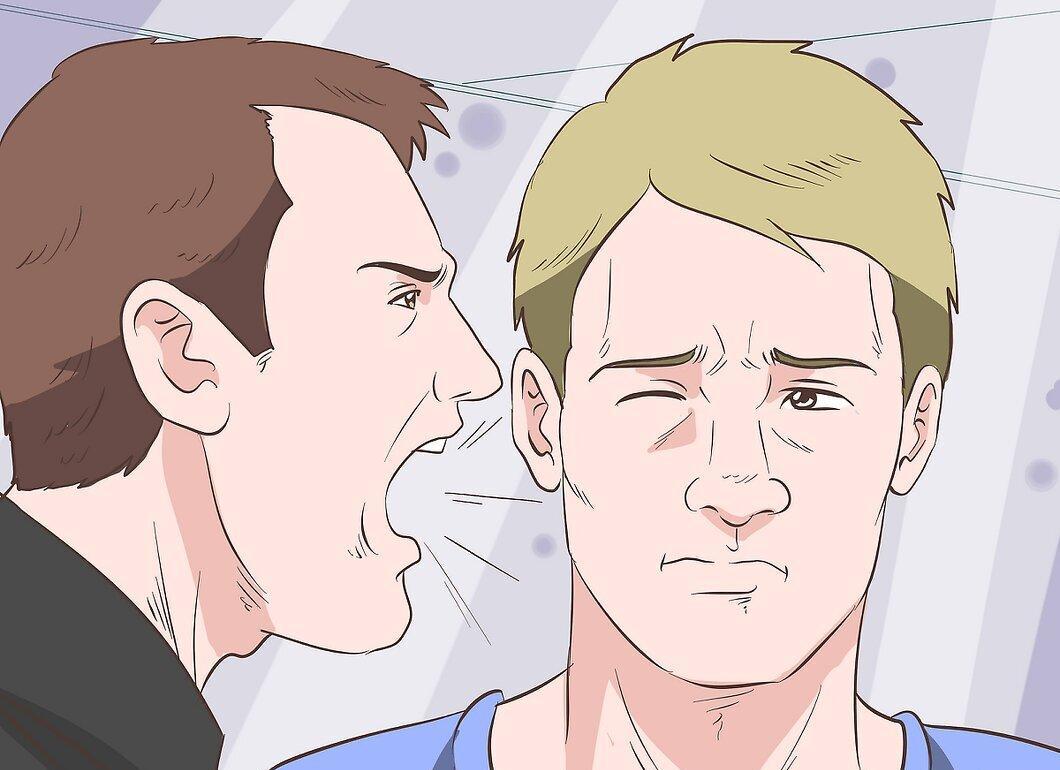
Speak louder than usual and get closer to your conversation partners. In a noisy place, like a bar, this is quite natural, but drunk people may not realize how loudly they are speaking. Don’t hesitate to approach people closely.
- If someone asks you to back off, politely take a step back.
Step 4. Deny your state if asked.
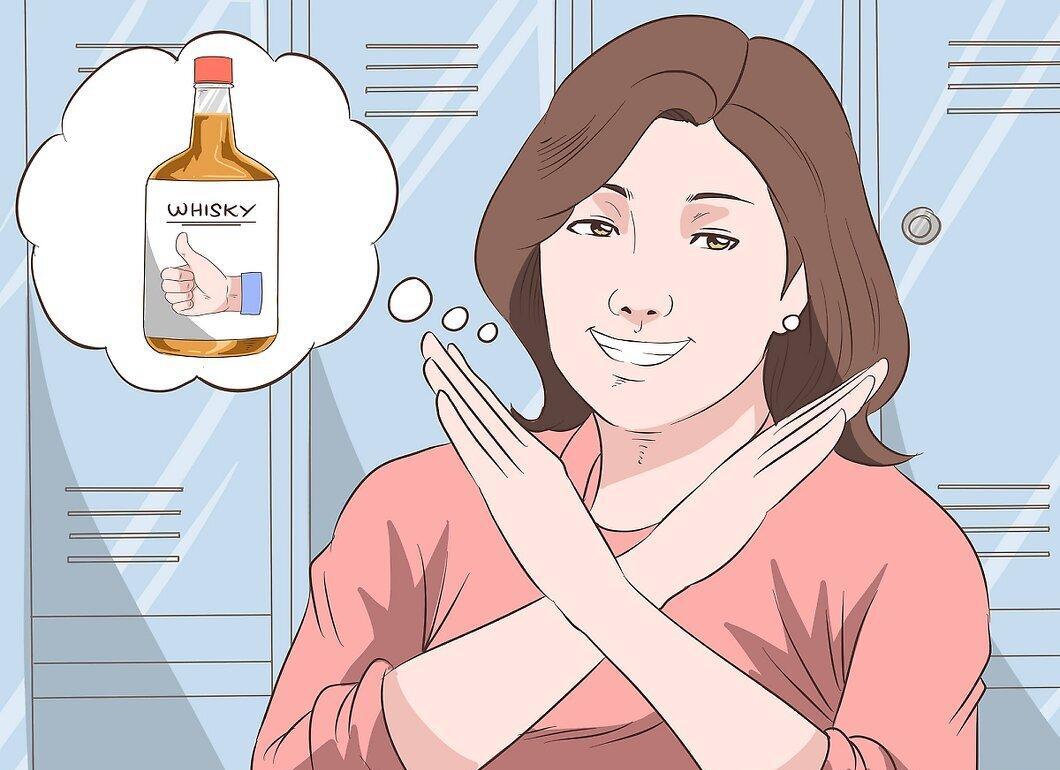
If someone asks if you’re drunk, deny it. Pretend to be offended but say you’ve only had a little to drink. Nobody wants to admit to drunkenness, so people may not believe you if you openly state that you’ve had too much. Take a defensive stance, and people will think you’re drunk.
- You might say: "I’ve only had a couple of shots. I’m not drunk at all!".