
Mastering Acting: Practical Tips
Great actors can embody any character. To reach such a level, professionals study scripts, participate in rehearsals, and engage in creative experiments in acting classes. Skillful performance may seem effortless, but it involves significant hard work. Below are recommendations that will help you become an outstanding actor.
Individual Preparation
Step 1: Record Your Monologues and Scenes.
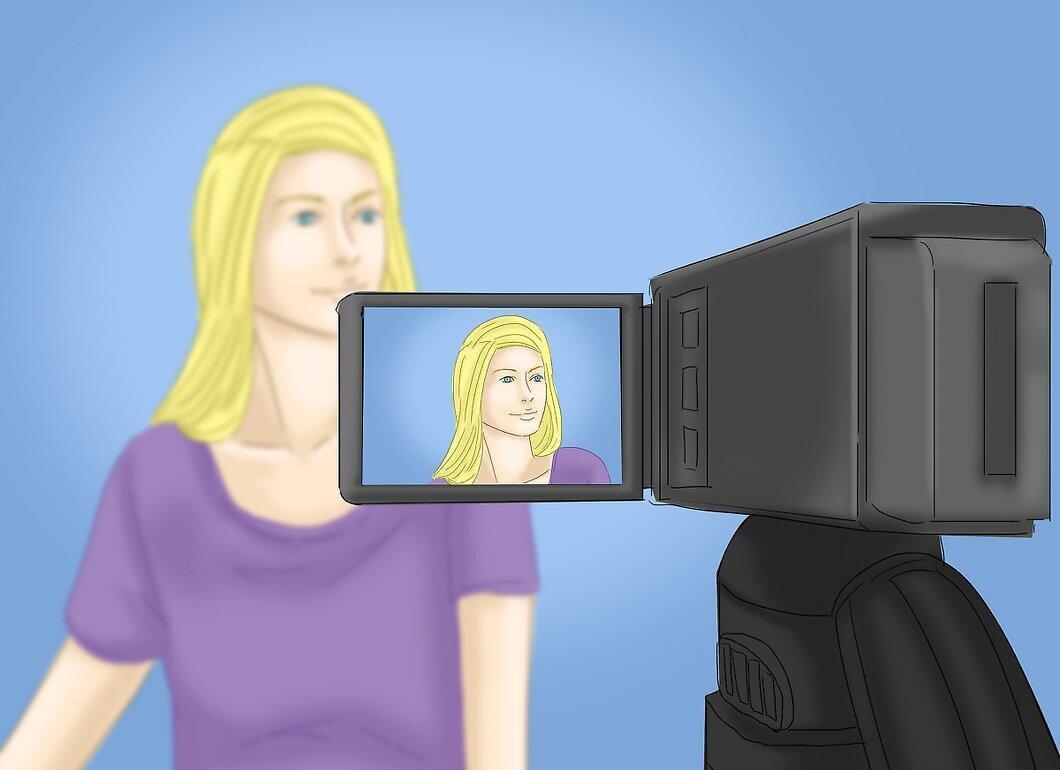
Record your performances with monologues and short scenes. Purchase a collection of monologues from an online store or a bookstore and practice different roles. Choose one monologue, rehearse it several times, and record it on video. When reviewing, analyze your mistakes, highlight successful moments, and jot down ideas for improvement. Repeat and record the monologue until you achieve the desired result.
- Try to select a variety of monologues, not just those that are easier for you to perform. Challenge yourself during rehearsals.[1] X Source
Step 2: Observe Your Favorite Actors.
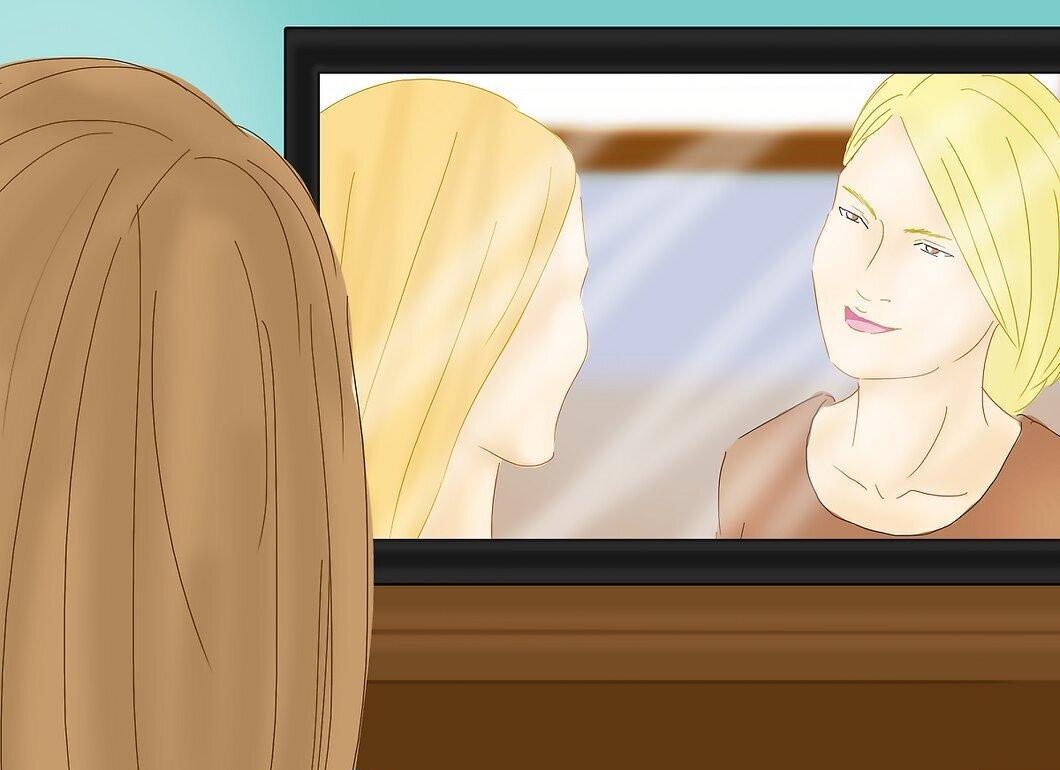
Study your favorite actors. Rewatch memorable scenes and pay attention to their movements. What words do they emphasize in their lines? How do they behave in moments of silence? Don't just watch; try to analyze their acting style.
- How would you deliver a specific line? If differently, how so?
- Check out videos on YouTube where different actors perform the same role (for example, from Shakespeare's works). What makes some interpretations more memorable and engaging?[2] X Source
Step 3: Work on Your Diction and Speech Style.
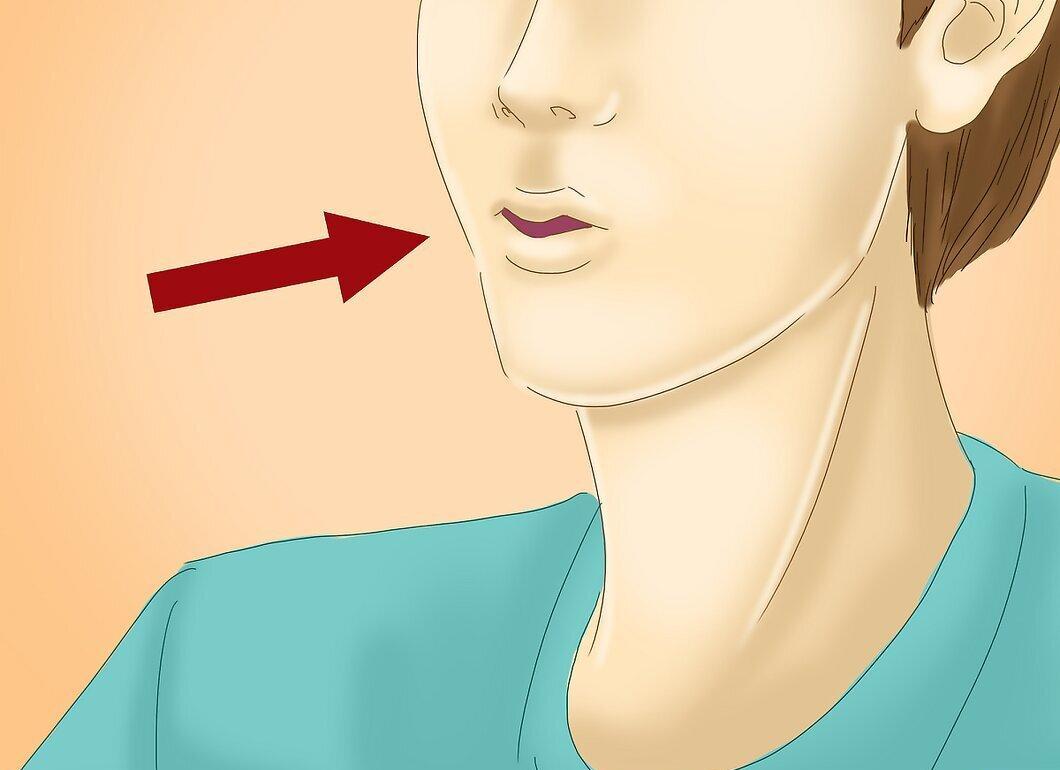
Pay attention to your diction and pronunciation style. Actors must speak clearly and confidently. Use video recording to analyze your voice and identify unclear phrases. Practice pronouncing words at varying volumes and speeds so that each word sounds assured and convincing.
- Read a monologue or text aloud without acting out emotions. Focus on clarity and articulation, as well as maintaining a steady pace. Read as if it were a lecture.
- While reading, stand up straight, roll your shoulders back, and lift your chin for free breathing.[3] X Source
Step 4: Experiment with One Phrase Using Different Emotions.
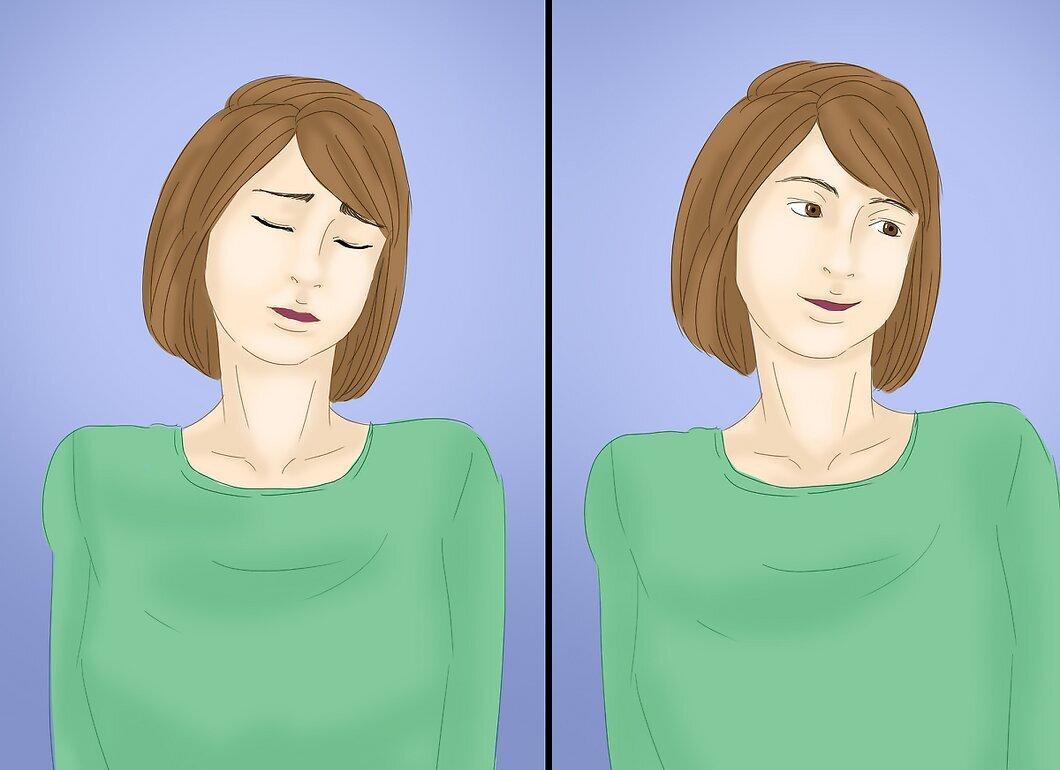
Use the same phrase to practice expressing different emotions. Acting requires demonstrating a wide range of feelings, and it’s helpful to conduct emotional warm-ups. Take a basic phrase, like “I love you” or “I completely forgot about this,” and rehearse it with various emotions: happiness, anger, sadness, etc. Practice in front of a mirror or record yourself to monitor your facial expressions and intonation.
- Make a list of emotions you want to work on. Which ones come more easily than others?
- Increase the difficulty by attempting smooth transitions between emotions. For example, imagine a joyful person suddenly receiving bad news.
- For inspiration, watch videos featuring Patton Oswalt and David Byrne discussing facial expressions of emotions.