Ever wondered how some players rack up unbelievable scores on the local pinball machine? Don't worry! With a specific set of skills and a basic guide, you too can become a 'Pinball Wizard' in no time.
Part 1
Step 1. Watch and Listen to the Game.
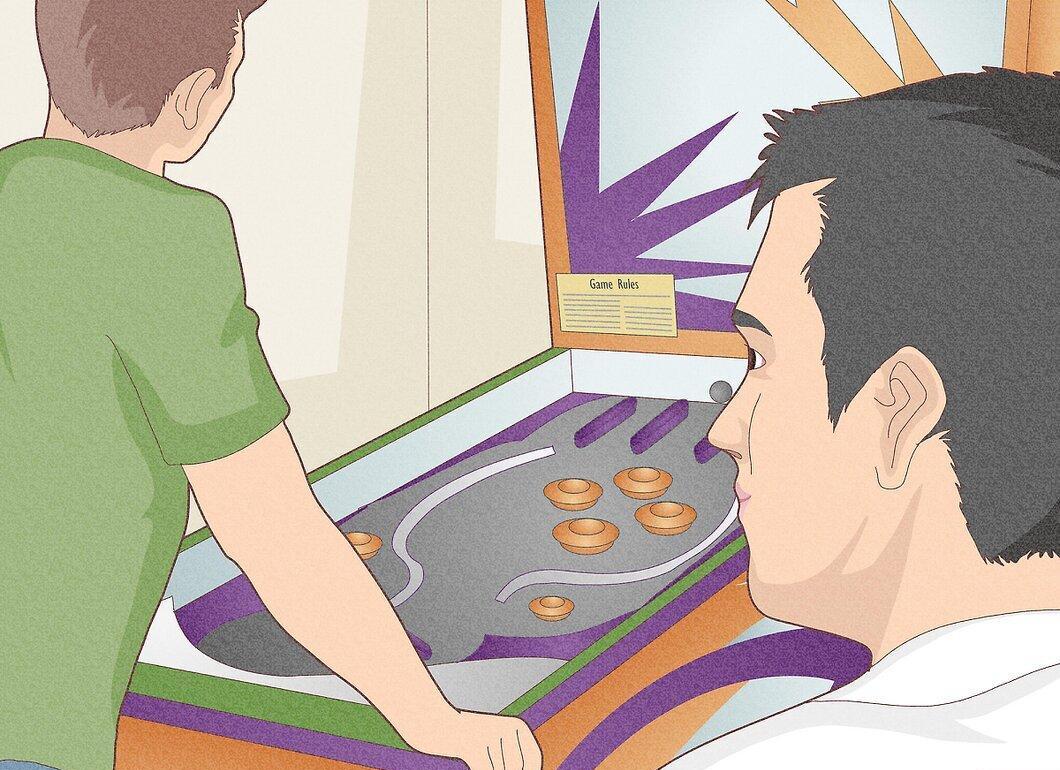
Watch and listen to the game. To maximize profits, operators need as many players as possible. This means the last thing anyone in the industry wants is for players to walk away from the machine confused and frightened because they couldn't figure out what they were doing. To combat this, machines today give players plenty of instructions. However, some novice players don't pick up on this and easily miss hints from the game. So, while you play, keep an eye on and listen to the machines.
- "Staring" means looking at the display. Most games since 1990 tell the player what to do next. Also, be attentive to the lights on the playfield: often, if you don't know what you're doing, just hit a target lightning fast.
- "Listening" means just that. Pinball machines have been talking since the late '70s, and they can verbally inform the player about things happening in the game. Even sound effects are designed to give hints to the player. Start paying attention to the sounds of the game that correspond to what you're doing, and you'll start to communicate. This is not trivial: often the sound tells you something like, "Hey, I'm about to hit the ball really hard: be ready!"
Step 2. Learn the Rules.
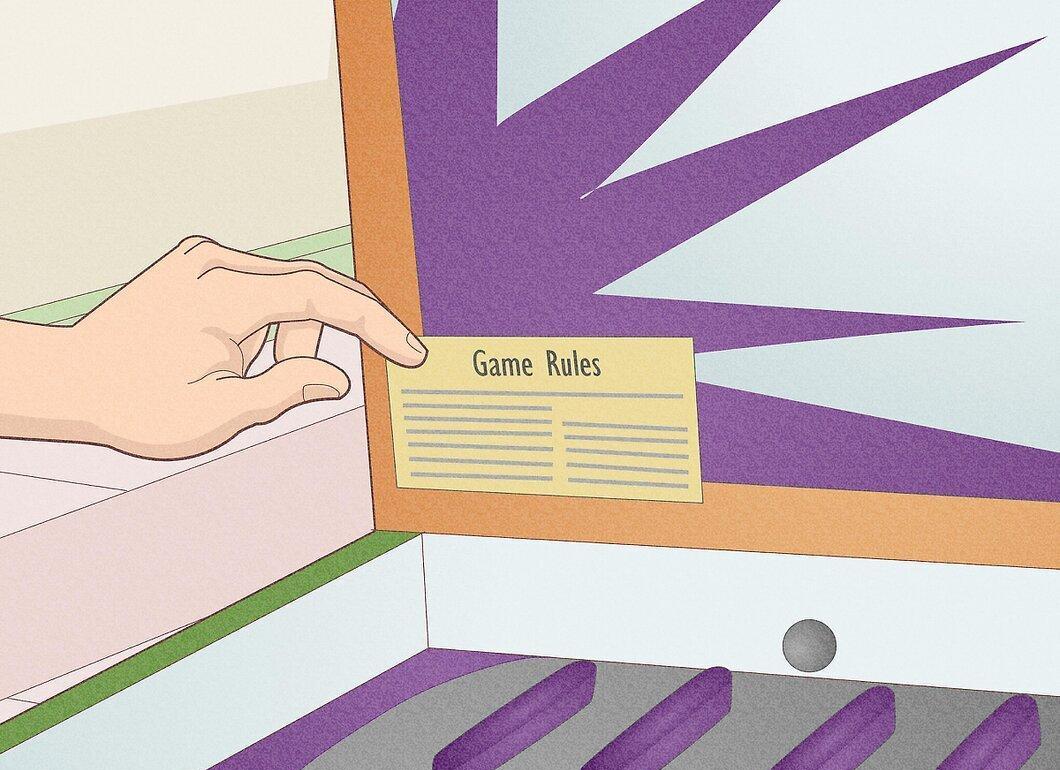
Learn the rules. The best players in the world don’t just control the ball, nudge, and aim. Most modern machines have complex game rules, and understanding them is key to scoring high. For instance, many old pinball machines feature features and other scoring opportunities that can be "stacked" - meaning two or more functions can be activated simultaneously, according to Pinball Archive.
Step 3. Establish a Basis for a Light Hit.
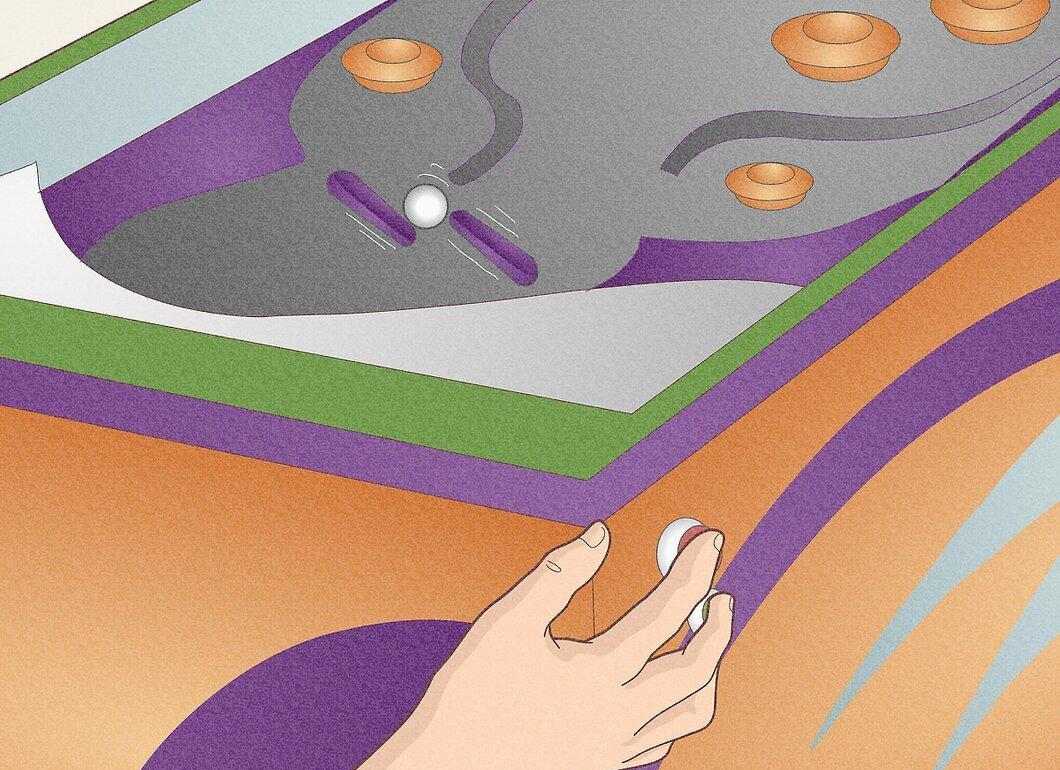
Establish a basis for a light hit. There's always an element of chaos in pinball, and only a few balls enter the playfield, which is completely out of the player's control. This critical space determines the level of the player's skills, namely - gaining control over the ball. There are many professional skills, but let’s start with the basics:
- Don’t flip both flippers. Only flip the one you need. Flipping both at once sometimes leads to "drain" (losing the ball) when you don’t want it to.
- After you flip, bring the flipper down immediately. Letting it stay up creates a large gap for the ball to fall.
- Overall, don’t flip more than necessary. As you’ve understood, this route is shorter than it may seem at first glance. Once you let go, you’ll notice that you hold the flipper at the right time, and you can bring the ball to a dead stop. Great! You now know how to "catch" the ball. This is a critical element of good play. When catching balls, stop and think about what shot you want to try to hit your target. There are other things available to a professional player that we’ll discuss.
- Some machines have more than two flippers. Before you start, make sure you’ve located all the flippers on the specific machine, and now that all the balls are near you, you’re ready (Note that some machines have more than two buttons). Some have additional buttons on one or both sides that perform special functions that appear at various moments in the game. Some have lock buttons located on a metal rail above the glass, closer to the player. Some have more than one piston.
Step 4. You Need to Aim Well.
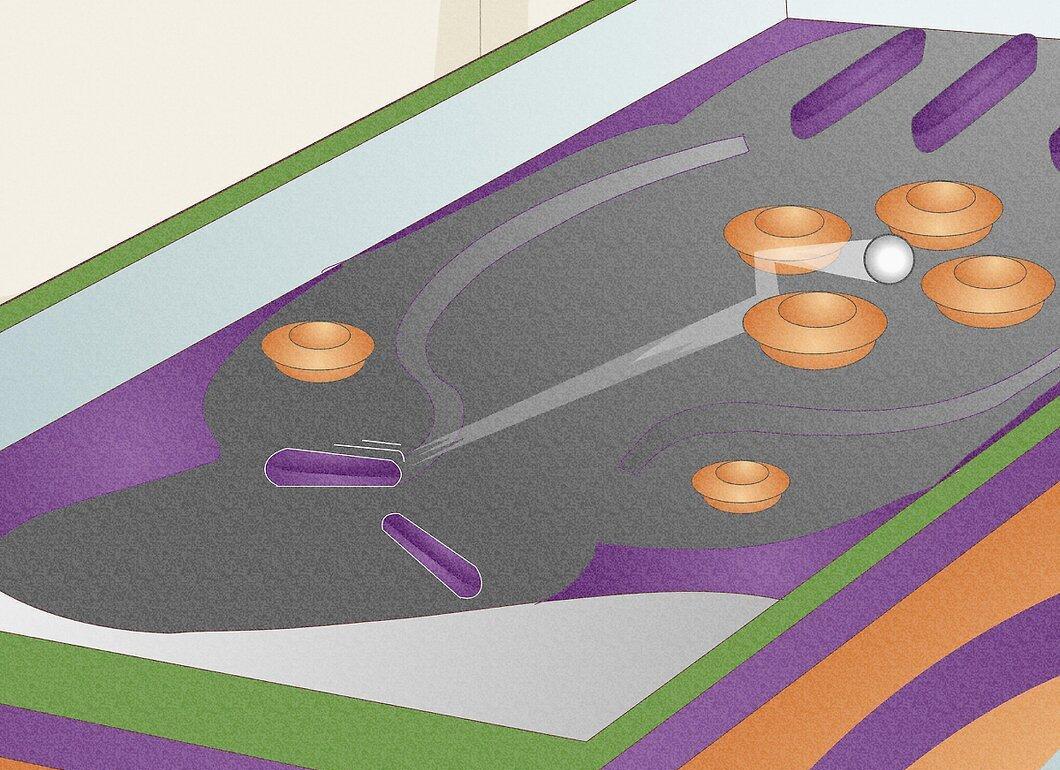
You need to aim well. Now, you need to take note of how you can send the ball to stop it consistently, and you’re learning what shots to apply for that. Excellent. Now you need to learn how to hit consistently. The most important rule of targeting is that the closer the ball is to the tip, the more it will fly to the opposite side. For example, let’s say you hold the ball on the left flipper. You release the flipper and let the ball spin down. If you let go too quickly, you'll send the ball further to the left. If you let the ball spin down a bit toward the tip of the flipper, it will fly strongly to the right.
- This is where learning starts to slowly turn into instinct. While the aforementioned and other rules are accurate, the truth is, here you will need to start "training" the machine - in which direction and with what force the ball goes in combination with when and how you understand everything about the individual machine. Even two identical machines can play very differently depending on a wide range of physical factors: how strong the flippers are and what angles they are at, how clean the machine is, etc.
- Targeting is a combination of knowing the general physical rules of pinball and understanding the specifics of the machine in front of you. If you shoot a ramp on a machine, and it’s similar to one you usually play, but the ball goes early, adjust yourself and shoot later next time. You’re not playing against other players; you’re playing against the machine, and also with the machine.
Step 5. Nudge and Tilt.
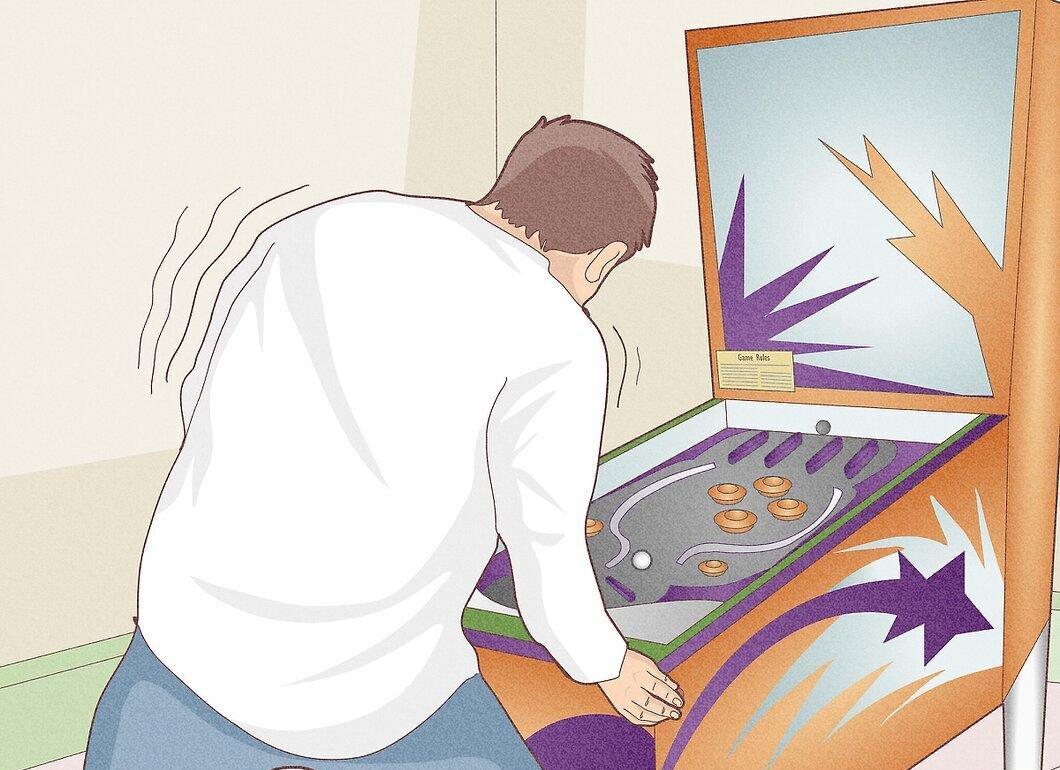
Nudge and tilt. Don’t hesitate: a certain amount of nudging is considered completely fair play, and doing it right can often save a ball that might otherwise be lost.
- More than just aiming, when and how to nudge is an art form. Even among experts, no two players approach this with the same philosophy. Some are aggressive, some passive, some calculated, and some wild. It’s important to remember that machines do have tilt sensors, and if you nudge, it will not only affect the ball, but in most games, you will lose all bonus points you may have accumulated; in some cases, this bonus can be quite substantial.
- Most modern games also warn you that you’re nudging too hard. Take these warnings seriously. Thus, to slightly tilt the machine, sometimes at the moment you get your first warning, you’re already doomed, as when you tilt the machine, it will bounce back and forth and hit the surrounding ring, even if you've stopped, fully touching the machine. More often, however, you’ll receive your warnings that adjust the ball’s course. From two to three warnings can be given.
- Don’t hit the coin slot in frustration. Really, don’t take it out on the machine: these are expensive games, and most operators don’t fix them as often as necessary, and it’s just antisocial. But to add to this, many games from the '80s and '90s have tilt sensors on the front door. If they go off, your game automatically ends.
Step 6. Refine Your Position.
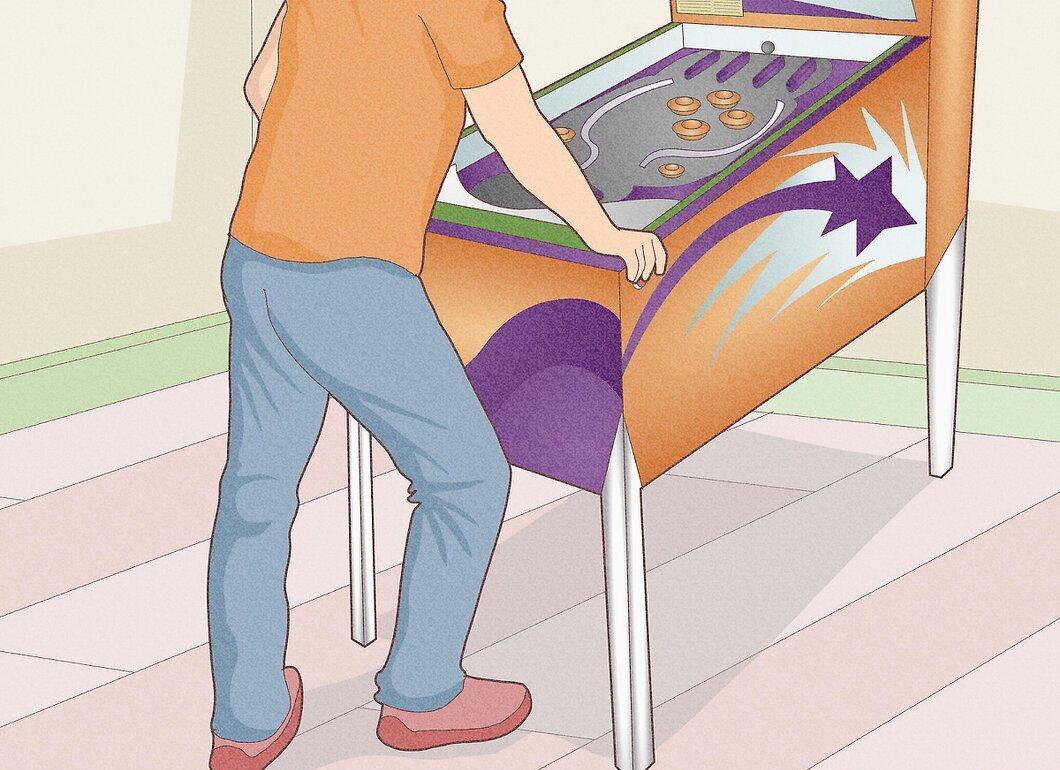
Refine your position. We’ve talked about how you play, but how do you stand? What’s the best way to assume the right posture when you hit? Again, there’s no one standard here. Many players just stand upright, sometimes leaning slightly toward the machine. Some lean more. Some put one foot far in front of the other. Others cross their legs. And some even do the “Karate Kid” and stand mostly on one leg, seriously. Additionally, some players wear gloves to prevent carpal tunnel syndrome. Some play sitting down. Some small players stand on a milk crate. Some play with an iPod or a cigarette in their mouth. One player used to play regularly in a miner's helmet. Whatever works for you.
- First, the position you choose should be one where you can feel comfortable for extended periods. A good game can last 15-20 minutes. An epic game can last several hours. Make sure whatever you choose is comfortable, so you’re not thinking about it.
- Second, ensure that your body is physically centered enough that you can push the machine forward without losing your balance. A pinball machine weighs about 300 pounds; applying the right amount of force will give you more physical accuracy than you think.
- Finally, don’t worry about what others think of your style. When the ball is moving, you might subconsciously hit all sorts of awkward poses, but as long as the game is on, a jackpot is a jackpot. Do what works for you.
Step 7. Join a Pinball League.
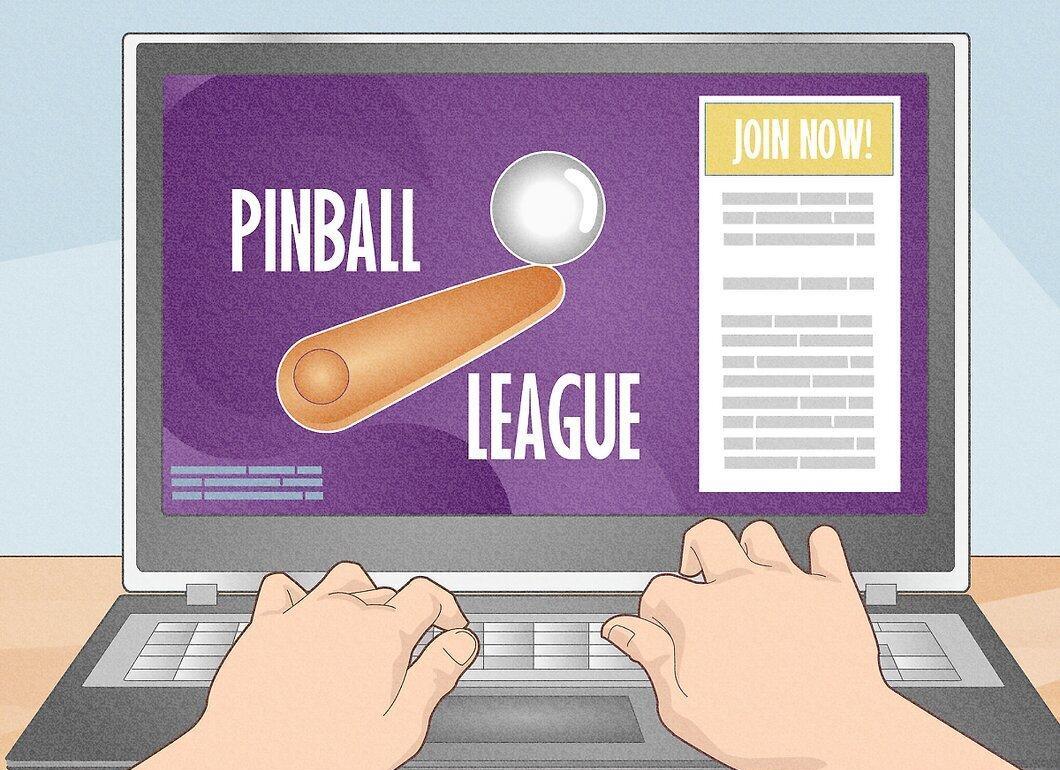
Join a pinball league. "What? A pinball league? They exist?" Yes, quite a few of them do. Pinball leagues and tournaments have existed for decades, despite minimal media coverage. Various websites inform about them coming and going. Much of what you’ll learn will come from simply watching how others play and picking up ideas. There are also all kinds of online communities; almost every major social networking site that includes groups or forums has at least a few communities. However, what may still be the best gathering place is in the ancient land of Usenet, in the rec.games.pinball newsgroup.
Step 8. Enjoy It.
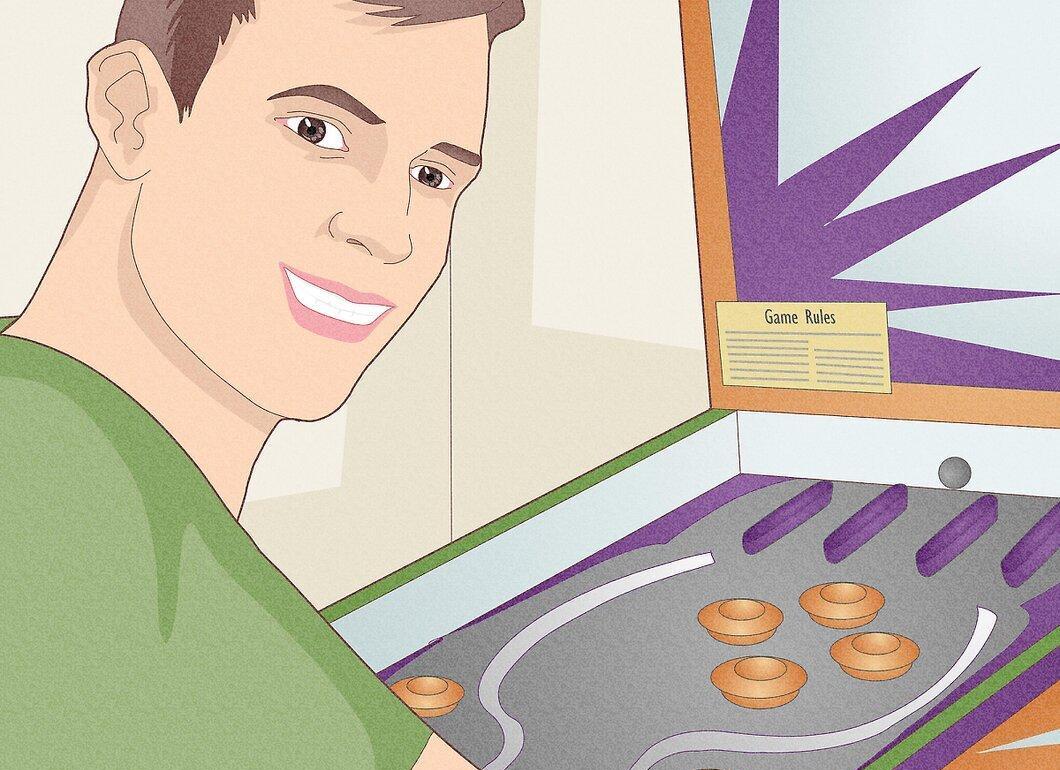
Enjoy it. Like any game, the ultimate goal of pinball is to have fun. Sometimes, you may need a reminder of this. Pinball is incredibly fun when you’re playing well. When you’re not, or when the game just isn’t working for you, it can be quite challenging. Learn early when you’re just having bad luck, and when it’s simply time to walk away and come back for another round another day.