Starting a fire without matches or a lighter can be a true test of skill. Sometimes, even after rubbing two sticks together for ages, you might end up empty-handed. Fortunately, compact magnesium ferro rods are readily available and can be found at any outdoor or sporting goods store. While most people can successfully ignite a fire using this tool, there are several important tips to keep in mind before you start practicing.
Preparing for Fire Starting
Step 1. Find the Right Spot for Your Fire.
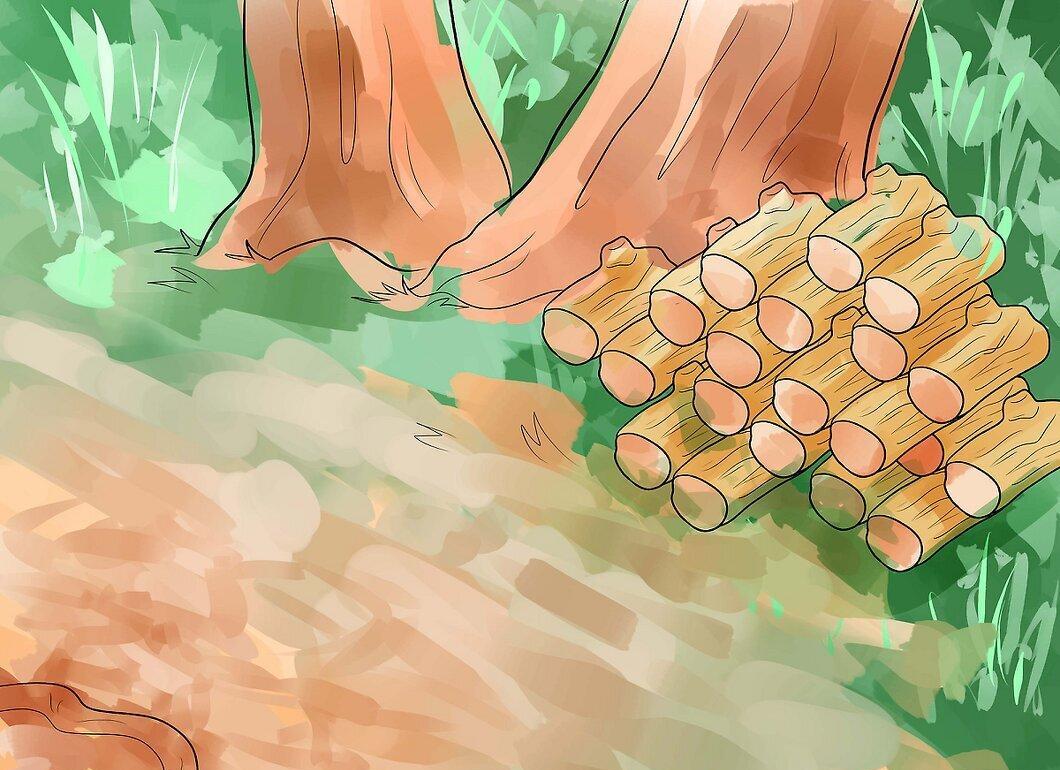
Choose a safe location for your fire. Starting a fire requires caution, and not all places are suitable for this purpose.
- Try to find a sheltered area that is protected from the wind. Wind can hinder your fire or even spread it uncontrollably. Look for windbreaks for added safety.
- Make sure your spot is close to fuel supplies (like firewood). Fires can escalate quickly, and carrying heavy wood from a distance would be impractical.
- Select a location where the risk of fire spread is minimal. It's best to find a spot with little to no grass, away from trees and shrubs.
Step 2. Prepare the Fire Pit.
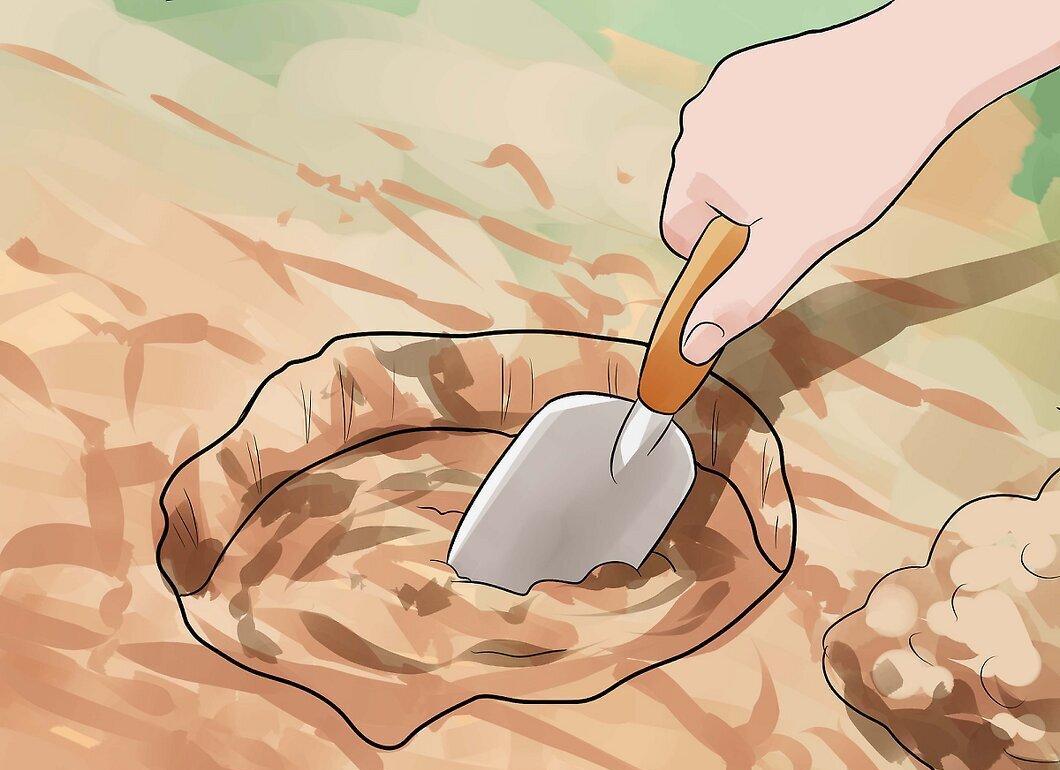
Create a safe fire pit. To prevent the fire from spreading, clear the area around the spot where you will start your fire.
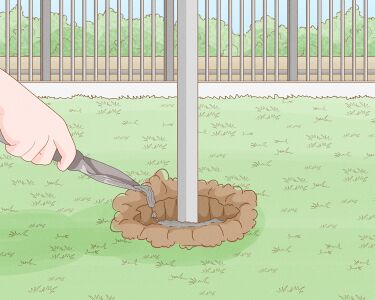
- Dig a small depression for your fire pit — this is one of the simplest ways to control the fire. Ensure that the depression is wider than your fire to reduce the risk of igniting grass.[2] X Source
- Alternatively, you can build a fire mound, popular among campers and outdoor enthusiasts.[3] X Source Start constructing a mound from dirt or sand, making it wider than your intended fire to elevate it above grass or other vegetation.
- If there's no wind protection, create a windbreak for the fire. An old log can help shield the fire pit from gusts. Ensure that any flammable materials are kept at a safe distance from the fire to prevent ignition.
Step 3. Gather All Necessary Materials.
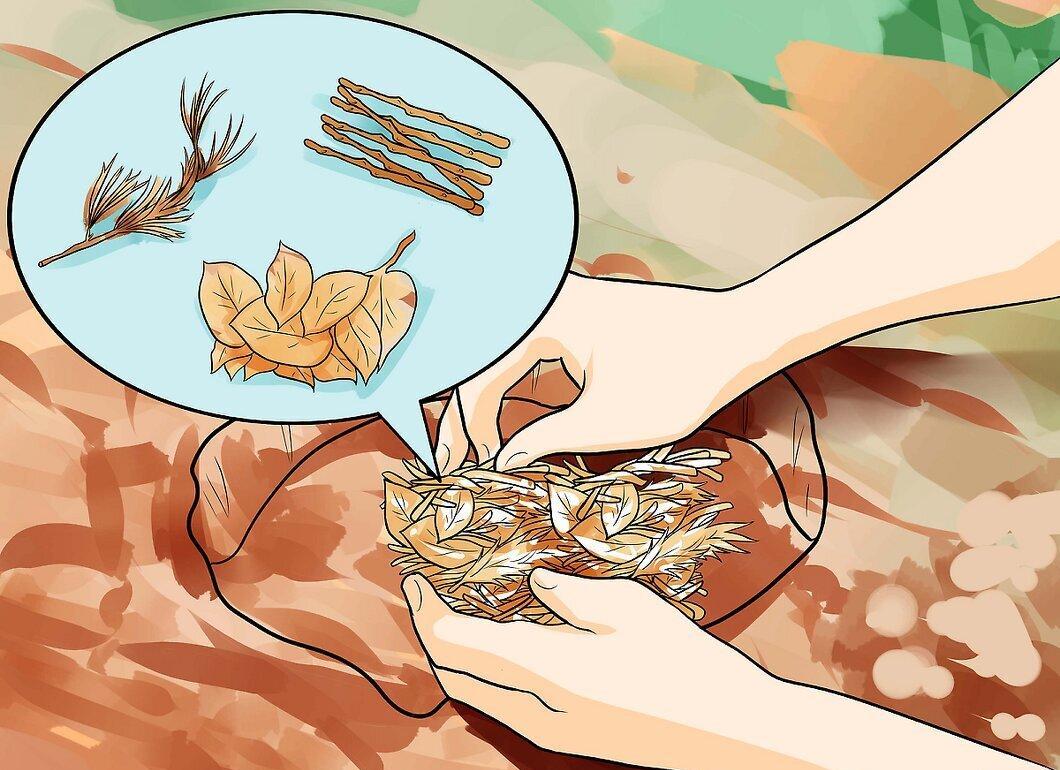
Collect all the materials you need and arrange them conveniently. If you've chosen the right spot, there should be enough fuel for starting and maintaining the fire. But this is just one part of the necessary steps.
- Don’t attempt to ignite large logs right away. Start by gathering tinder from dry materials: leaves, pine needles, and small twigs.
- Also, gather kindling and medium-sized branches (about the size of an adult's finger). The fire will catch quickly, and you need to have extra materials on hand to keep the flames going. Prepare them before you start the fire.
How to Start a Fire with a Ferro Rod
Step 1. Scrape the Magnesium Rod.
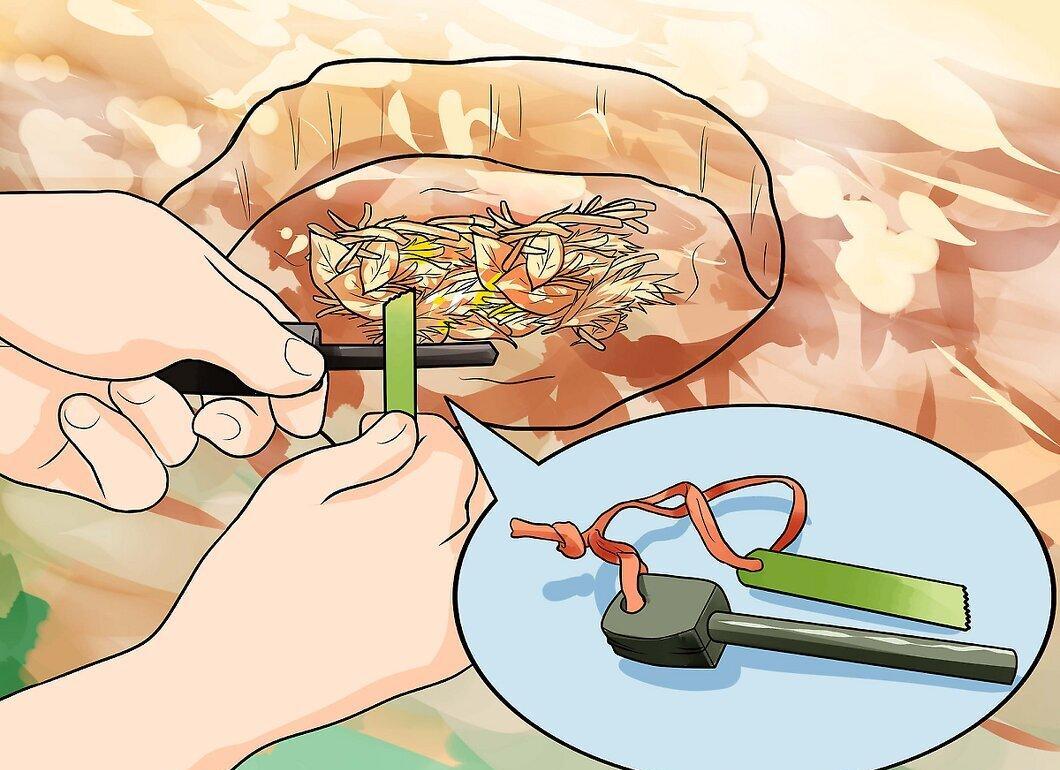
Begin by scraping the magnesium rod. This amazing camping tool is an essential item for survival situations. Magnesium is highly flammable, and under the right conditions, it can ignite at temperatures exceeding 2700 °C. With such heat, you’ll quickly produce a powerful flame.
- If you're using a knife, it's better to scrape with the back of the blade to avoid damaging it. Don’t try to shave pieces off the rod — small shavings are sufficient for ignition.
- Keep in mind that determining the right amount of magnesium for starting a fire can be tricky. If you take too little, you won’t be able to ignite it; if you take too much, you risk getting a fireball in your face. Start with a small amount and increase as necessary.
Step 2. Strike the Flint for Sparks.
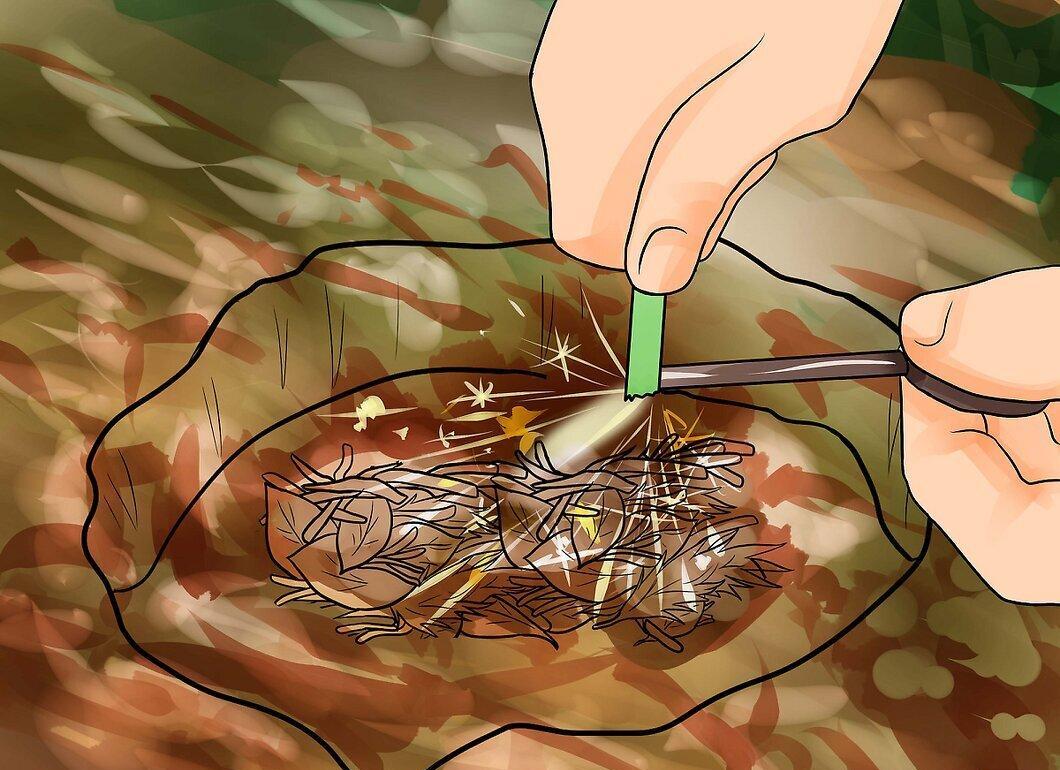
Strike the flint to create sparks. Typically, one side of the magnesium rod features a flint surface. Use your knife to generate a spark.
- The number of sparks depends on the force, speed of the strike, and the angle at which the blade contacts the flint.
- Don’t chop the flint. Gently glide the blade over the flint or, if you prefer, run the flint along the edge of the knife while holding it securely. This method can be safer.
Step 3. Help the Flame Grow.
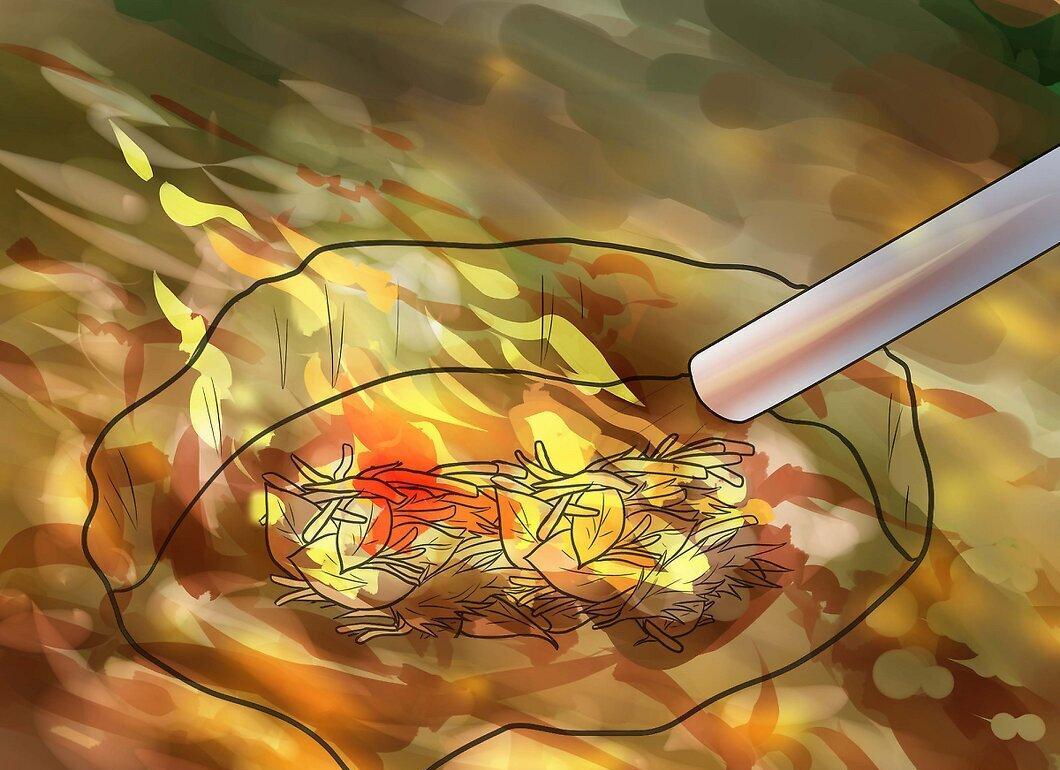
If the tinder ignites immediately and starts burning — congratulations! If it smolders and smokes, gently blow on it to help the sparks grow into a full flame.
Step 4. Maintain the Fire.
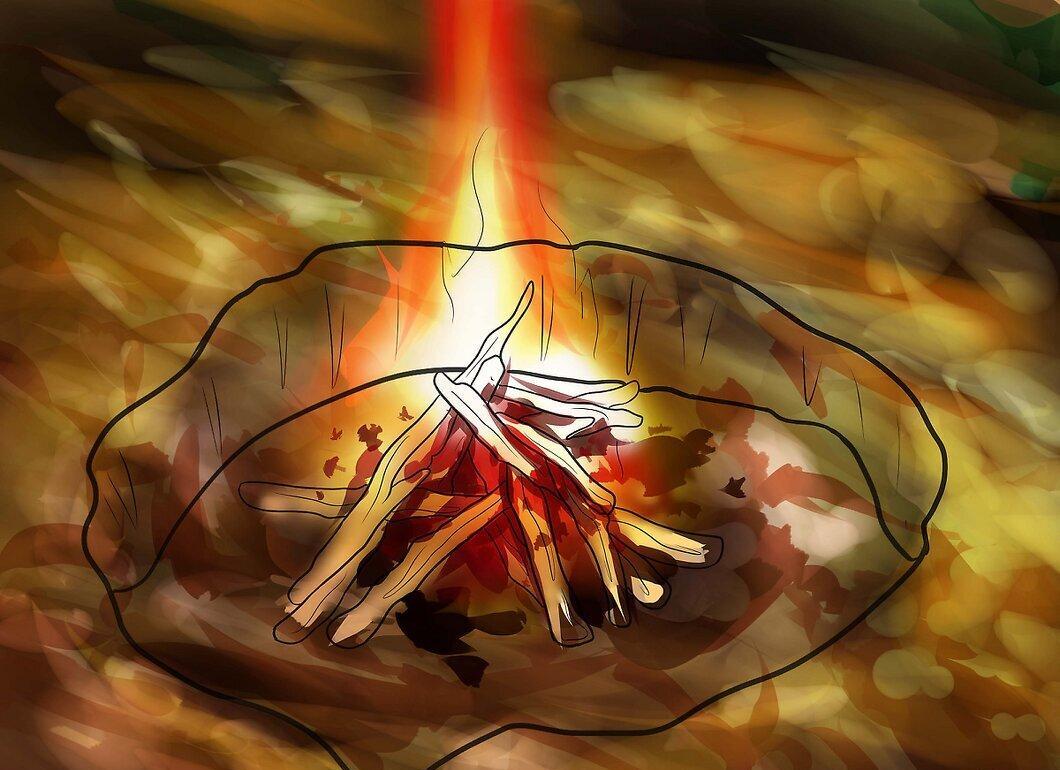
Once the fire is going, add larger branches. Keep the fire from burning too intensely, ensuring it doesn’t get out of control and that sparks don’t fly onto nearby flammable materials.
Step 5. Extinguish the Fire Before Leaving.
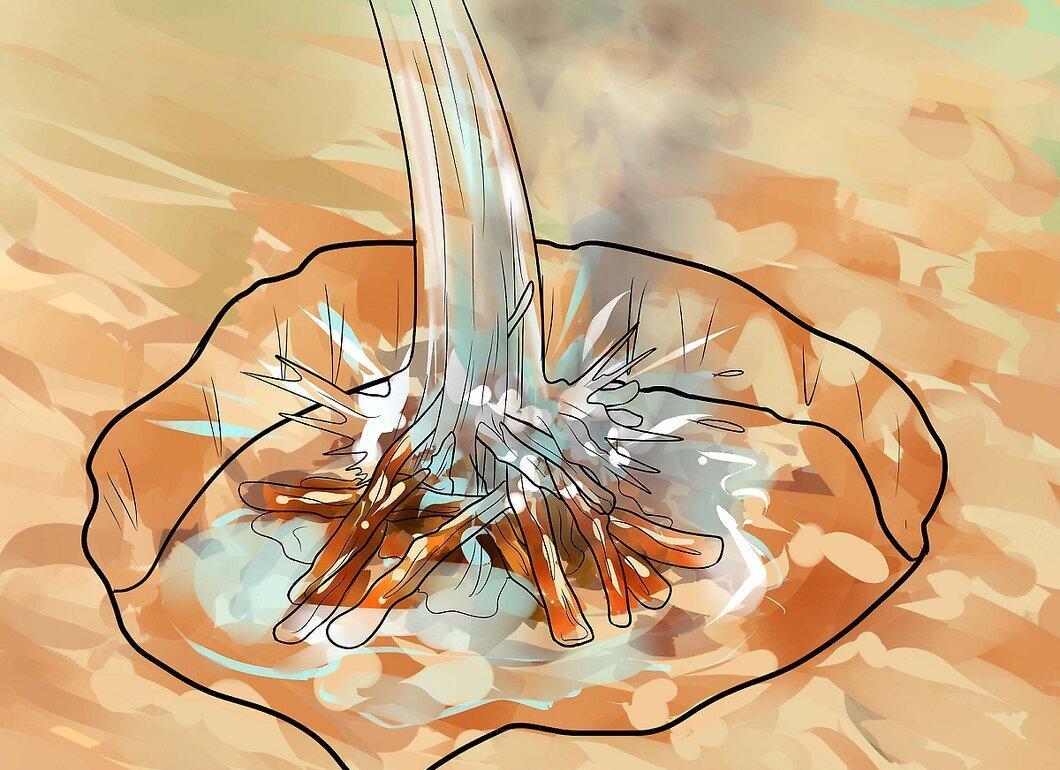
Before you leave, be sure to put out the fire. Douse it with water and stir the ashes to ensure all embers are completely extinguished.