If your water bills vary each month, it means your water consumption is being tracked by a water meter. This simple device, installed on your main water supply line, measures the amount of water passing through it. Utility companies use this data to calculate your bills, but you can also monitor the readings yourself to better manage your expenses. By learning how to accurately read your water meter, you can conserve water and reduce your bills.
Part 1
Step 1. Locate your water meter.
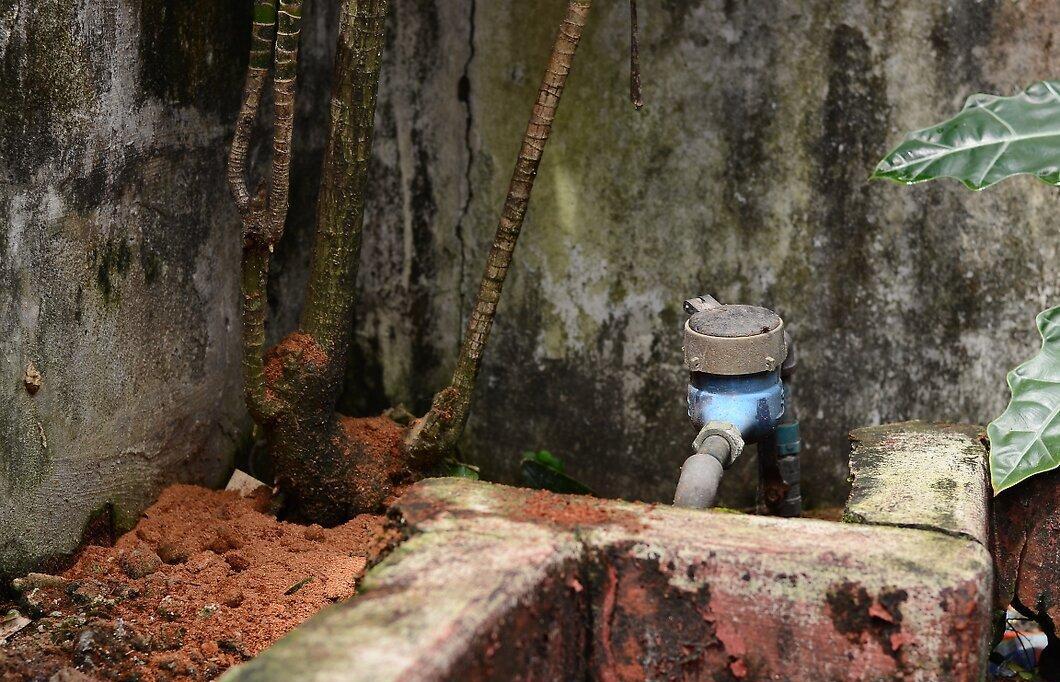
First, determine where your water meter is located. If you live in a house, it’s likely situated in a pit outside, in front of your property. Typically, this is a concrete pit with a cover. If you live in an apartment, the meters are usually found in a designated area, such as a closet or bathroom. If water costs are included in your rent, the entire building may be served by a single water meter.
Step 2. Remove the protective cover if present.
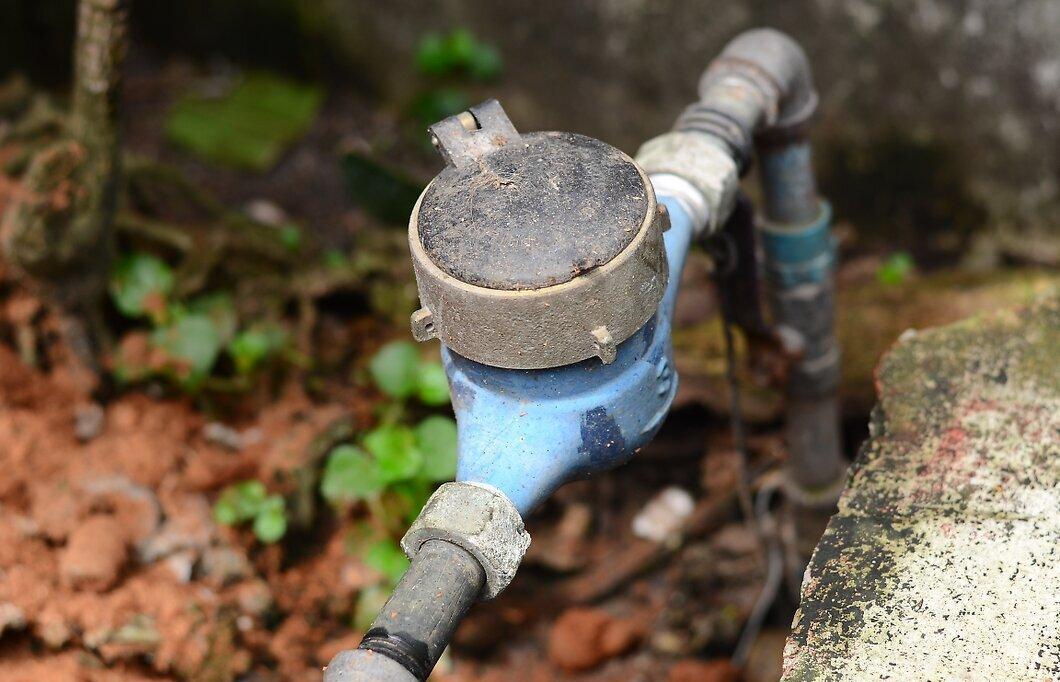
If your water meter has a protective cover, carefully remove it. If the device is in a concrete pit, the cover may have several holes. Use a screwdriver to pry the cover off through one of the holes, and then gently set it aside.
Step 3. Open the protective cap.
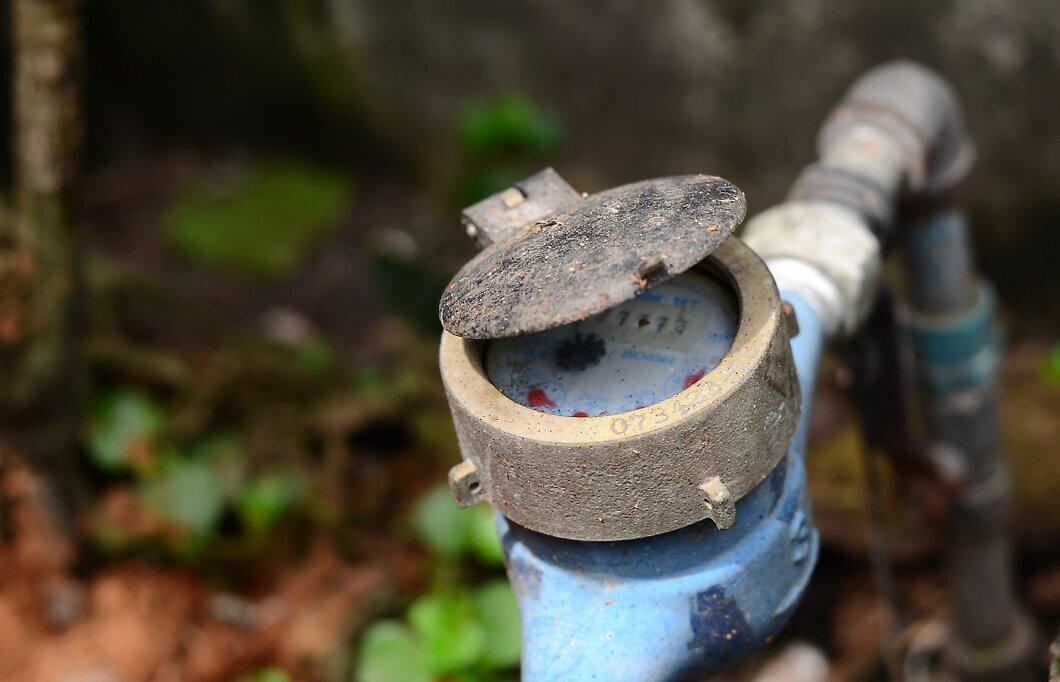
Take off the protective cap from the water meter. Often, these devices have a heavy metal cover to protect the dial. Flip the cap open on its hinges to access the reading dial.
Step 4. Read the water consumption.
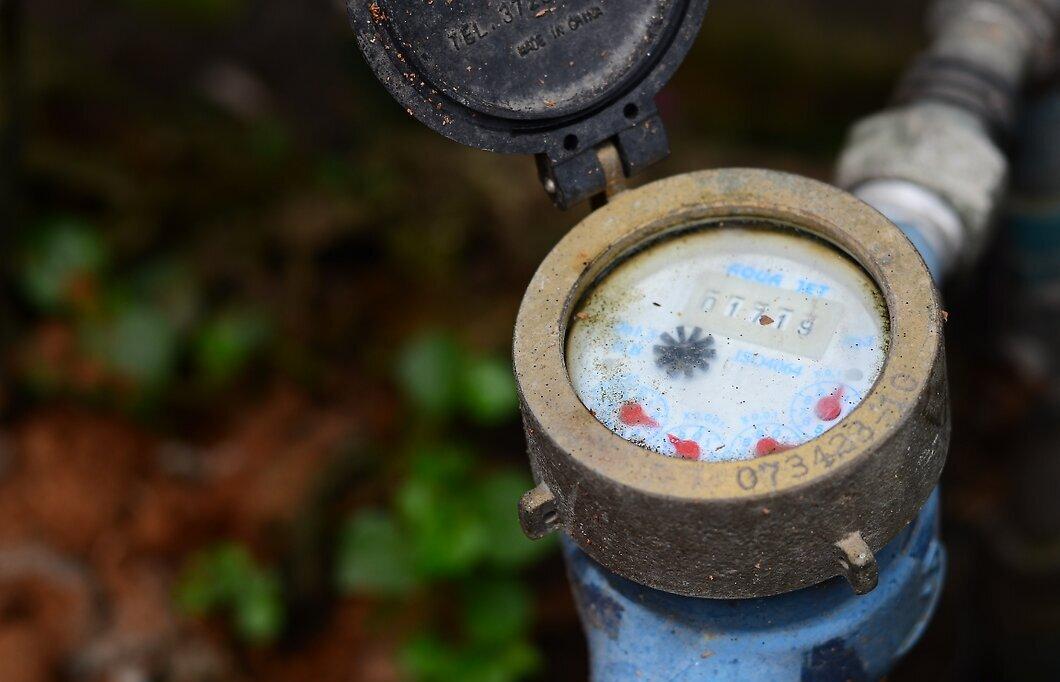
Carefully observe the water meter dial. You should see a large dial with a series of numbers indicating the volume of water consumed since the last reset. The units of measurement are usually marked on the dial and can be in liters or cubic meters. The dial rotates slowly during water consumption, so it’s not the most convenient option for instant readings.
Step 5. Measure water usage over a specific period.
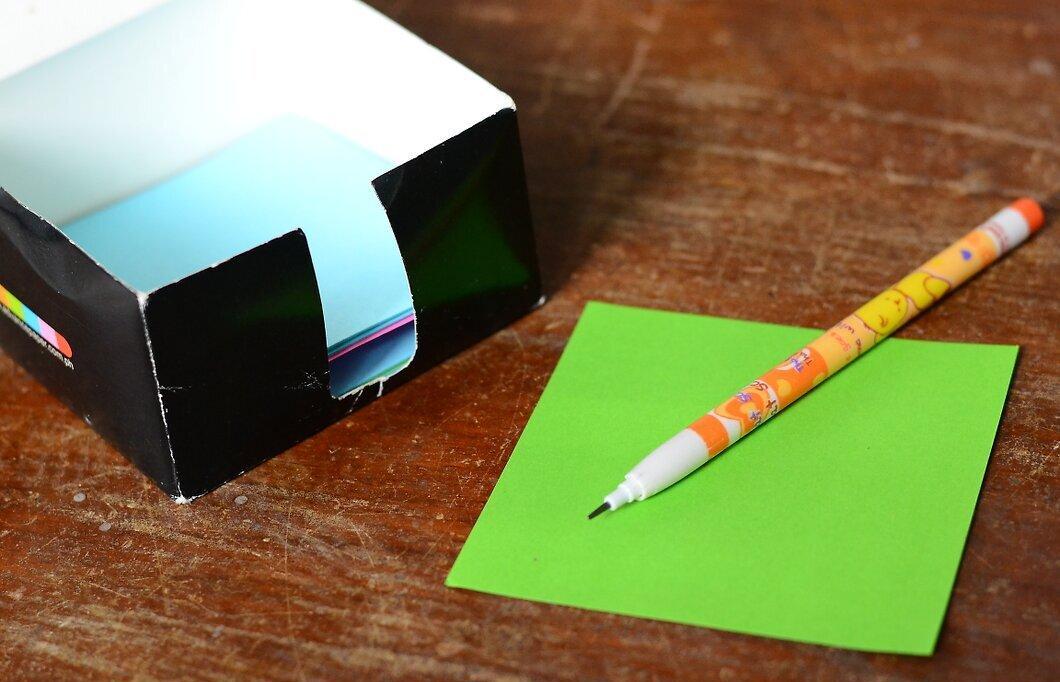
To find out how much water you’ve used over a specific period, record the current reading of the water meter. After a day, week, or month, take another reading. Subtract the first value from the second to determine how much water you used during that time. When comparing your figures to the billing data, keep in mind that utility companies may record readings on different days of the month.
Step 6. Calculate the cost of water consumption.
If you want to calculate the cost of the water you’ve consumed, you need to know the water rates. Check your bill to find information about the minimum unit; this usually states the price per cubic meter of water, which may vary depending on the volume consumed. Convert your readings to the necessary units and multiply by the established cost per cubic meter.