Heating your pool with solar energy can vary based on sunlight levels, the size and temperature of your pool, and how much dark hose you are willing to invest in. However, most pools can achieve a small but noticeable temperature increase using this method, especially when utilizing suitable materials like copper pipes.
Part 1
Step 1. Get a dark hose - a black rubber hose works great and is inexpensive.
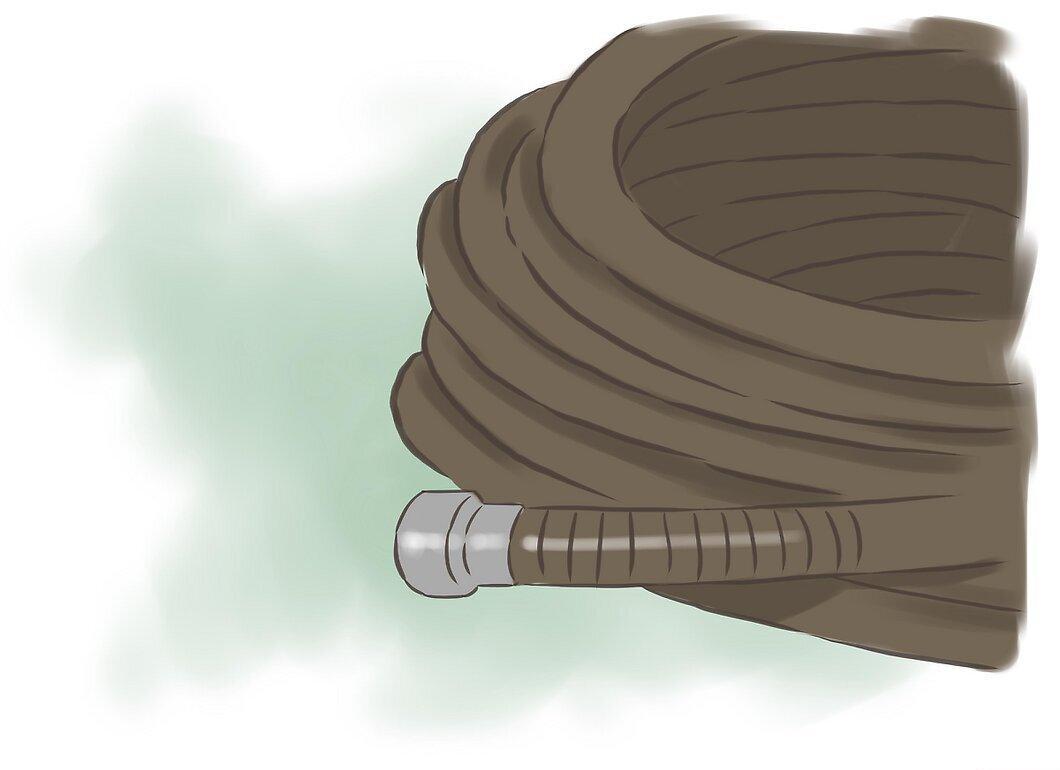
To start, you’ll need a dark hose, and a black rubber hose is an ideal choice due to its accessibility and cost. You can also use black garden hose, which has thin walls, quickly transfers heat, and is easy to bend. This type of hose can be found in most hardware stores.
Step 2. The wider the diameter of the hose, the more water will be heated.
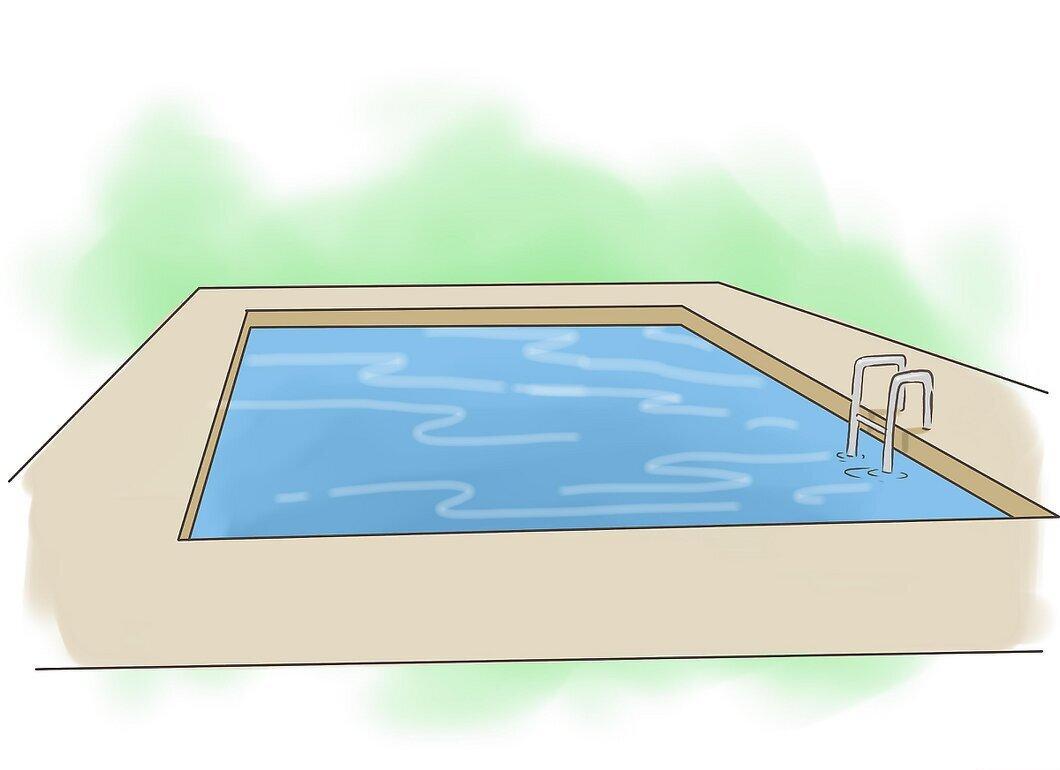
Increasing the hose diameter increases the volume of heated water too. You’ll need to determine how much hose you’ll require based on your desired heating level, the size of your pool, and its current temperature.
Step 3. Install multiple pipes in parallel to increase solar heat absorption.
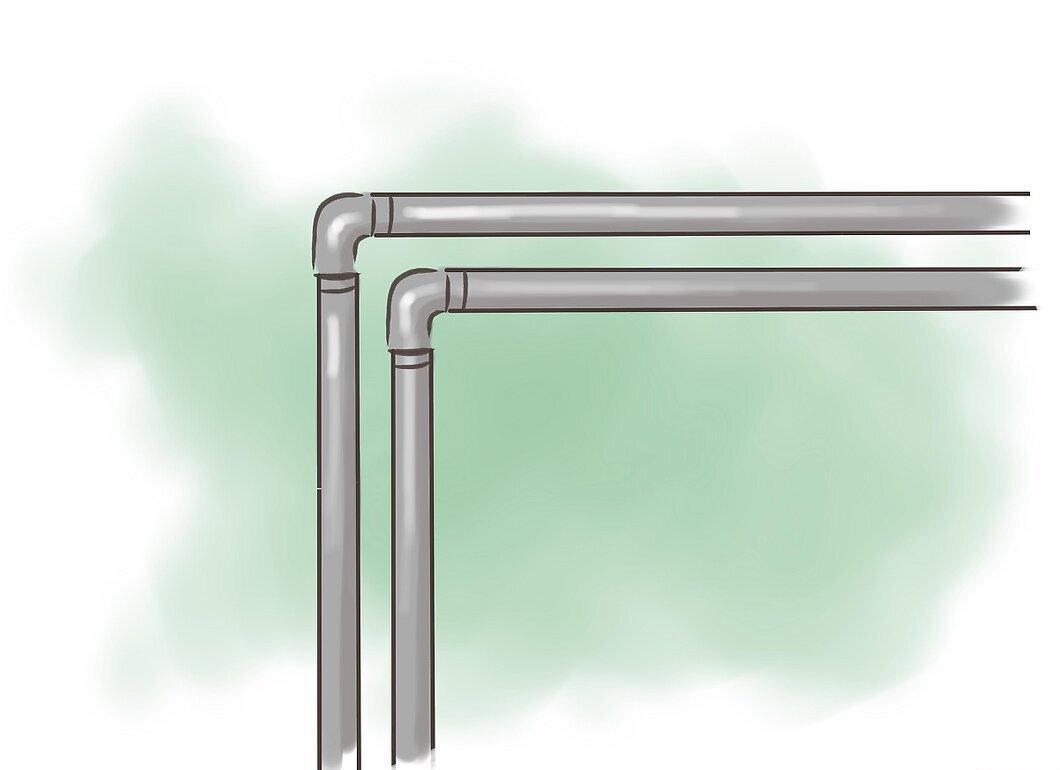
It’s recommended to install multiple pipes in parallel to enhance the efficiency of solar heating. Using one long hose may result in insufficient water temperature at the end, reducing heating effectiveness. The greater the temperature difference between the water and the heating element, the better the system will operate.
Step 4. Ensure your above-ground pool has a drain hose.
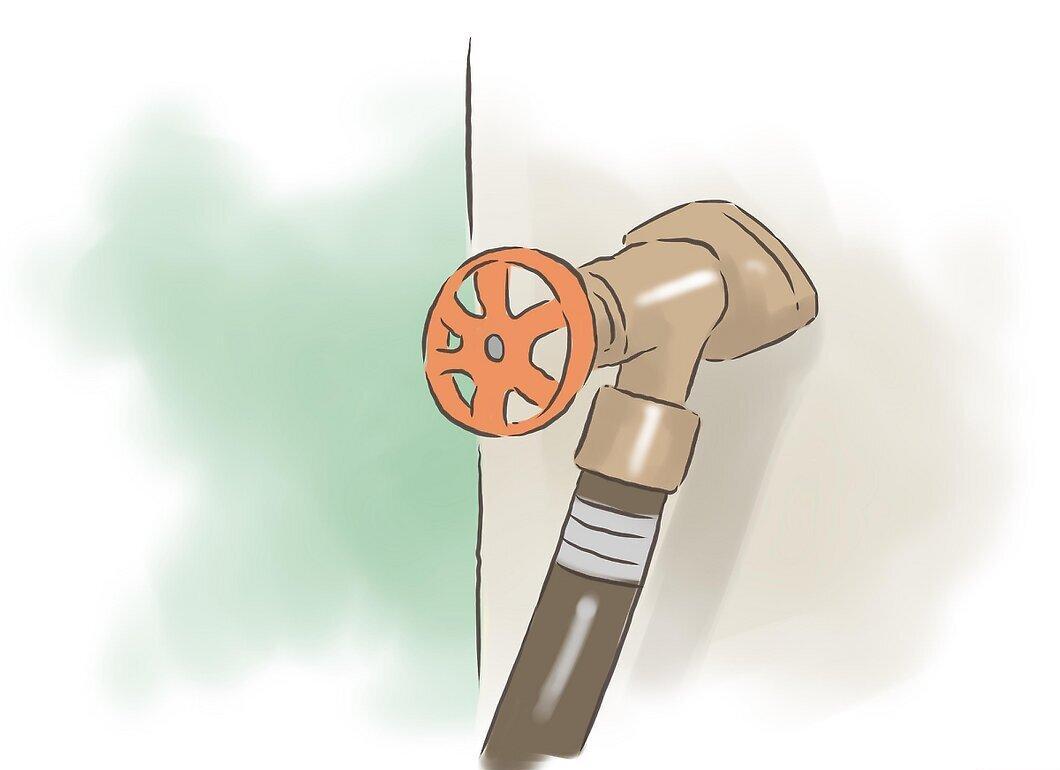
Most above-ground pools have a hose that allows for draining water. If you have such a hose, it can serve as a return flow for water into the pool. Otherwise, you’ll need a small pump for slow water circulation.
Step 5. Start with a hose that is 15.24 m or 30.46 m long and add more as needed.
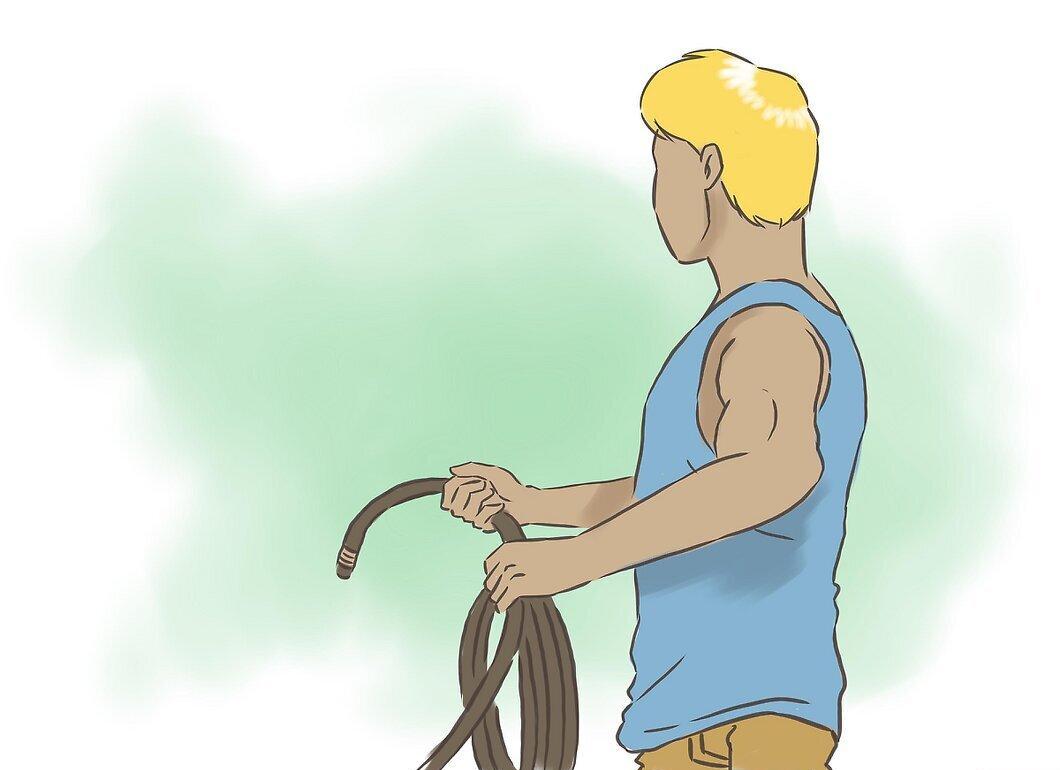
Step 6. Connect the hose so that it circulates water from the pool through the system.
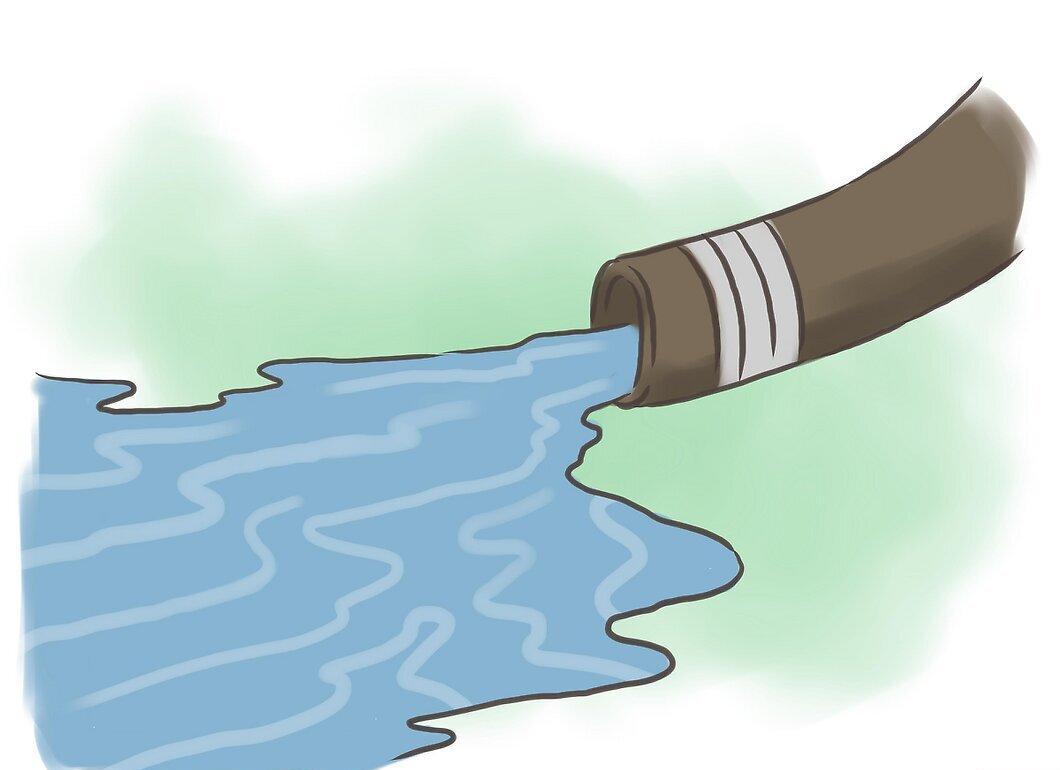
Step 7. Allow the water to circulate for a few minutes so it flows out of the hose, not remaining in the pipes.
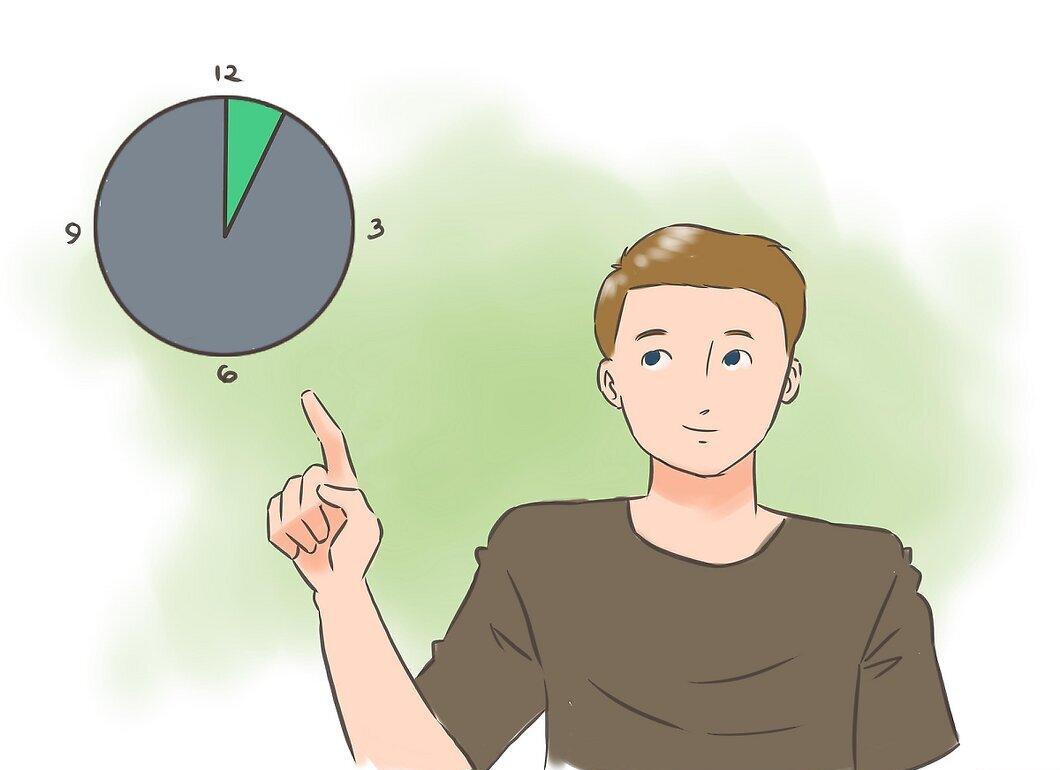
Step 8. Take measurements to determine how many pipes you need and what temperature increase to expect.
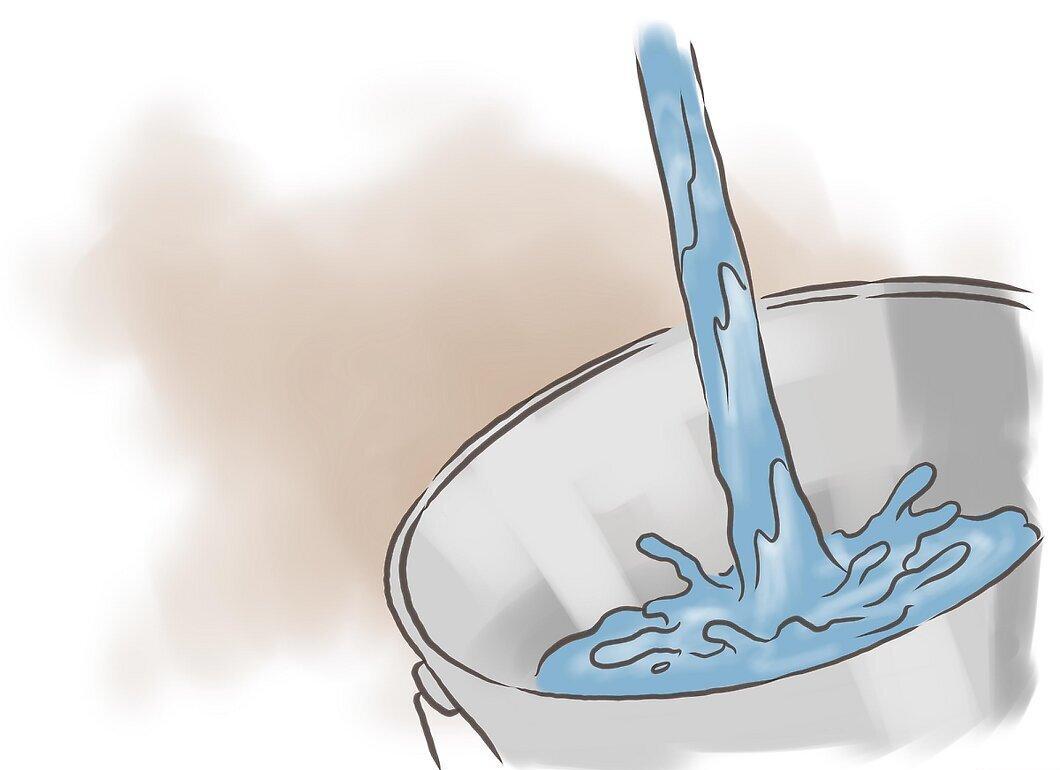
To find out how many pipes you need and the expected temperature rise, take measurements. You need to know how quickly the hose fills a 3.79 L container and the volume of your pool. Also, measure the temperature difference between the pool and the water coming out of the hose.
Step 9. Calculate how this method will impact the temperature.
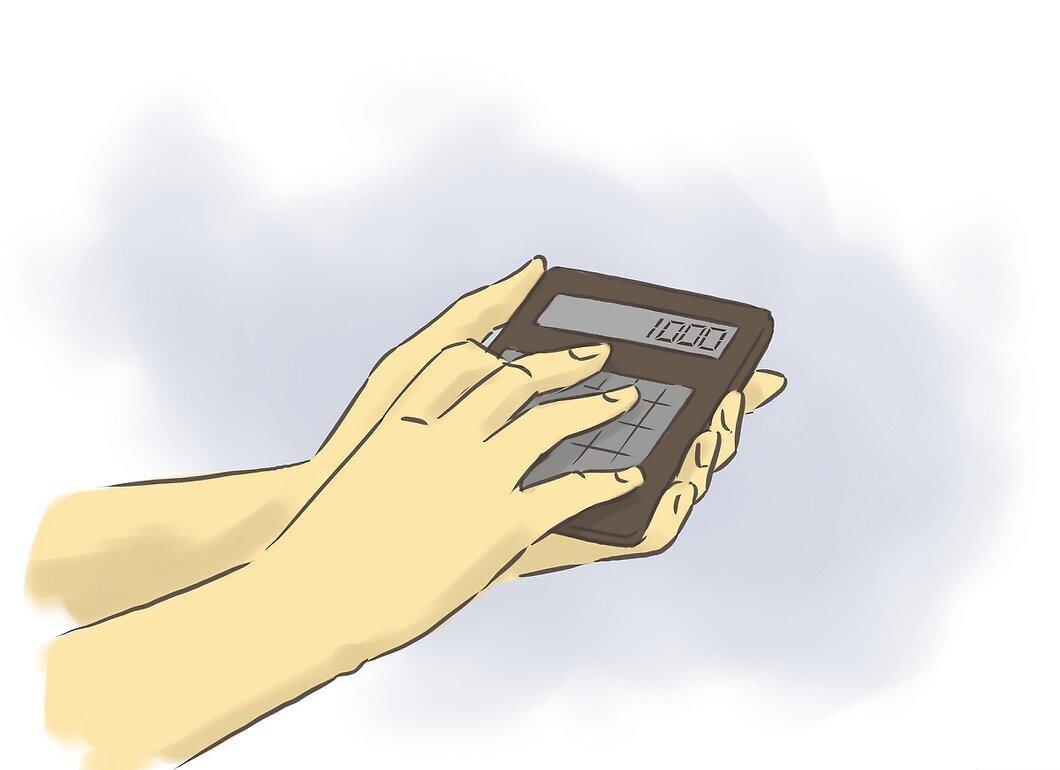
To assess the effectiveness of this method, divide the temperature difference by your pool's volume in liters. This will give you an idea of how many degrees the temperature will rise in the pool when one liter of water flows through the hose. For example, if the temperature difference is 10 degrees and your pool holds 18,927 liters, then the temperature will rise approximately 0.000528 degrees for each liter.
- To find out how long it will take to heat the water by one degree, divide the time it takes to pump one liter by the calculated temperature rise. For instance, if it takes 20 seconds, then 20/0.000528 = 37,878 seconds to heat by one degree.
- Divide this number by 60 to get minutes, then again by 60 to get hours—for example, 37,878/60 = 631.3 minutes, which is about 10.5 hours.
Step 10. Reducing the water flow rate makes the water hotter but increases heating time for the pool.
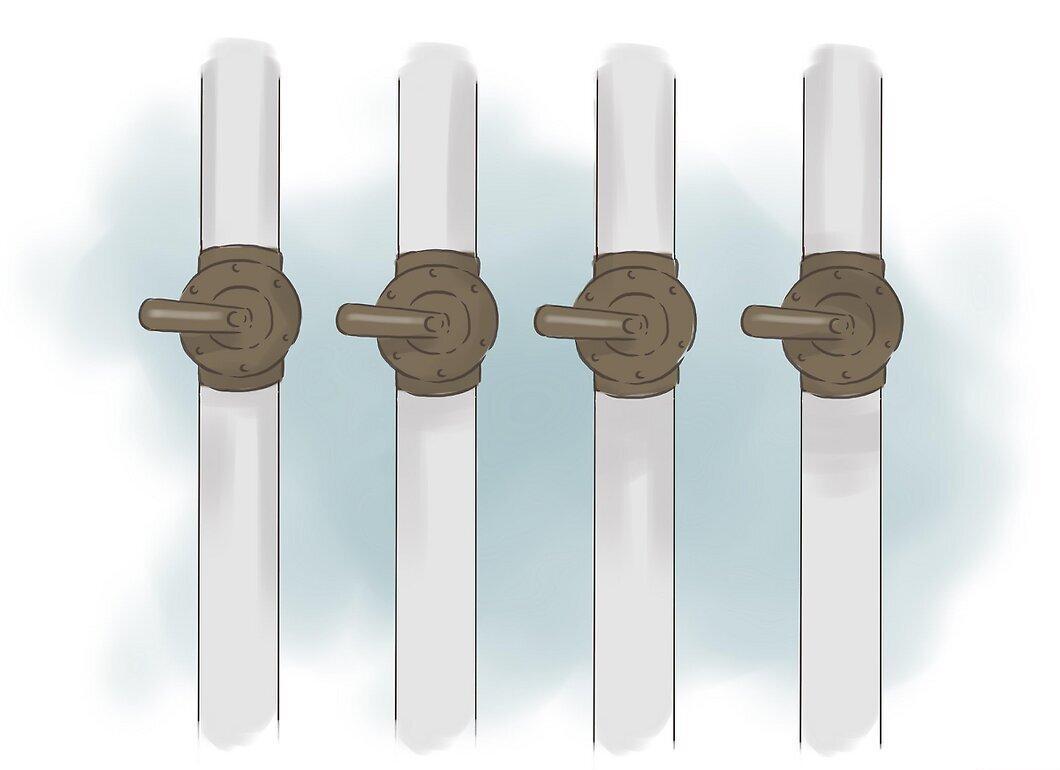
Lowering the water flow rate allows it to heat up in the pipes, but increases the time required to heat the pool. Adding additional pipes can help speed up this process.
Step 11. When installing a parallel pipe system over the pool, don’t forget the vacuum vent.
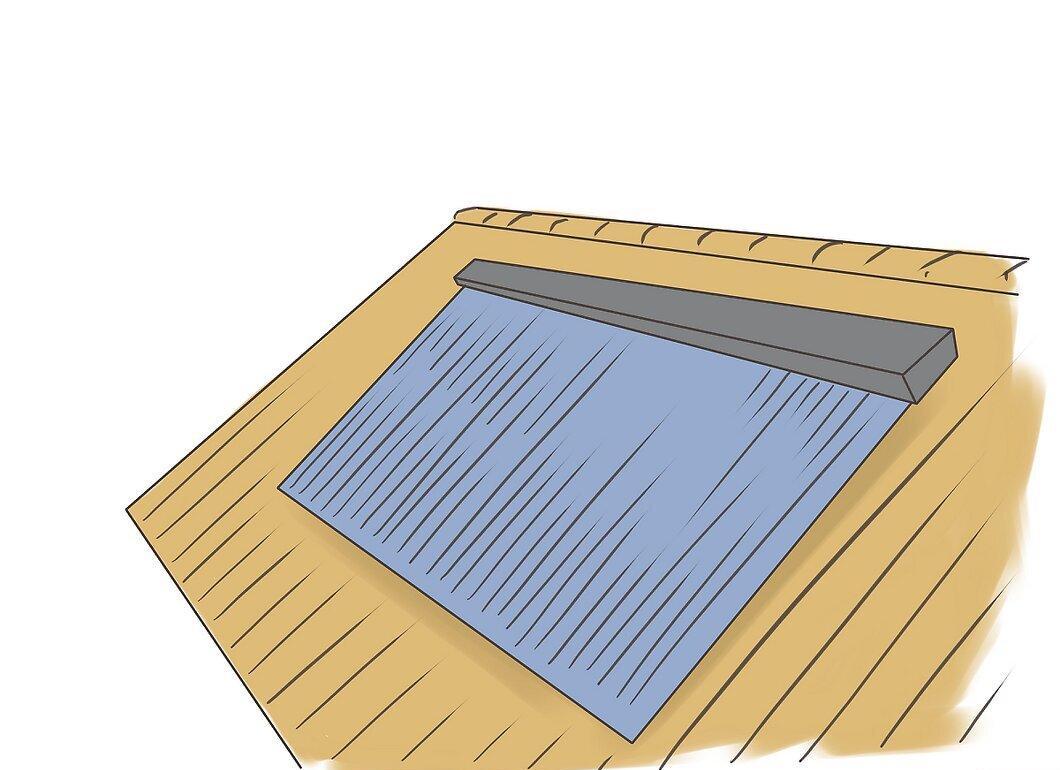
When installing a piping system over the pool, be sure to install a vacuum vent at the highest point to prevent a vacuum trap that would stop water circulation.
Step 12. Enhance solar heating by using a bypass in the basement.
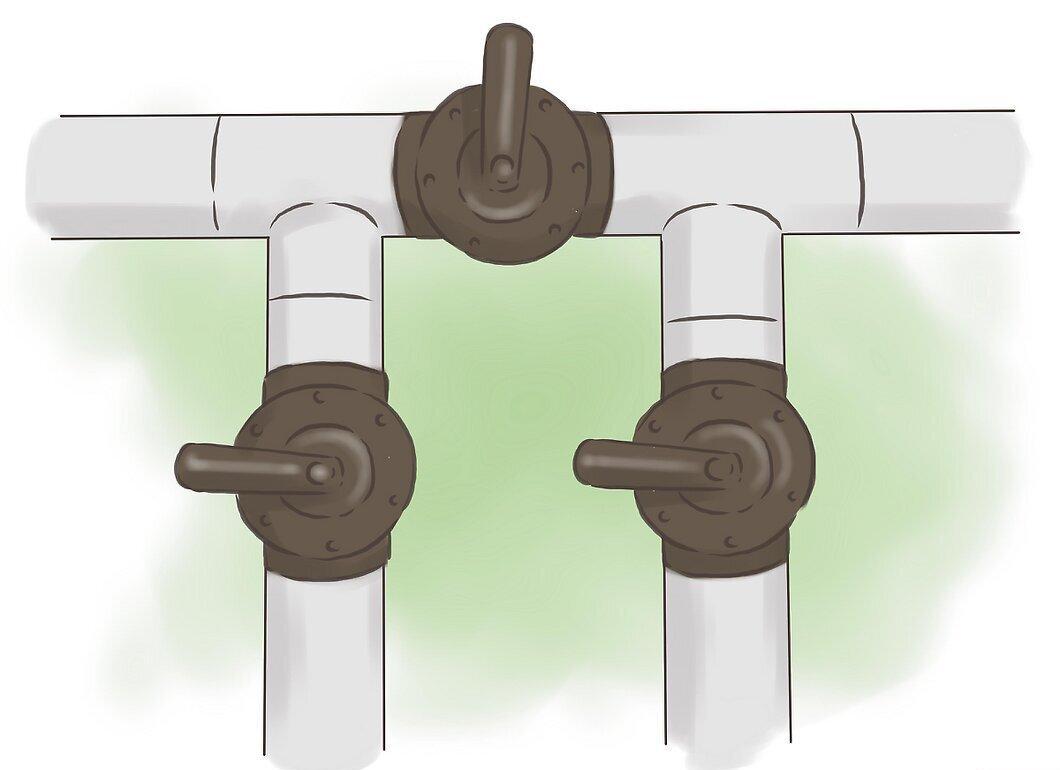
You can improve solar heating efficiency by using zoning with a bypass in the basement. With a 3-zone configuration, you can control the water flow into the pool and through the solar system.
Step 13. Avoid pumping water through the solar heater when there is no sunlight.
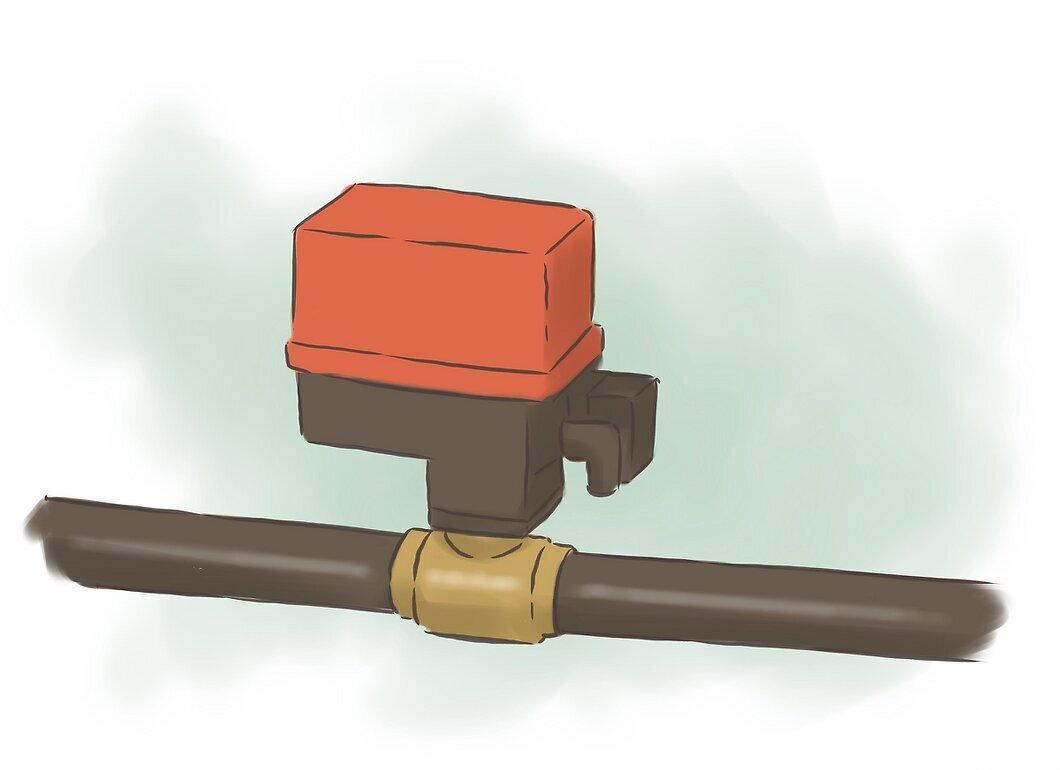
There’s no point in passing water through the solar heater when there is no sunlight. Set up a 24-hour timer and valves to activate the system during the day and turn it off in the evening.
Step 14. To elevate solar energy to the second and third floors, you may need to boost the pump power.
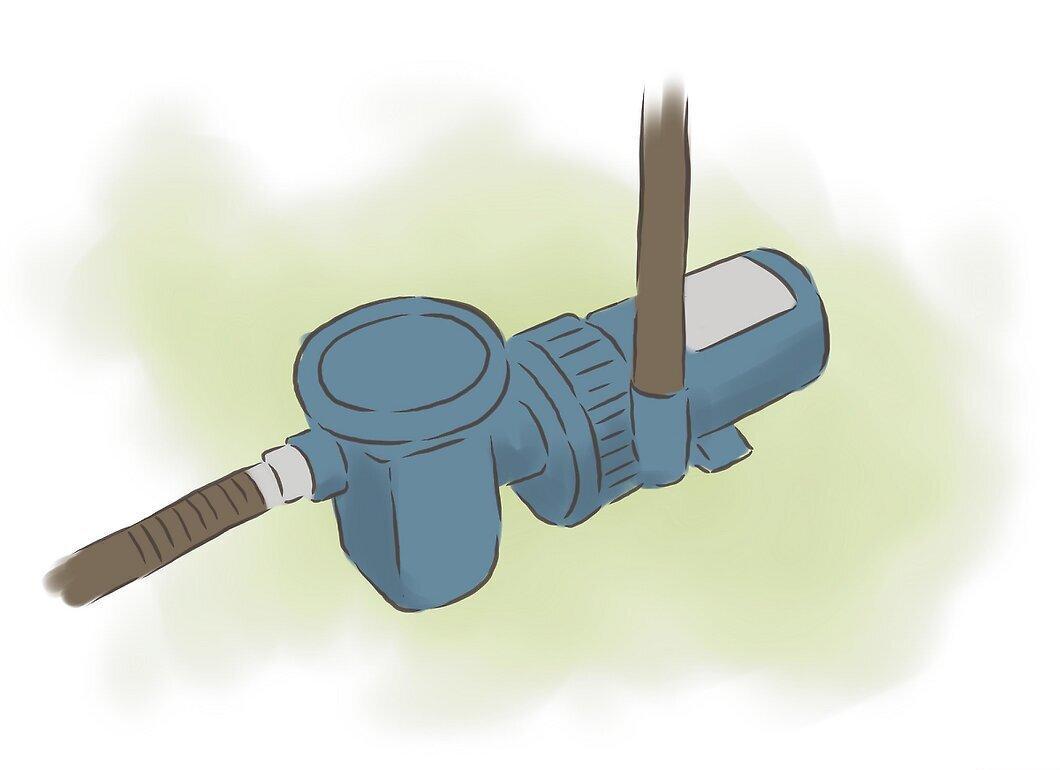
To lift solar energy to upper floors, you may need to upgrade the pump to handle additional resistance. Typically, upgrading the pump to 1/4HP is sufficient.