
Stand-up comedy is a world that may seem closed off, but your desire to engage in this art form can open doors to a fun and potentially profitable hobby or career. If you're aiming to become a stand-up comedian, whether at an amateur or professional level, start by preparing a set of jokes to ensure you have at least five minutes of material.
Work on how you deliver your jokes, use pauses, and craft your stage persona. Begin by participating in open mic events, which typically attract many friendly people. To reach a wider audience, you'll need to network with club managers or event organizers to establish a regular performance schedule.
How to Generate and Select Jokes
Step 1. Jot Down Ideas in a Notebook.
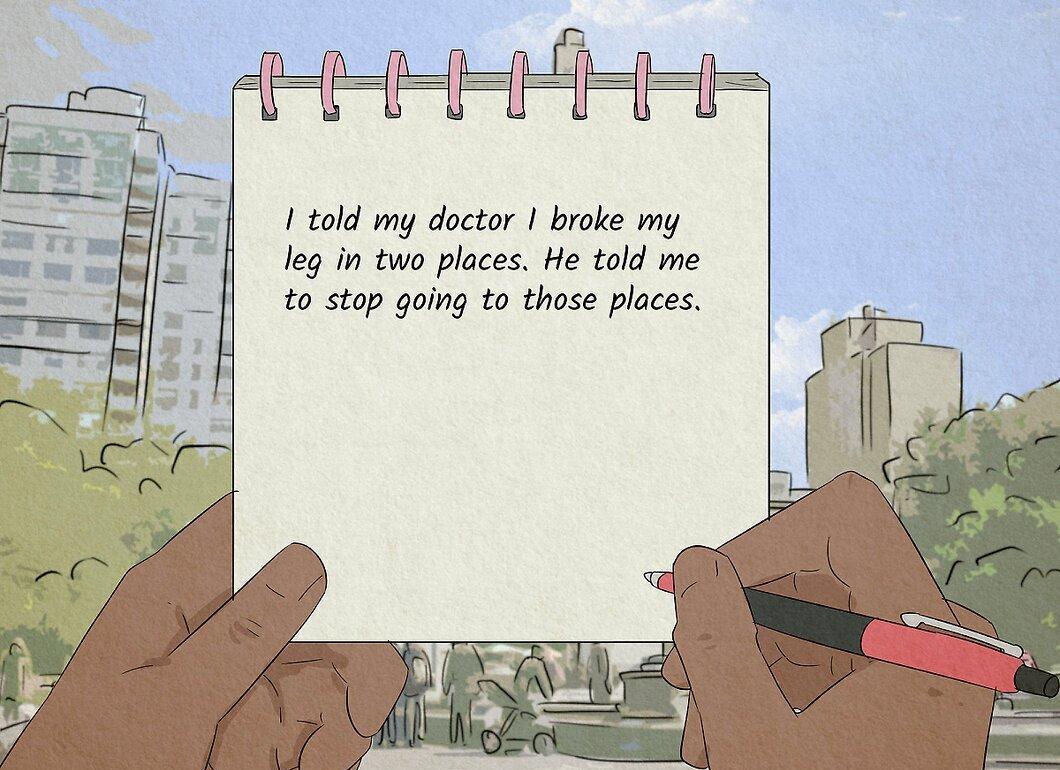
Make it a habit to write down all your funny thoughts and unusual situations that you find amusing. At this stage, don't worry about making them look like finished jokes—just capture your ideas, phrases, or personal stories that could serve as the foundation for jokes.
- If carrying a notebook is inconvenient, use apps on your smartphone.
Step 2. Develop One or Two Ideas into Jokes.
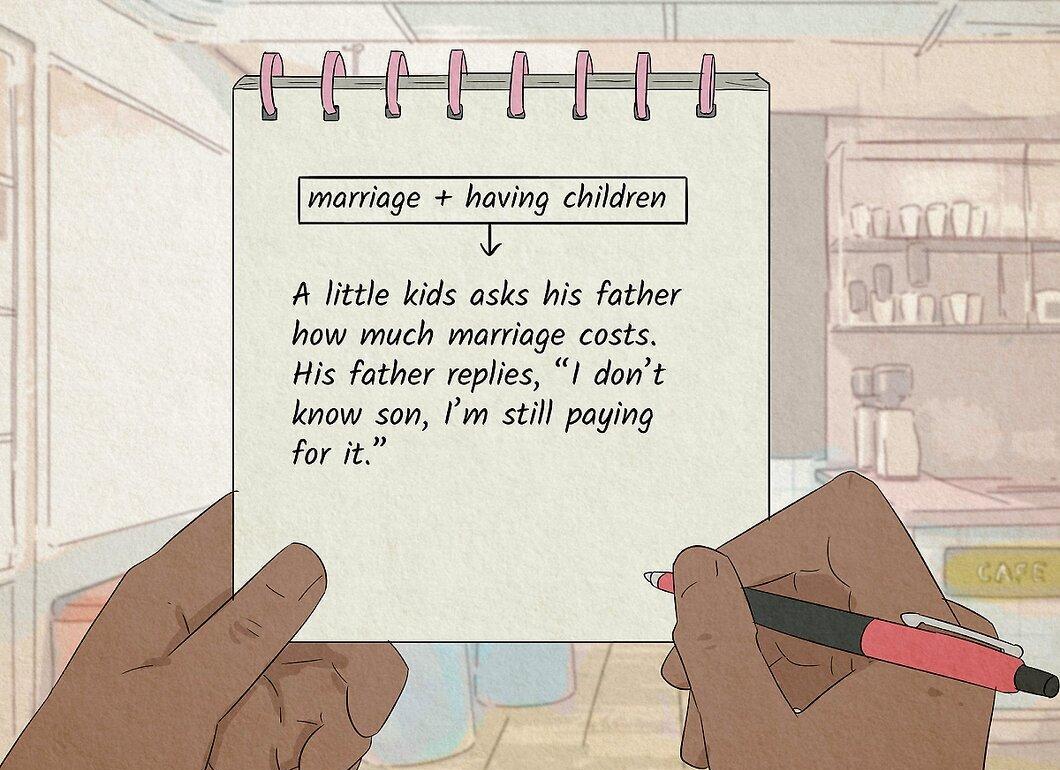
Turn one or two funny ideas into complete jokes. Start writing longer, more thought-out jokes based on your notes. Aim to present the material in a way that feels unexpected or strange. Many comedians adopt an approach where they first lead the audience's thoughts in a certain direction before making a sharp turn with the final punchline.
- Repeat this process: develop funny observations, combine them with other ideas, and write down finished jokes or stories. For example, if you notice that you dislike being stuck in traffic, and then had a bad date, you might come up with a joke about how traffic jams and bad dates go hand in hand in your city.
Step 3. Learn from Other Comedians.
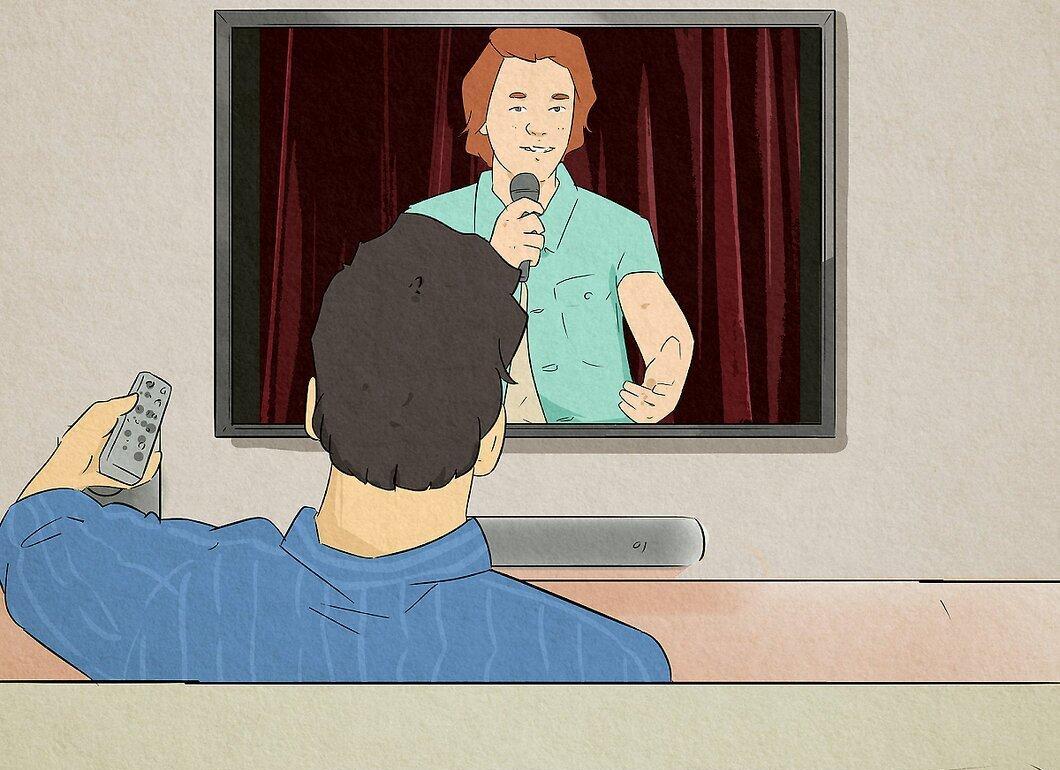
Observe the work of other comedians. You can learn a lot by studying performances from experienced professionals. Attend comedy clubs and watch performances online.
- Pay attention to how they manage timing, how they transition from one topic to another, and what inspires them.
How to Create Your Stand-Up Routine
Step 1. Make a List of Jokes.
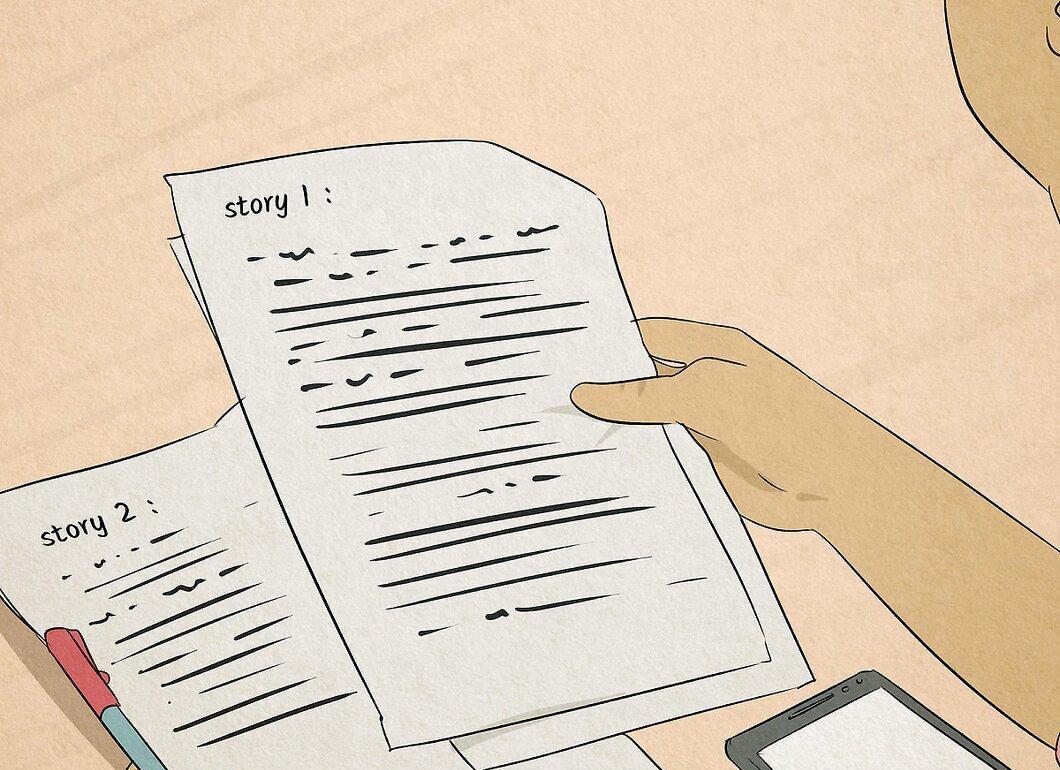
Once you have 20-30 jokes or funny stories, start forming your routine. This will help tie various ideas together into a cohesive whole. Your routine should begin and end with strong jokes. It's best to save your strongest material for the start and end of the performance to avoid disappointing the audience.
- For example, if you start with a joke about childhood, you can build subsequent jokes around an autobiographical narrative, transitioning into your teenage years and high school.
- At the initial stage, your routine may be short, not exceeding five minutes, and the audience will be more lenient towards weaker jokes in the middle.
- Monitor the audience's reactions to make adjustments as needed.
Step 2. Define Your Performance Style.
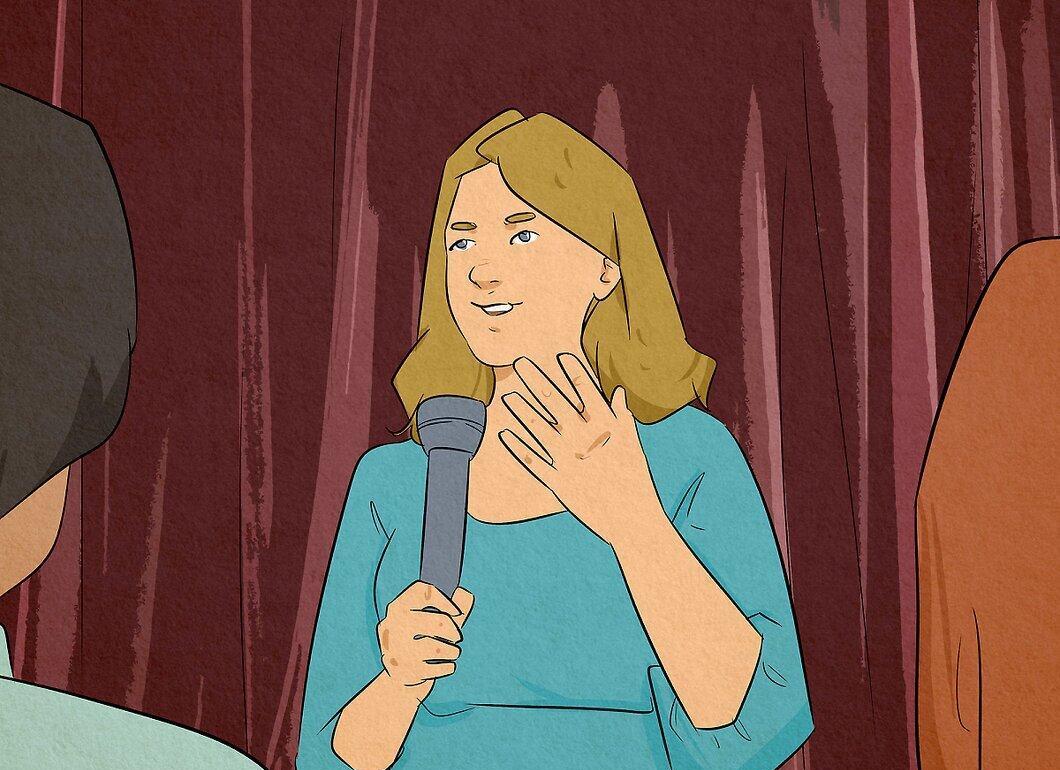
A good set of jokes is essential for success on stage, but it won't be effective if you just stand still delivering all your jokes in one tone. Make your performance more engaging by choosing a style that fits your humor and personality.
- Some comedians are energetic and move around the stage, while others maintain a calm and composed style.
- You can use self-deprecation and build your routine around jokes about your life.
Step 3. Synchronize Movements and Facial Expressions.
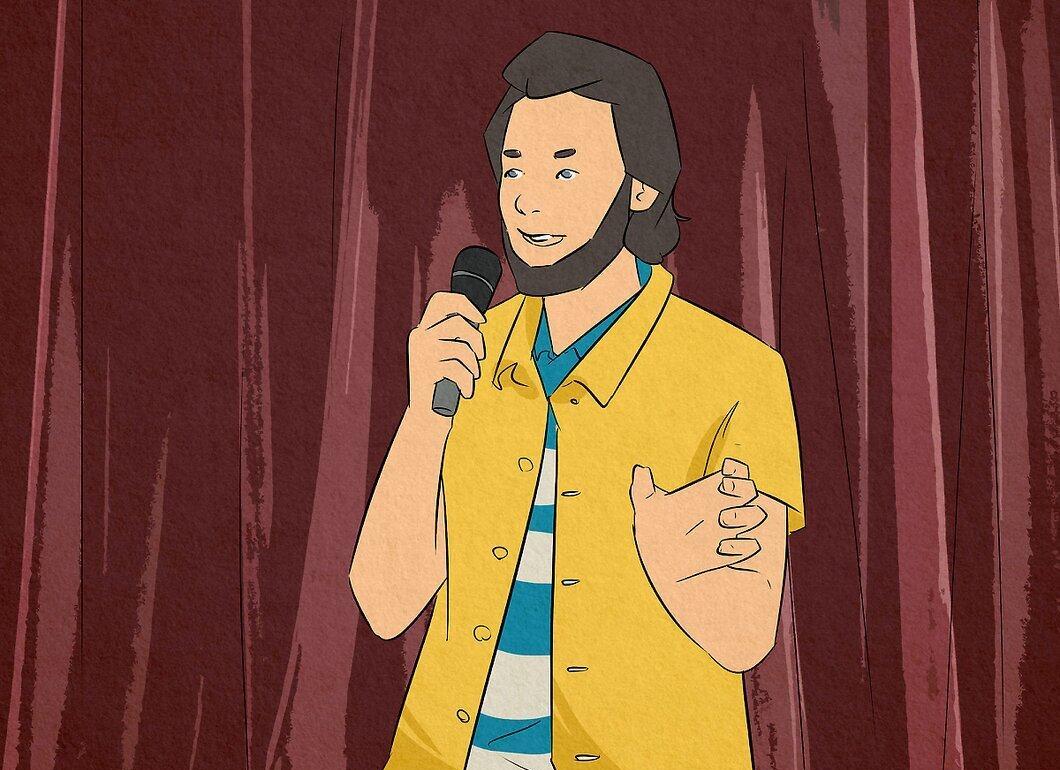
Successful comedians use hand movements, facial expressions, and gestures to elicit laughter from the audience. Determine how you want to use body language. You can move actively on stage or stick to subtle gestures.
- For instance, use hand gestures to emphasize key words. Some comedians incorporate the microphone or stand into their performance to create interesting sound effects.
- Facial expressions are also crucial: use grimaces at the right moments to highlight unexpected punchlines or maintain a serious expression to emphasize the jokes themselves.
Step 4. Memorize and Rehearse Your Jokes.
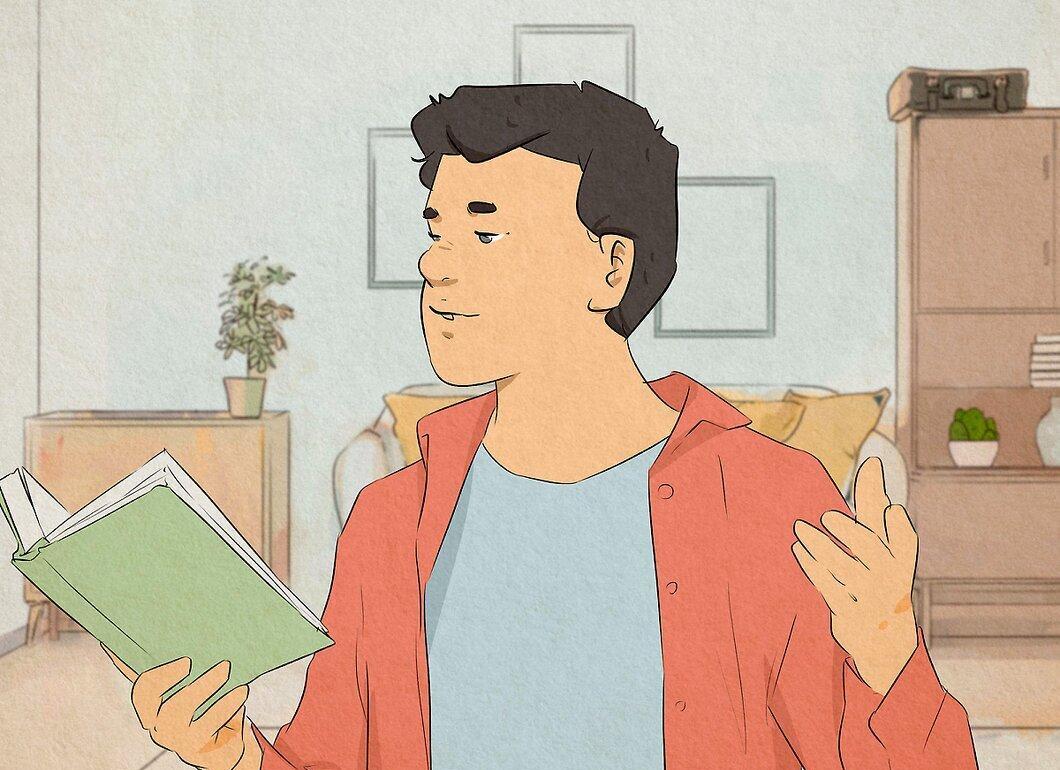
Memorizing a large amount of information can be challenging, but it will help you during your performance. The audience won't laugh if you forget your jokes or read them from a sheet. Rehearse your set enough times to know it by heart: practice in front of a mirror, on your way to work, or even in the shower.
- Don't hesitate to make changes to the jokes or the routine. If during rehearsals you realize that some jokes are weaker than others, replace them with funnier ones.
Step 5. Get Feedback from Friends.
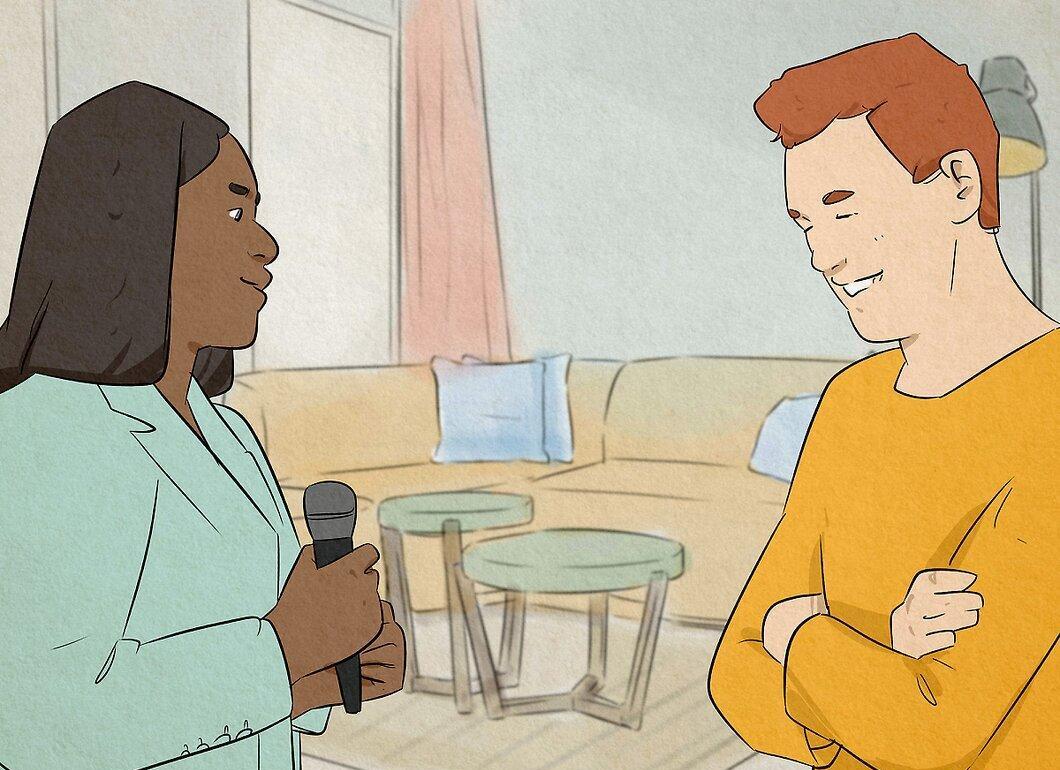
When your routine is ready and you can deliver the jokes smoothly, it’s time to showcase it to your friends. Listen to their feedback and respond appropriately to their comments.
- This will help you better prepare for performing in front of an unfamiliar audience.
How to Develop Your Stand-Up Career
Step 1. Participate in Open Mics as Soon as Possible.
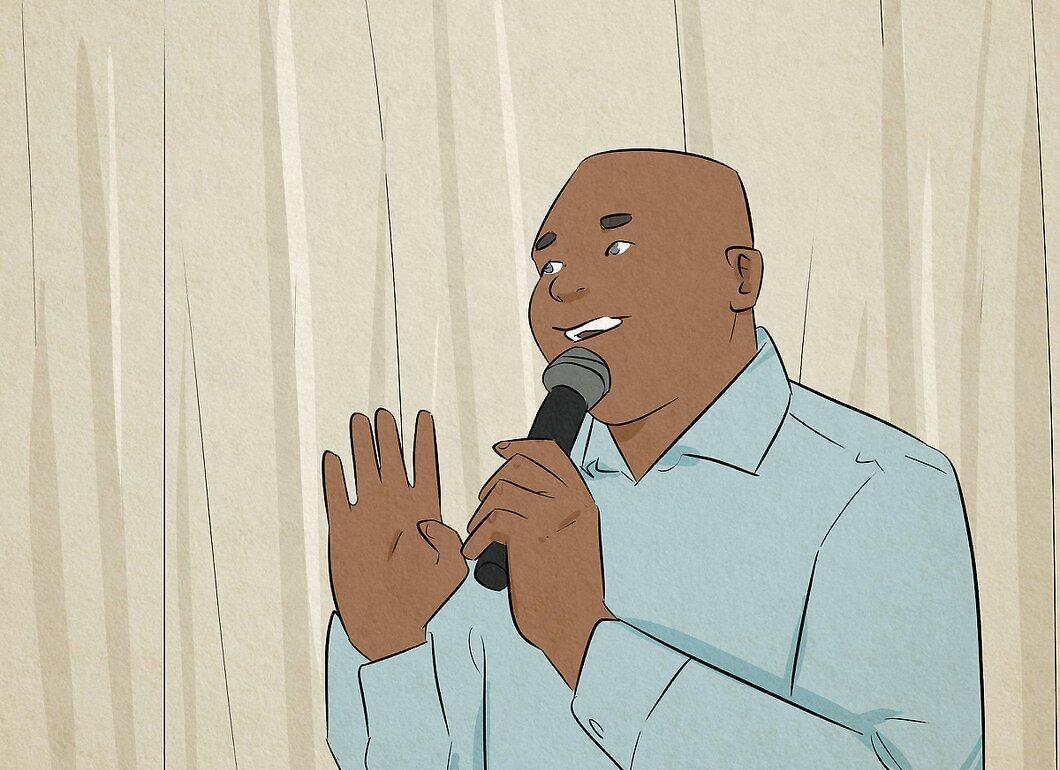
Start participating in open mic events as soon as you can. Performing in front of an audience is the best way to get better. These events are usually free, put less pressure on comedians, and motivate newcomers to showcase their material. Find a schedule of open mics in your city.
- These events often take place in bars, cafes, and concert halls.
Step 2. Create a Memorable Stage Persona.
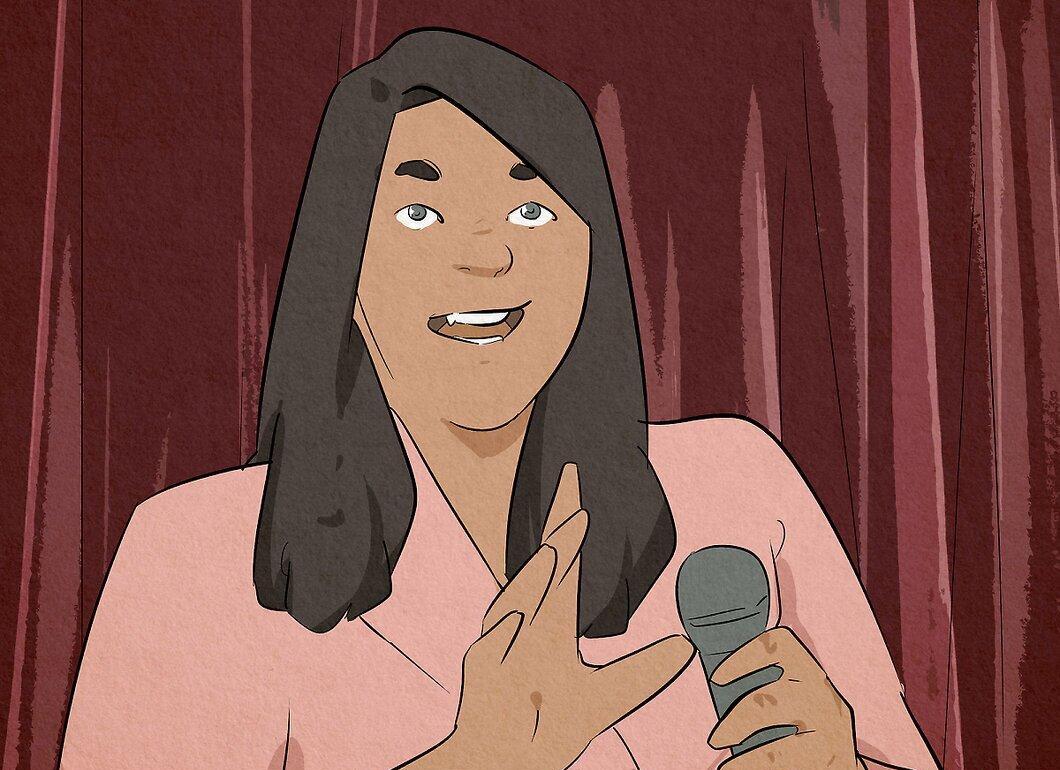
After starting to perform, you should create a memorable persona. For instance, you could deliver jokes with a serious expression or use facial expressions and gestures. Choose a style and tone that best fit your humor.
- Many beginner comedians try to imitate famous artists, but it's best to be yourself; otherwise, it may come off as cliché.
Step 3. Connect with Other Comedians in Your Area.
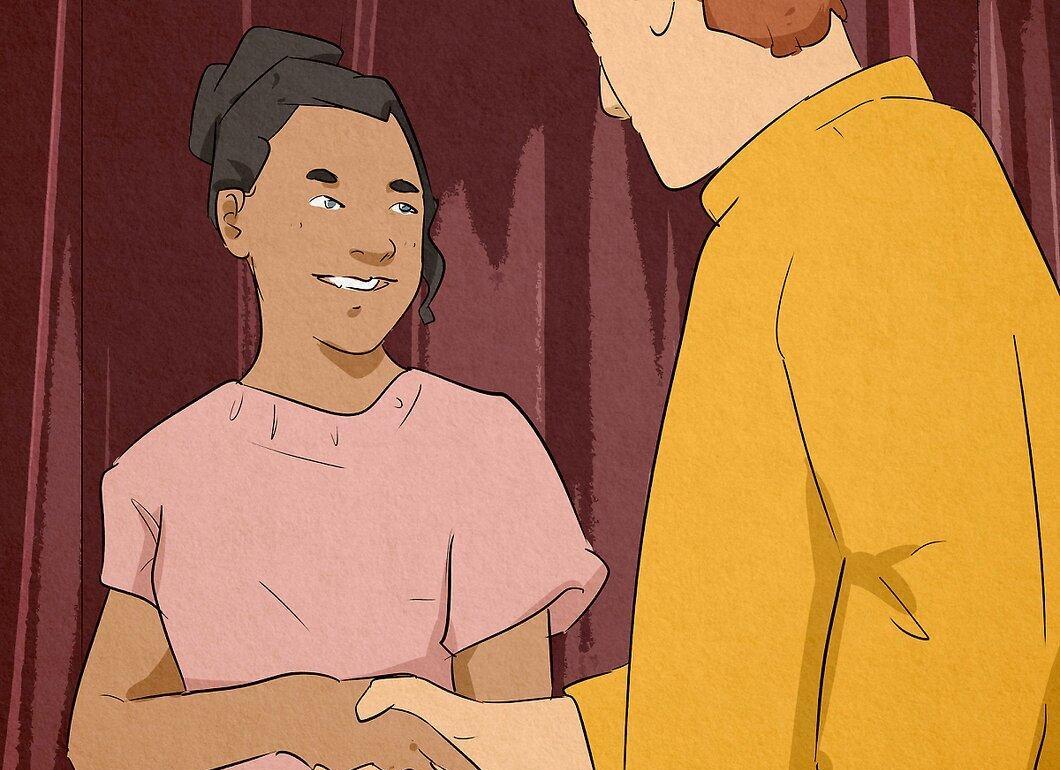
Network with other comedians. As in any field, connections can play a crucial role. Engage not only with comedians but also with event organizers and club owners.
- When meeting a well-known artist, introduce yourself and say something like, "I've been lucky to see your performances at several events in our city. Do you know of any good places for up-and-coming comedians to perform?"
- Ask, "Can you recommend any organizers I could talk to about performance opportunities?"
Step 4. Apply for Festivals and Shows.
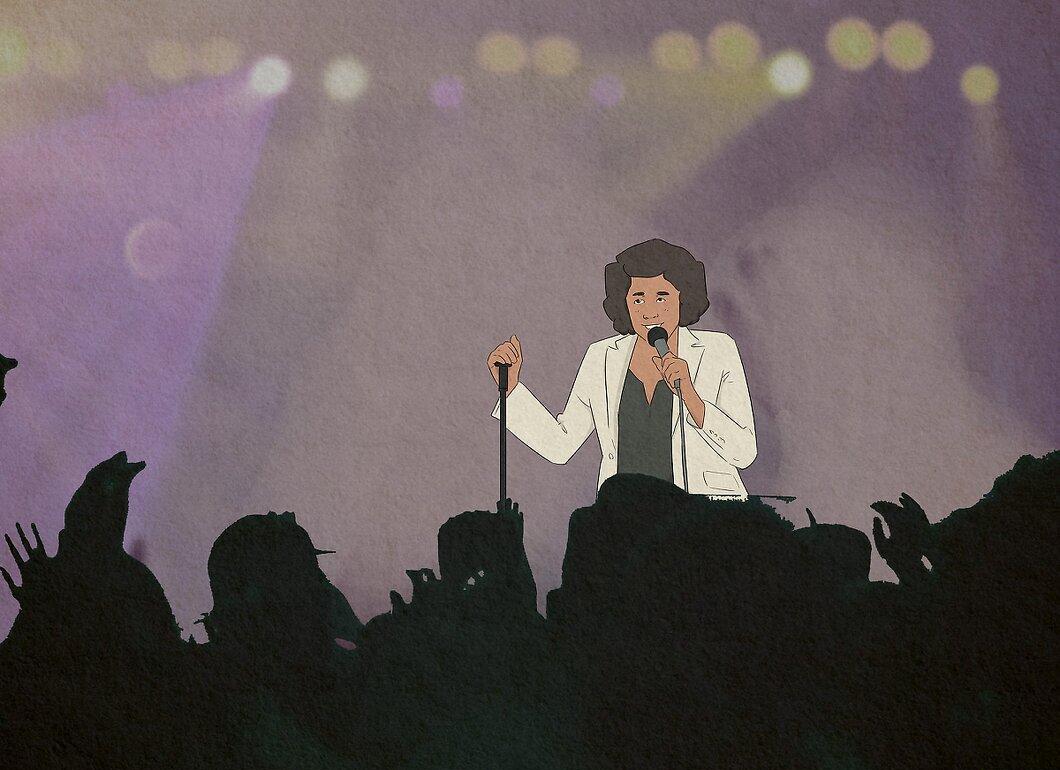
After a few performances at open mics and getting to know other artists, it's time to try your hand at more significant events. Find contacts for organizers on social media and politely inquire about performance opportunities.
- At the early stages, you may be placed to perform in the middle of the evening between more established artists.
Step 5. Don't Fear Failures.
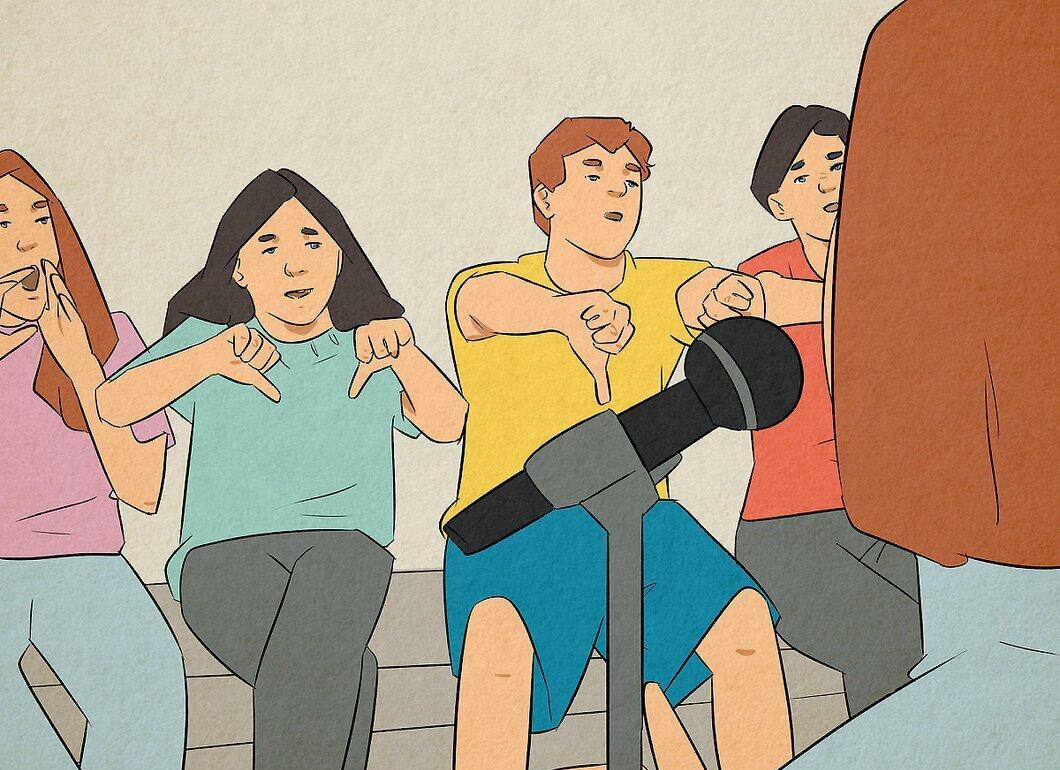
Don't be afraid of failures. No one starts with perfect performances: sometimes your jokes may not get laughs, or the audience may try to interrupt you. Every successful comedian has faced such moments. Don't give up and keep applying for performances, even if things don’t go as planned.
- Different nights attract different audiences. Be prepared for your jokes to be met with enthusiasm on some nights and only polite applause on others.