Transforming an ordinary home into an eco-friendly space is achievable for everyone. Start with simple and inexpensive methods, and as you save up, move on to more complex transformations.
Part 1
Step 1. Research Online.
Step 2. Use an Energy Consumption Calculator.
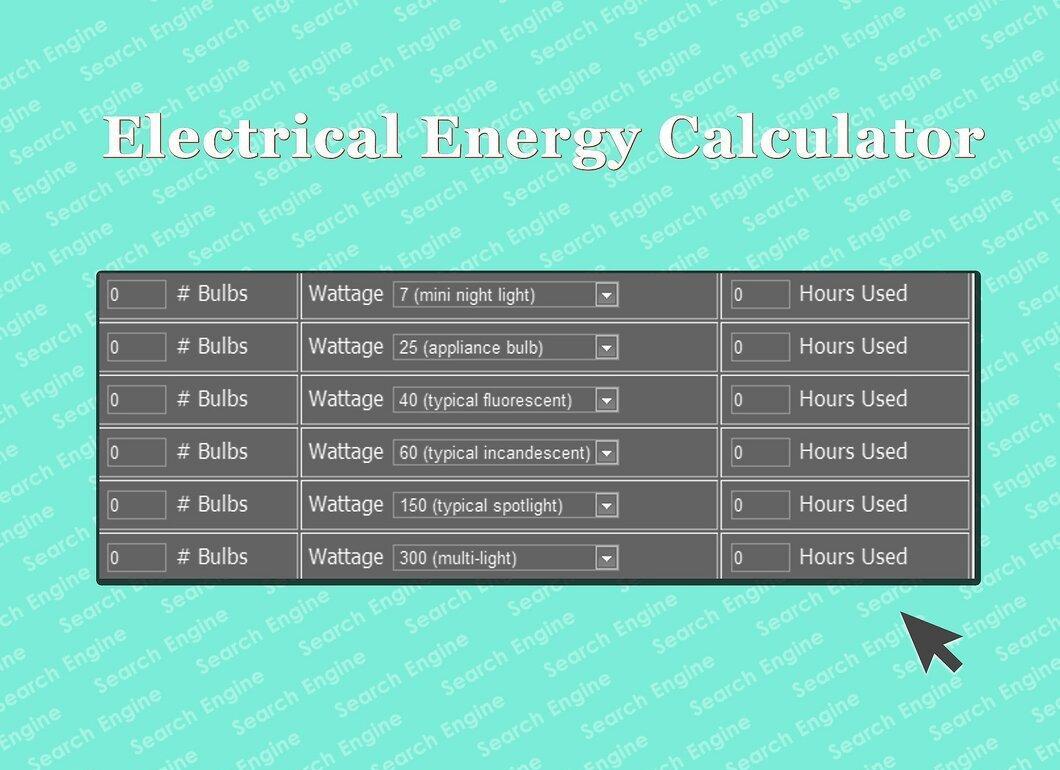
An energy consumption calculator will help you determine how much energy you are currently using. Find a suitable calculator that meets your local standards. These tools can show how energy-efficient your home is and how it can be improved with certain changes.
Step 3. Ensure Your Home is Well Insulated.
Insulating your home can significantly reduce electricity costs, especially in colder regions. Over time, insulation can lose its effectiveness, leading to heat loss. To immediately improve insulation, check doors and windows for gaps and drafts. If you find any, hang heavy curtains over the windows. If you want light to continue entering the room, use special plastic window insulation kits. They are inexpensive, effectively seal windows, and are nearly invisible. Additionally, you can create a draft barrier under the door by placing a rolled-up towel.
Step 4. Replace Bulbs with Energy-Efficient Ones.
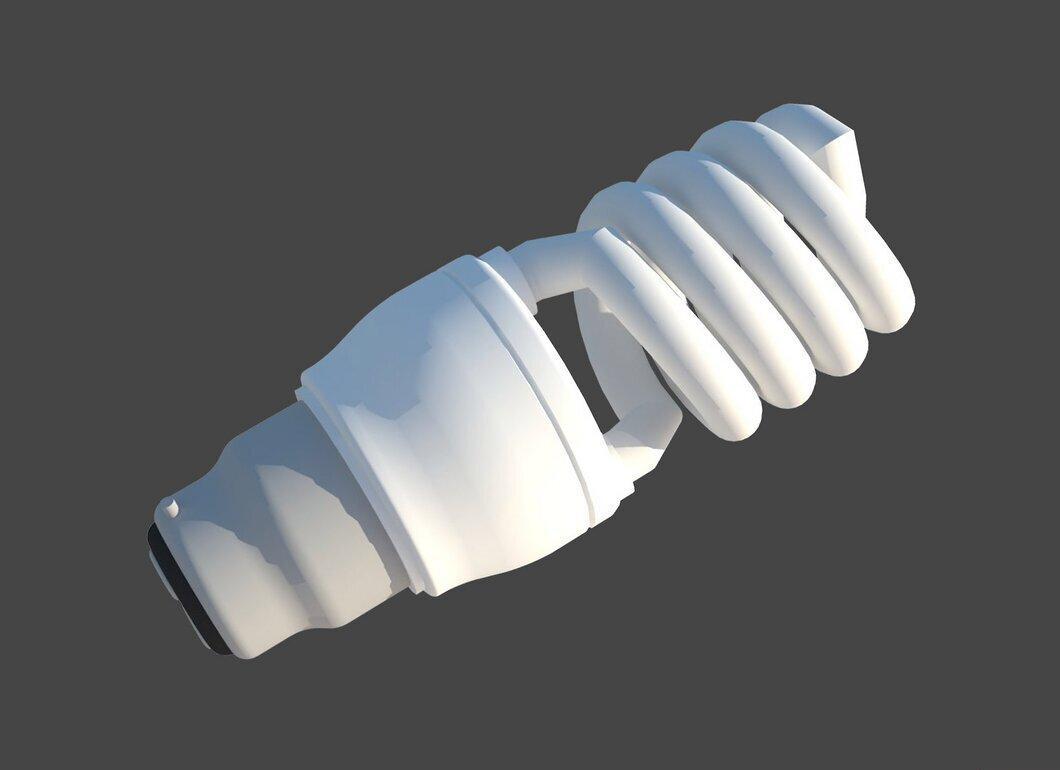
Switching to energy-efficient bulbs is a great way to reduce electricity consumption. They fit any light fixtures and use less energy while many of them shine brighter than standard bulbs.
Step 5. Install Motion Sensor Lights.
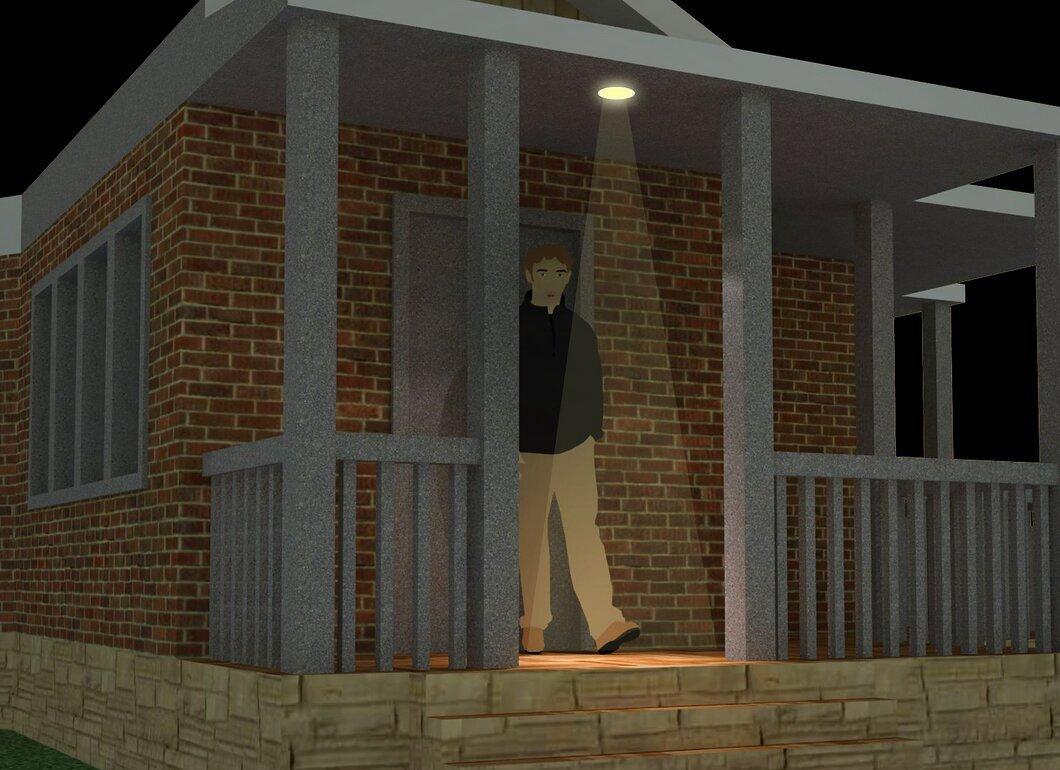
With motion sensor lights, you no longer have to worry about forgetting to turn off the lights when leaving your home or room. These lights are perfect for outdoor areas as they automatically turn on when needed. They can also serve as a deterrent to burglars by illuminating the area unexpectedly.
Step 6. Upgrade Your Appliances.
Upgrading outdated appliances is a crucial step. Refrigerators that are more than 5-10 years old can consume a massive amount of energy. Consider replacing them with more compact models, as we often store many unnecessary items in our fridges.
Step 7. Choose Low-Flow Fixtures.
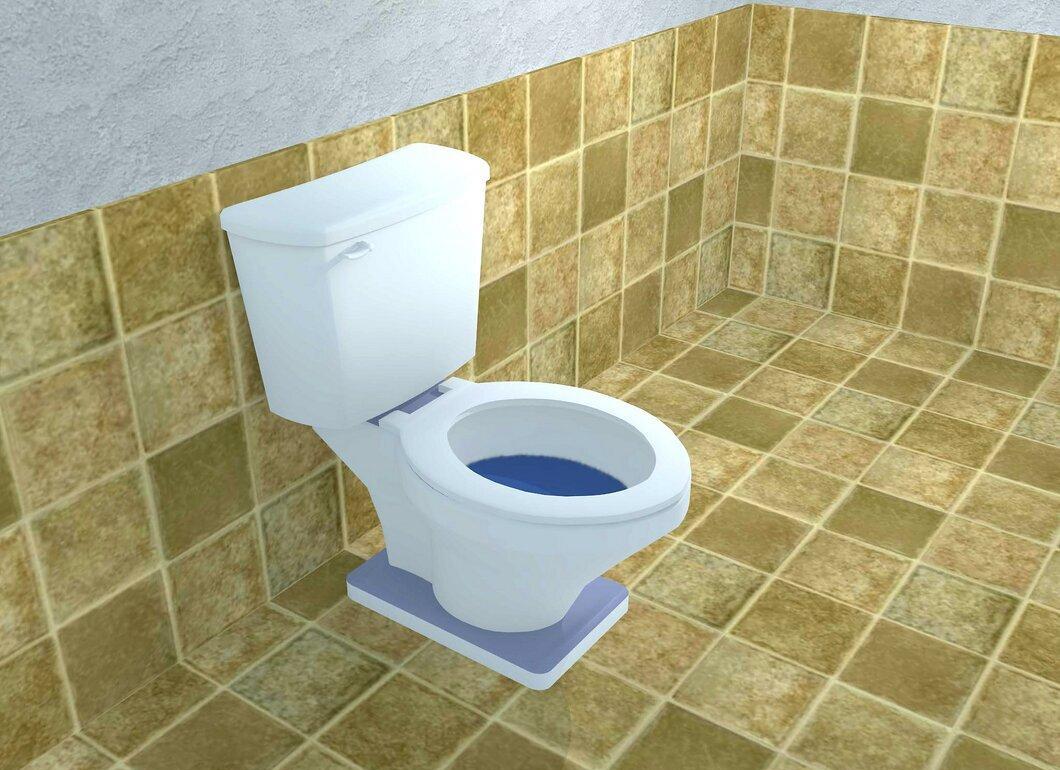
Low-flow fixtures will help you conserve resources and lower your water bills.
Step 8. Install Skylights.
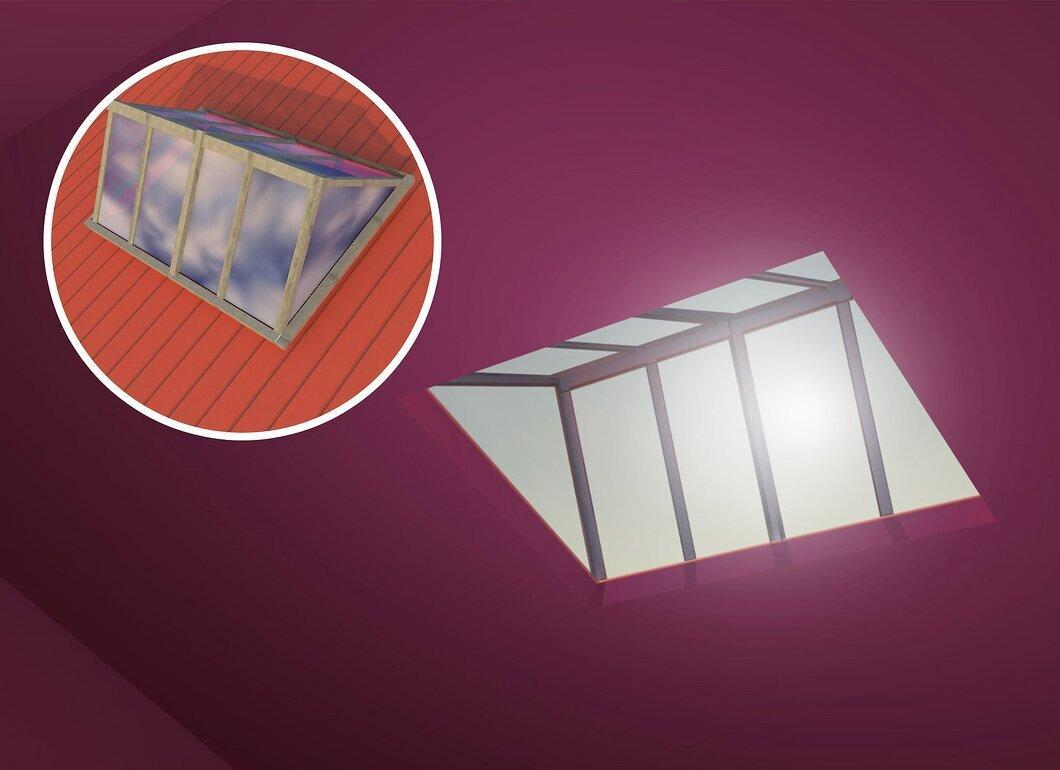
Skylights installed on the roof allow natural light to enter your rooms, helping you save on lighting costs. Sunlight is more effective than any bulb, so even dark rooms will be bright thanks to skylights.
Step 9. Consider Installing Solar Panels.
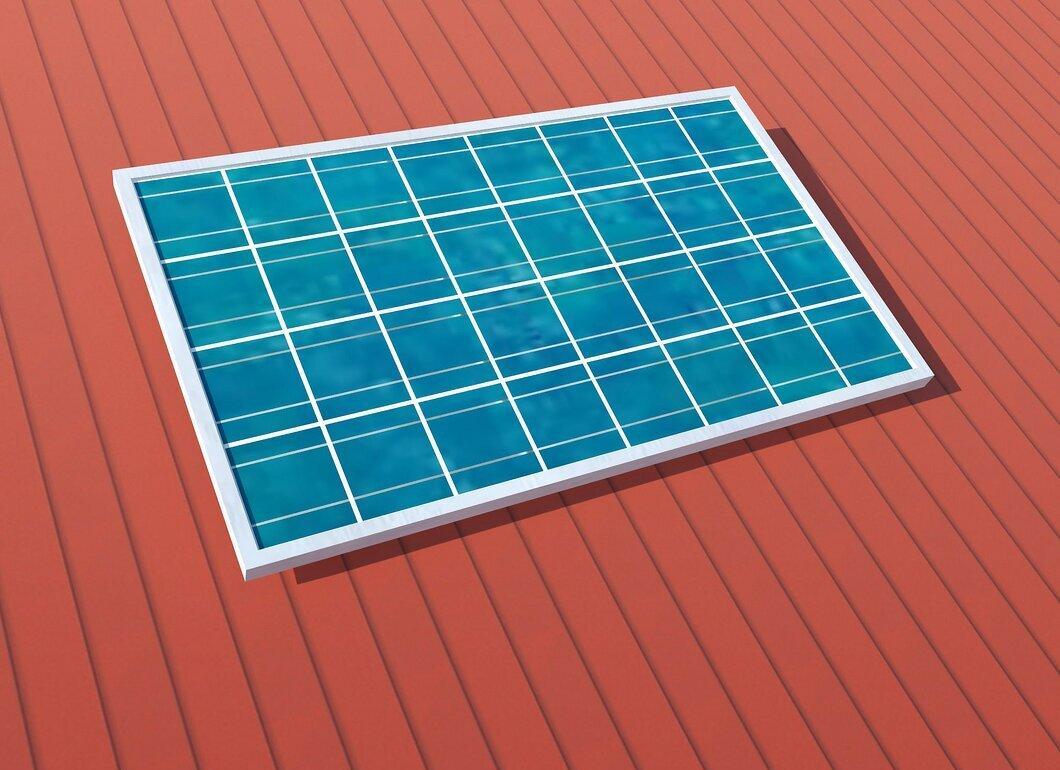
Solar panels can provide energy for your home and even heat water. Using solar energy is an eco-friendly approach. Excess energy can be stored in batteries for later use. However, keep in mind that your electricity costs may increase depending on the size of the installed panels. With solar water heaters, you can efficiently heat water.