Smart Tips for Bending and Cutting Rebar
When creating frameworks for concrete work, bending and cutting rebar—steel rods that reinforce concrete—often become necessary. This material is very convenient to work with and is widely used in landscaping, artistic projects, and other fields where flexible metal is required. Rebar comes in different diameters, increasing in increments of 1/8 inch (for example, rebar labeled "number 4" has a diameter of 1/2 inch, or 15 mm). Typically, bending and cutting rebar up to number 4 can be done manually. For larger diameter rebar, special tools like hydraulic shears and bending machines are usually required, and it is primarily used in industrial and technical concrete work.
Part 1
Step 1. Choosing Protective Gear
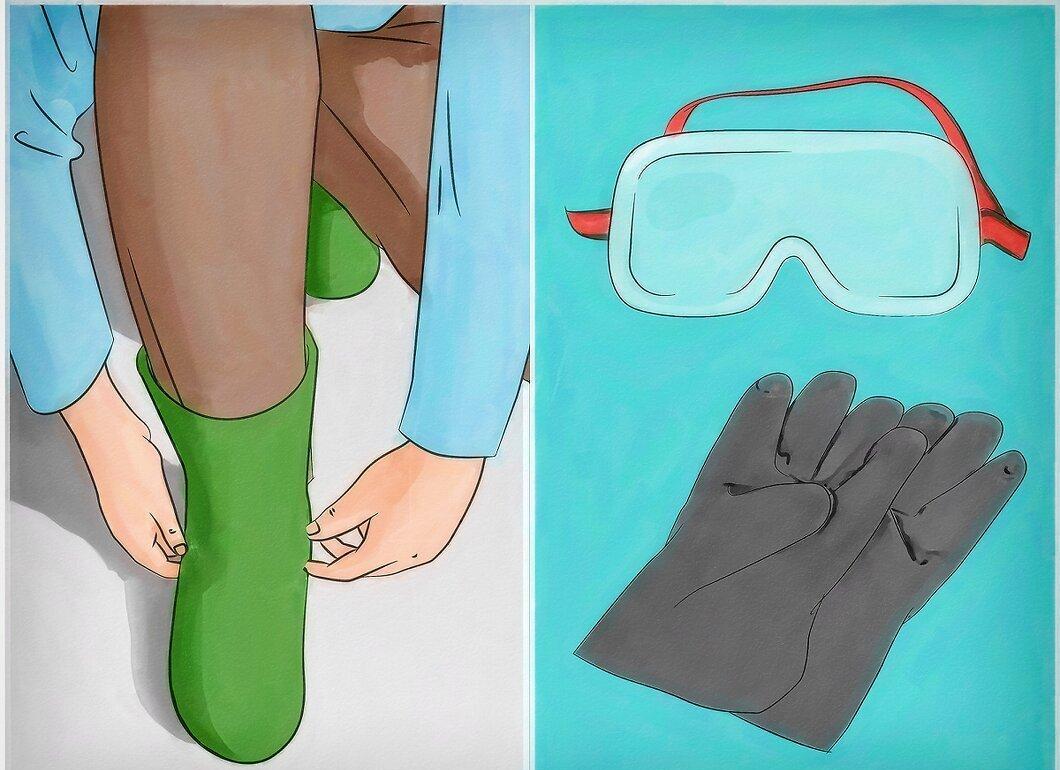
Start by selecting the appropriate protective gear. Rebar can be heavy, sharp, and produces sparks when cut. Always wear safety glasses, a long-sleeve shirt, pants, gloves, and sturdy boots while working with rebar.
Step 2. Organizing Your Workspace
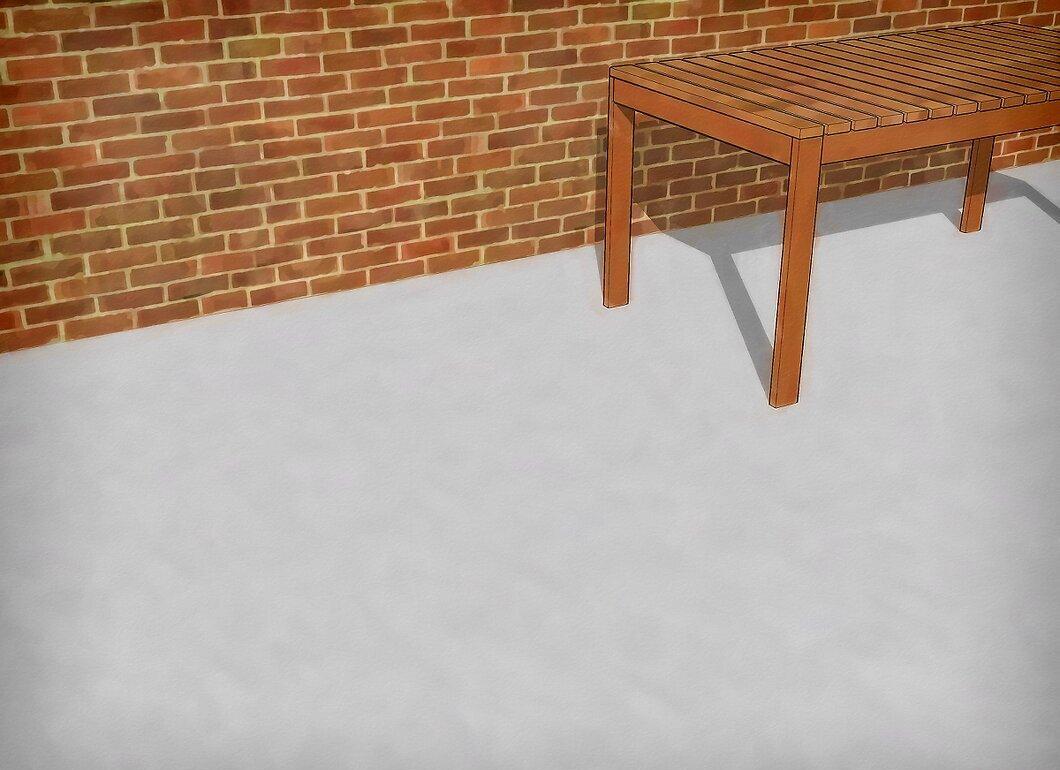
Ensure your workspace is prepared. Rebar comes in long rods, ranging from 2.5 to 12 meters. Due to its length, tendency to rust, and significant weight, it’s best to work with rebar in an open area with minimal obstacles. Cutting rebar can create many hot sparks, so ensure there are no flammable items nearby. Also, keep in mind that rust and sparks can damage your clothing, so wear something old and durable.
Step 3. Making Accurate Measurements
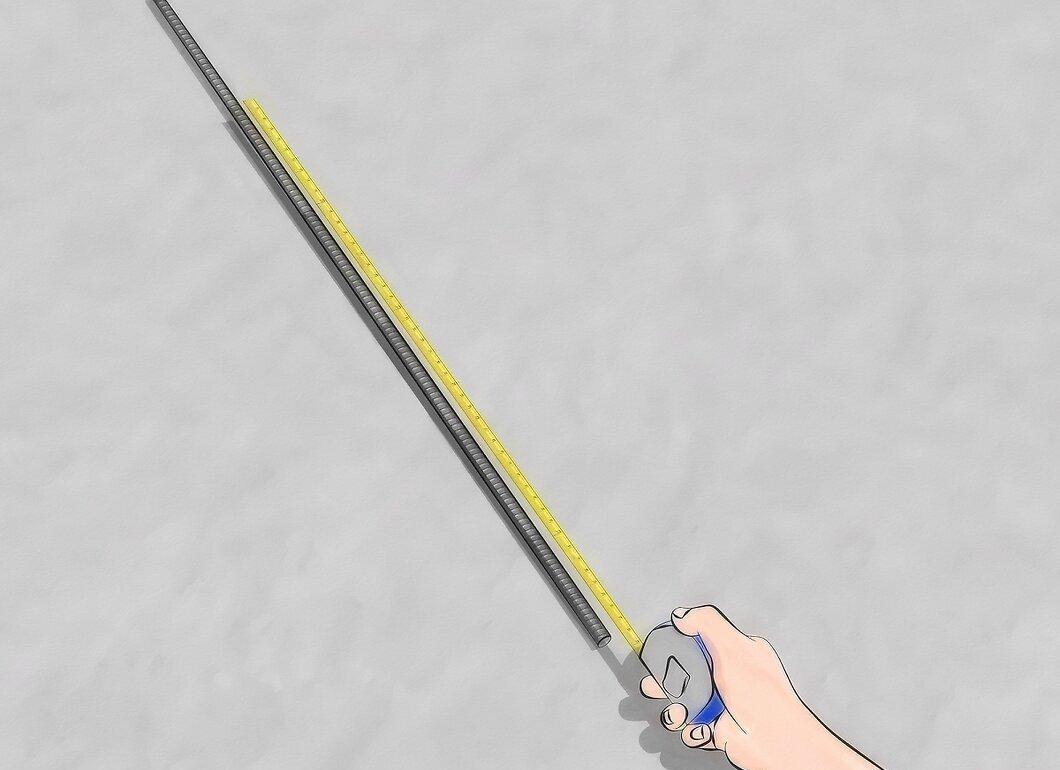
Make precise measurements. Considering the total length, overlaps (where the rebar rods connect), and bends can be challenging. You might find that after the first bends and cuts, the rebar ends up shorter or longer than expected. This often occurs because the length of rebar at the bend point hasn't been accounted for. Don't worry; with practice, you'll get it right! A wax pencil is handy for marking rebar (if you need waterproof marks) or chalk (suitable for projects where marks can be removed).
Step 4. Cutting Rebar
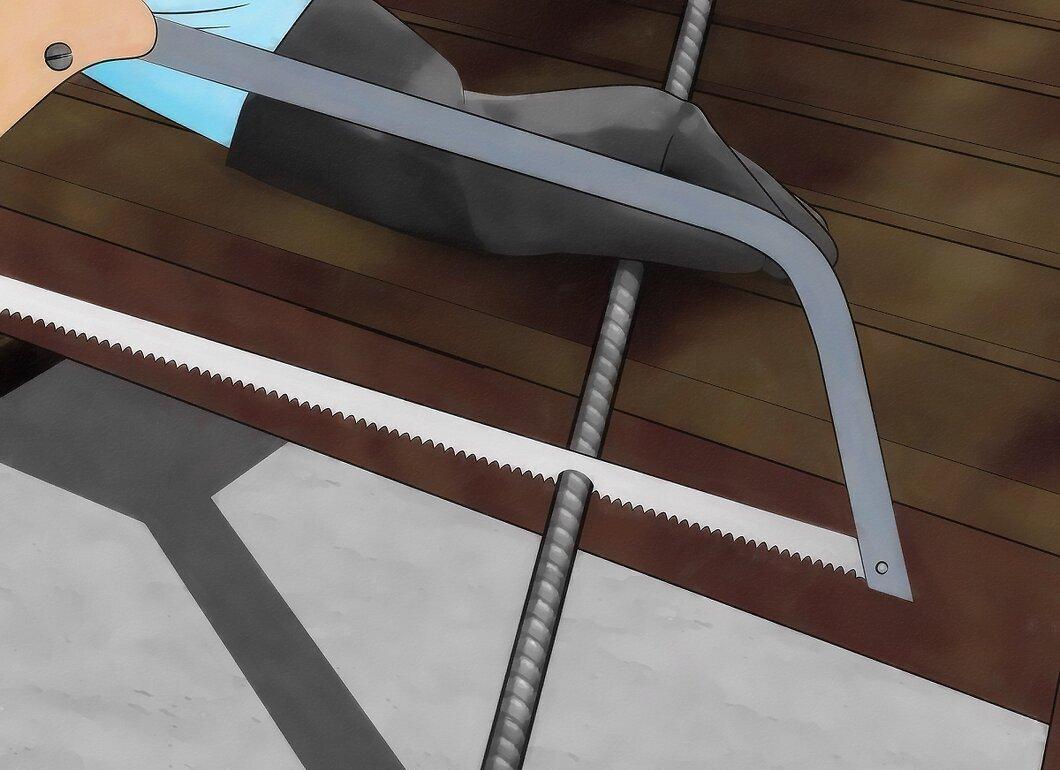
Now let's move on to cutting the rebar. This can be done using a metal hacksaw. A reciprocating saw, portable band saw, or grinder with a blade designed for cutting "soft steel" will also work. Keep in mind that the rebar may twist while cutting, so it's best to hold it in place by stepping on it or securing it in another way. Be cautious, as cut sections can be hot and sharp—always wear gloves.
Step 5. Bending Rebar Up to 1/2 Inch (15 mm)
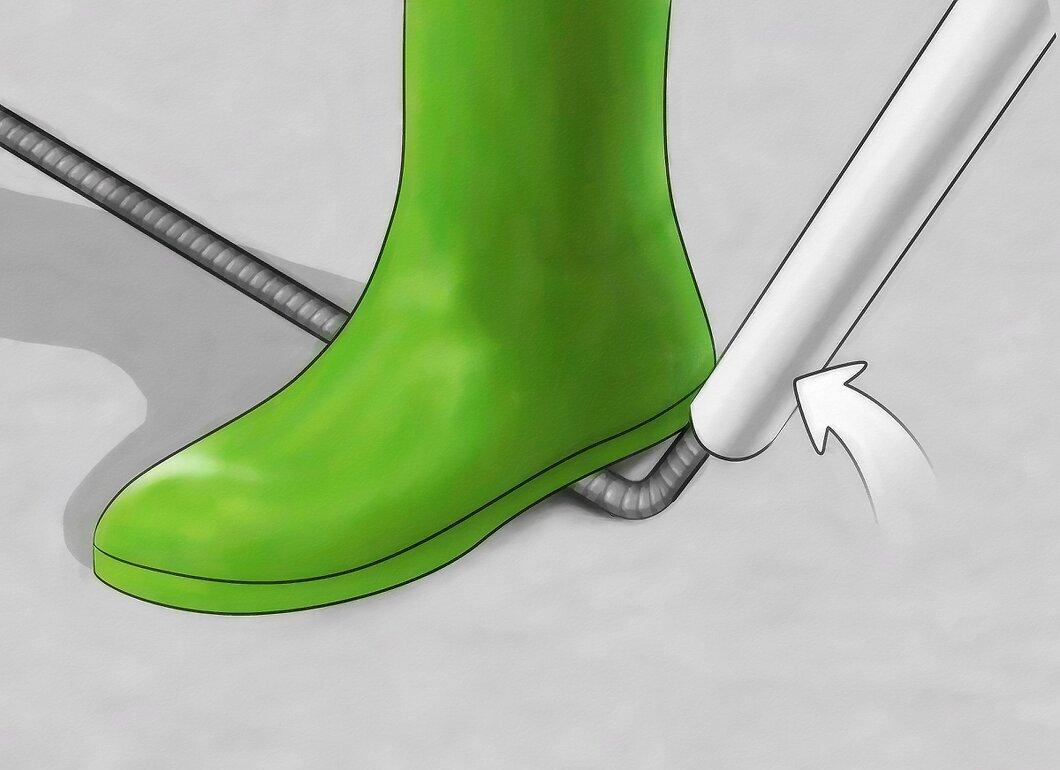
Now that you have a cut rod, you can begin bending it. It’s important to properly choose the lever arm. Lay the rebar on the ground. Using a long metal pipe with a sufficient internal diameter, insert the rebar into the pipe, leaving about 15 cm from where you plan to start bending. Position your foot 15–30 cm away from the bend point, and firmly step down while raising the rebar off the ground until you achieve the desired angle. Often, to get an accurate bend, the rod needs to be bent gradually in several approaches.
Step 6. Alternative Methods and Tools
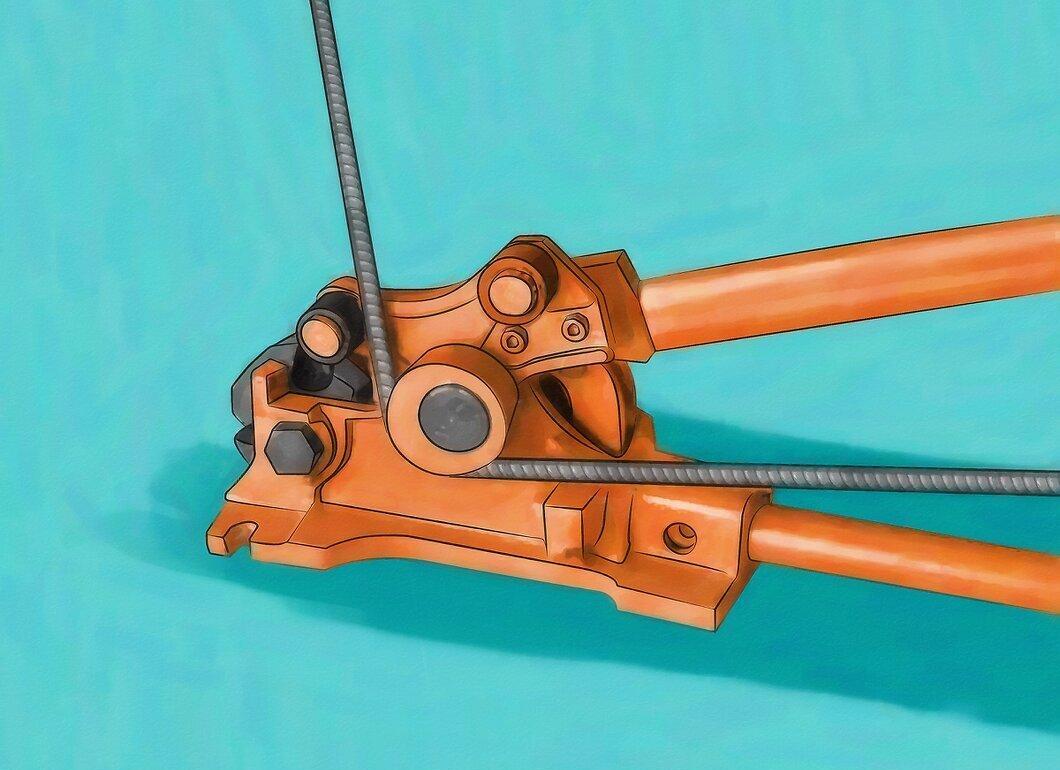
You can also rent a manual rebar bender at most hardware stores. If you have many cuts to make, renting a metal cutting saw would be the best choice.