A garage sale is an excellent way to not only free up space from unwanted items but also to make some extra money. Organizing a sale isn't too difficult if you approach pricing, advertising, and customer interaction correctly.
Preparing Items for Sale
Step 1. Choose Items to Sell.
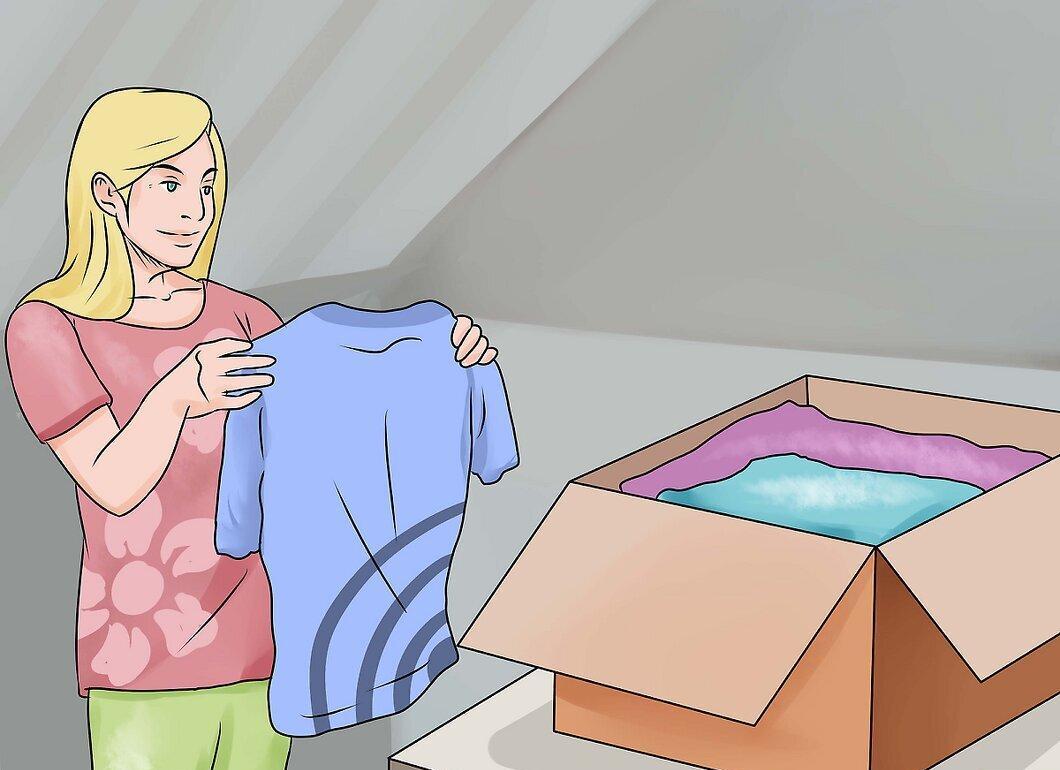
Start by selecting the items you want to sell. Check all the nooks and crannies of your home: attic, basement, garage, and closets to find unwanted things.
- Letting go of some items can be tough, but if you haven’t used them in a year, chances are you won’t need them again.[1] Source
- Include everything you don’t need or like, such as clothing, shoes, dishes, old appliances, and other items.
- People are willing to buy almost anything. Besides sought-after items (toys, tools, books, and antiques), don’t hesitate to sell things that may seem useless. Worst case, you’ll just get rid of unwanted stuff.
- Ensure that items are clean and intact to avoid injuries to buyers. Even broken items can find a buyer. Some items can be given away for free.
Step 2. Create an Inventory List.
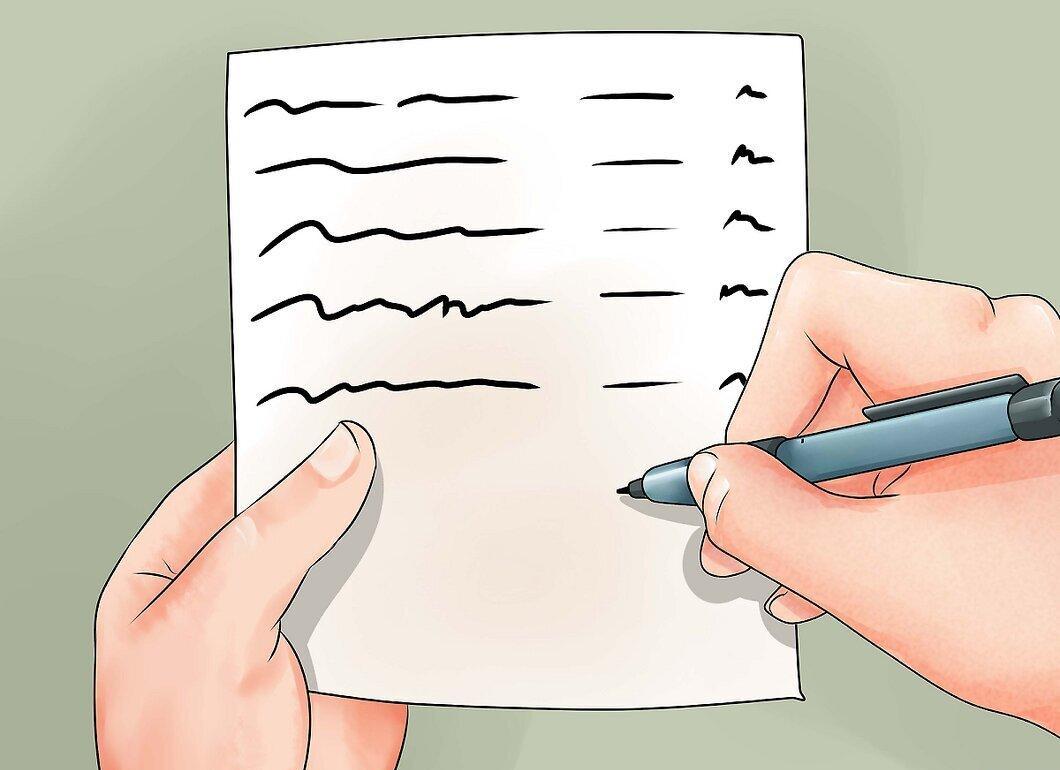
Make a list of all the items you plan to sell. Many find this step unnecessary, but it helps avoid confusion later on.
- Write down prices next to each item. Price tags can get lost during the sale, and setting prices on the fly can be challenging, especially when you're busy chatting with buyers.
- The more items you have, the more important it is to have a complete list.
- The list will help you keep track of inventory and prevent theft.
Step 3. Assess the Value of Items.
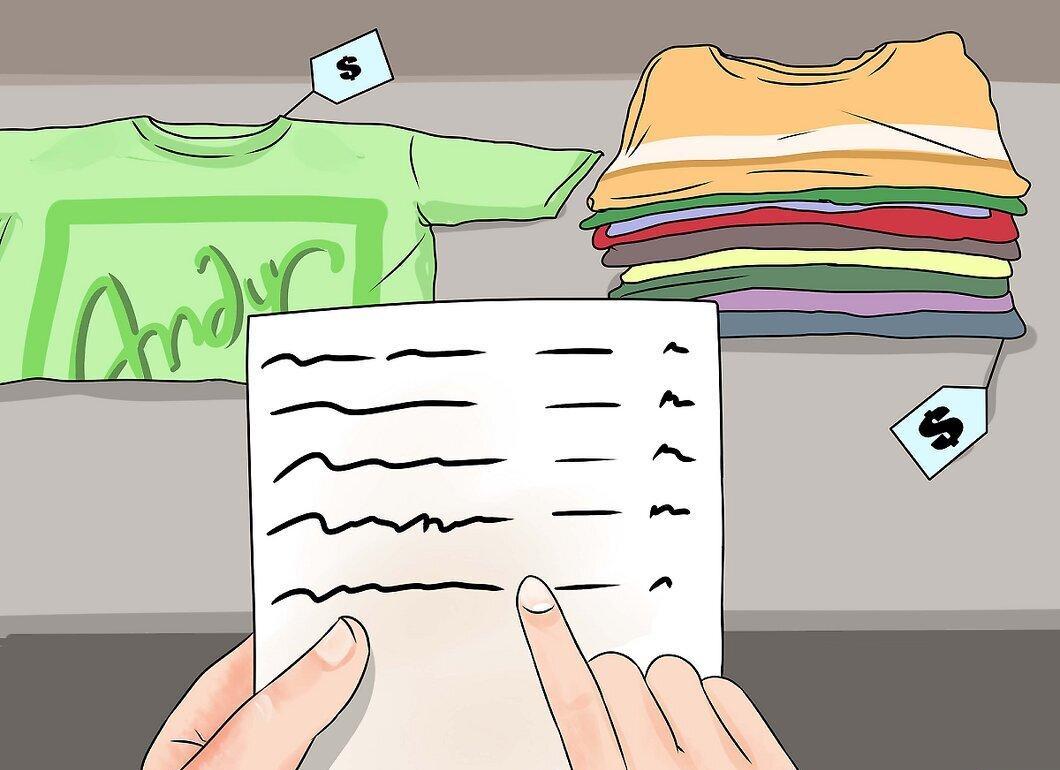
Review your list and set reasonable prices.
- Set low prices if you want to get rid of items quickly. For more valuable items, a common practice is to price them at a quarter of their original cost.
- For new or collectible items, you can set a higher price.[2] Source
- Remember that the main goal of a garage sale is to get rid of unwanted items, not to make a lot of money. Buyers are looking for good deals. If you don’t want to be left with unsold items, offer prices they expect. Many are not willing to pay more than 10% of retail price at garage sales. Set attractive prices to actually sell your things.
- If you don’t want to set a specific price, write "Make an Offer" on the tag. Keep in mind that some may offer very low amounts. You can also use the phrase "500 rubles or best offer" if you want to set a minimum.
- Prices can be adjusted based on demand and the number of buyers.
Step 4. Tag Items with Prices.
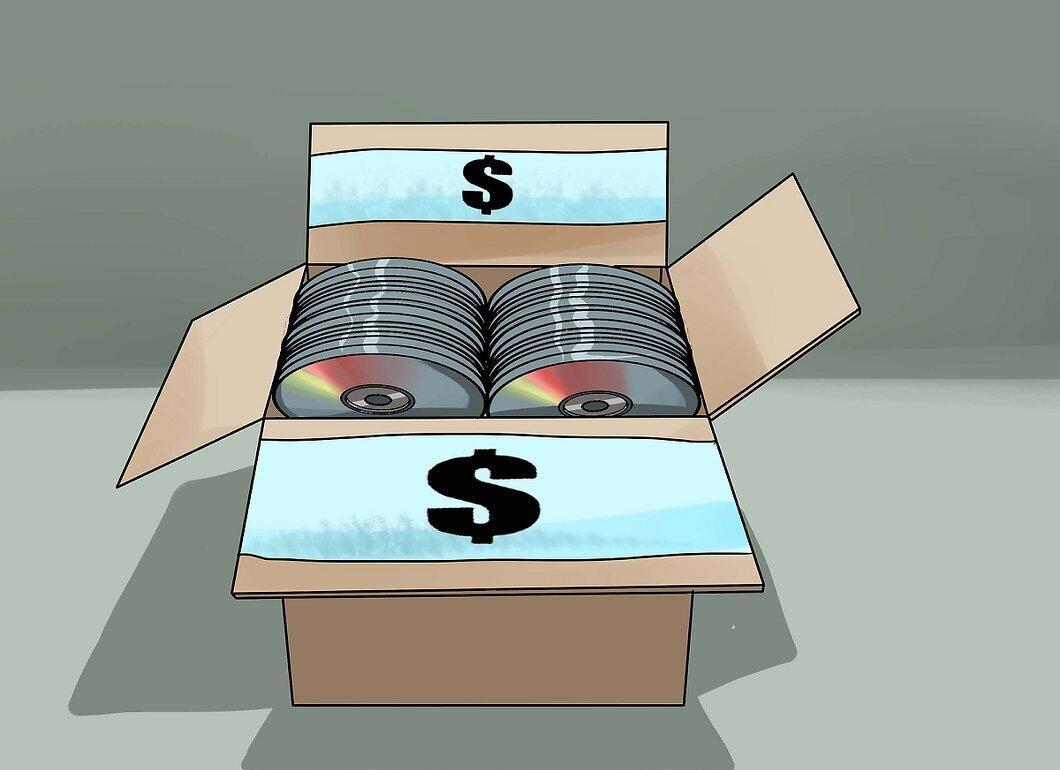
Attach price tags to each item. Every item should have a clear price tag to avoid constant questions and confusion among buyers.
- Bright price tags will make it easier for buyers and save you time.
- Use sticky labels or special tagging guns. If you don’t have these, you can attach paper tags with tape.
- If you have many identical items at one price (like books), you can place them in one box and indicate the price on the box. For example, write "30 rubles per book." Interested buyers can browse through all the books in the box, and some collectors might offer a bulk price for the entire set.
Step 5. Offer a Wide Variety of Items.
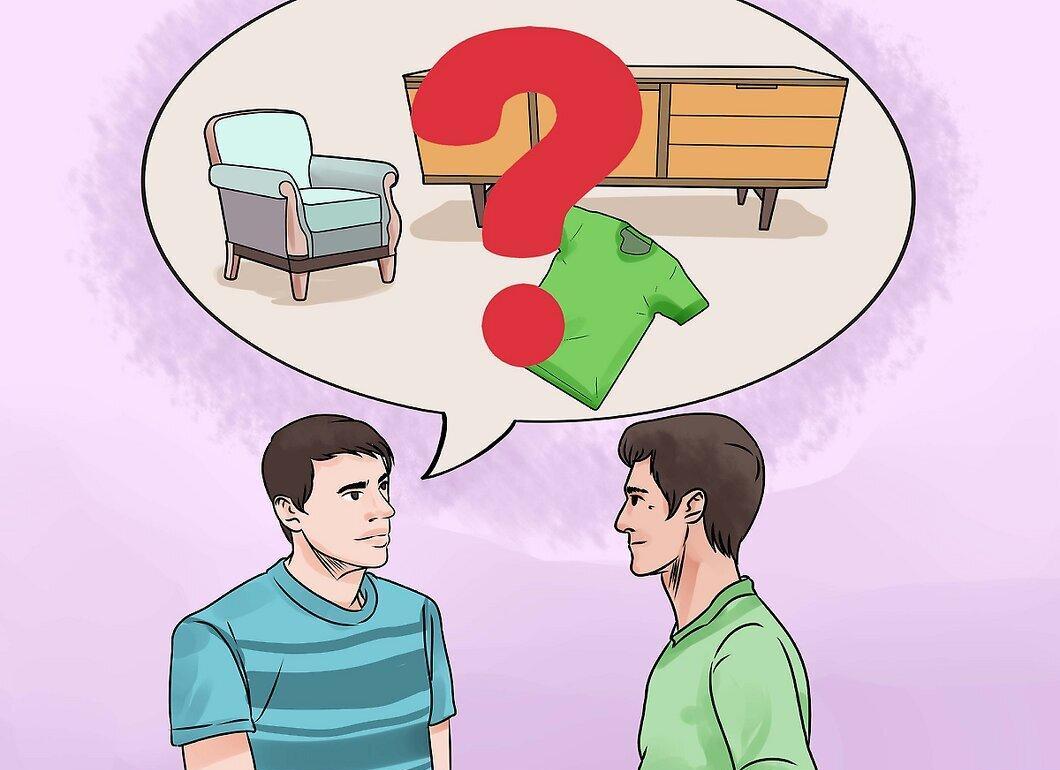
Offer as many items as possible. People prefer larger sales. If the selection is too small, buyers may not even get out of their cars. The more people at the sale, the better the chance to attract passersby.
- Invite friends, family, and neighbors to participate in the sale with you. They may have unwanted items they’d like to sell but don’t want to host their own sale. They should also prepare lists of their items.
- Selling someone else’s items is only possible with the owner's permission. If someone wants to buy an item for a lower price, say, "That’s not my item. I’m selling a friend’s things, and they didn’t allow me to lower the price."
Planning and Advertising the Sale
Step 1. Check for Necessary Permits.
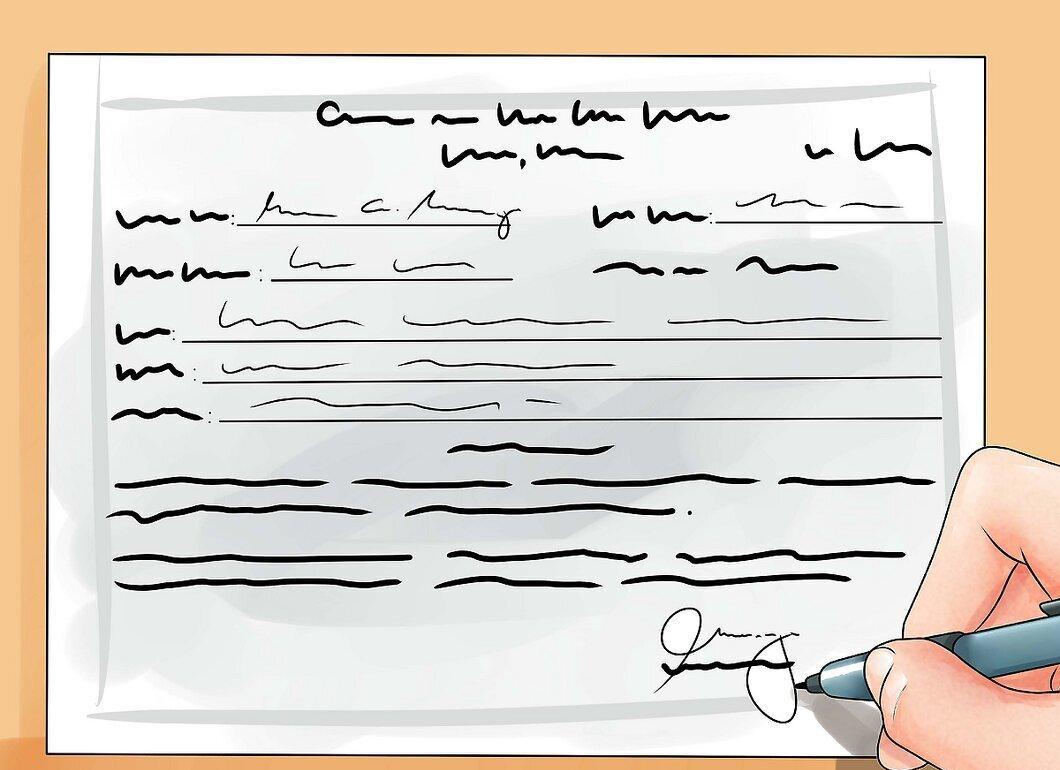
Find out if you need a permit to hold a garage sale. Contact local authorities to determine if there are any restrictions.
- Different rules apply to garage sales, including advertising locations, hours, and frequency of events. These rules help distinguish temporary sales from regular trading in residential areas.
- It’s better to find out the details in advance and pay a small fee for a permit than to lose all your profits to fines.
Step 2. Organize a Joint Sale.
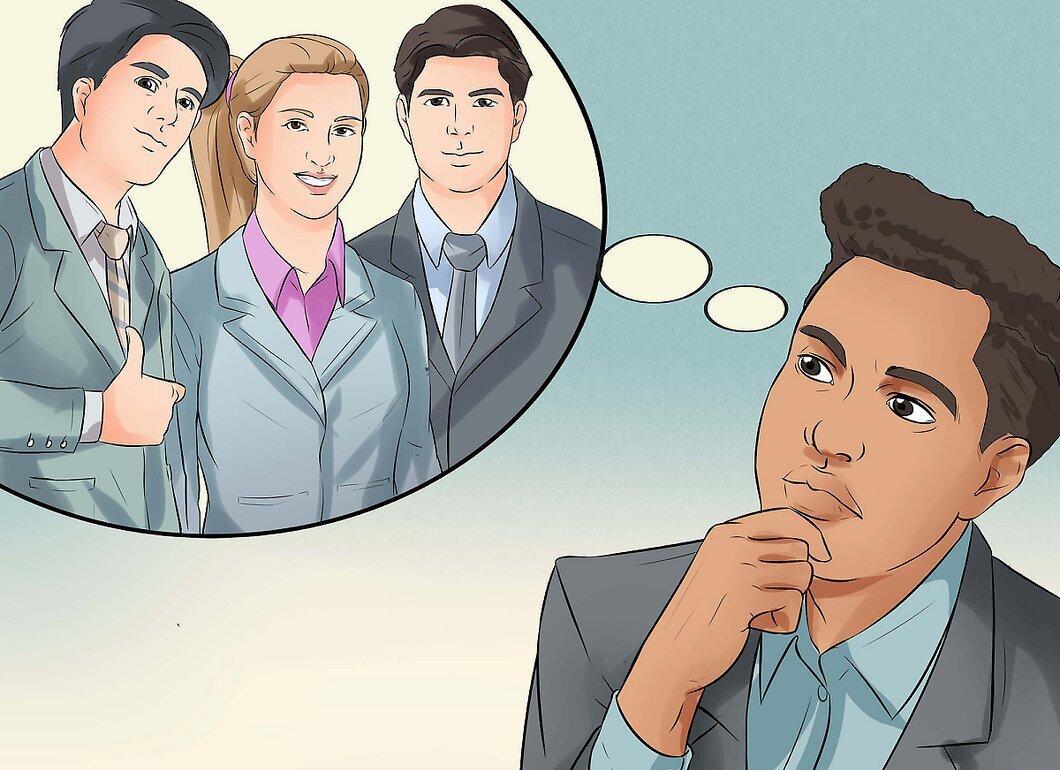
Invite neighbors and families to participate in the sale with you. Each family will attract their customers, who can then visit other yards. Joint sales are usually more successful than individual ones.
- In this case, use different price tags and distinctive signs so that the cashier doesn’t confuse whom to sell items to.
- If your items are sold alongside others, inform the other sellers or cashier which items can be sold at a reduced price.
Step 3. Set a Date and Time.
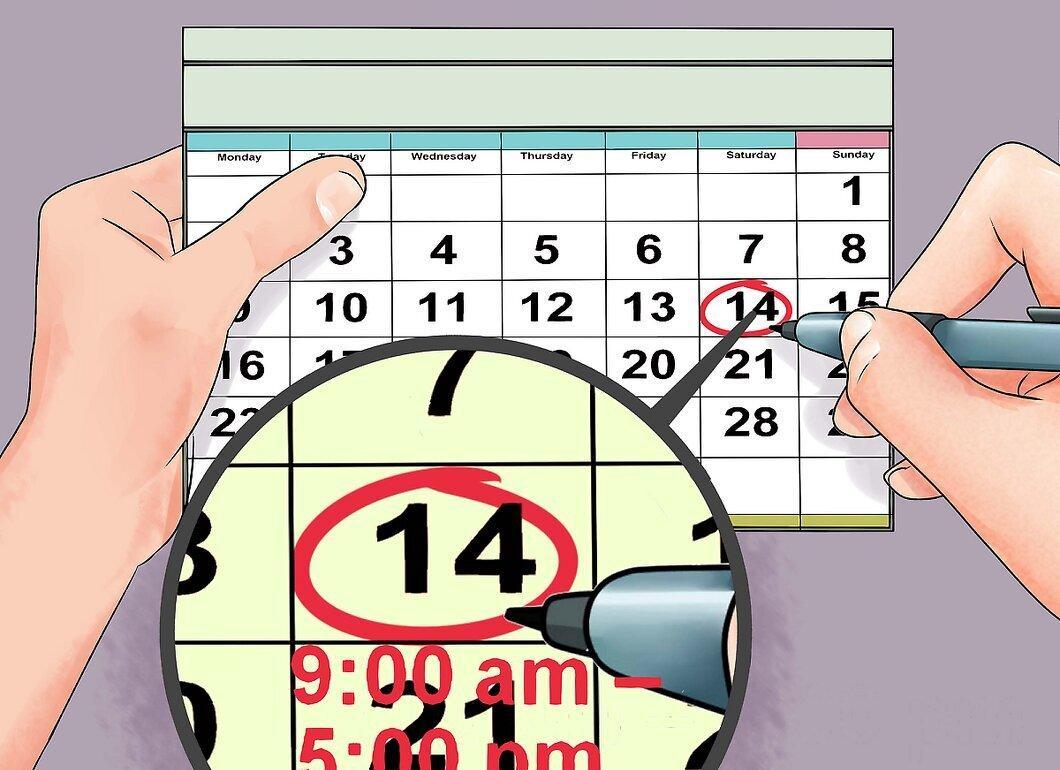
Choose an appropriate date and time for the sale. A two-day event typically allows you to sell almost everything. The optimal time is the weekend, especially Friday and Saturday, when there are more buyers.
- Garage sales typically start at 8 AM and run until evening. Plan to hold the sale all day. For example, from 9 AM to 6 PM.
- Keep an eye on the weather forecast to avoid rain or extreme cold on sale day. People are more likely to come out when it’s warm.
- Make sure your sale doesn’t coincide with other events or holidays; otherwise, potential buyers might go elsewhere.
- Some areas have special "Annual Sale" days. Don’t miss the chance to hold your sale during this time, as shoppers are more willing to hit the streets. You can find out about these days in the newspapers.
- Avoid holding sales on days when roadwork is being done. Closed roads can hinder buyers from reaching you and deter them from coming.
Step 4. Choose a Location for the Sale.
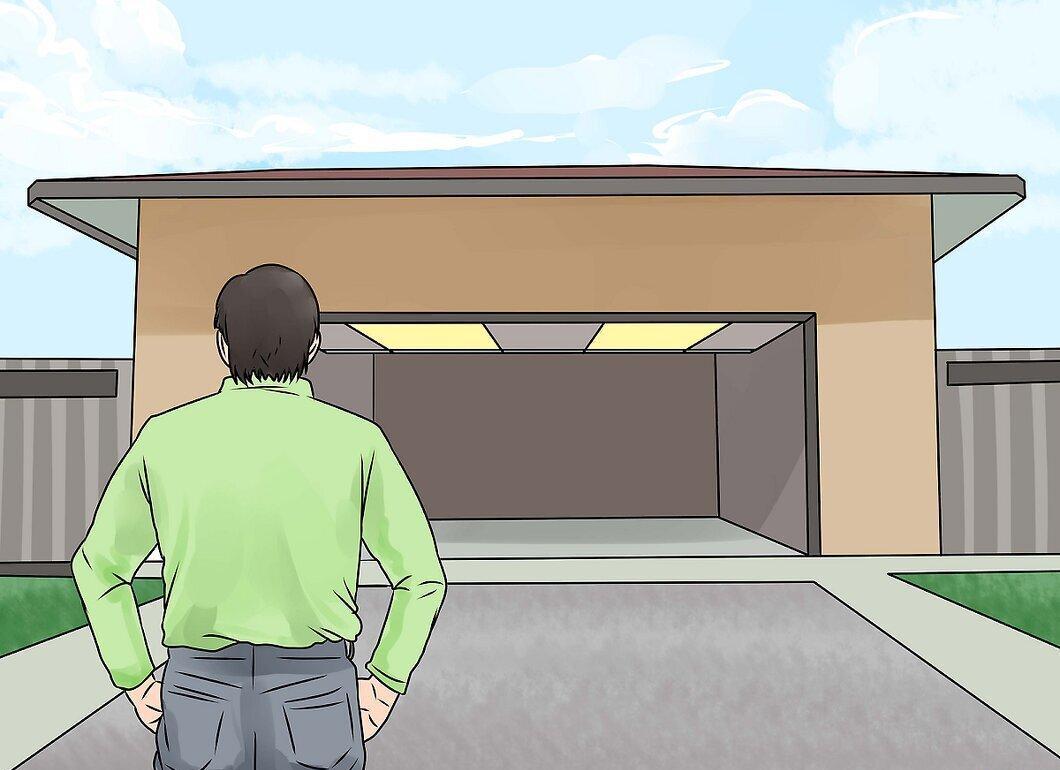
If you’re organizing the sale alone, choose a location that is obvious to everyone, such as your yard, driveway, or open garage.
- For larger or charity sales, choose a place that has enough space for all participants and is easy for buyers to find. These sales are often held in parks or parking lots.[3] Source
Step 5. Advertise the Sale.
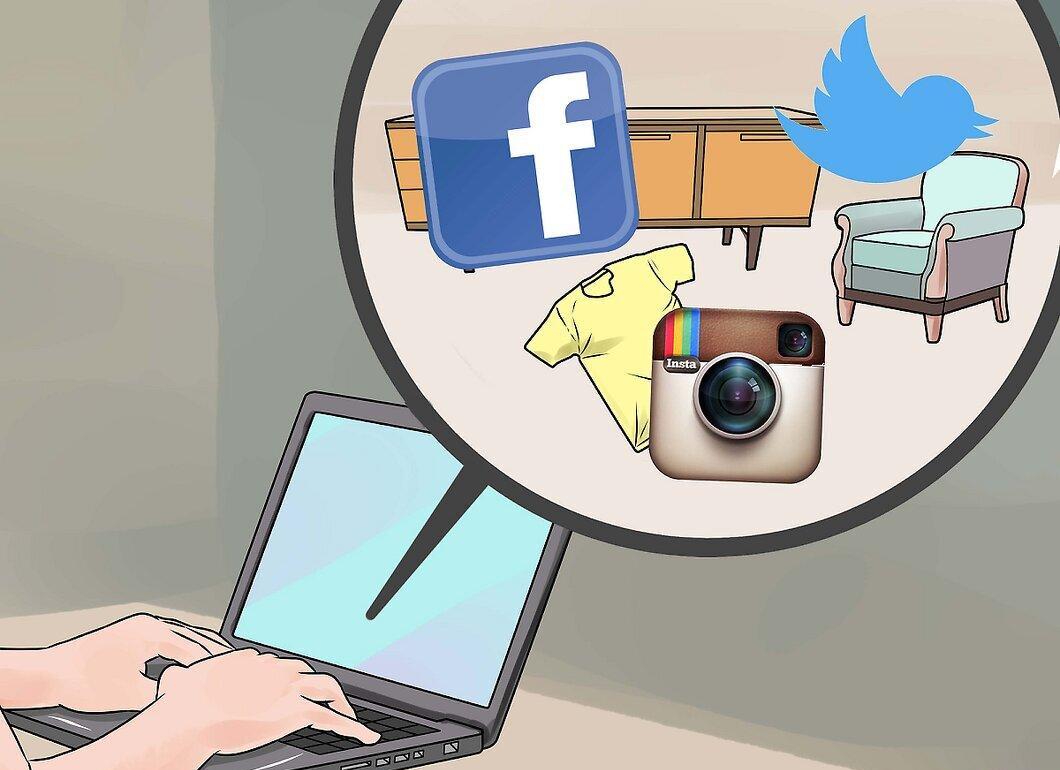
While it’s not mandatory to post announcements in advance, they significantly increase foot traffic.
- Place an ad in the local newspaper. If the sale is scheduled for Friday, your ad should appear by Thursday at the latest. To ensure your ad is included in the right issue, contact the newspaper in advance.[4] Source
- Post announcements in free newspapers, on bulletin boards in stores and pharmacies. Don’t forget about word of mouth.
- Utilize free ad websites to spread the word.[5] Source
- Publish posts on Facebook, Twitter, Instagram, VKontakte, and other social networks. Invite all your virtual friends and followers to the sale.
Step 6. Create Flyers.
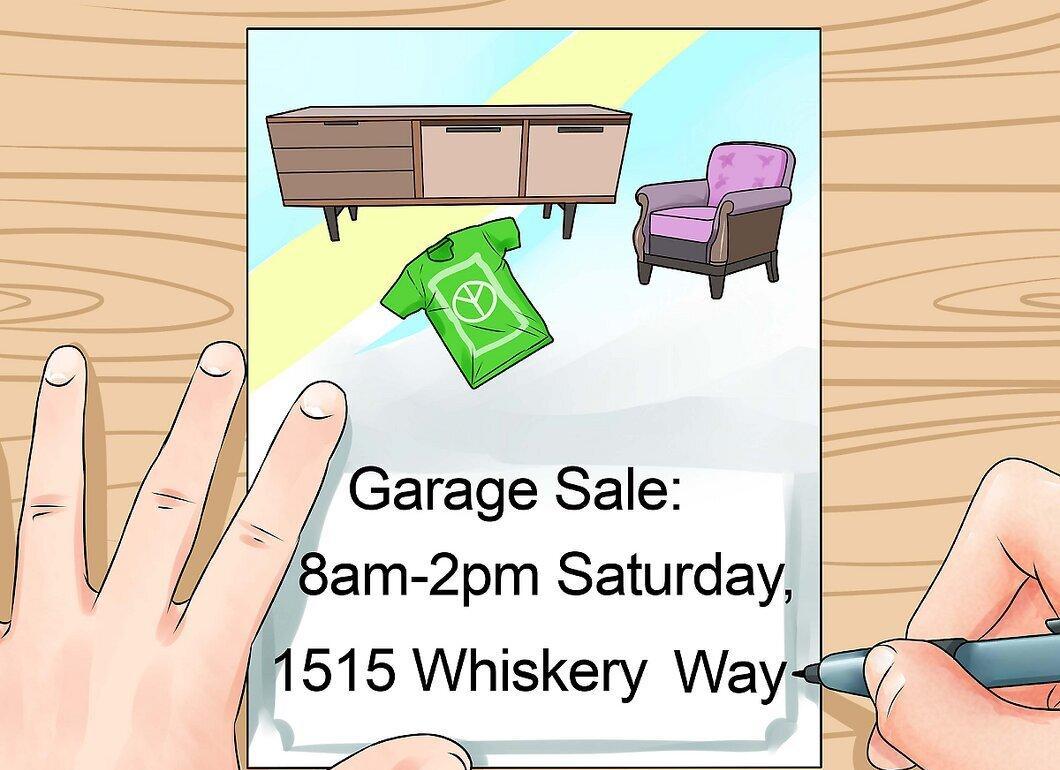
Prepare flyers a few days before the sale, indicating the date, time, and location, as well as a brief list of the most interesting items (if space allows).
- Include information on the flyer like "Sale from 8 to 2 on Saturday, Vine Street, House 7" or "Big Sale on Saturday at Vine, 7" with an arrow pointing to your house.
- Ensure that important information is clear and legible from a distance. The word "sale" should stand out, so write it in large letters.
- Use bright colors and clear lettering.
- Flyers should be made of sturdy material so they won’t bend in the wind—use poster paper or corrugated cardboard.
Step 7. Hang Flyers Around the Neighborhood.
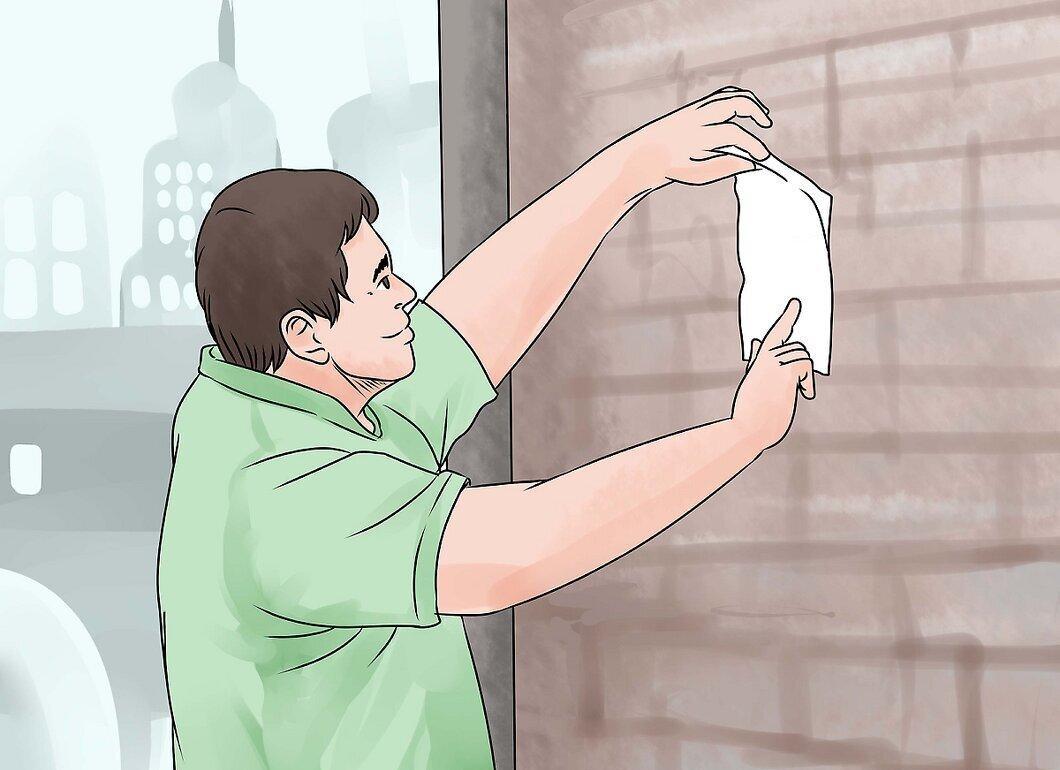
Place flyers in high-traffic areas a few days before the sale. Attach them to poles, trees, and signs.
- Don’t forget to put signs at the entrance to your neighborhood and at your house.
- If you live near a main road, place flyers on telephone poles and signs near the road. Ideal spots for signs are bus stops and traffic lights.
- Follow local regulations regarding the placement of advertising flyers.
Organizing the Sale
Step 1. Clean Up the Yard and Garage.
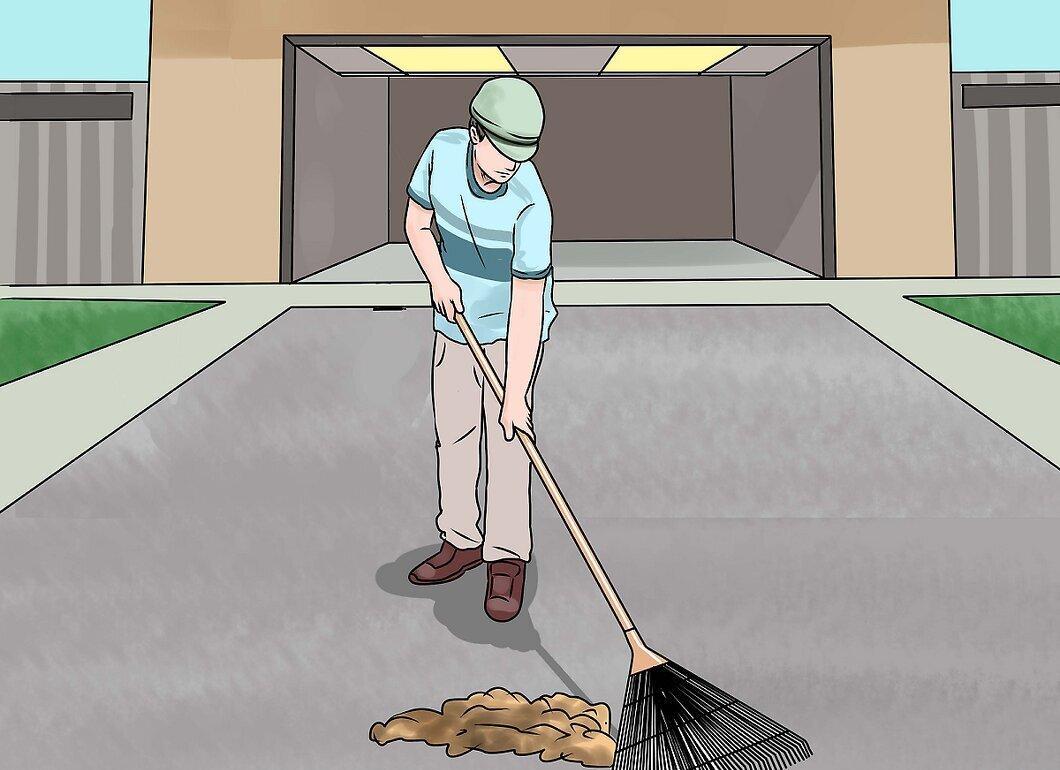
Make sure your yard and garage are tidy. Buyers generally prefer shopping from neat and considerate sellers. Browsing and selecting items is much more pleasant in a clean and well-maintained space.
- Tidy up the lawn, pick up trash, and prepare the area for the items.
- Ensure that buyers have parking space. Move cars that usually park in the yard and park them on another street or ask neighbors to move them during the sale.
Step 2. Find Enough Tables and Shelves.
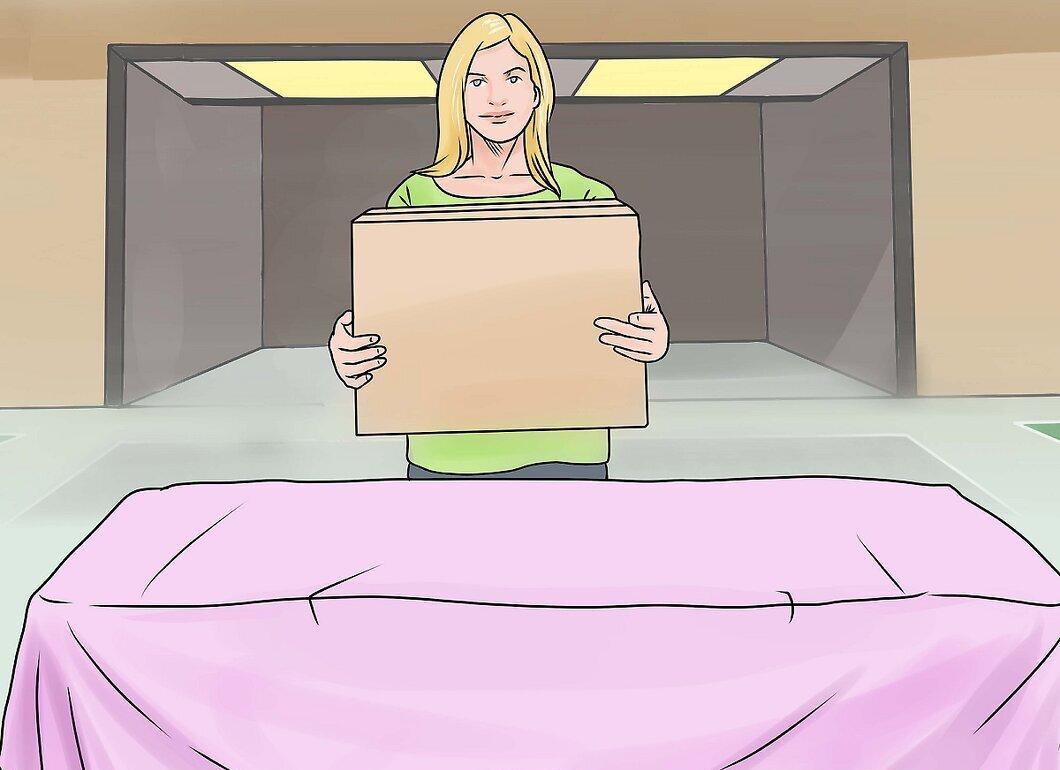
Ensure you have enough tables or shelves for your items.
- While buyers can see and pick up items on the ground, small items are better placed on tables to avoid damage.
- If you plan to display furniture, make sure it doesn’t get mistaken for sale items. Cover tables with tablecloths to hide them and leave only space for displaying goods.
Step 3. Prepare Change.
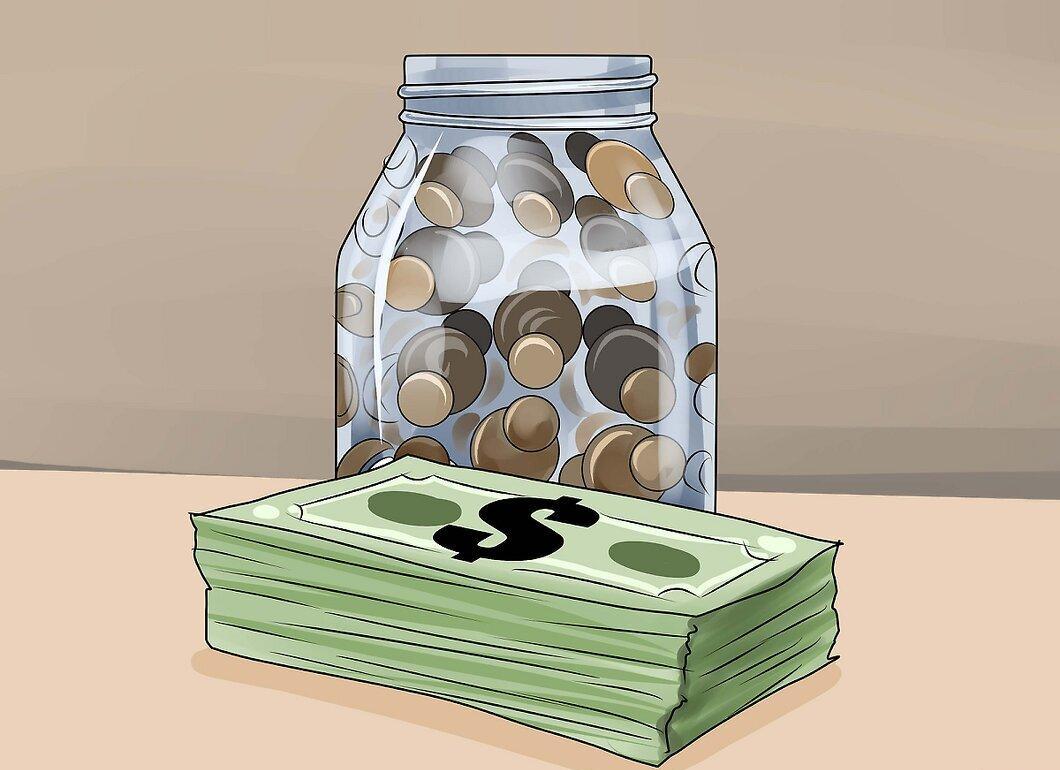
Make sure you have enough small bills for change. Not all buyers have exact amounts, so having change will help you close deals.
- If you don’t have enough small bills, stop by the bank and exchange large notes a day before the sale. Don’t forget about coins.
- Carry a fanny pack or apron with pockets for convenience. One side can be used for bills, and the other for coins.
- Keep larger bills at home to minimize risks in case of theft.
- If you have a smartphone or tablet, offer buyers the option to pay via bank transfer. This might attract buyers interested in more expensive items, like furniture or antiques.
Step 4. Set Up Items on the Morning of the Sale.
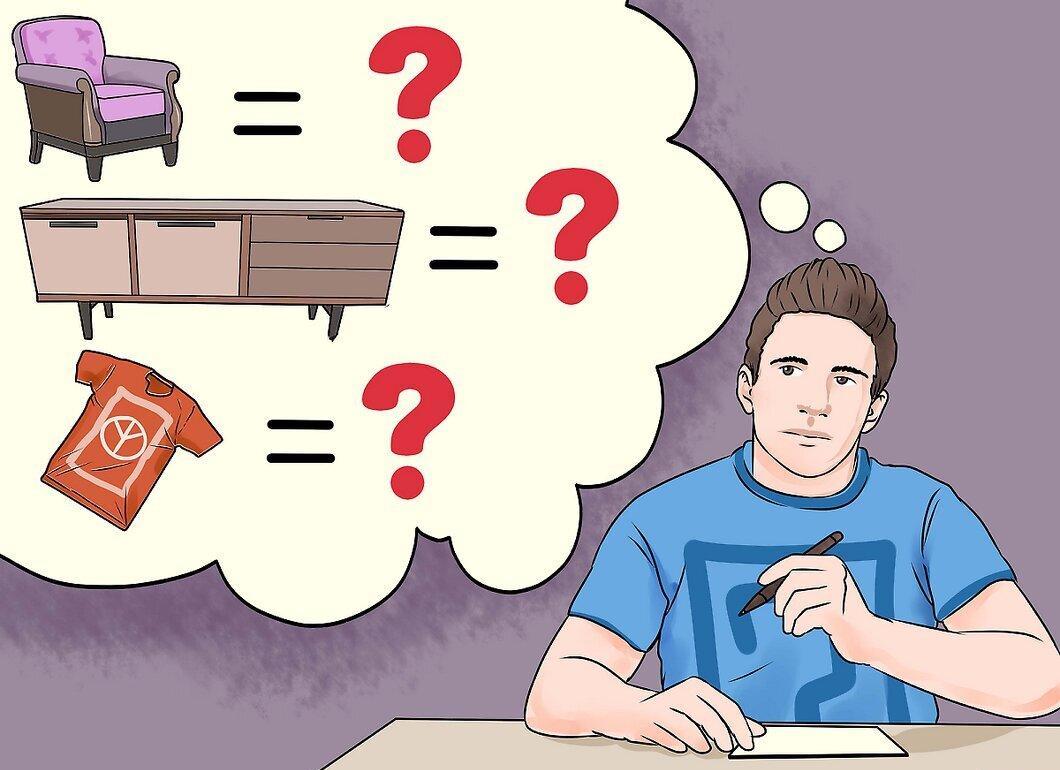
Get up early and arrange the items in the area. Ensure you have enough time to prepare.
- Ask friends or family to help you with the morning setup.
- The day before, plan how and where you will set up tables and items. Experienced buyers often arrive early to snag the best items.
- Don’t leave items unattended overnight to avoid theft or damage.
- Place signs only after everything is ready to avoid attracting attention too early.
Step 5. Create an Attractive Display.
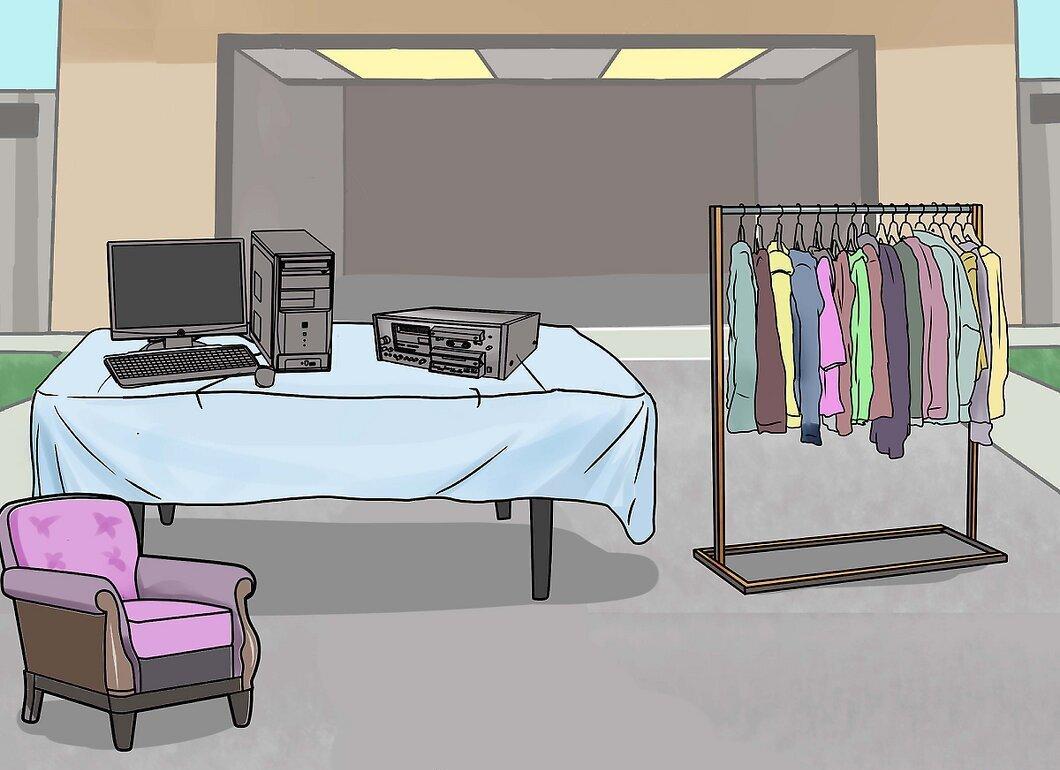
Create an attractive display to catch buyers’ attention.
- Take items out of boxes so they can be seen from a distance.
- Place the most valuable and interesting items closer to the street to draw attention.
- Ensure that items look neat and that there’s enough space between them for browsing.
- Hang clothes on ropes between trees or from the ceiling in the garage for easier viewing.
- Use balloons to attract attention to the sale.
Step 6. Offer Refreshments.
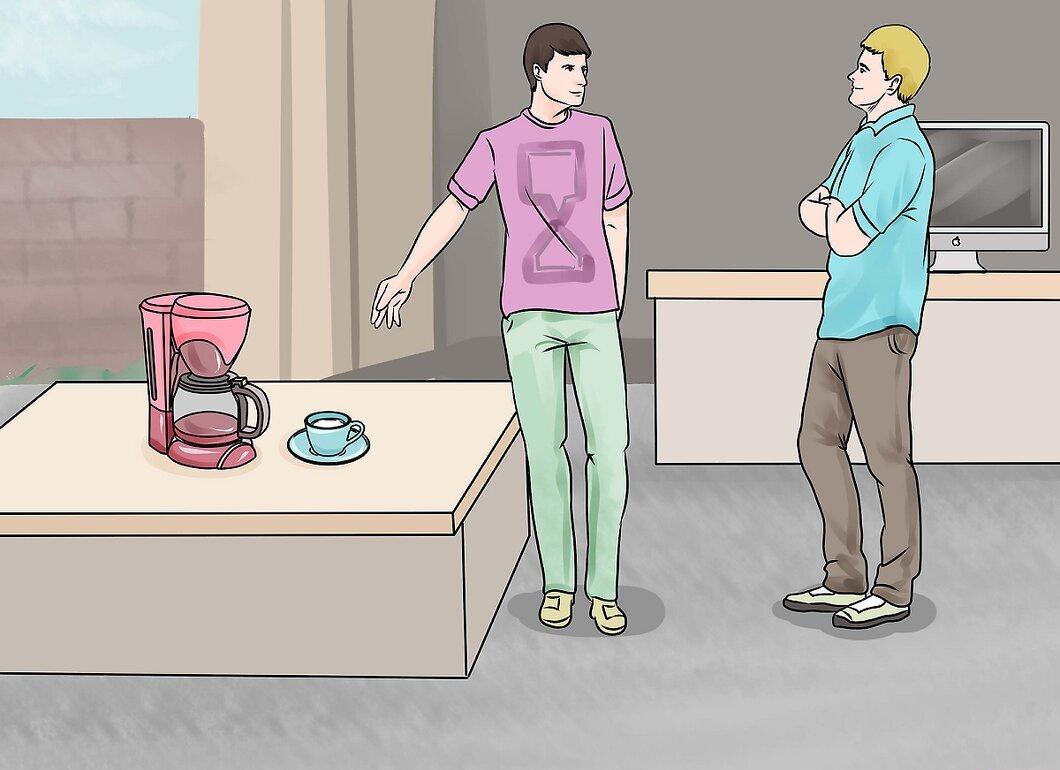
Offering refreshments can draw in more people. Provide your homemade treats or drinks.
- Coffee and sweets may keep buyers lingering at the sale and encourage them to buy more.
- Seeing other buyers may prompt people to stop and browse.
Running the Sale
Step 1. Be Active and Friendly.
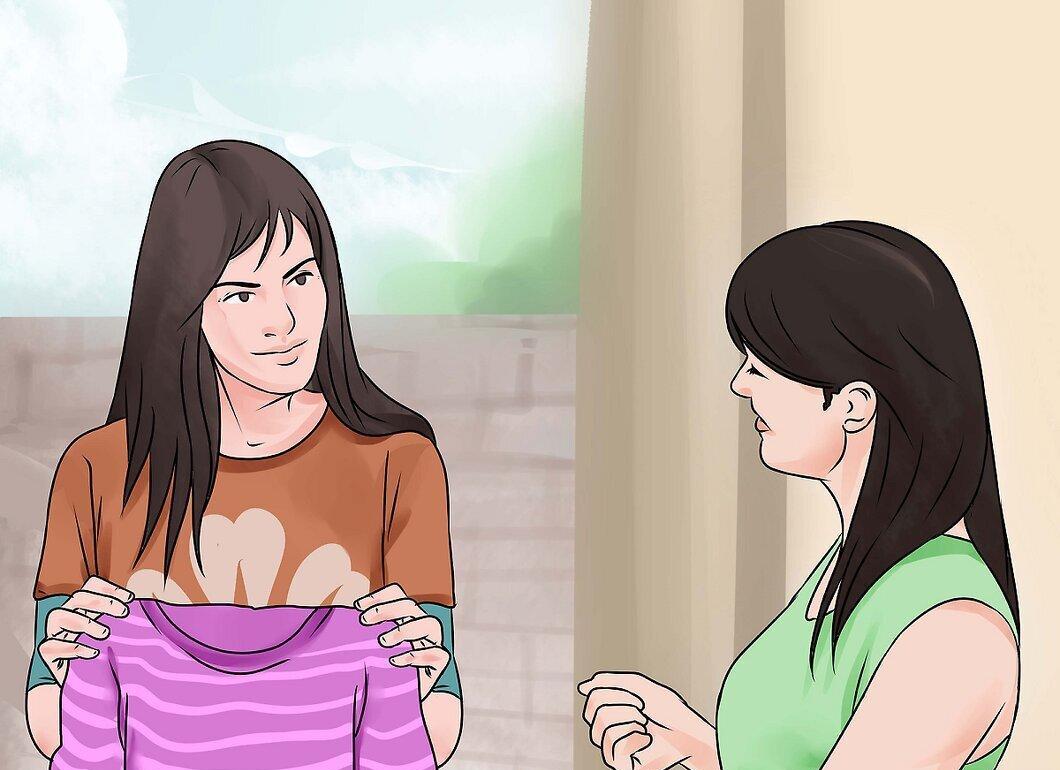
Approach the sale with an energetic mindset. A garage sale requires energy and activity, much like retail.
- Greet each buyer with a smile.
- Offer your assistance, but don’t hover if a buyer declines. People like to feel comfortable and don’t appreciate being watched too closely.
- Offer bundle deals, such as discounts on multiple items. Remember, items won’t sell themselves.
Step 2. Find Helpers.
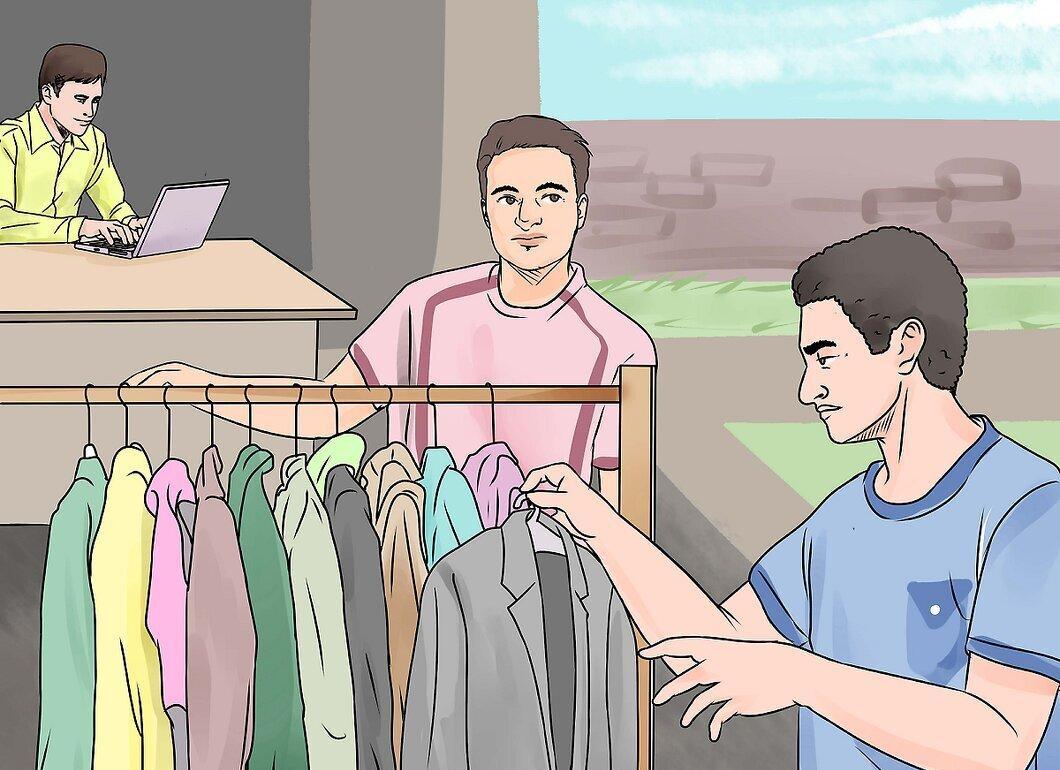
Ask friends or family to help you during the sale. This ensures safety and convenience.
- Helpers can also keep an eye on the merchandise while you’re busy.
- Avoid leaving the sale unattended, especially with small children around.[7] Source
Step 3. Maintain Order.
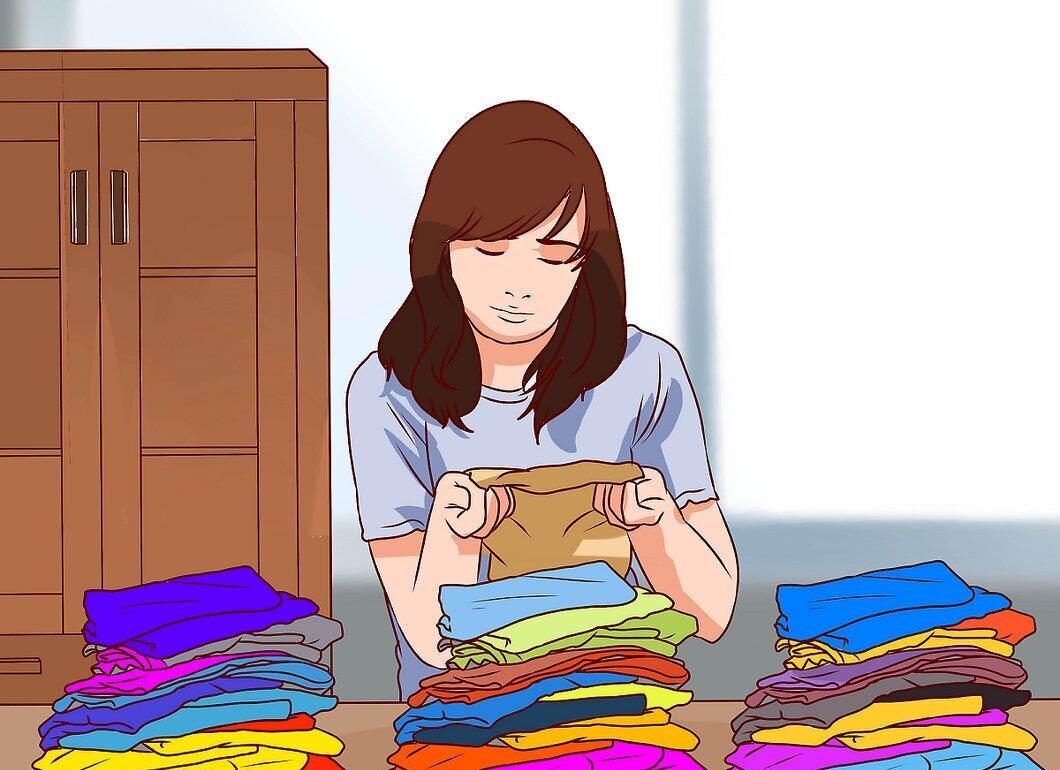
Keep things organized while the sale is ongoing. Items may get moved around, and some may get damaged.
- Make sure all items are in their places while you chat with buyers.
- Move items around so that the most interesting ones are visible.
Step 4. Be Ready to Negotiate.
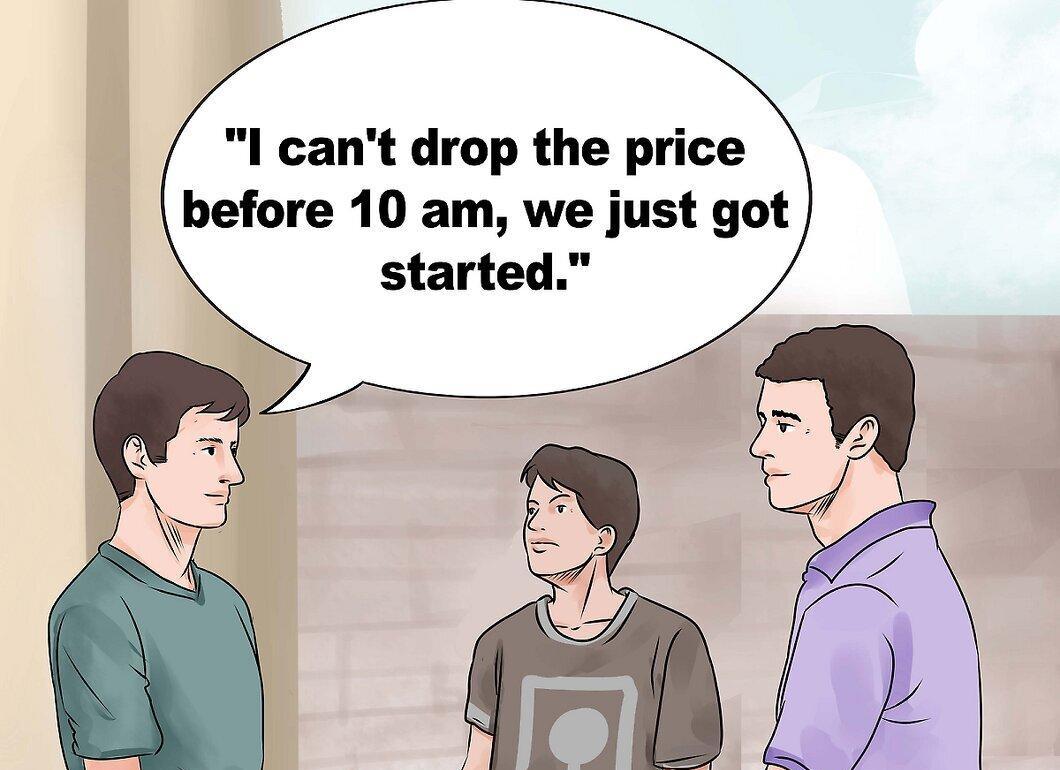
People often negotiate, even with set prices. Encourage this process as it can help you sell more.
- Don’t hesitate to accept or decline offers, as your goal is to get rid of items.
- Don’t rush to lower prices too quickly. If the sale is well organized, you’ll have plenty of buyers willing to pay full price.
- If it’s a joint sale, lowering prices on other people’s items can only be done with their permission. If someone wants to buy at a lower price, say, "That’s not my item. I’m selling a friend’s things, and they didn’t allow me to lower the price."
Step 5. Offer Special Deals.
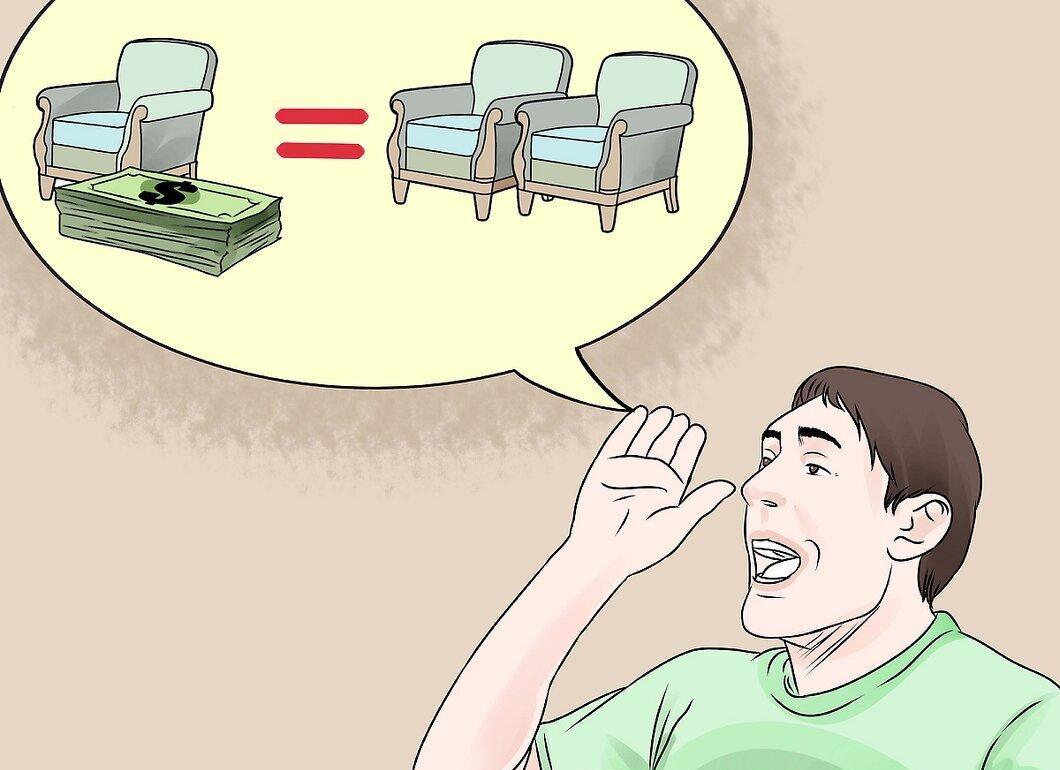
If there are leftover items at the end of the sale, propose hot deals to stimulate sales.
- For instance, offer: buy one item, get the second free;
- bulk discounts;
- two items for the price of one;
- discounts on items after a certain time.
Step 6. Don’t Close the Sale Early.
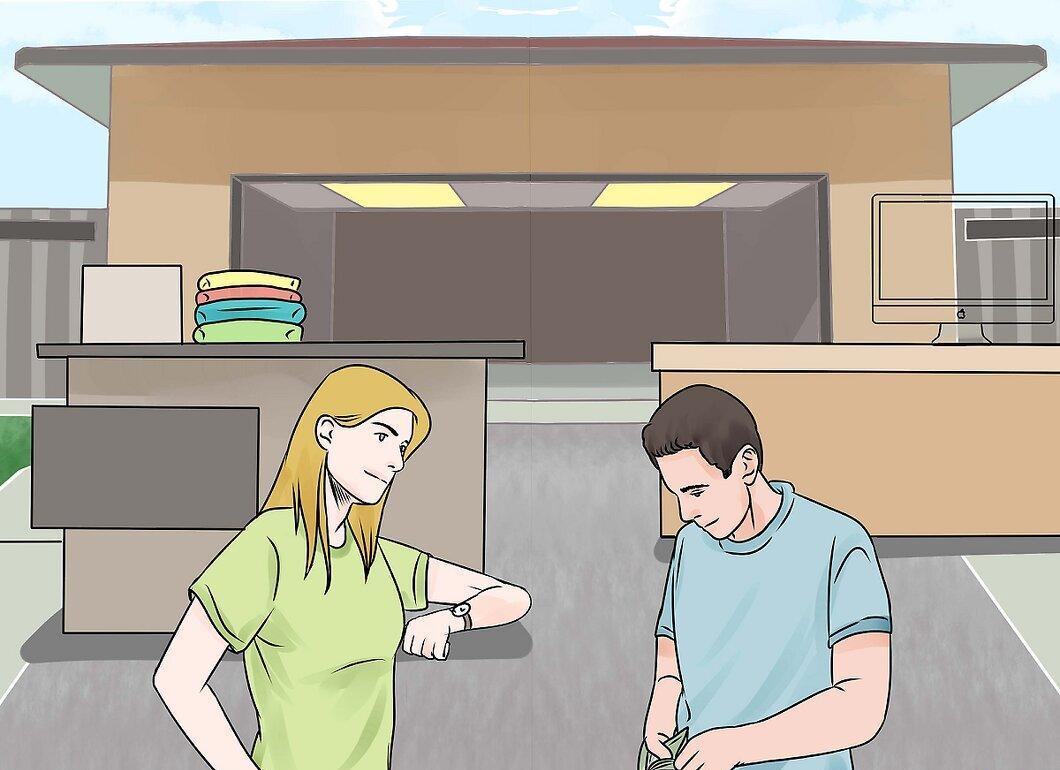
Give latecomers a chance. People may arrive at any time, even if there haven't been any buyers for a while.
- Stick to your schedule if you specified exact hours, such as 9 AM to 3 PM. Some buyers might show up at the last moment.
- Don’t rush to pack things up before closing, as you may miss the last few buyers who are ready to buy everything at once!
Step 7. Donate Leftover Items.
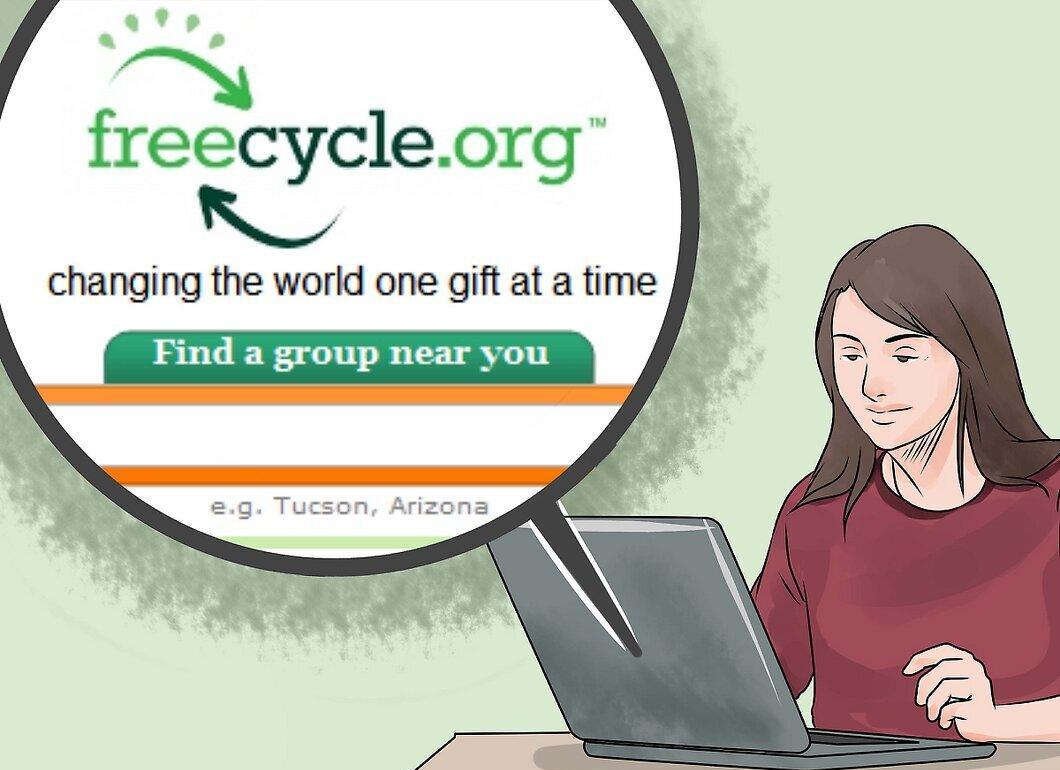
Don’t throw away items if they can be given to those in need.
- Post announcements or flyers stating that you wish to give away unwanted items.
- Share information about your leftover items with friends, neighbors, and family—they may need them.
- Contact local charities or thrift stores; they might pick up the remaining items.
Step 8. Take Down All Flyers and Signs.
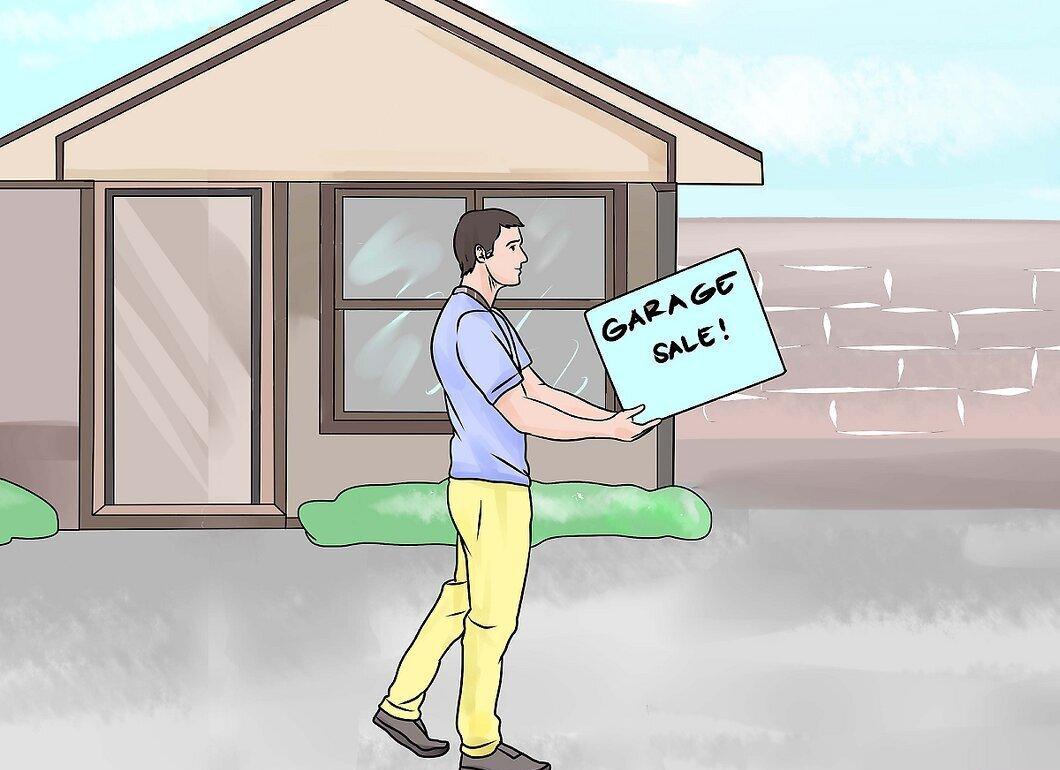
Don’t forget to remove all signs and flyers right after the sale. This helps keep your neighborhood tidy.
- Ask a friend to help take down the signs while you gather items and serve the last customers.
- If your address is on the flyer and it remains up, people will continue to come to you even after the sale is over.
Ensuring Safety
Step 1. Keep an Eye on Buyers.
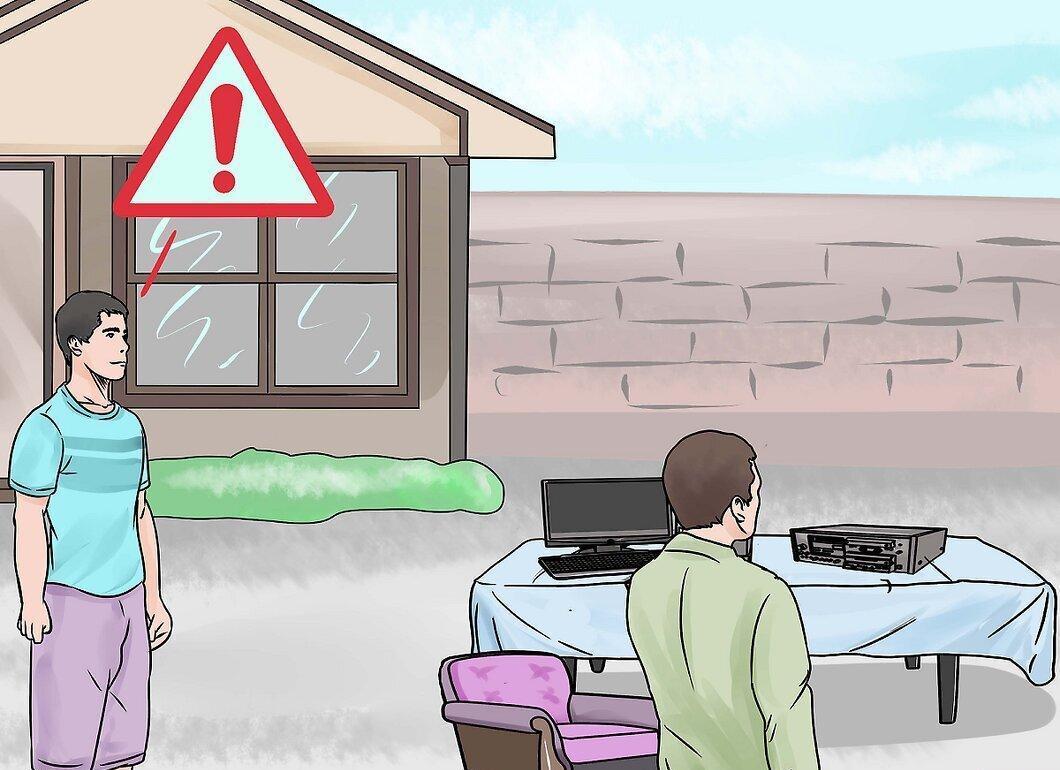
Be vigilant regarding buyers, as sales can attract potential thieves.
- Ensure a good view of the merchandise and don’t leave it unattended.
- Ask friends or neighbors to help watch over things. The more people watching buyers, the less chance thieves have.
- If you notice suspicious behavior, it’s better to call the police than to try to handle the situation yourself.
Step 2. Lock Your House.
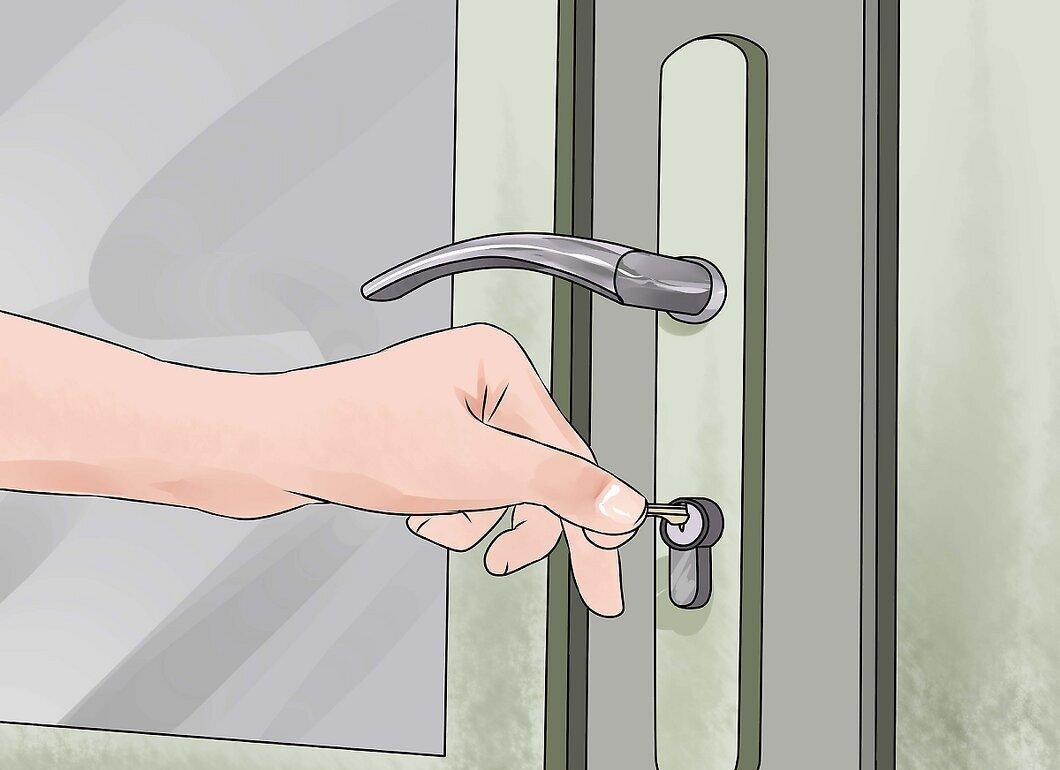
Lock the doors and windows of your home during the sale. Don’t forget about all entrances.
- Burglars may take advantage of the situation to steal your unsold items.
- While among a large crowd, keep an eye on everything happening.
Step 3. Keep Track of Money.
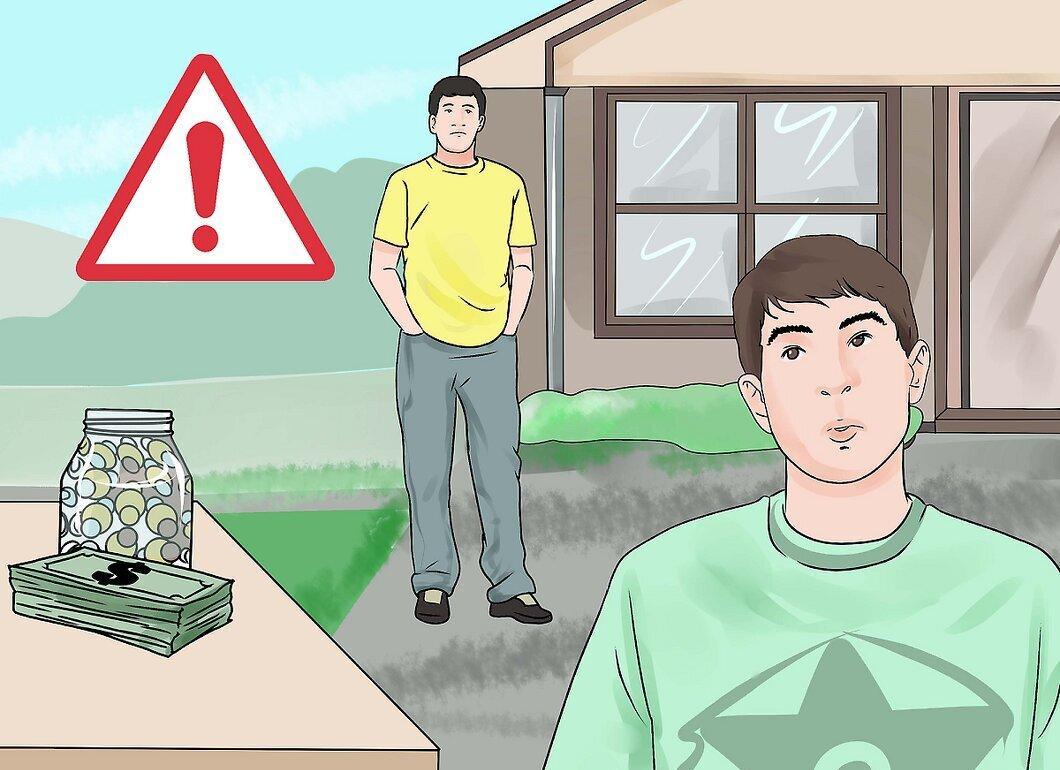
Don’t leave money unattended, as anyone might try to grab it.
- Keep money in a secure pocket or fanny pack.
- Don’t carry too much cash to minimize losses in case of theft.
- Use a marker to check the authenticity of bills if you receive large denominations.
Step 4. Ensure There’s a Restroom for Visitors.
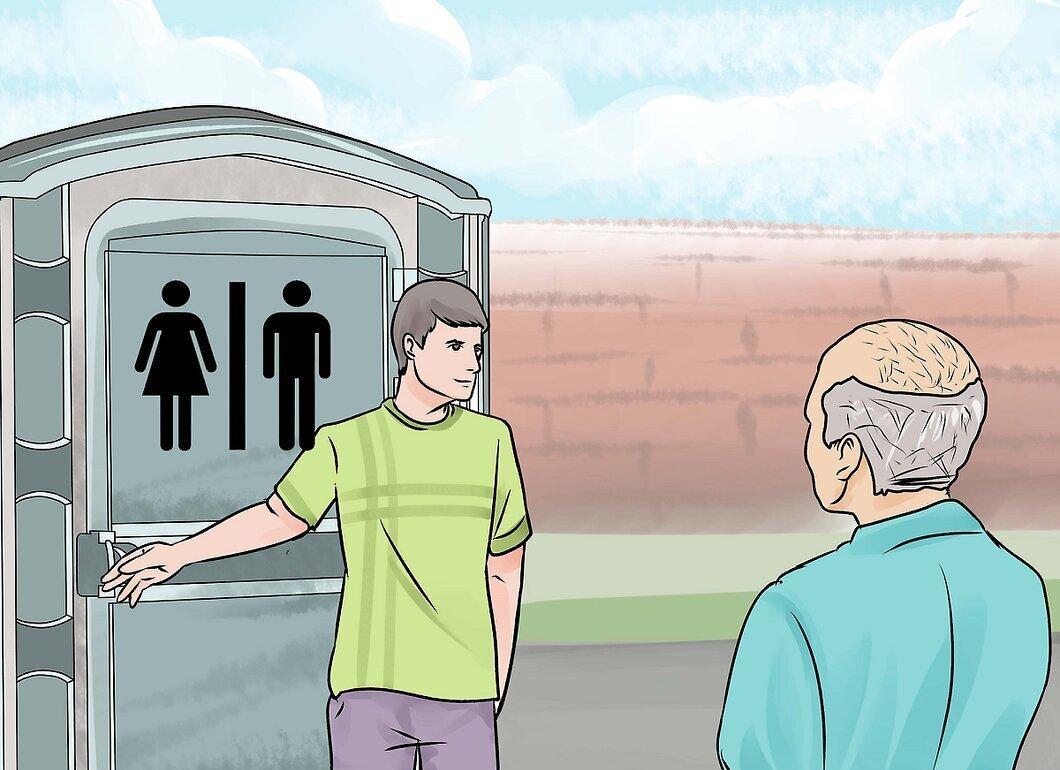
The larger the sale, the more people will attend. Some may need to use the restroom.
- You are not obliged to let everyone into your home, but you can make an exception for small children or elderly people.
- If someone asks to use your restroom, direct them to the nearest public building.