Teak is a magnificent hardwood that grows in tropical forests. Due to its ability to withstand various weather conditions, teak wood is widely used for making outdoor furniture. However, untreated teak can lose its rich color and turn gray. To prevent this, it should be treated with special stains. Before that, it is essential to prepare the surface by sanding and filling it.
Surface Preparation with Sandpaper
Step 1. Remove debris and dirt.
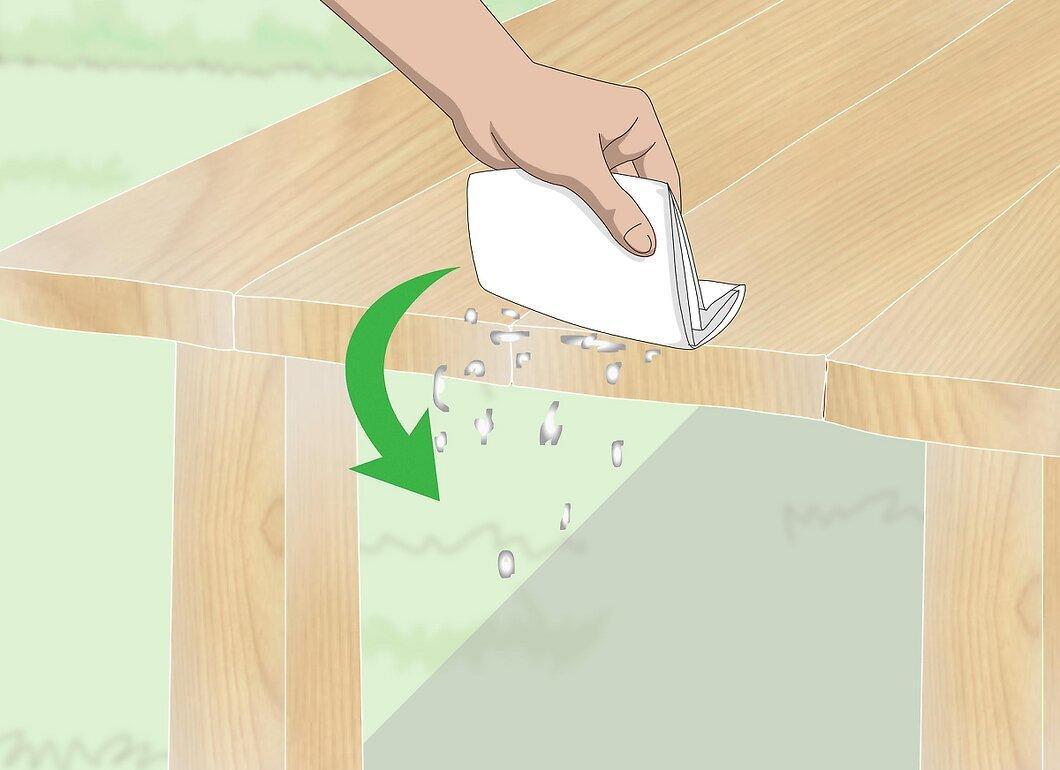
Start by removing all dirt, dust, and debris. Wipe the surface with a dry paper towel or cloth. For stubborn stains, use a slightly damp cloth.
- Avoid using cleaning agents, as they can damage the wood and complicate the treatment process.[1] X Source
Step 2. Sand rough areas with 120-grit sandpaper.
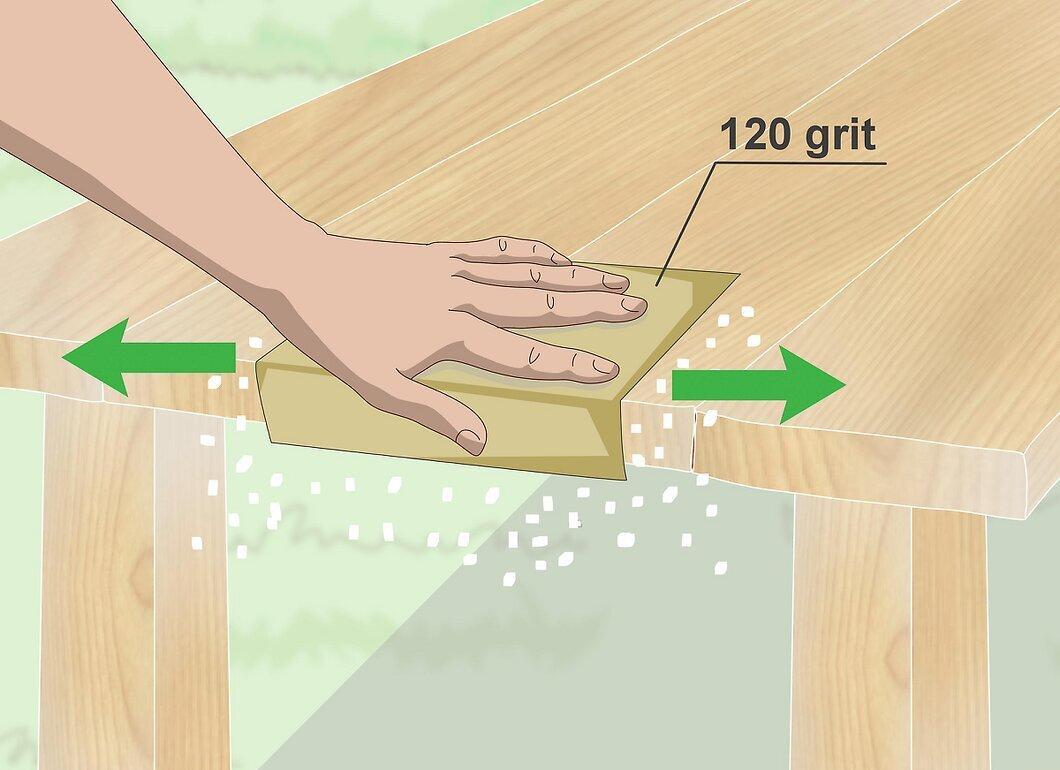
Sand the rough spots with 120-grit sandpaper. Run your hand over the furniture to identify any roughness. Use this sandpaper to smooth them out, checking the surface to ensure it is evenly smooth.
Step 3. Sand the entire surface with 80-grit sandpaper.
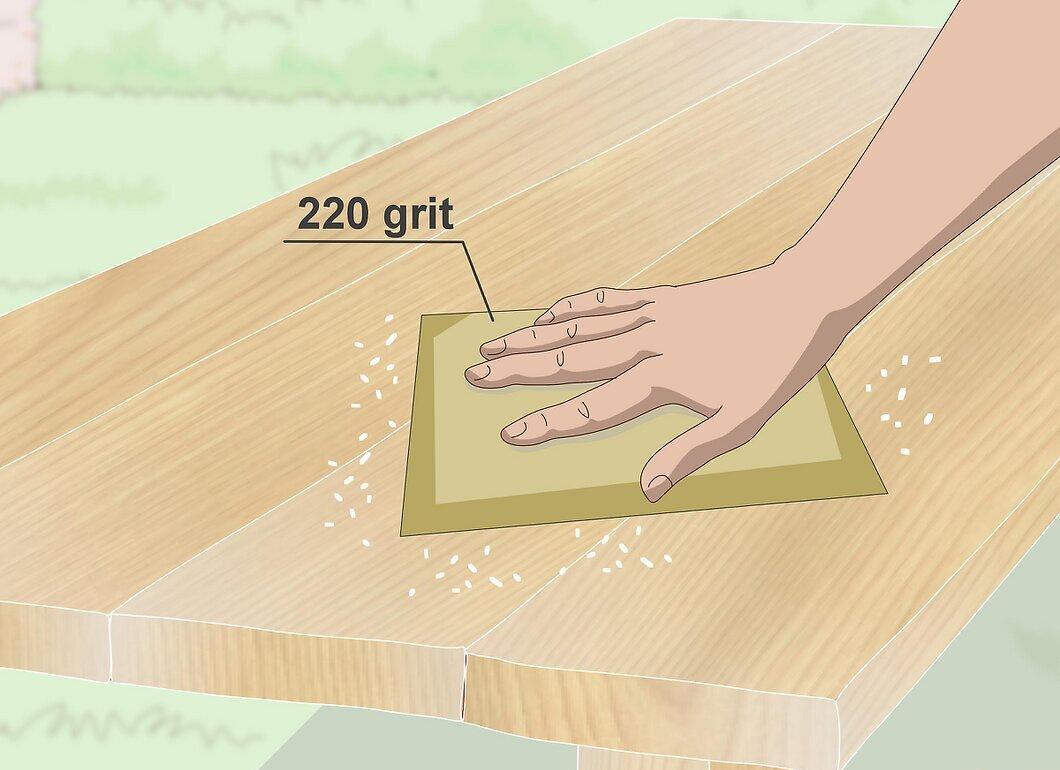
Now, sand the entire surface with 80-grit sandpaper. This is necessary to make the wood smooth and help it absorb the stain well. The surface should be even and pleasant to touch.
- Sand in the direction of the grain to avoid damaging the wood.
- Remove wood dust with a dry cloth.[3] X Source
Applying Primer
Step 1. Apply a coat of sanding primer.
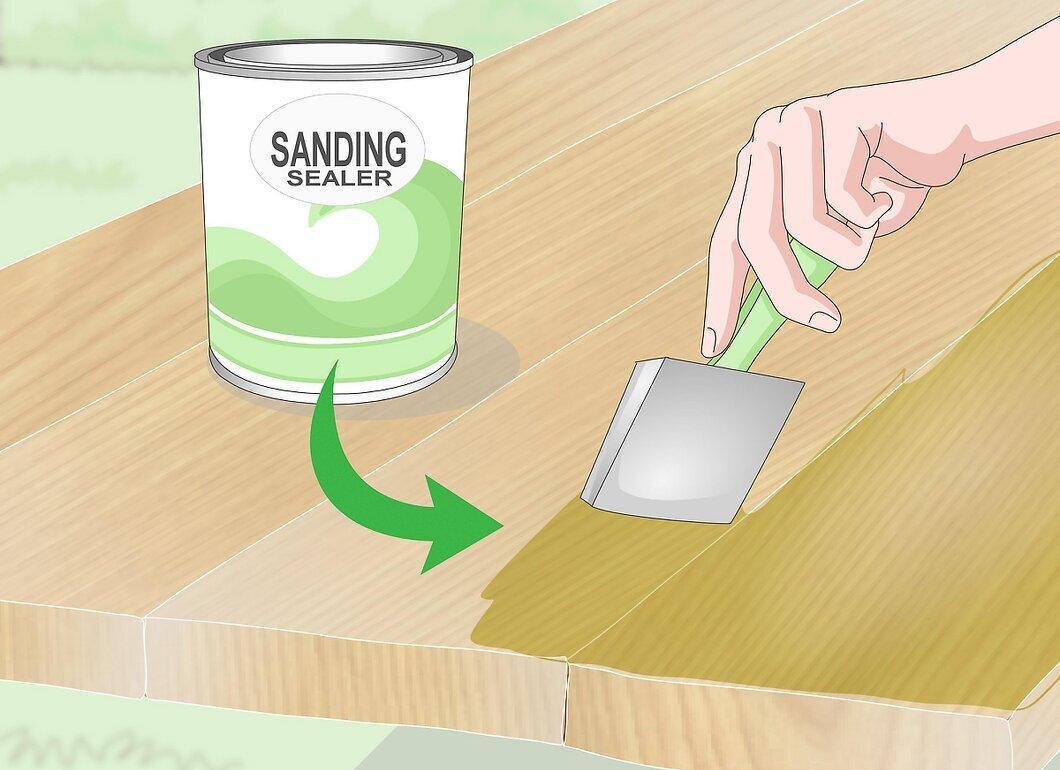
Start by applying a coat of sanding primer using a foam brush. This will help create a smooth surface and improve adhesion for the stain.
- To achieve a lighter shade, you can thin the primer with a solvent.[4] X Source
Step 2. Wipe off excess primer after a few minutes.
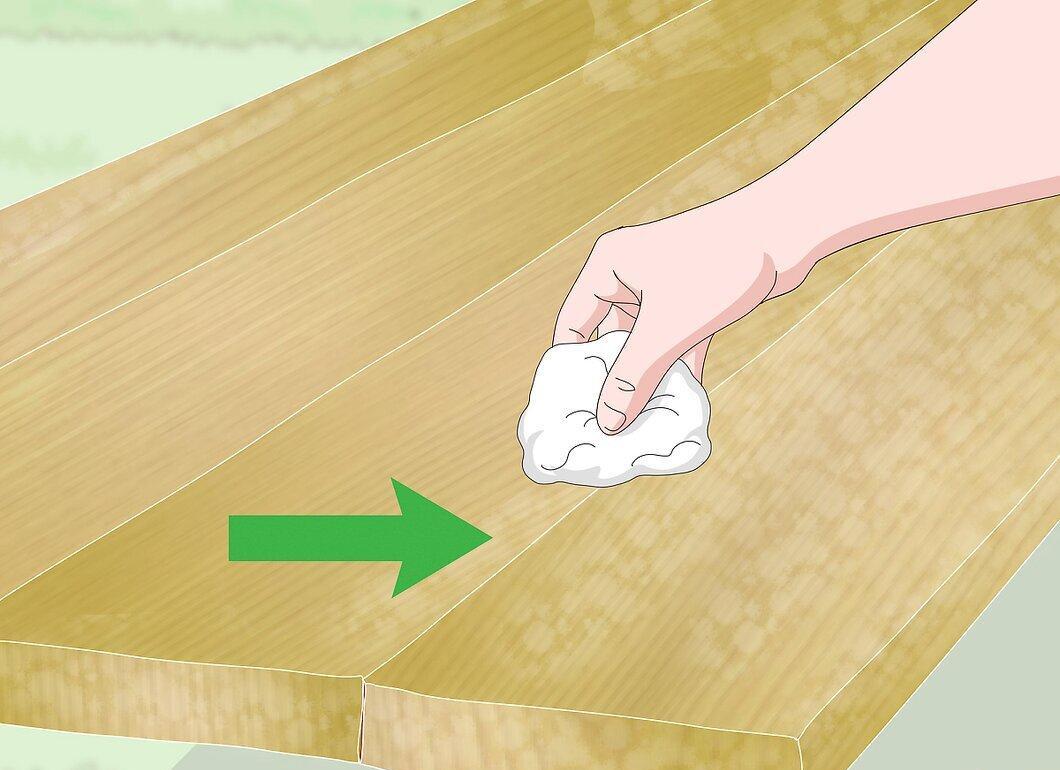
A few minutes after applying, wipe off any excess primer with a clean cloth. This will prevent spotting and ensure a smooth surface.
Step 3. Allow the primer to dry completely.
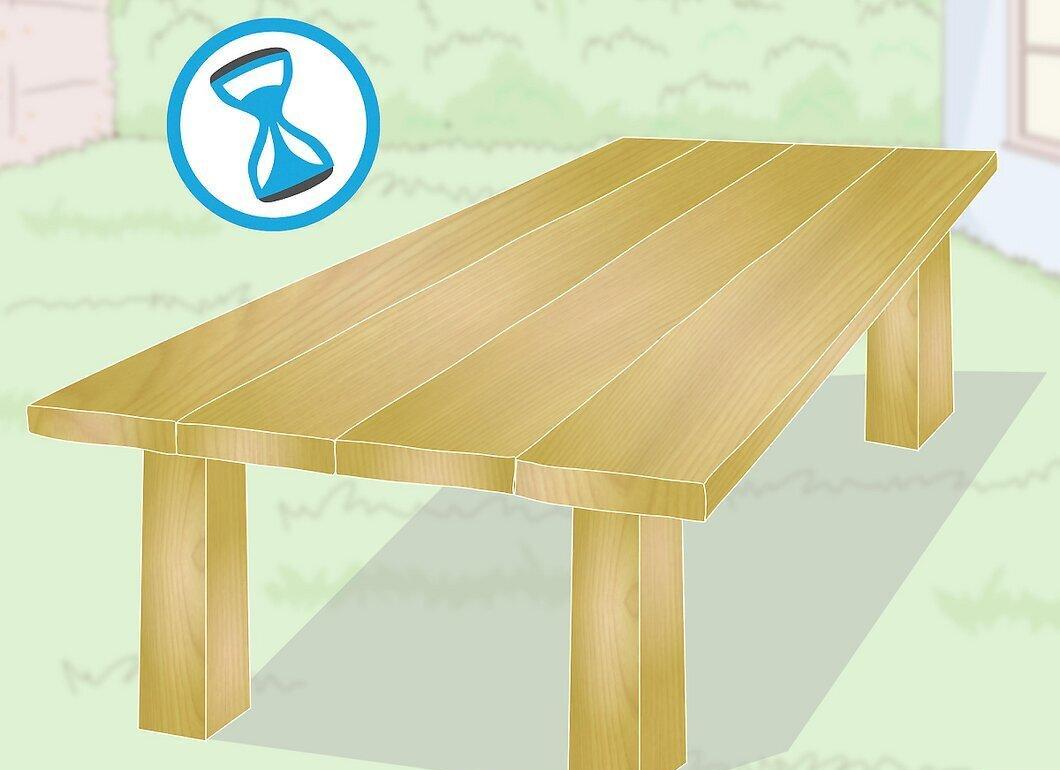
Wait for the primer to dry completely. This process usually takes a few hours.
Step 4. Sand the surface with 80-grit sandpaper.
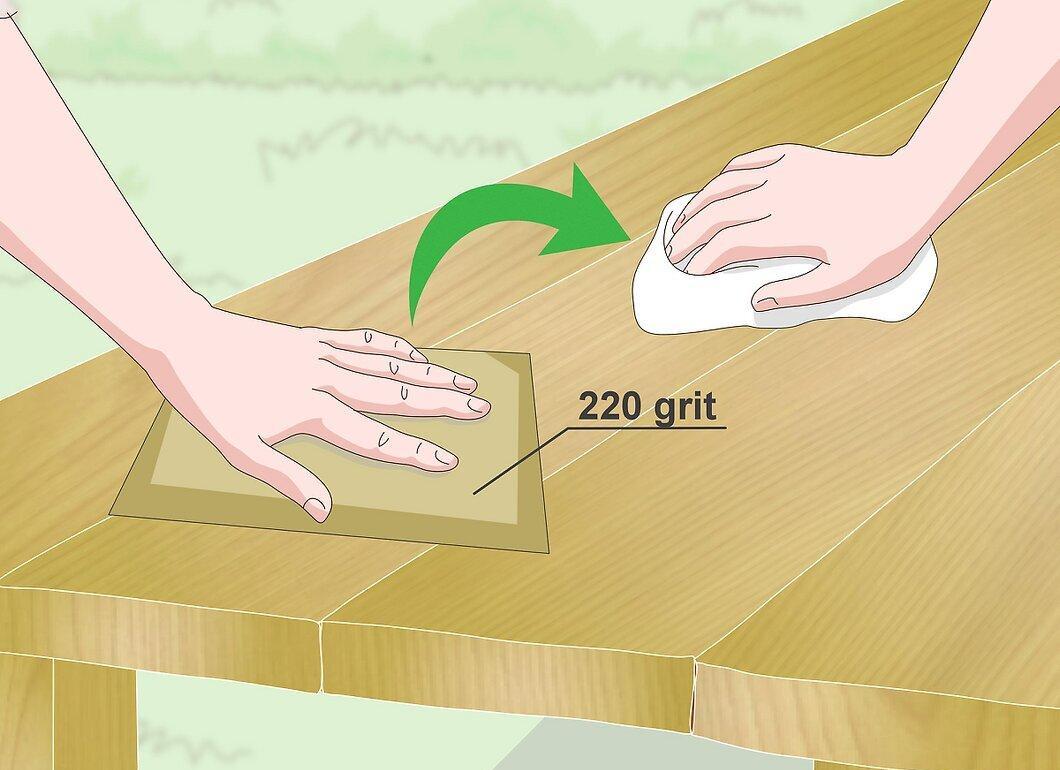
Once again, sand the entire surface with 80-grit sandpaper. Ensure that the entire wooden surface is smooth, as the primer may dry unevenly.
- After sanding, collect all the dust with a cloth.[7] X Source
Staining Teak Furniture
Step 1. Apply the stain.
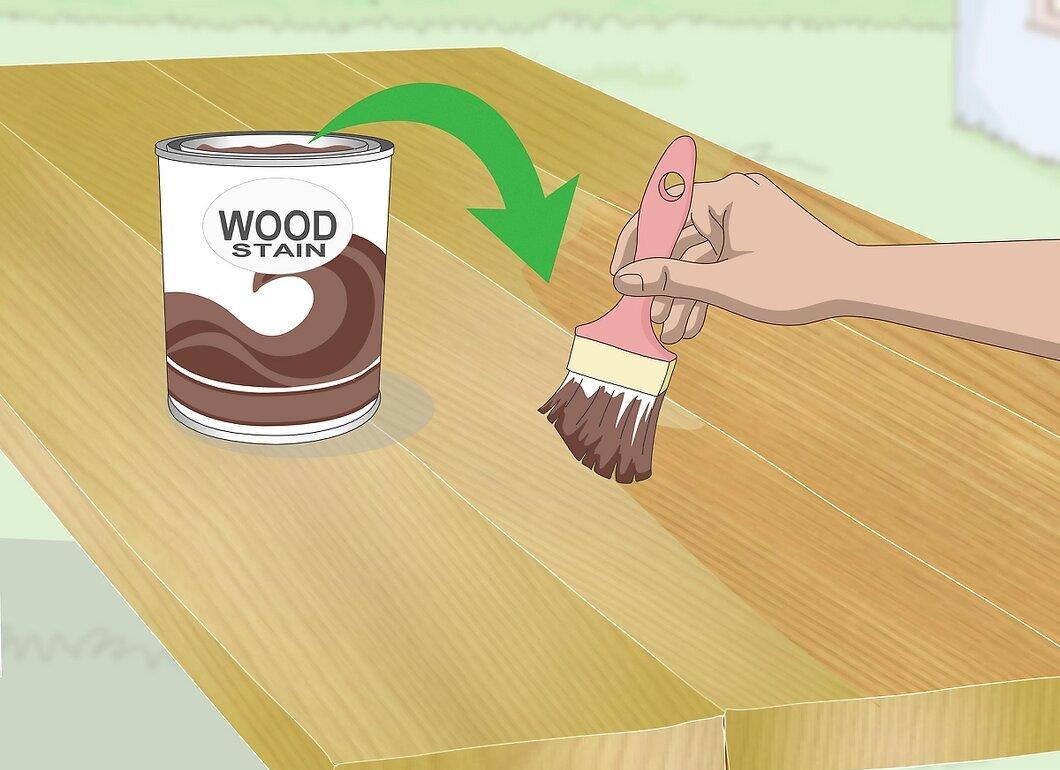
Evenly apply a coat of stain to the furniture. Both bristle brushes and regular cloths soaked in stain work well for this.
- If there are areas of the furniture you do not want to stain, use painter's tape to protect them.[8] X Source
Step 2. Wipe off excess stain.
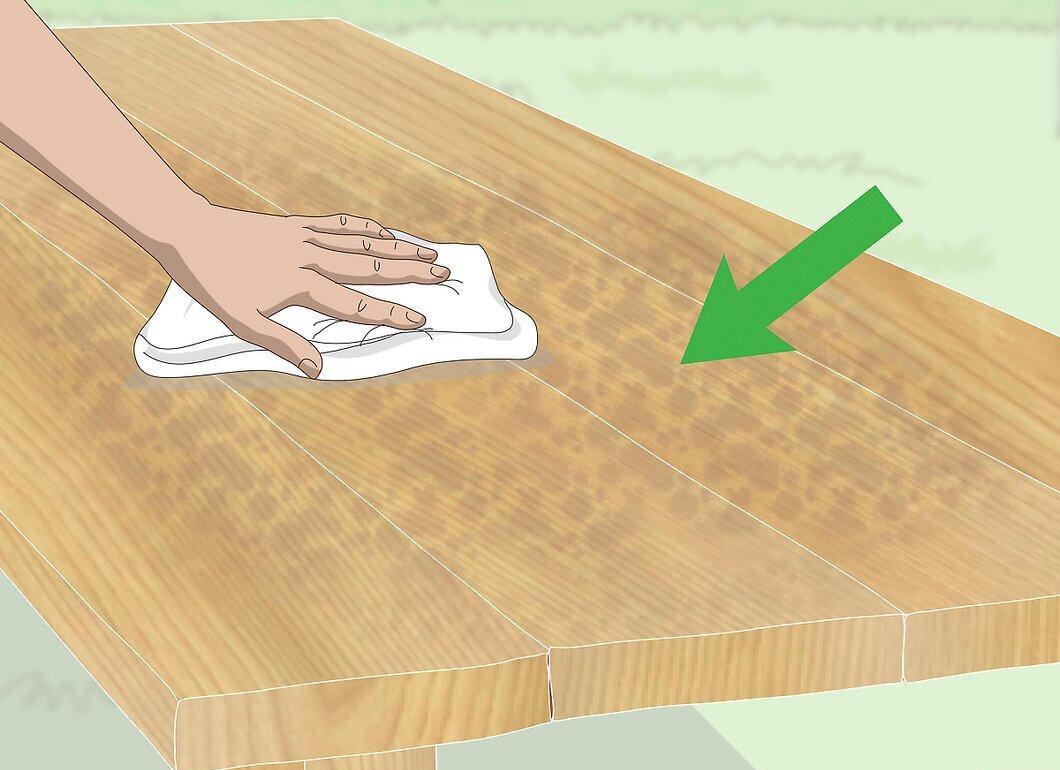
Use a clean, dry cloth to remove any stain that has not absorbed into the wood. Choose a cloth that you don't mind getting stained, as the stain can be difficult to wash out.
- The longer the stain remains on the surface, the darker the wood color will be.[9] X Source
Step 3. Wait for the stain to dry.
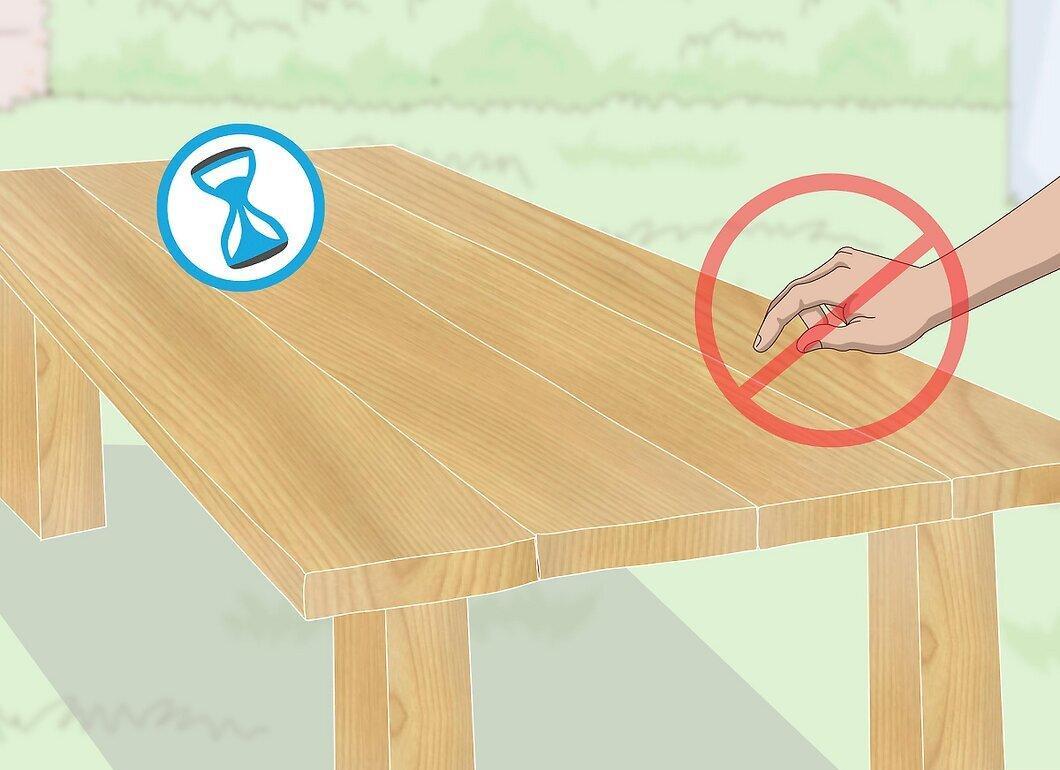
Wait for the stain to dry completely. Drying time depends on the thickness of the coat. Try to avoid touching the wet stain to prevent spots and unevenness.
Step 4. Apply an additional coat for a darker color.
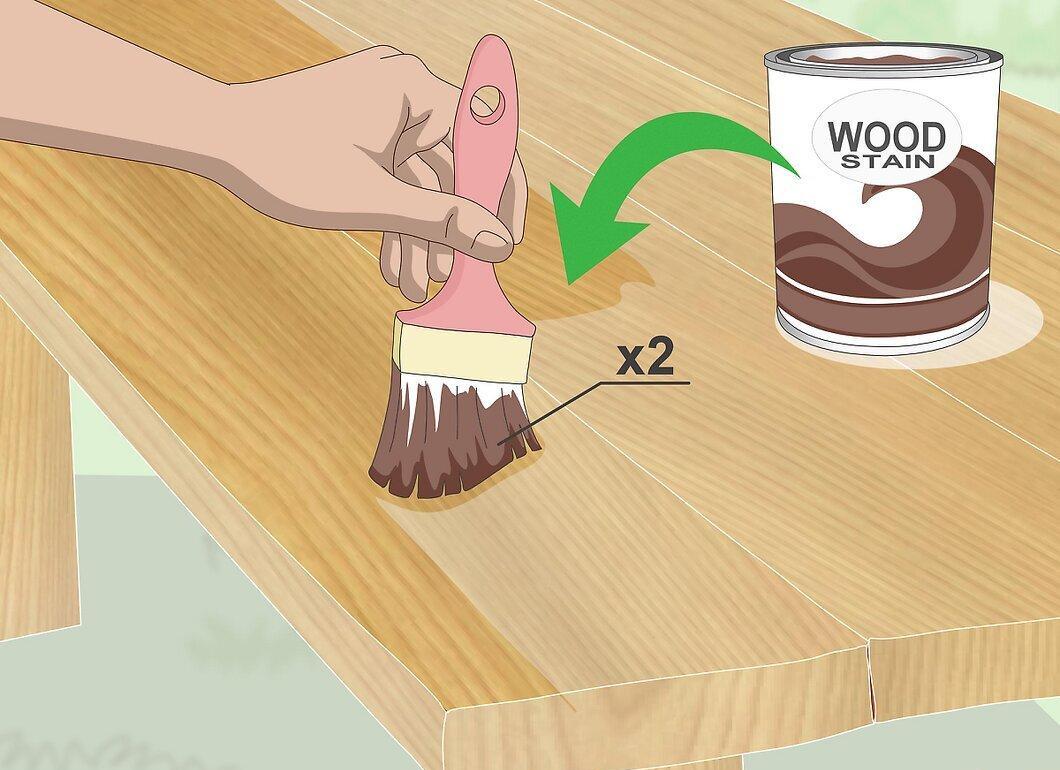
If you want a darker shade, apply a second coat of stain after the first one has dried. Do this in the same manner as the first coat.
Step 5. Finish with a topcoat.
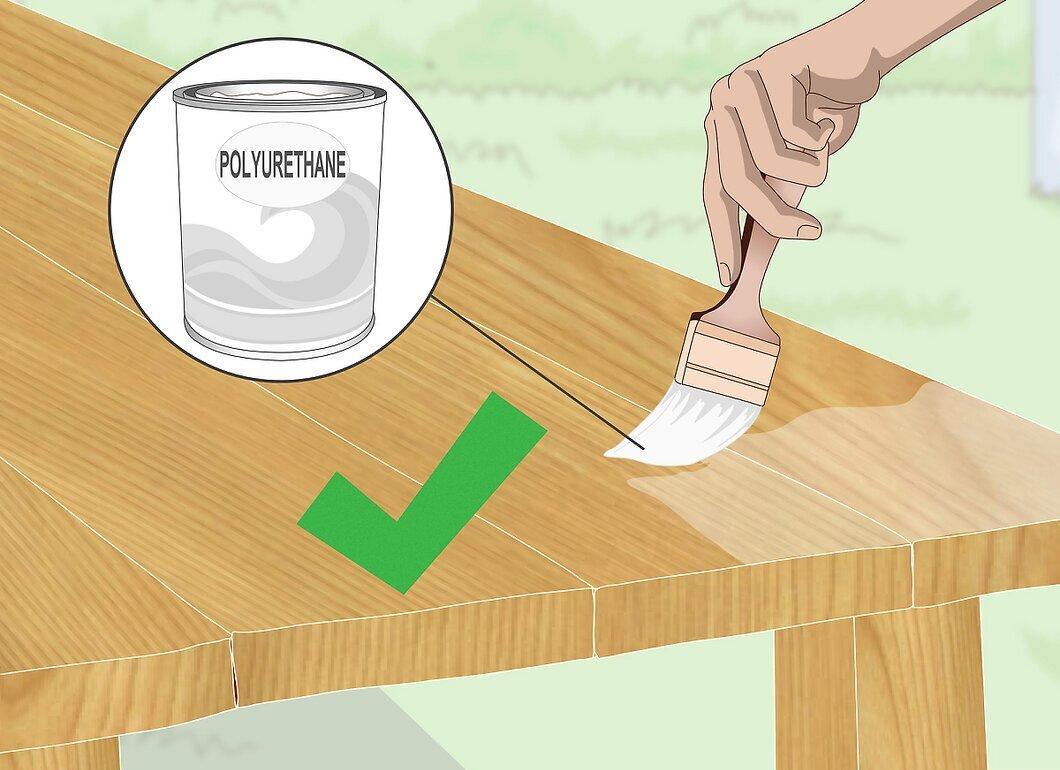
Once the wood has reached your desired shade, apply a finish coat using a clean brush. After this, allow the furniture to dry completely. There are three types of finishes, each with its own characteristics:
- Oil-based finishes look close to natural wood but provide inadequate protection. They are not recommended for outdoor furniture.
- Lacquer finishes combine an attractive appearance with good protection but require multiple coats.
- Polyurethane finishes offer the best protection and are water-resistant.[12] X Source