Life on the streets can become a harsh reality, often without a choice. Despite the seeming hopelessness, there are ways to make this situation more bearable. If you're prepared in advance, you can spend time on the streets with fewer difficulties.
Finding a Place to Sleep
Step 1. Always Carry a Blanket.
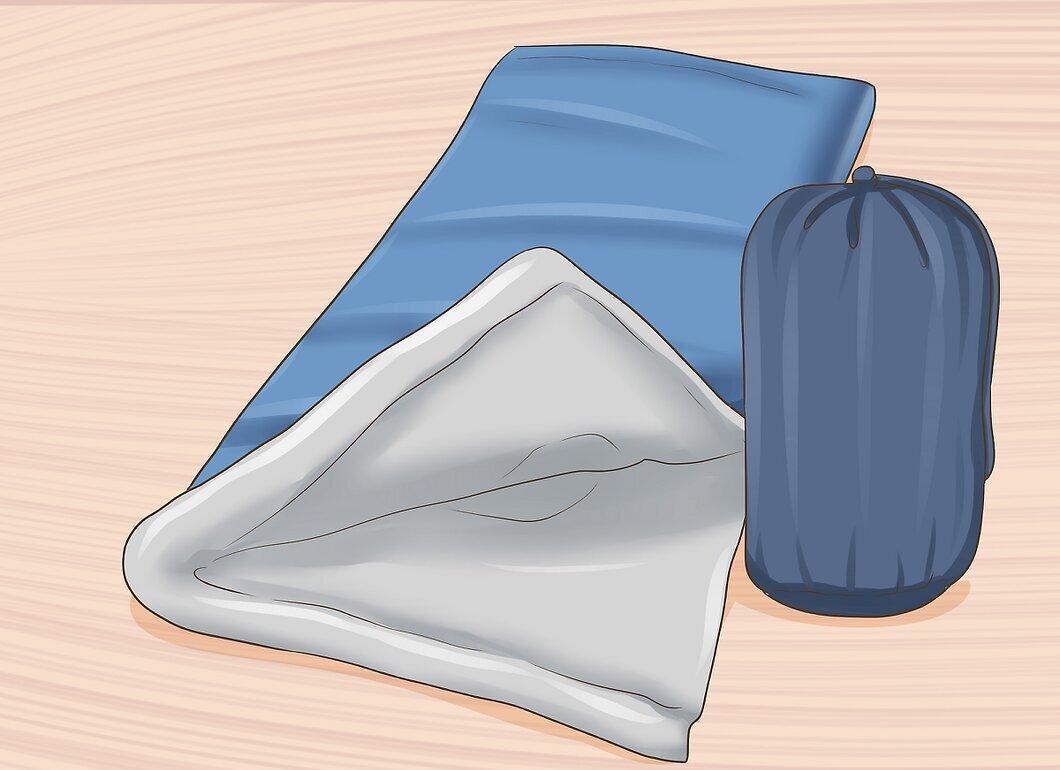
Always keep a blanket with you. Lack of sleep is one of the main challenges for those living on the streets, as it makes a person vulnerable. A blanket will help you settle down for the night in more comfortable conditions.
- Consider using a sleeping bag — it's a great alternative for sleeping outdoors.
- Tent sleeping bags can be a good choice, as they are easy to set up and protect against the elements.[2] X Source
- In cold climates, sleeping directly on the ground can be dangerous even with warm clothing and a sleeping bag, as they lose heat. In such conditions, it's worth using an inflatable insulating mat for better thermal insulation.[3] X Source
Step 2. Organize Sleeping in Groups.
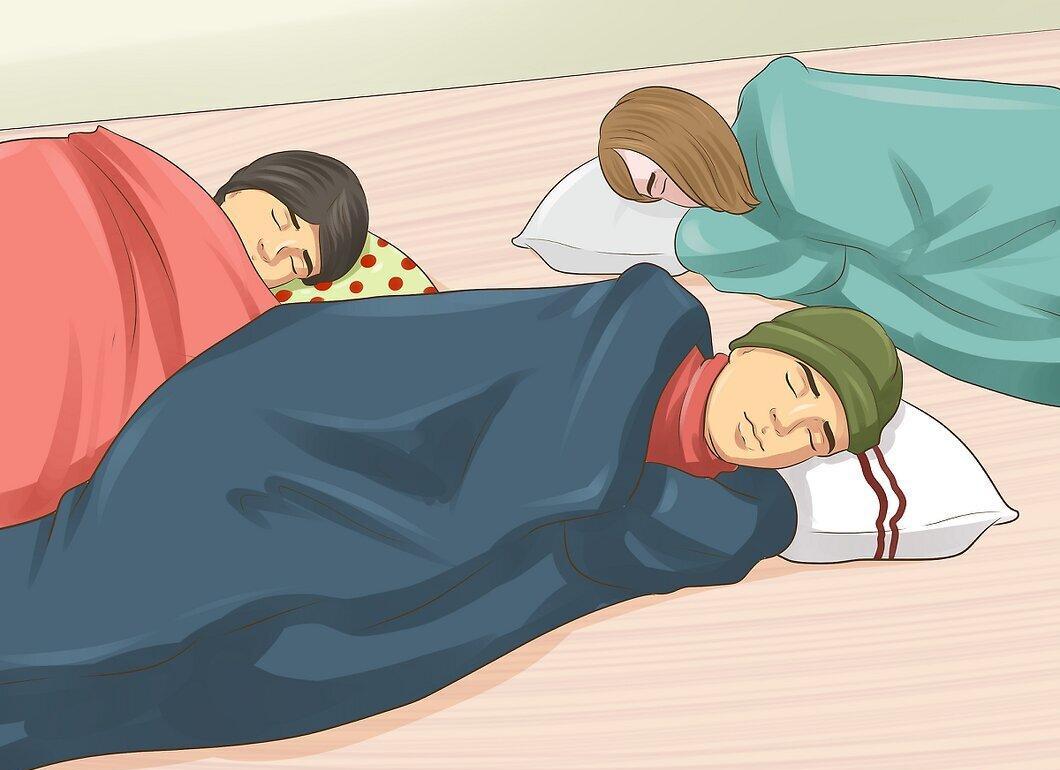
Sleeping with other homeless individuals is a good way to enhance your safety. If you can make acquaintances, sleep in groups to assign a lookout who will keep an eye on the surroundings. Even having one person nearby can make you feel more secure.
- Try to get to know people better before trusting them with your safety. Remember, you are all in a difficult situation together.
Step 3. Don’t Ignore Homeless Shelters.
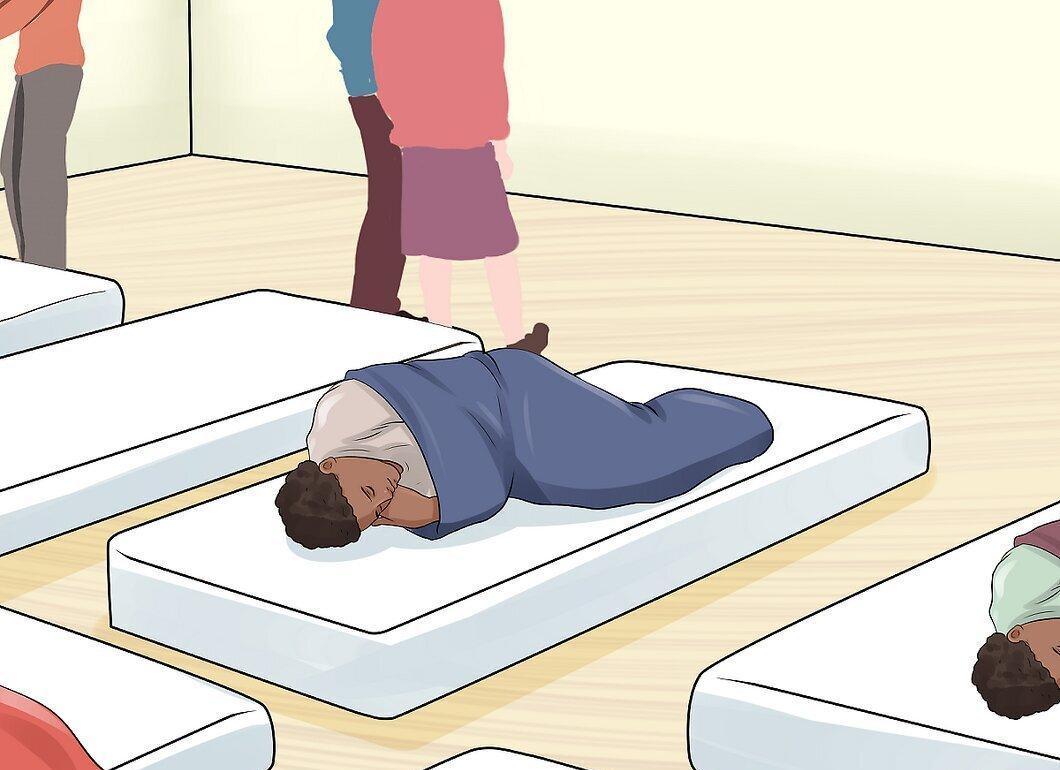
Be sure to explore the possibility of visiting homeless shelters. They can offer not only a roof over your head but also shower facilities, though getting in isn't always easy. Large cities often have at least one shelter, and places with a higher number of homeless individuals may have several. Use the "Google Maps" app to find the nearest shelter.
- Be cautious of your surroundings when at a shelter, as other visitors may pose a risk.[5] X Source
- Some shelters may charge for their services, so clarify all conditions before agreeing to stay the night.
Step 4. Sleep During the Day.
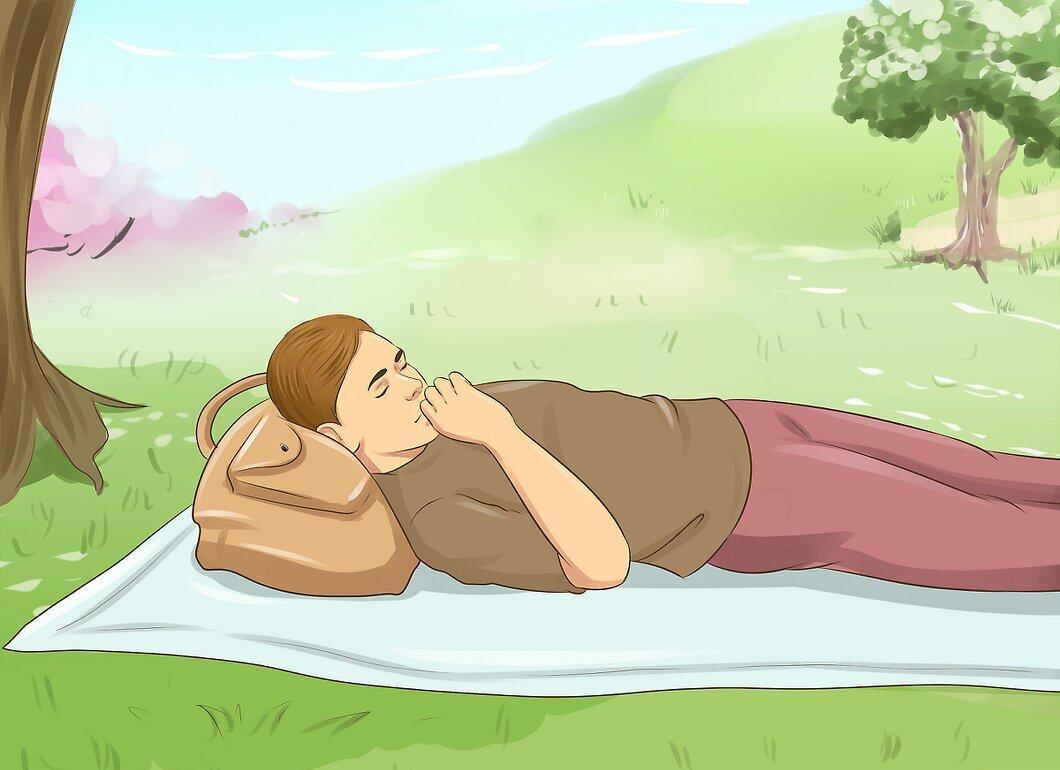
Sleeping during the day can be safer than at night, even if it feels unusual. Get used to sleeping in the light to reduce the risk of becoming a victim of crime or being detained by police.
- Try to set up a picnic in a public park. Just lay your blanket on the grass.
- If there’s a beach nearby, use it for daytime sleeping to blend in with the crowd of sunbathers. Don’t forget sunscreen and try to avoid direct sunlight during the hottest hours.
Step 5. Choose Crowded Places.
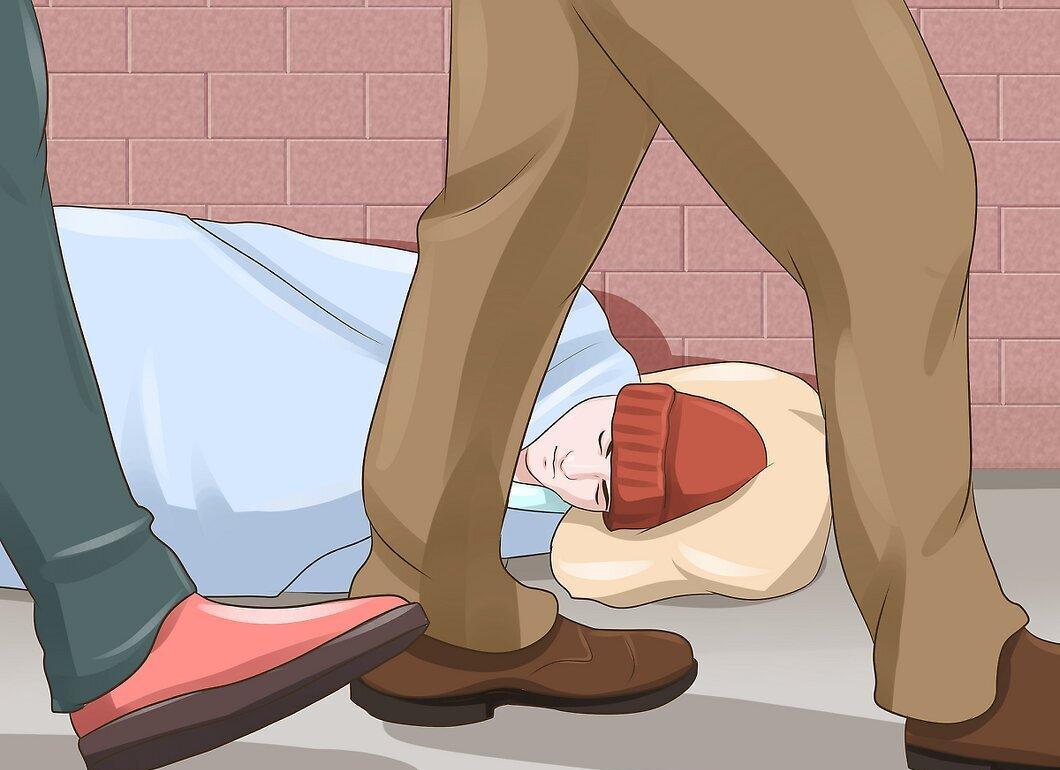
Sleeping in crowded places is especially important at night. While it may be uncomfortable to sleep in public view, it significantly increases your safety, as there’s less chance of becoming a crime victim.
Finding Food
Step 1. Visit Charitable Soup Kitchens.
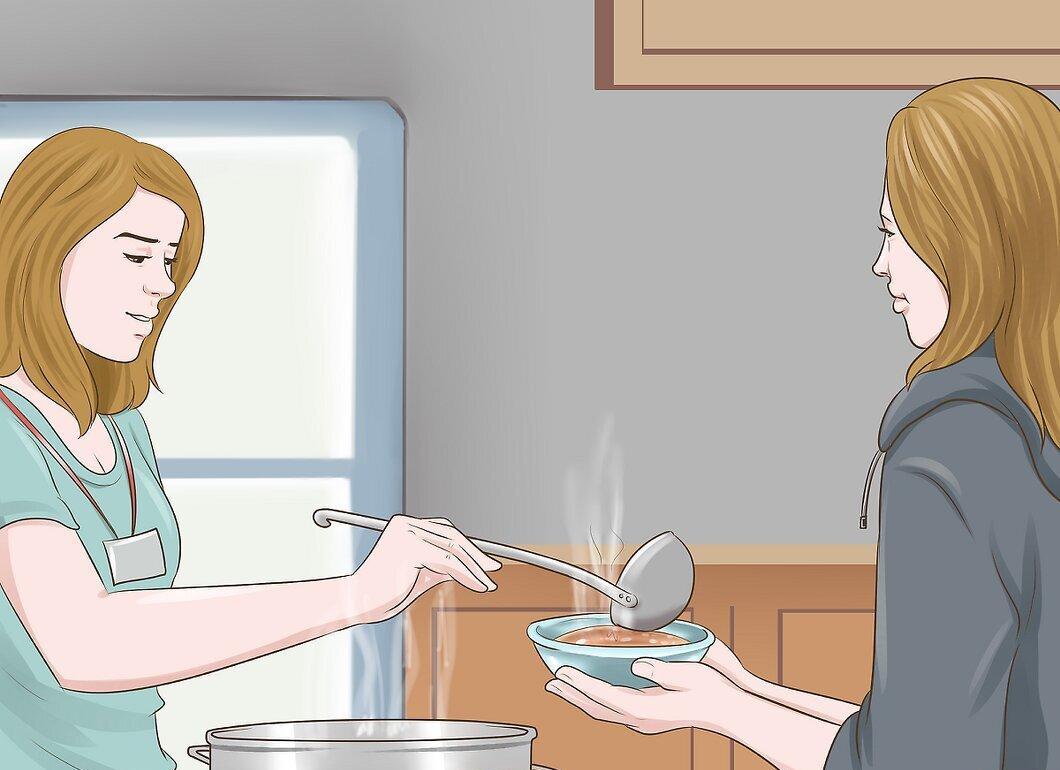
Look for charitable organizations offering free hot meals. In these kitchens, you can not only eat but also socialize with other homeless individuals, which can help you find support.
- If you can’t find a soup kitchen, check with local churches — they often help those in need by providing food.
- Ask kitchen staff about other initiatives assisting the homeless, but don’t ask for money or a place to sleep.
Step 2. Don’t Hesitate to Ask for Help.
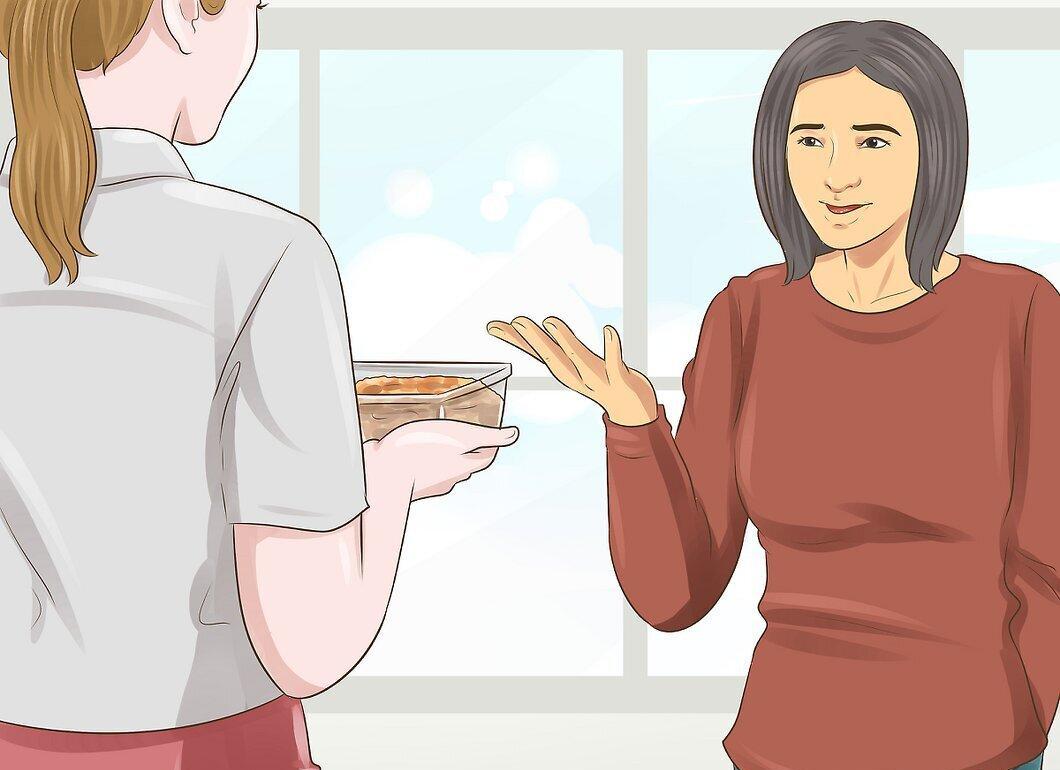
Don’t be afraid to approach people for food assistance. Sometimes, people find it easier to donate food than money, so your request might be successful.
Step 3. Utilize Free Samples.
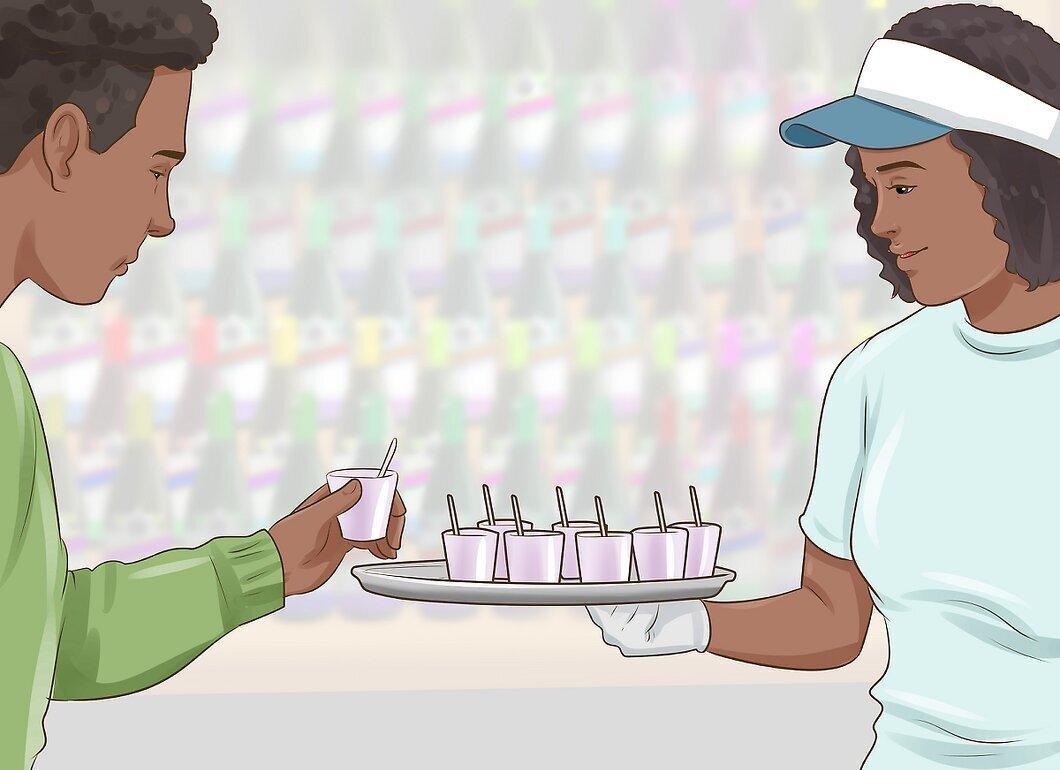
Visit stores where they offer samples and try out food items. However, don’t take too much from one stand at once unless permitted. Find out which stores have promotions so you don’t miss the opportunity.
- Act like a regular shopper by making a small purchase, even if it’s just one piece of fruit.
- After farmers' markets close, check if there are any leftover items at reduced prices.
Step 4. Check Trash Bins.
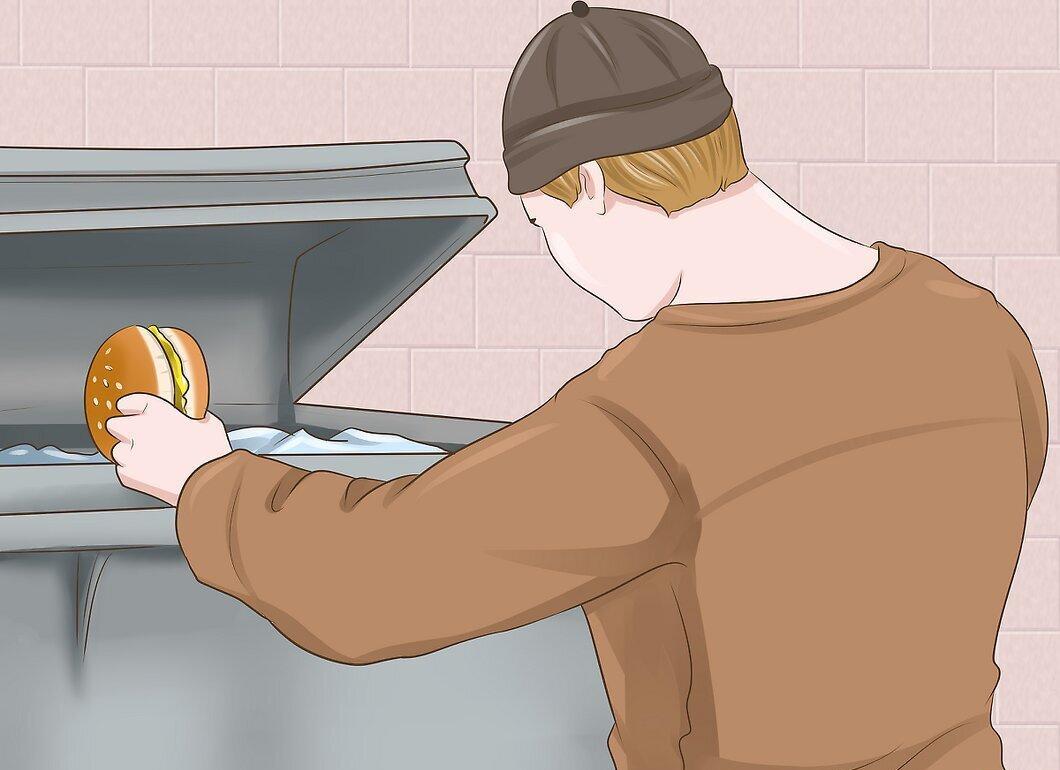
Many stores and restaurants throw away food that is still edible. Checking trash bins is a common practice, and even those who can afford food sometimes do it.
- Look around before rummaging through the trash to avoid conflicts with others.
- If you’re uncertain about the quality of the food, it’s better to pass on it.
- Stores are not allowed to sell expired products, so they should be disposed of. Periodically check bins near back entrances of stores.
- Do not check trash bins on private property.
Step 5. Focus on Protein Foods.
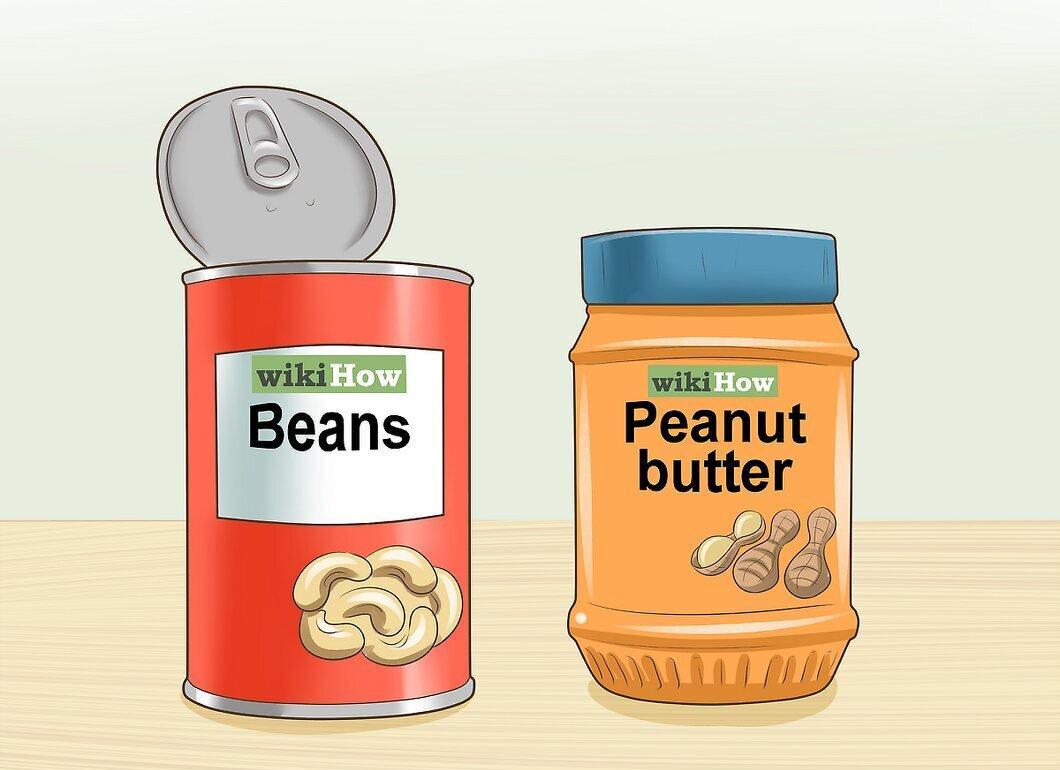
While your diet may suffer, try to include enough protein. Even if you can’t afford meat, there are cheap alternatives like peanut butter or canned beans that can be heated.
Step 6. Stock Up on Light Snacks.
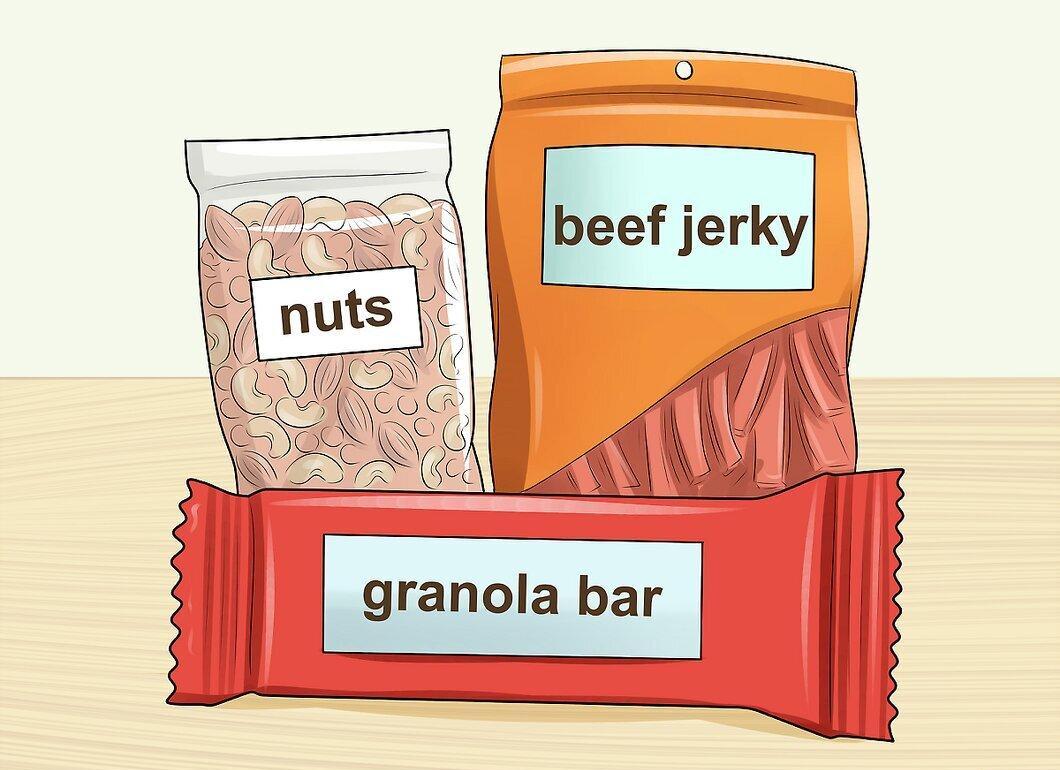
Supplement your diet with light snacks to keep your energy up. Gather nuts, dried fruits, and other non-perishable items that are easy to carry in your backpack. This will help you stay full and energetic throughout the day.
- If snacks are in large packages, transfer them to smaller bags to save space.
- Check trash bins for suitable snack items.
- Collect free condiments and sauces from fast-food places to spice up your meals.
Step 7. Don’t Forget About Water.
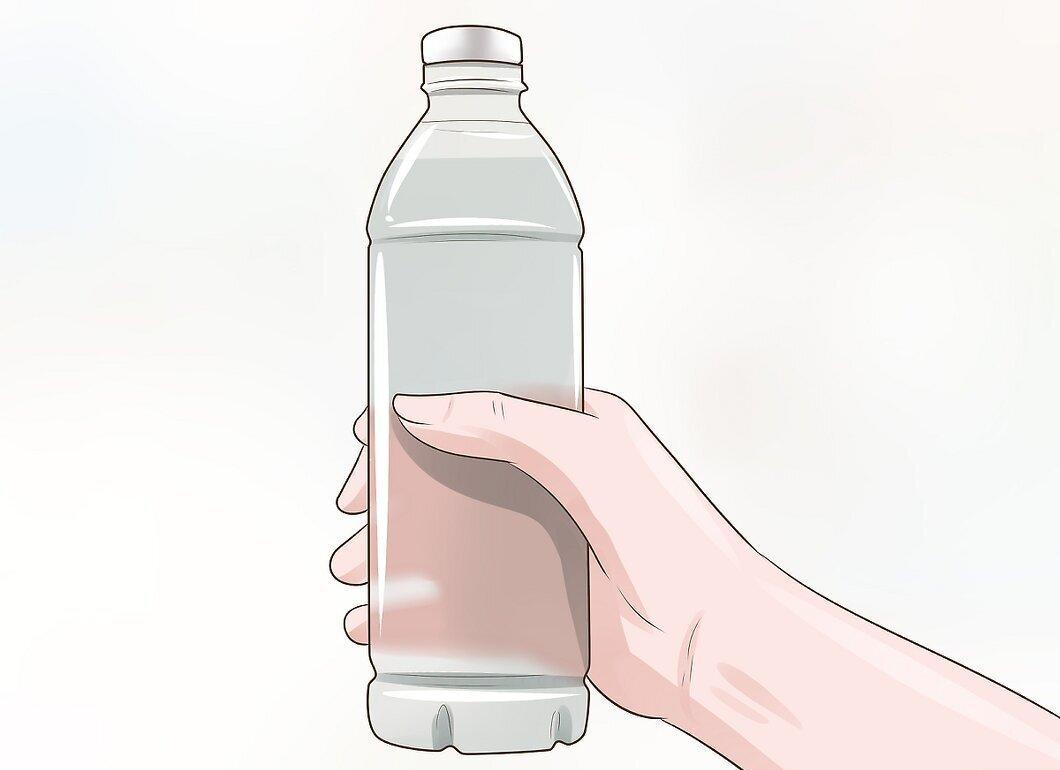
Always carry a water bottle. Water is more important than food, so always have the ability to refill it whenever you see a fountain or clean water. Don’t let your bottle run empty, as dehydration can pose a serious threat.
- If you’re in rural areas, look for water sources or collect rainwater.[11] X Source
Personal Hygiene
Step 1. Wash Up in Public Restrooms and Baths.
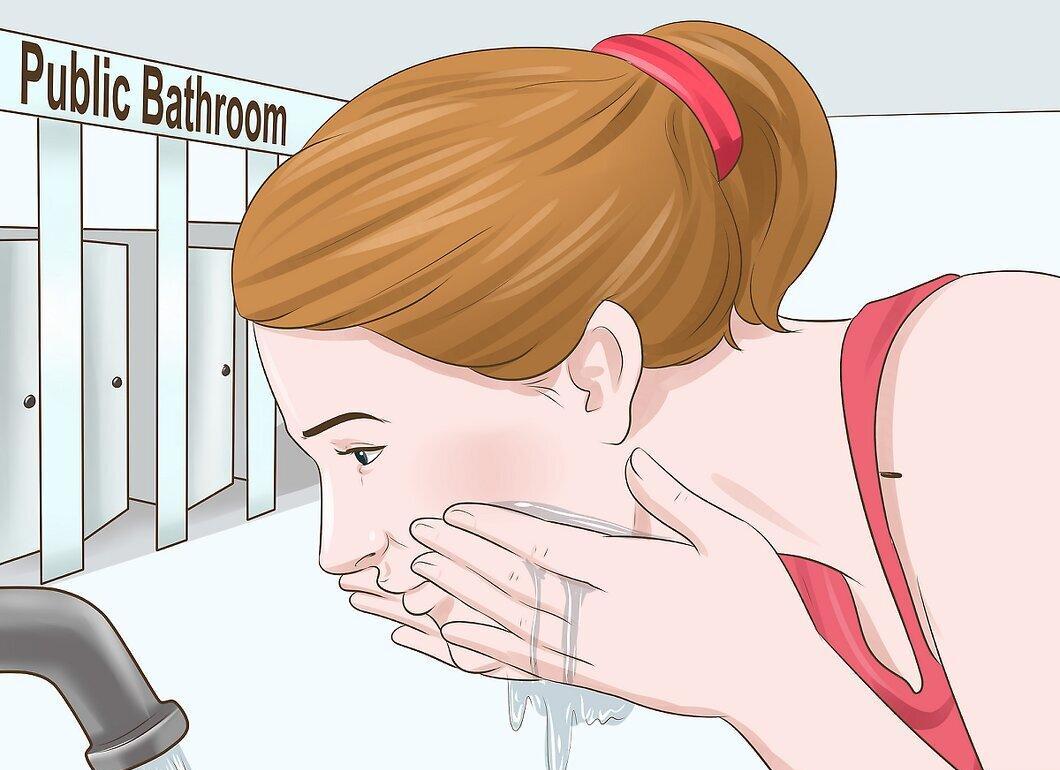
Use public restrooms and baths to maintain personal hygiene. These places provide water, soap, and some degree of privacy. It’s best to have your own supplies, but even in public baths, you can usually find hand soap.
- Look for restrooms in airports, train stations, and educational institutions.[13] X Source
- You can set up an improvised bath in an abandoned place if you have a water container and a mirror. If possible, consider purchasing a foldable bucket for convenience.[14] X Source
Step 2. Use Showers.
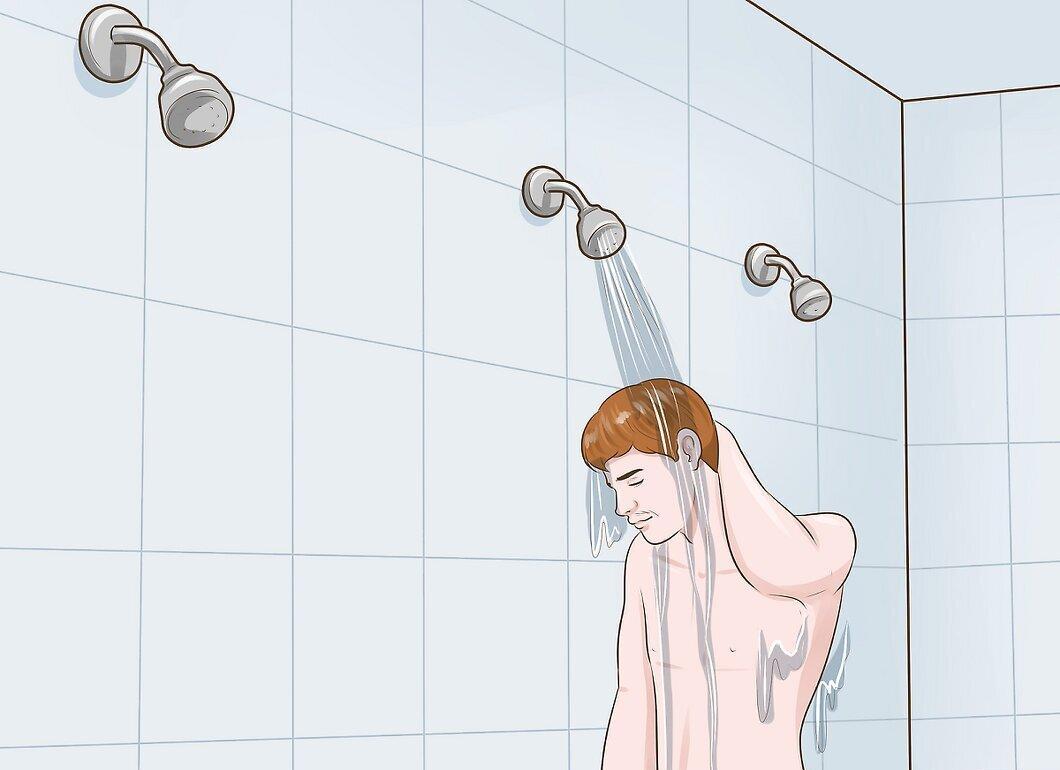
If access to a shower is limited, try to find public showers where you can freshen up. Visit a shelter or find other places that have them.
- Sometimes, you can take advantage of free trial classes at gyms to access their showers.[15] X Source
- Showers on beaches and at campgrounds are another option, although they may lack privacy. Behave calmly to avoid drawing too much attention.
Step 3. Wash Your Clothes.
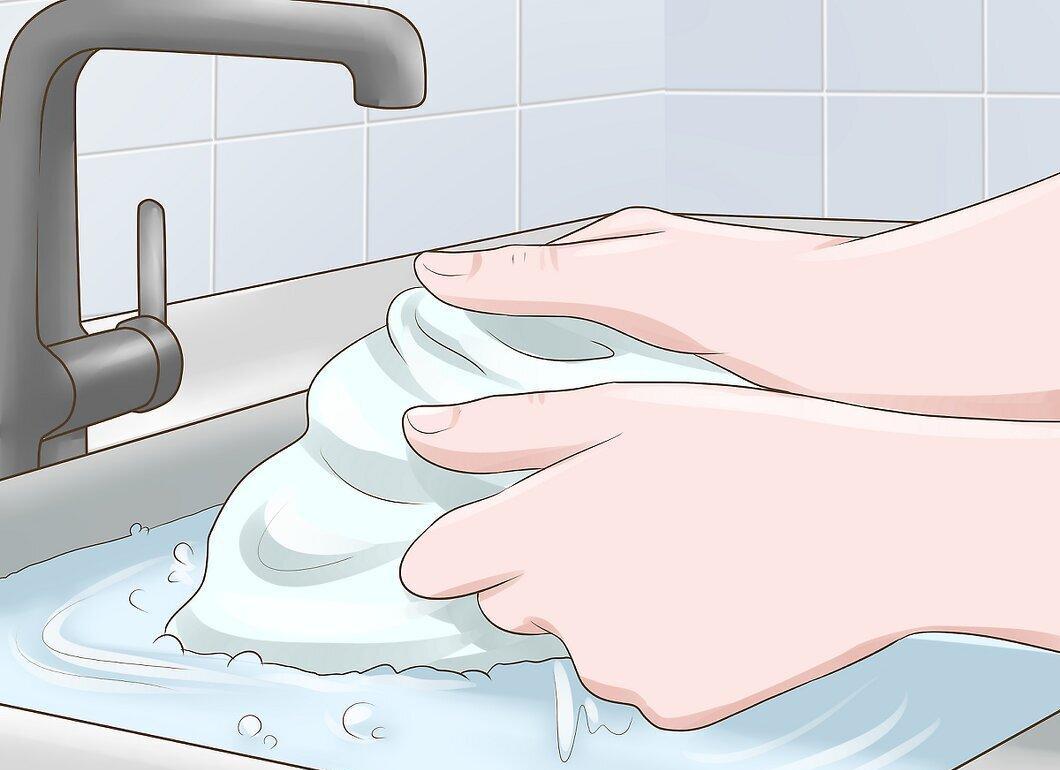
Washing clothes outdoors is difficult, but it’s important for maintaining a neat appearance. If possible, visit laundromats at least once a week. If not, wash in a sink.
- Ask at shelters or soup kitchens if there’s a possibility to do laundry.
- Gather small change to pay for laundry at public laundromats, as machines often don’t give change.
- If washing in a sink, limit yourself to a few items at a time.
Step 4. Use Baking Soda.
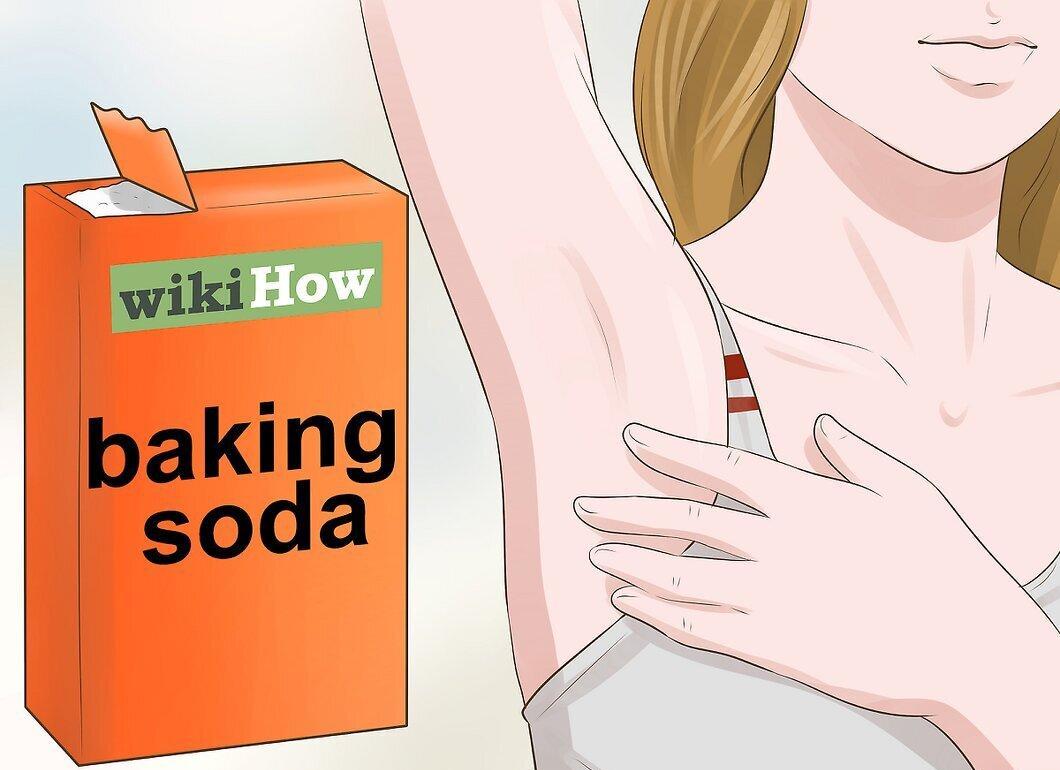
Baking soda is an inexpensive way to eliminate odors. It can be used for both laundry and as a deodorant. This natural product will help you maintain cleanliness.
Maintaining Dignity
Step 1. Visit Libraries.
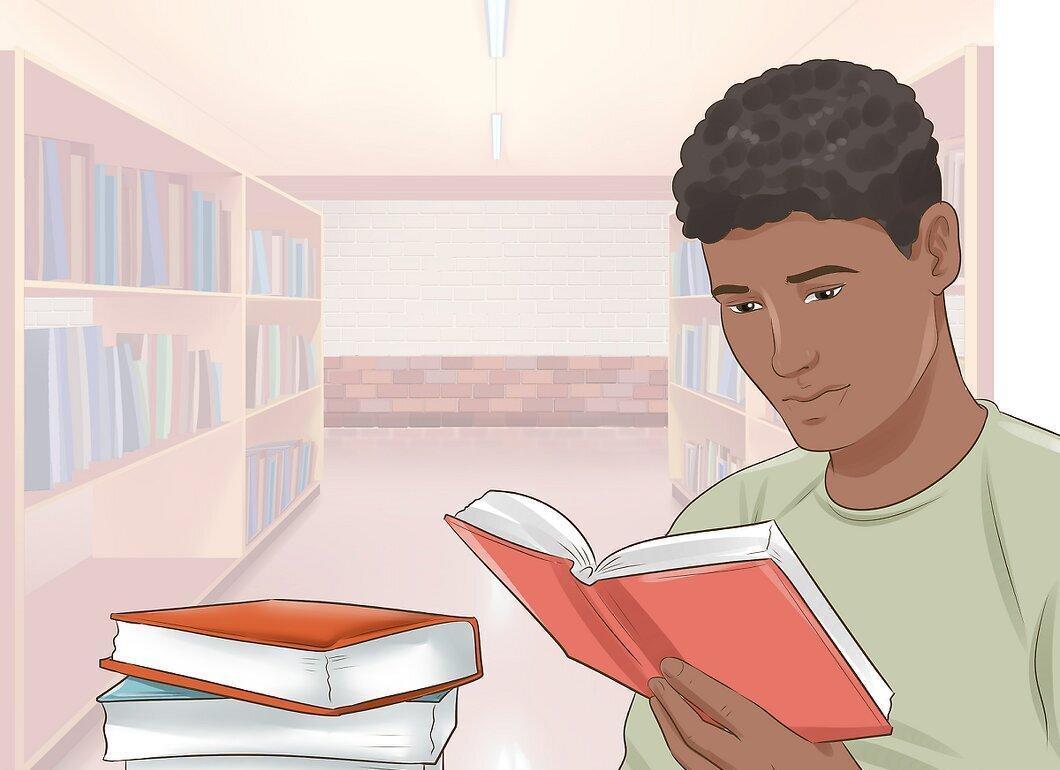
Public libraries are a great place for those living on the streets. You can use computers, access the internet, read books, and find shelter from the weather. The library can assist you in searching for jobs and housing.
Step 2. Travel Light.
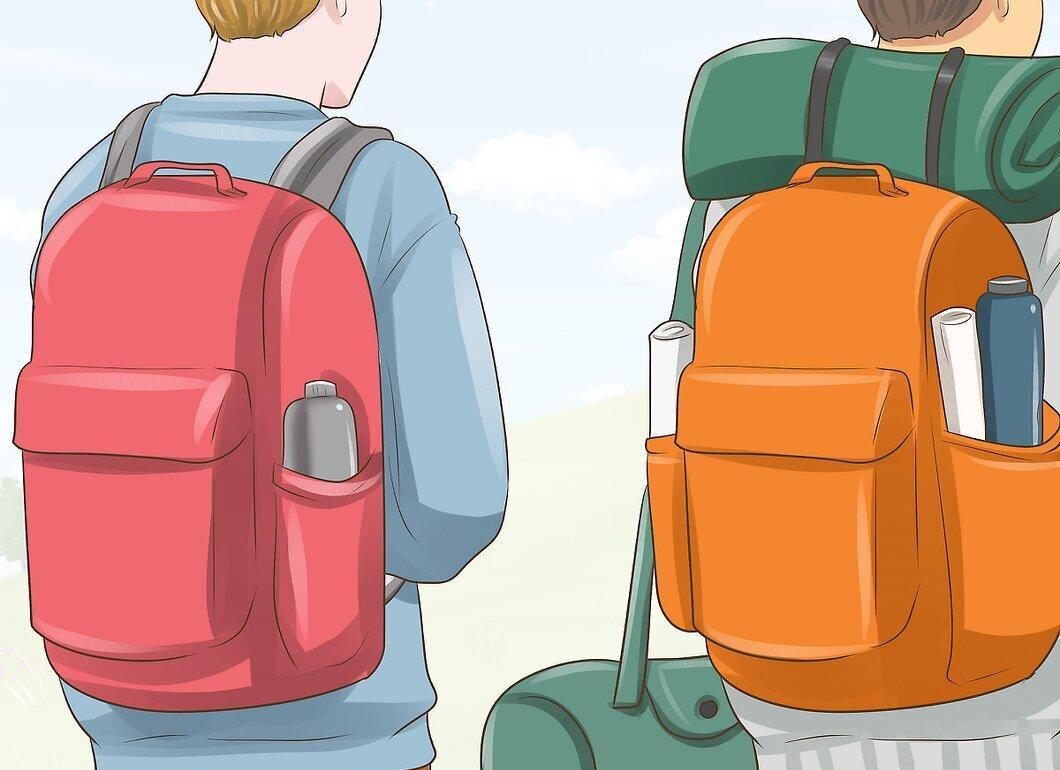
Try not to reveal your status to avoid bias. This is especially important in public places. Find a safe spot to store extra belongings or reduce their quantity so everything fits in your backpack.
- By trying to look like a tourist, you reduce the likelihood of negative reactions from others.
- Use standard bags to create the impression that you are simply returning from shopping.
Step 3. Get a PO Box.
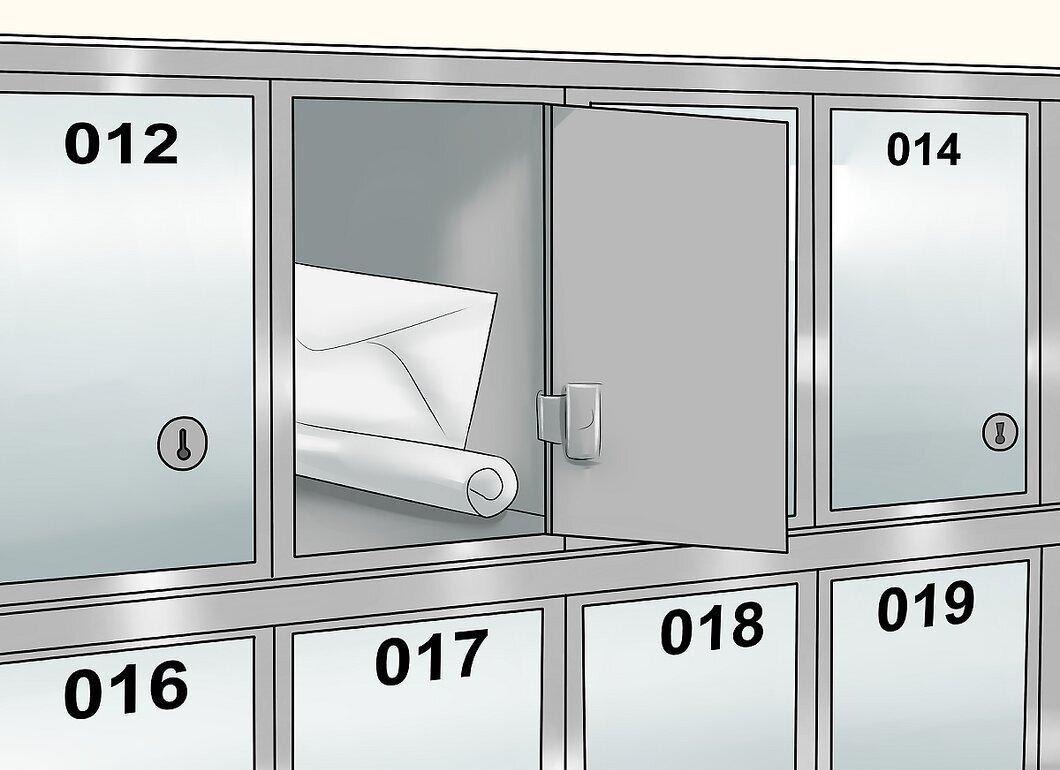
Renting a PO Box can help you organize your life. It will allow you to receive mail and store small items. However, remember that it cannot be used as a residential address.
Safety Precautions
Step 1. Stay Alert.
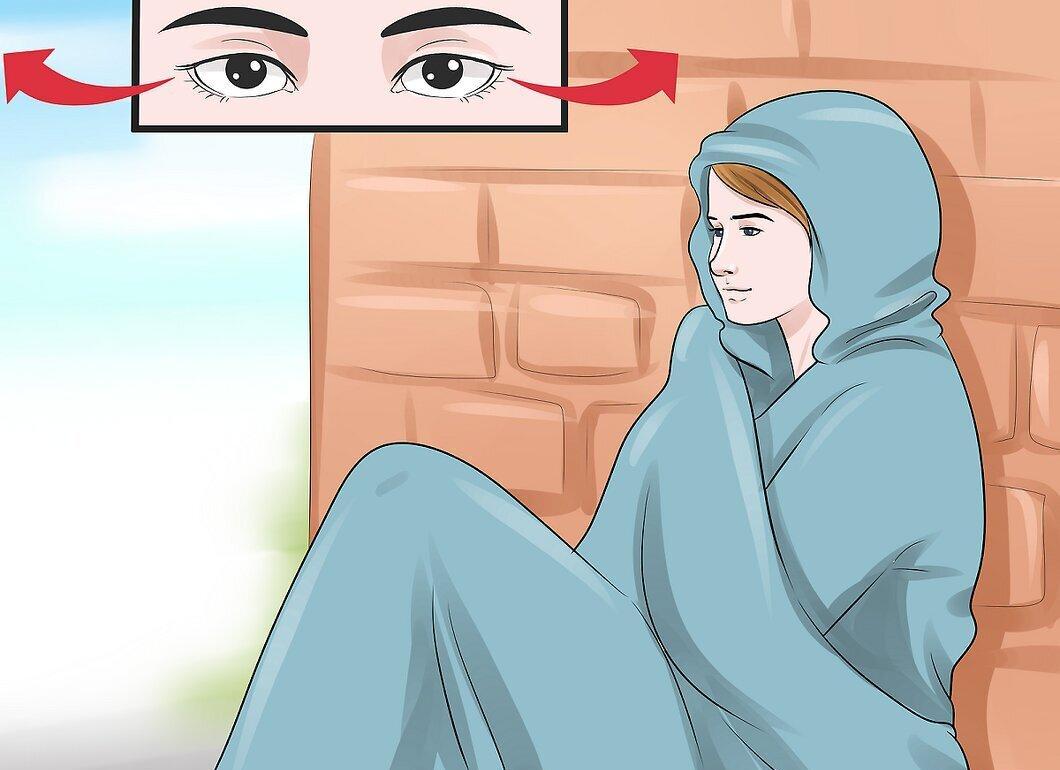
Your safety largely depends on your attentiveness. Life on the streets is full of risks, and it’s important to know whom to trust.
Step 2. Move in Groups.
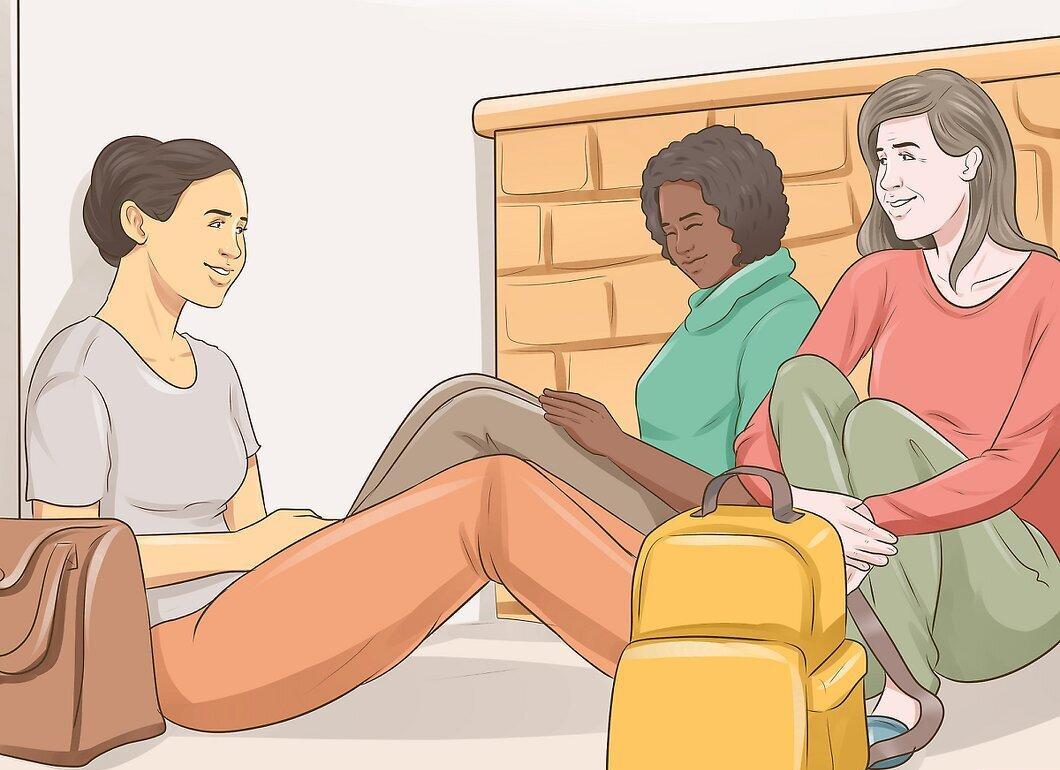
Join other homeless individuals — this will increase your safety. It’s easier to share the responsibilities of watching over your belongings in a group.
Step 3. Know the Patrol Routes.
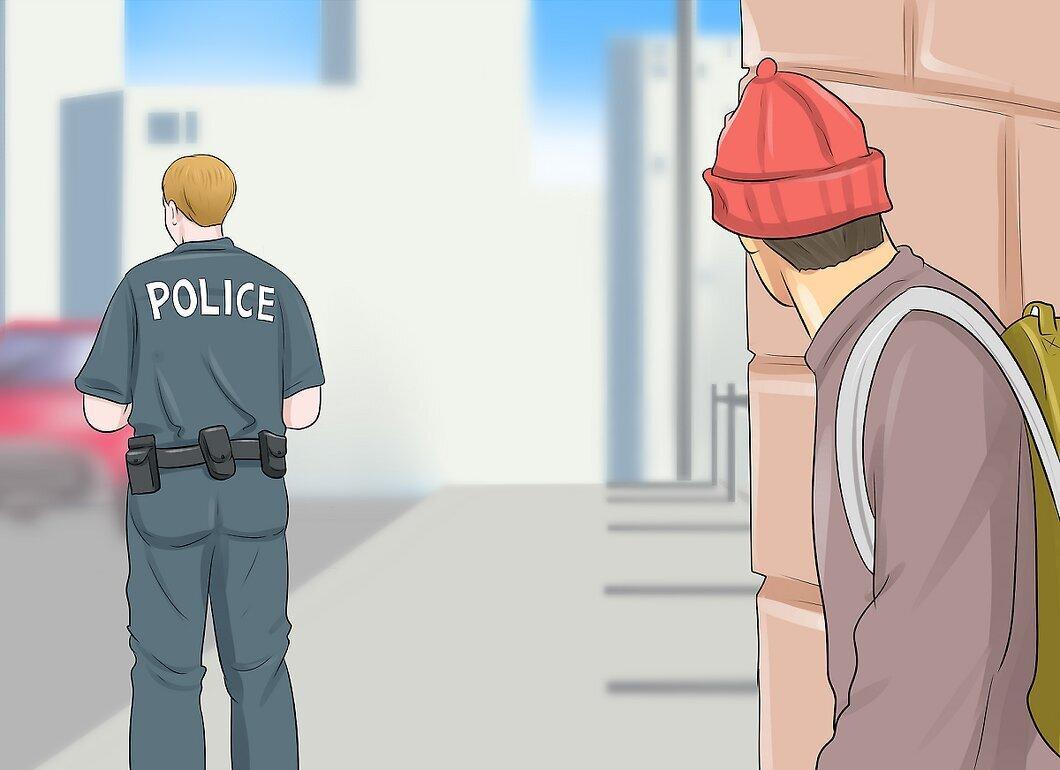
Police patrols can be both a protection and a threat. Learn their routes to choose safe places to sleep.
- If you have a good relationship with the police, their presence can be a plus for your peace of mind.
- Be polite to police officers, even if you feel they are being unfair.
Step 4. Know Your Rights.
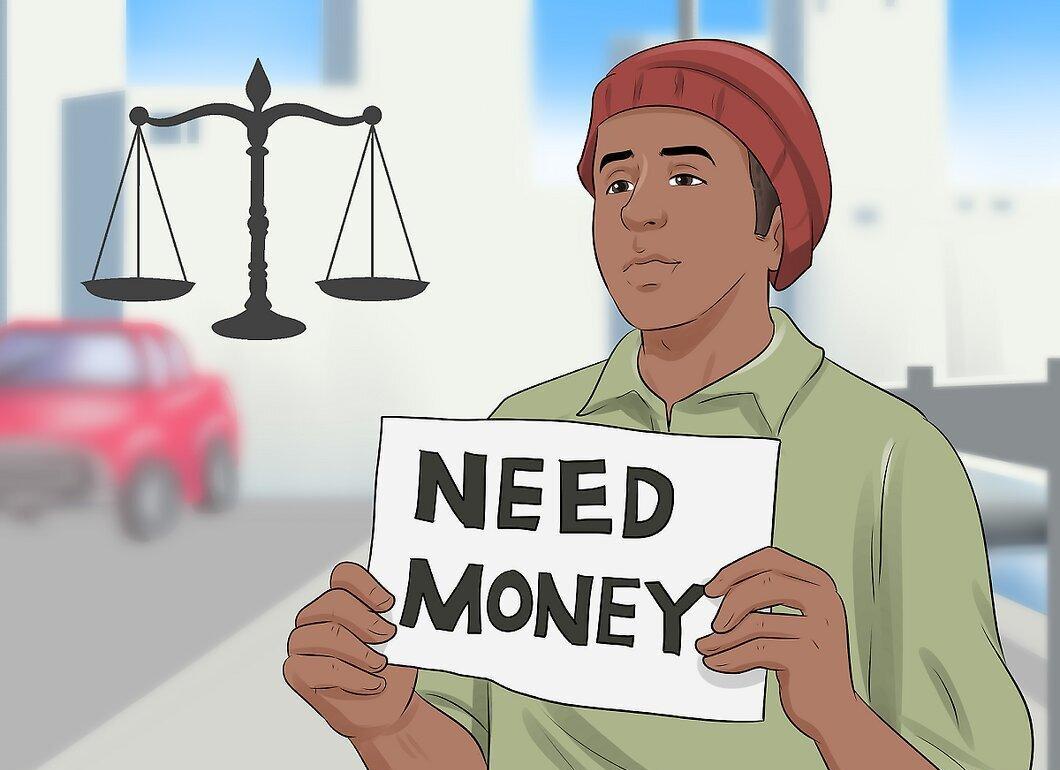
Knowing your rights can help protect you. For example, in Russia, there is no criminal liability for begging, but administrative fines may apply depending on the region.
- Information about your rights can be obtained at shelters or charitable organizations that help the homeless.[23] X Source
Step 5. Find Reliable Shelter in Bad Weather.
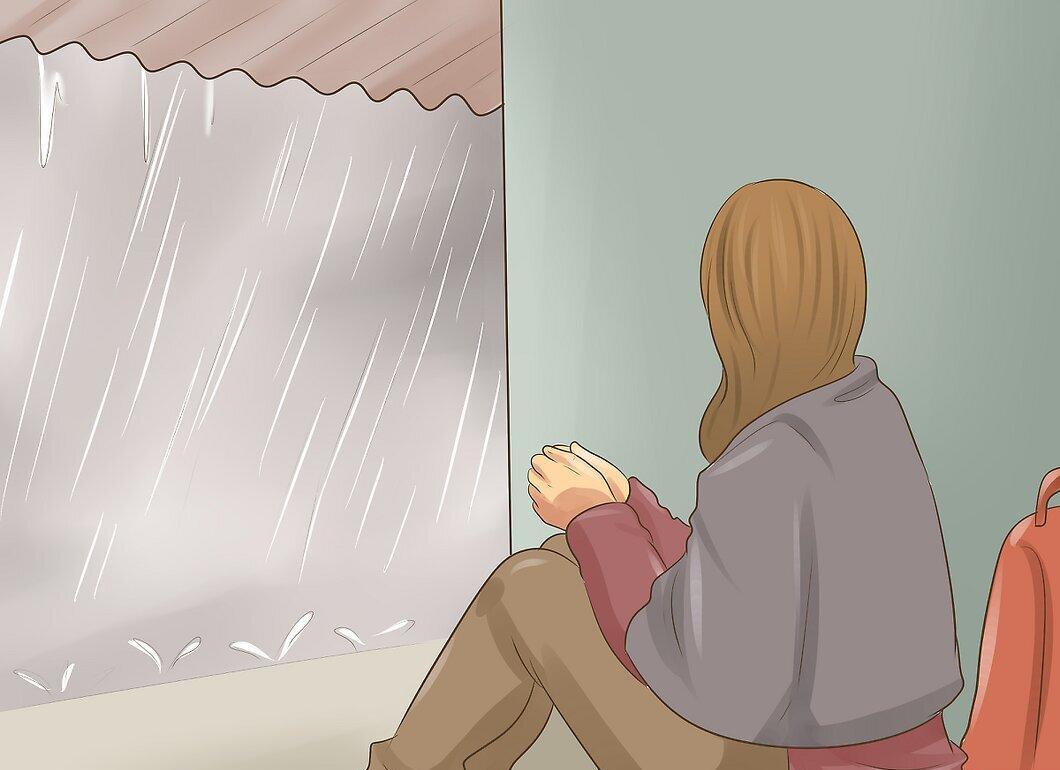
During bad weather, it’s wise to reconsider your sleeping schedule. Try to find shelter in crowded places like train stations or stores to protect yourself from the elements.
- If there’s an airport in the city, try to blend in with passengers to comfortably nap in the waiting area.[25] X Source
Step 6. Wear a Hat.

A hat can protect you from the sun and keep you warm in cold weather. Look for an affordable headwear option that is comfortable and stylish.
Step 7. Use Sunscreen.
If possible, use sunscreen. This will protect your skin from burns and help conceal your homeless status.
Step 8. Take Care of Your Belongings.
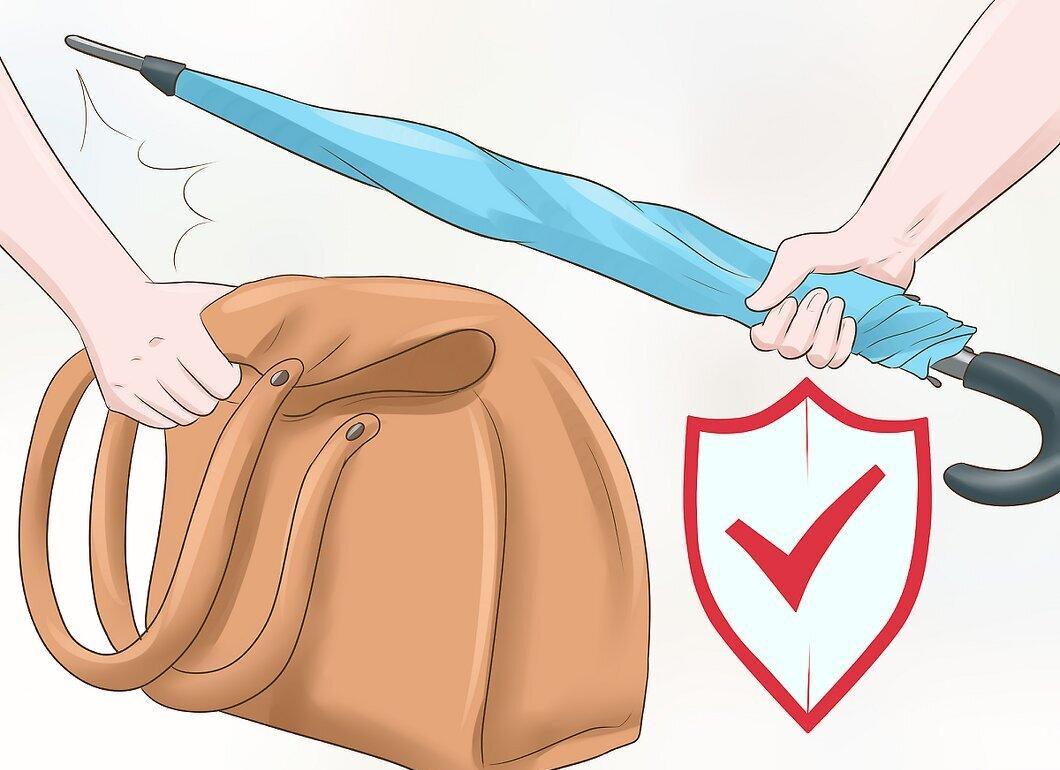
Minimize the number of belongings or find a safe place to store them. If you’re with others, agree on jointly watching over your things.
- Find out if a shelter allows you to store your belongings.
- Keep a stick or umbrella for self-defense.
- Protect your belongings while you sleep to prevent theft.