Have you heard about Bitcoin and are ready to dive into the fascinating world of digital currencies? You have the opportunity not only to buy and sell them but also to mine this cryptocurrency. The process of Bitcoin mining involves verifying transactions, for which users receive rewards. Mining ensures the security and stability of Bitcoin transactions. In this article, we'll go in-depth on how to start Bitcoin mining and secure yourself an additional income.
Part 1
Step 1. Acquire the Right Equipment.
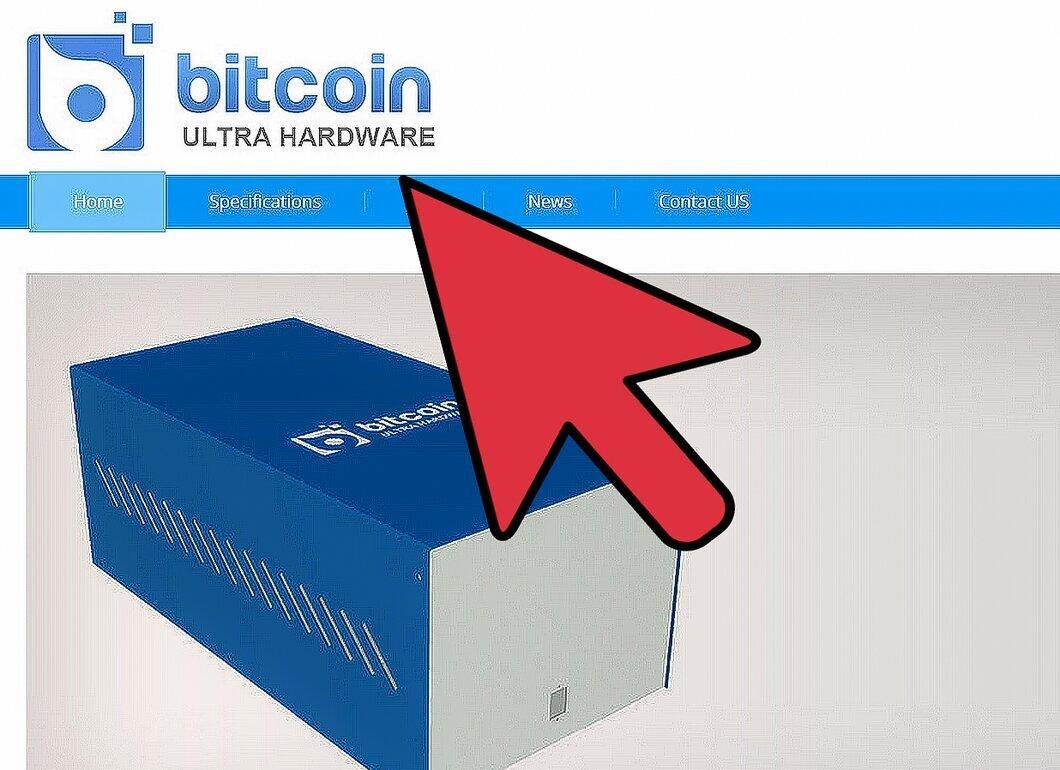
The first thing you need is to purchase the right equipment. In the early days of Bitcoin, it was possible to mine using a regular computer, but these days, that method has become inefficient. Electricity costs can significantly exceed your earnings. Therefore, you will need powerful hardware.
- Specialized mining devices, like ASIC miners, connect to the motherboard just like standard graphics cards.
- They are produced by companies such as Butterfly Labs, Bitcoin Ultra, CoinTerra, and others.
- The cost of mining computers can vary from a few hundred to tens of thousands of dollars, depending on their performance.
Step 2. Create a Bitcoin Wallet.
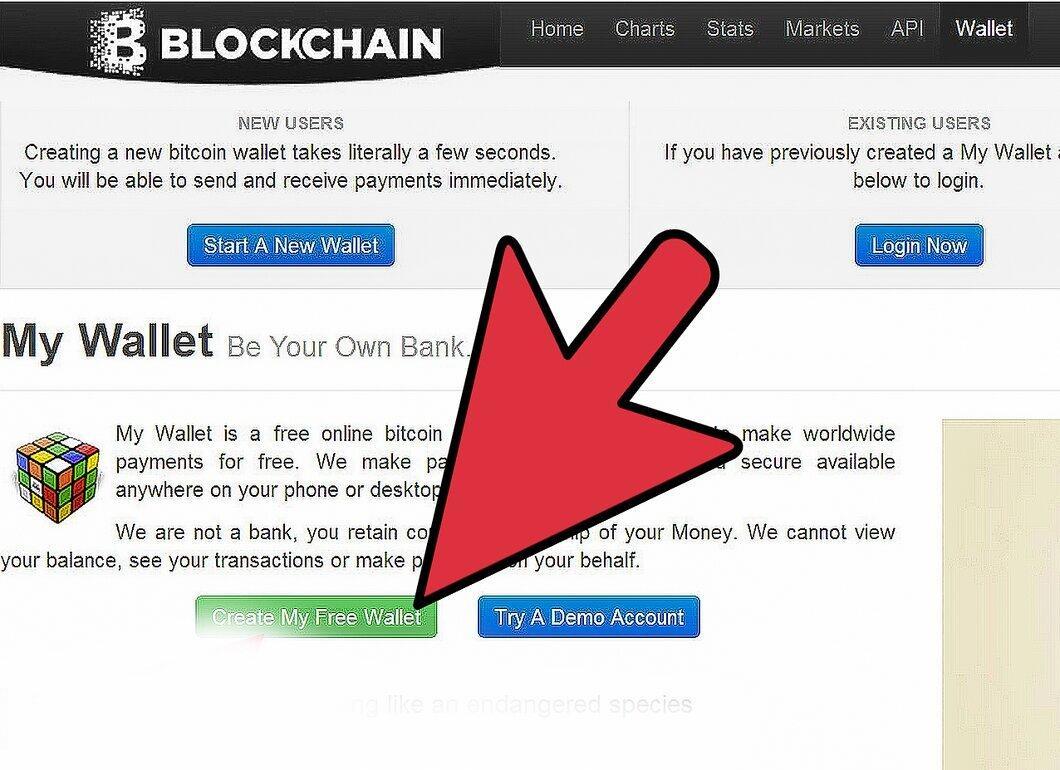
The next step is to create a Bitcoin wallet. Bitcoins are stored in secure digital wallets, which can be local or online. Be cautious, as online wallets may be less secure due to the risk of losing funds in case of failures.
- It's recommended to use local wallets for greater security.
- Local wallets require downloading the entire blockchain, which is a database of all Bitcoin transactions. The initial setup can take a day or more.
- Popular local wallets include BitcoinQT, Armory, and Multibit. Multibit does not require downloading the entire blockchain.
- You can also install a mobile app that doesn't require a full blockchain download. Apps like Blockchain and CoinJar are good options.
- Remember, if you lose access to your wallet, your funds will be lost! [1] X Source
Step 3. Secure Your Wallet.
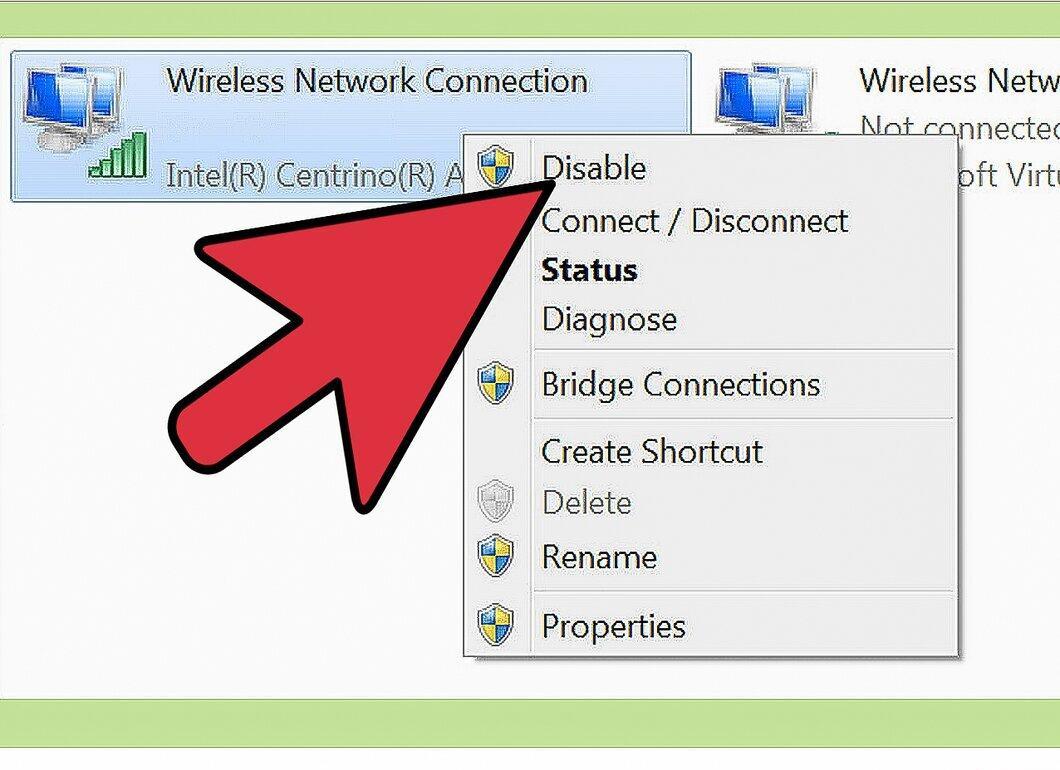
It's crucial to ensure the security of your wallet. Since it doesn’t have a specific owner, anyone who gains access can control your funds. Enable two-factor authentication and store your wallet on a computer that is not connected to the internet.
Step 4. Join a Mining Pool or Mine Bitcoin Solo.
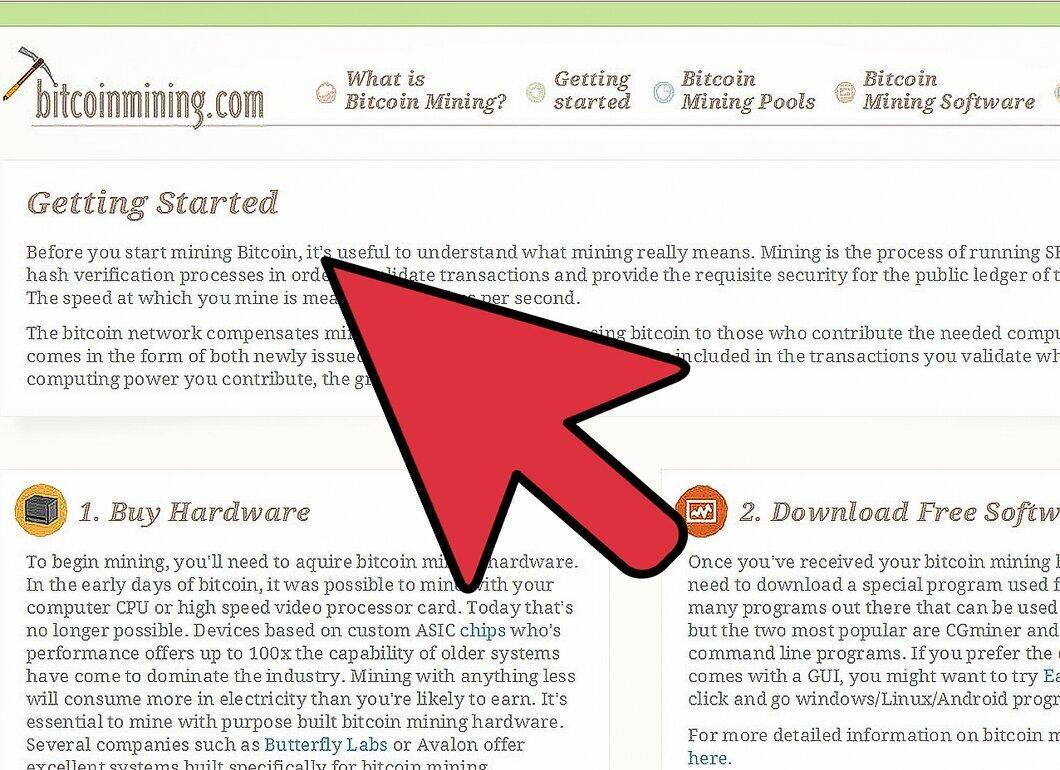
Decide whether you want to join a mining pool or mine on your own. Pools allow you to combine resources and share mined Bitcoins, which can accelerate your accumulation of funds. Mining solo is much more challenging due to high competition, but in this case, you will receive all the Bitcoins.
- If you don’t join a pool, it may take over a year before you start receiving Bitcoins, as they are awarded to the pool that mines them. [3] X Source
- Most pools take a small percentage (about 2%) from your earnings.
- When you join a pool, you will need to create a “worker” — a sub-account to track your contributions to mining. You can have multiple such sub-accounts. Each pool provides its own instructions for setup.
Step 5. Install Mining Software.
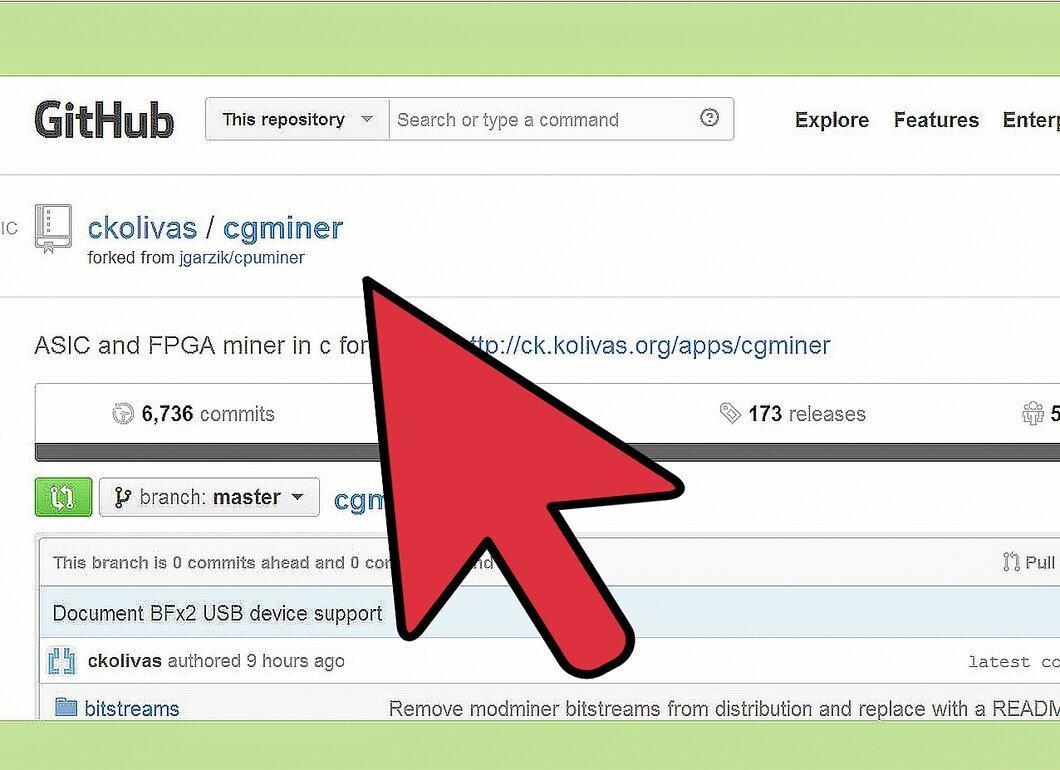
Download mining software. All mining programs are virtually free and depend on your hardware. They run through the command line, and you may need to create a batch file if you joined a pool.
- The most popular mining programs include CGminer and BFGminer. EasyMiner offers a graphical interface.
- Check your pool’s documentation to learn how to connect the mining software.
- If you are mining Bitcoin solo, link the software to your wallet for automatic income transfers. When working with a pool, connect your wallet to your sub-account.
Step 6. Start the Mining Software.
Run the mining software by opening the batch file (if you created one), and ensure that the mining process has started. Keep in mind that your computer's performance may significantly decrease as nearly all resources will be used for mining.
Step 7. Monitor Equipment Temperature.
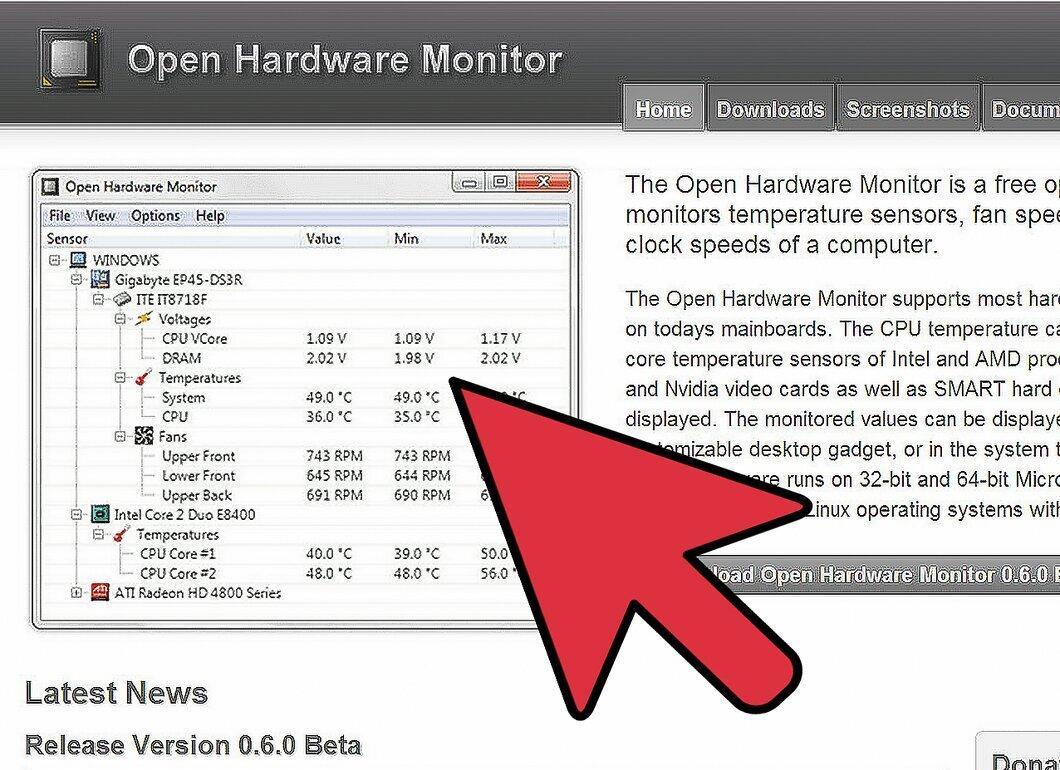
Keep an eye on the temperature of the components. The mining process can heavily load the hardware, especially if it’s not designed for this purpose. Use a program like SpeedFan to monitor component temperatures. Do not let the graphics card temperature exceed 80˚C.
Step 8. Evaluate Mining Profitability.

After a few days of operation, check if your mining activity justifies the costs. How many Bitcoins have you mined during this time? Compare your results with electricity expenses (most graphics cards consume between 300 to 500 watts).