Houseplants bring warmth and freshness to your home and make for a delightful hobby that doesn't require much effort. However, over time, dust and dirt can accumulate on their leaves. If left unattended, this can lead to pests, mold, and bacteria that feed on the organic matter in the dust. Additionally, dirt blocks sunlight, negatively impacting photosynthesis. By mastering these cleaning techniques, you can avoid such issues.
Preventing Dirt Buildup
Step 1: Regularly Wash Your Plant Leaves.
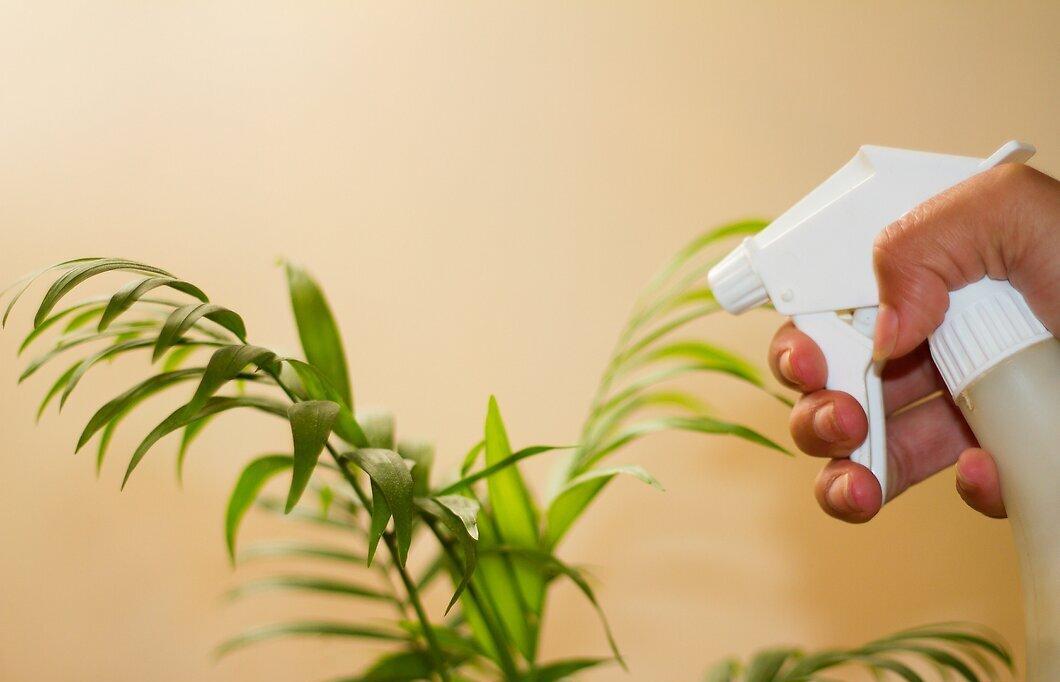
Consistently clean the leaves of your houseplants. To prevent dirt accumulation, rinse them with warm water. Avoid cold water, as it can leave spots on the leaves and stress the roots (remember, most houseplants originate from tropical regions and are used to warm rains).
- For small plants, use the kitchen sink. If you have a spray nozzle, simply mist the leaves; otherwise, use a spray bottle.
- For larger plants, a shower works best. A flexible hose is perfect for this task. Wait until the plant is completely dry before placing it back.
Step 2: Wipe Large Leaves with a Soft Cloth.
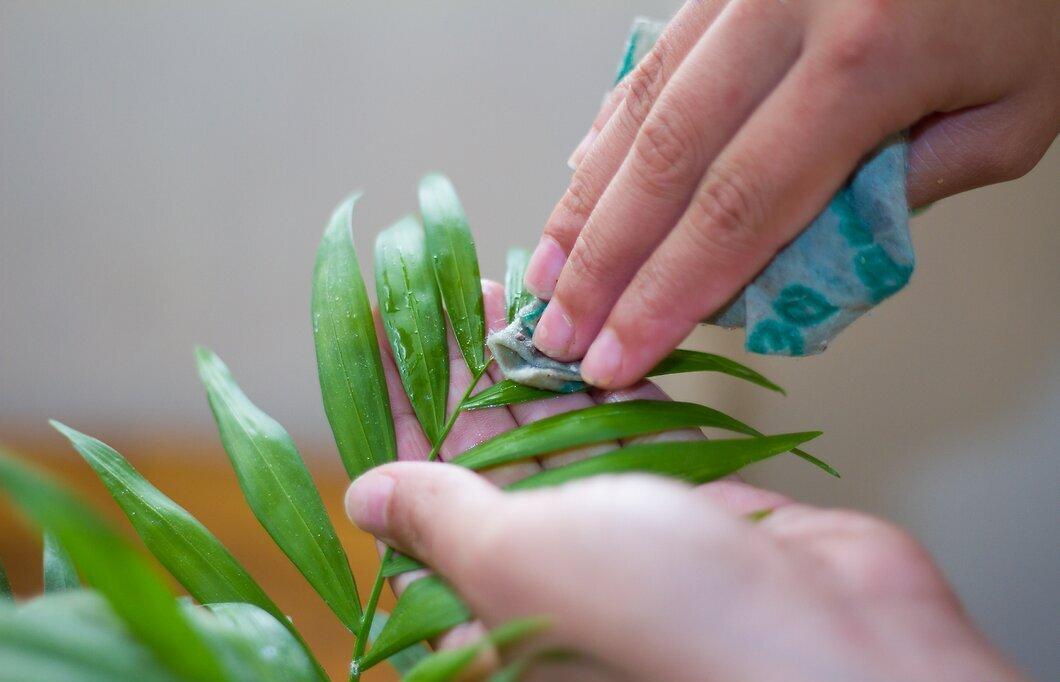
Gently clean large leaves with a damp cloth. For plants with big leaves, like peace lilies, use a cloth soaked in warm water.
- You can use a paper towel or a terry cloth, but these may be too rough for the delicate leaf surfaces. A soft cloth, like an old t-shirt, works best.
- Support the leaves and stems with your other hand to prevent damage while wiping.
Removing Built-Up Dirt
Step 1: Clean Fuzzy Leaves with an Old Toothbrush.
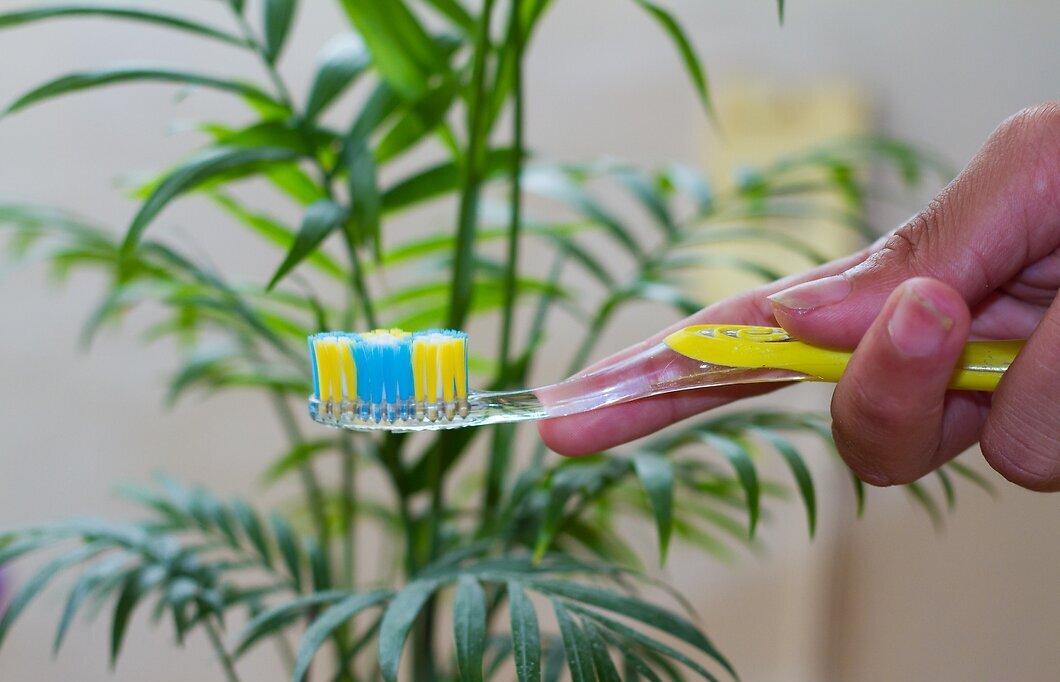
Use an old toothbrush to remove dust from fuzzy leaves. Plants with hairy leaves, such as African violets, can be easily cleaned with a soft toothbrush.
- While holding the leaf with one hand, gently brush from the base to the tip. Regularly clean the brush of dust.
- You can also use a soft paintbrush, a pipe cleaner, or even one of the plant's own leaves.
Step 2: Rinse Plants with Small Leaves in Water.
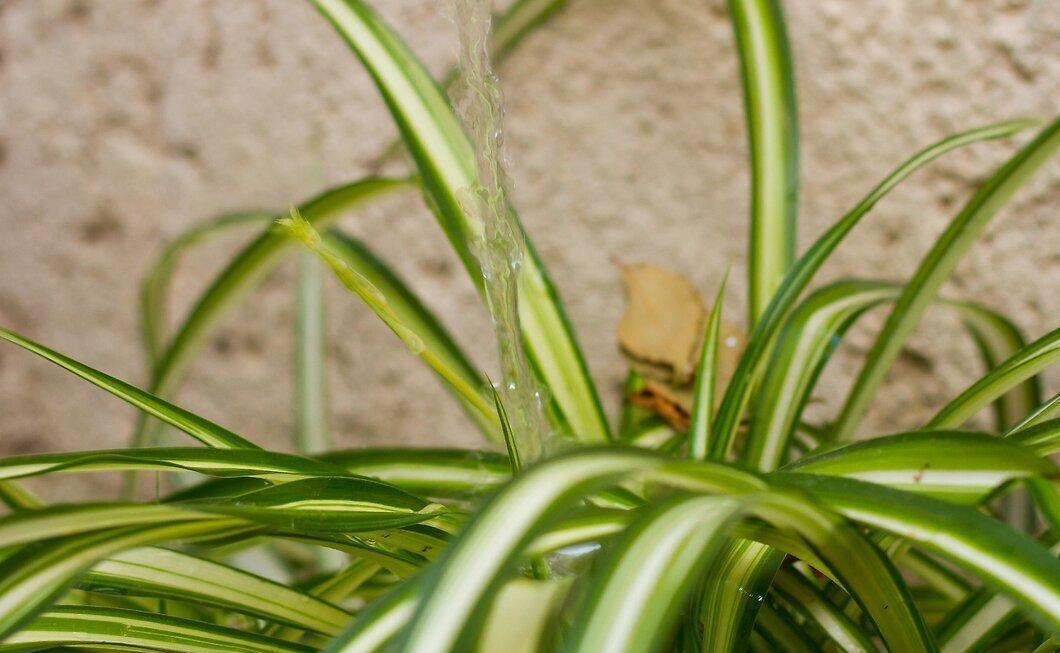
Rinse plants with small leaves in water. Caring for plants like fittonia can be time-consuming if cleaning each leaf individually. The easiest way is to simply rinse them in water.
- Fill a bucket with warm water and add a few drops of dish soap for better cleaning.
- Hold the pot and soil, turn the plant upside down, and submerge the leaves in the bucket. Gently rinse the plant, then let it dry.
Step 3: Wash the Plant Under a Warm Shower.
Clean the plant under a warm shower. This method can be used once a year or several times a year. It’s perfect for heavily dusted plants like Schlumbergera or Philodendron, especially if they are large.
- Position the plant under the shower and turn on the water at room temperature. If the plant is large, you may want to place it on a waterproof mat.
- Hold the shower hose and gently spray the leaves, washing away the dirt. But don’t leave the plant under the shower for too long.
- After washing, allow the water to drain, then return the plant to its spot.
Step 4: Use Mayonnaise to Shine the Leaves.
Try using mayonnaise to restore shine to the leaves. This process takes time and is not suitable for plants with fuzzy leaves, like African violets.
- First, remove dust and rinse the leaves with warm soapy water.
- Apply a small amount of mayonnaise to a damp cloth and gently wipe each leaf. The oil in the mayonnaise will give dull leaves a shine.
- After that, carefully remove any excess mayonnaise with a cloth.