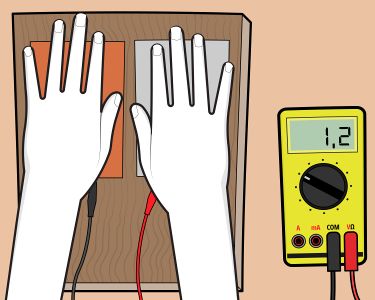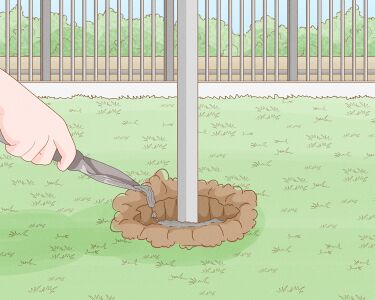
If you want to master the metal painting process, the first step is to determine exactly what type of metal you are working with. Different metals require individual approaches. For example, ferrous metals that contain iron are prone to corrosion and oxidation. Additionally, pay attention to anodized aluminum and galvanized metals, as they also require special care. Outdoor furniture, garden elements, wrought iron fences, and other items can deteriorate due to rust and decay. To extend their lifespan and protect your investment, regularly update the paint. Considering the durability of these items, you can also increase their value by changing color using modern primers and paints. It is essential to know how to paint metal properly to achieve the desired results. (Don't forget to use protective gear when working with chemicals, sanding, and painting: safety goggles, gloves, and a suitable mask for the task at hand).
Painting Ferrous Metals.
Step 1. Prepare the Surface.
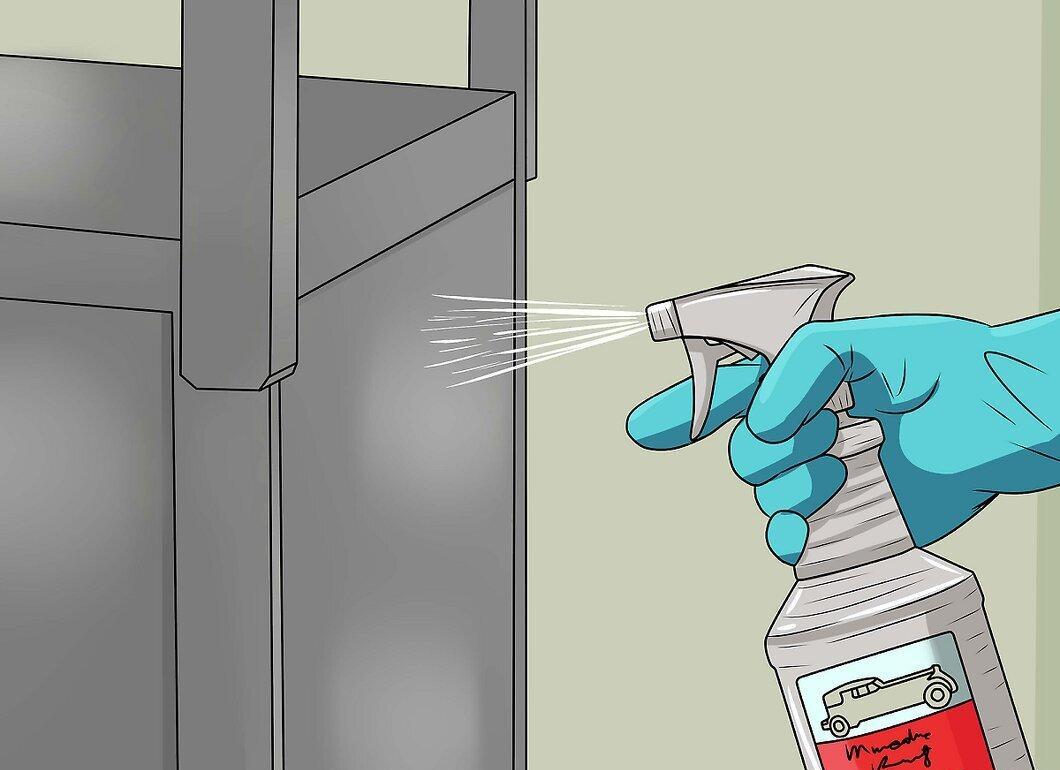
- Use a liquid rust remover to clean the surface of rust, dirt, and old paint.
- Scrub the surface with a wire brush.
- Use a power sander with coarse sandpaper or a Dremel to remove paint residue.
- Wipe the surface with a cloth soaked in mineral spirits.
Step 2. Apply a Metal-Specific Primer.
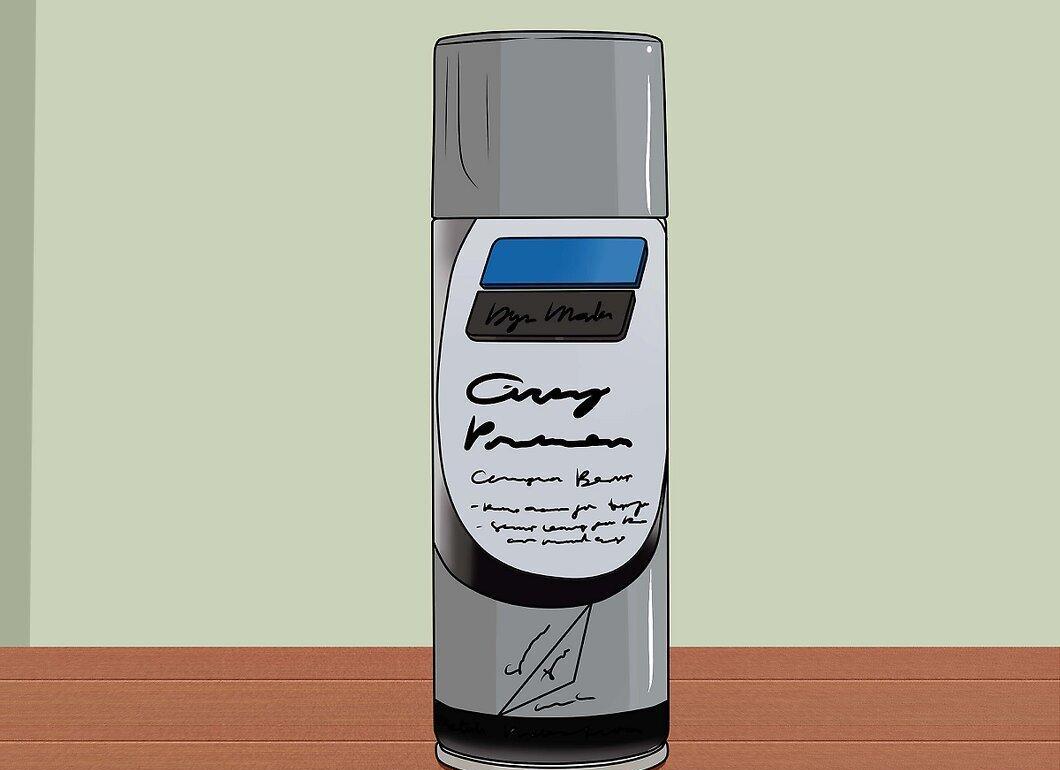
- Choose a primer that sprays and matches the finish color.
- Ideally, the primer should be from the same manufacturer as the paint, as they may blend better in color and composition.
- Look for a primer that is rust-resistant.
Step 3. Apply the Primer Evenly.
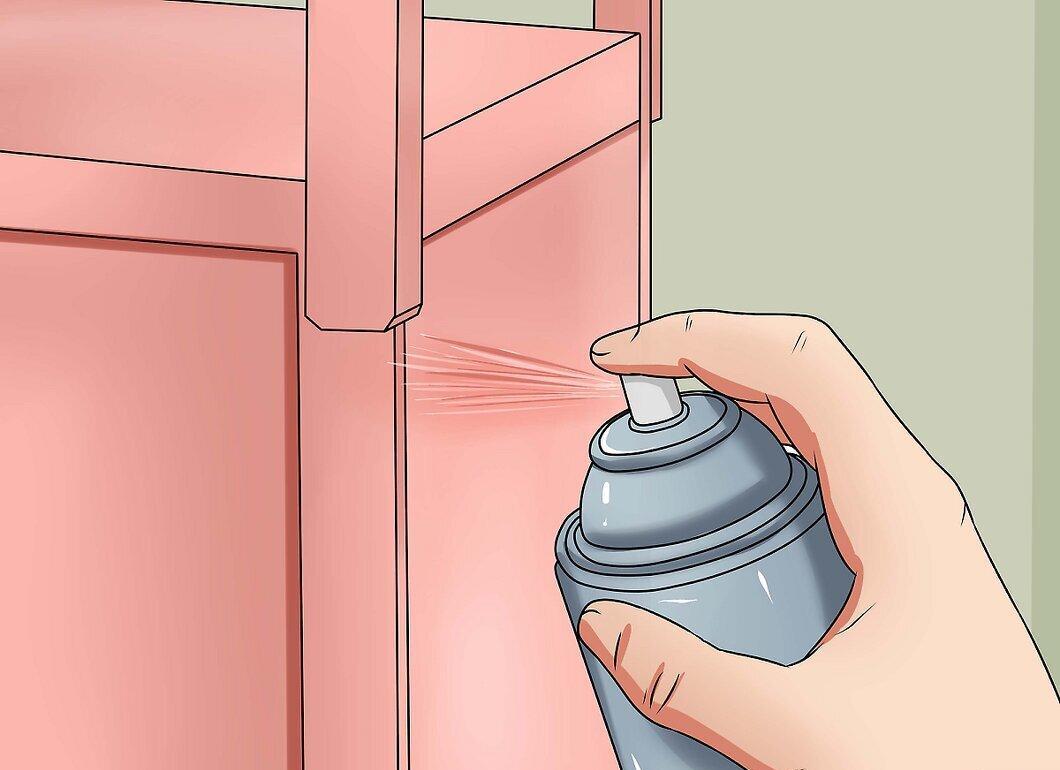
- Applying primer evenly with a brush can be quite challenging.
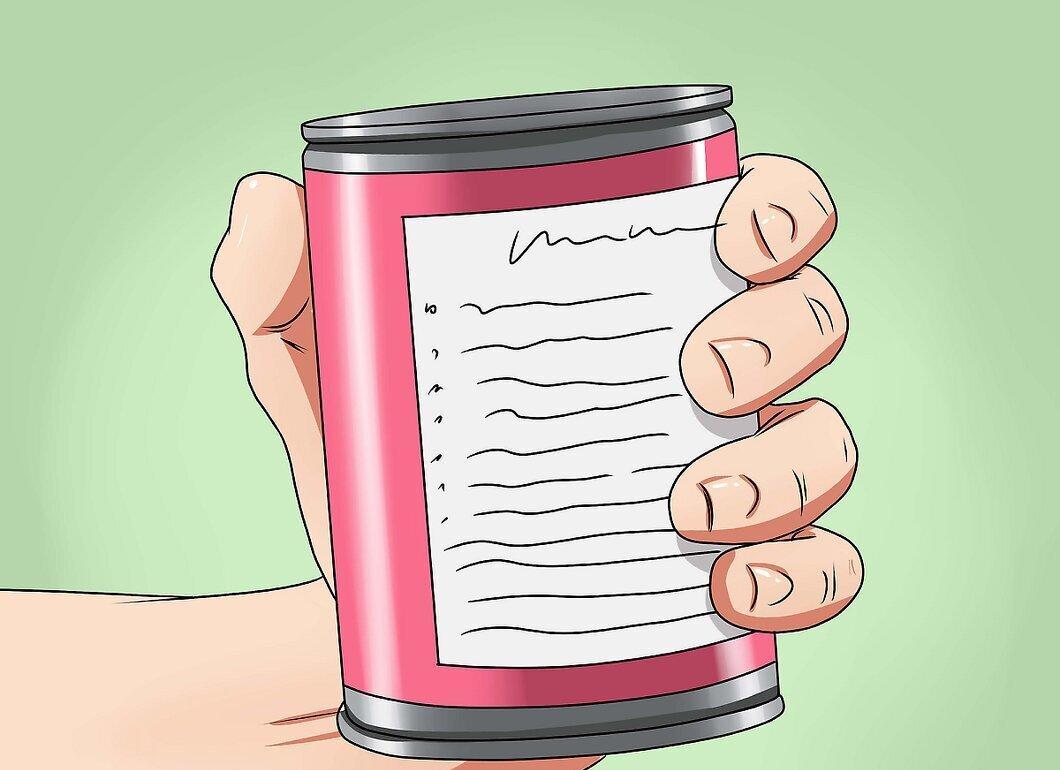
- Refer to the instructions on the packaging for drying times.
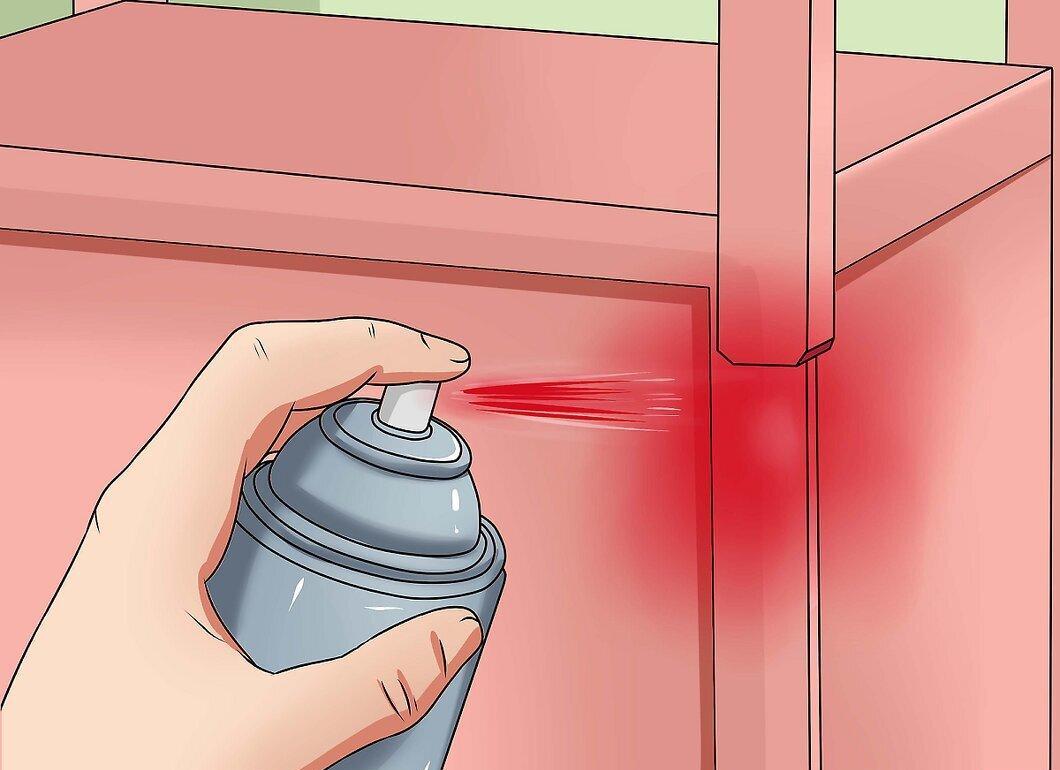
Step 4. Spray Paint Evenly.
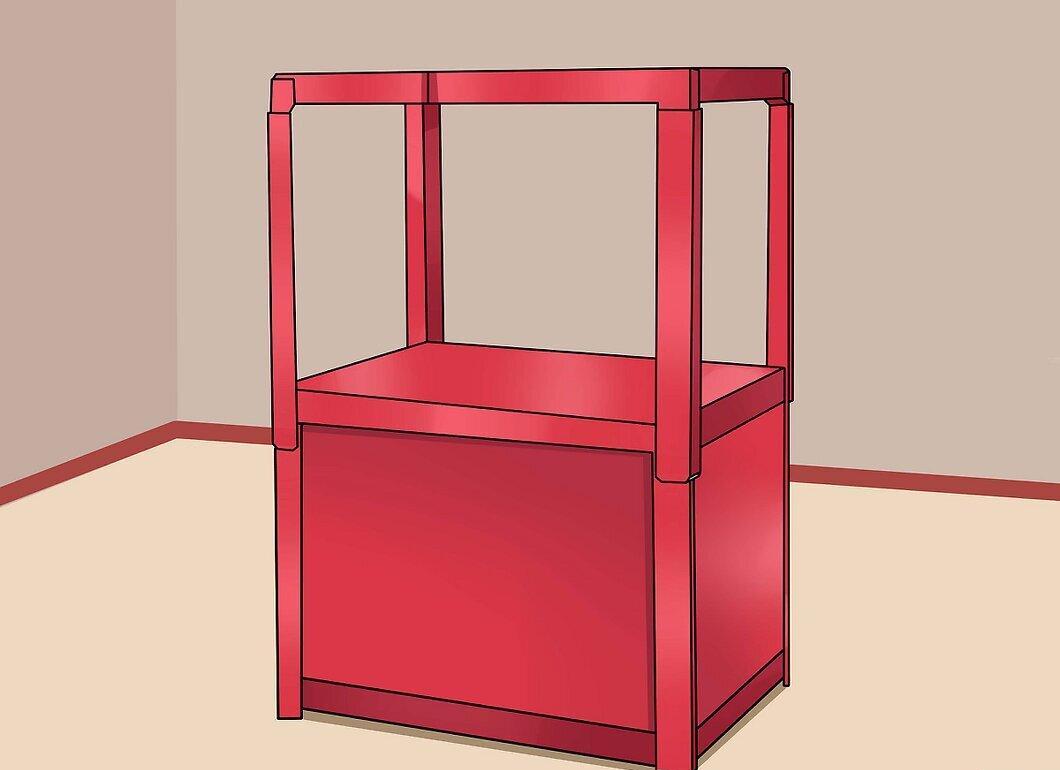
Step 5. Allow the Paint to Dry According to the Packaging Instructions.
Painting Anodized Aluminum
Step 1. Prepare a Neutralizing Solution.
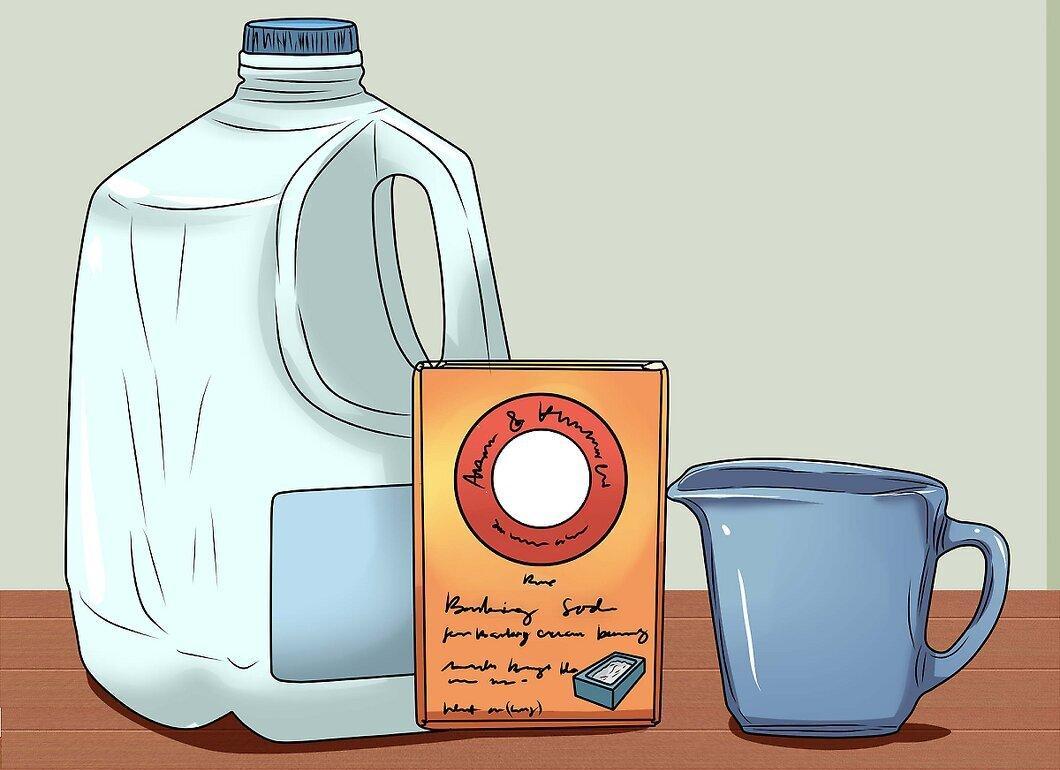
- Mix 2 cups of baking soda with 4 liters of distilled water.
- Keep the neutralizing agent handy for emergency neutralization of sulfuric acid and cleaning tools.
Step 2. Prepare a Sulfuric Acid Solution.
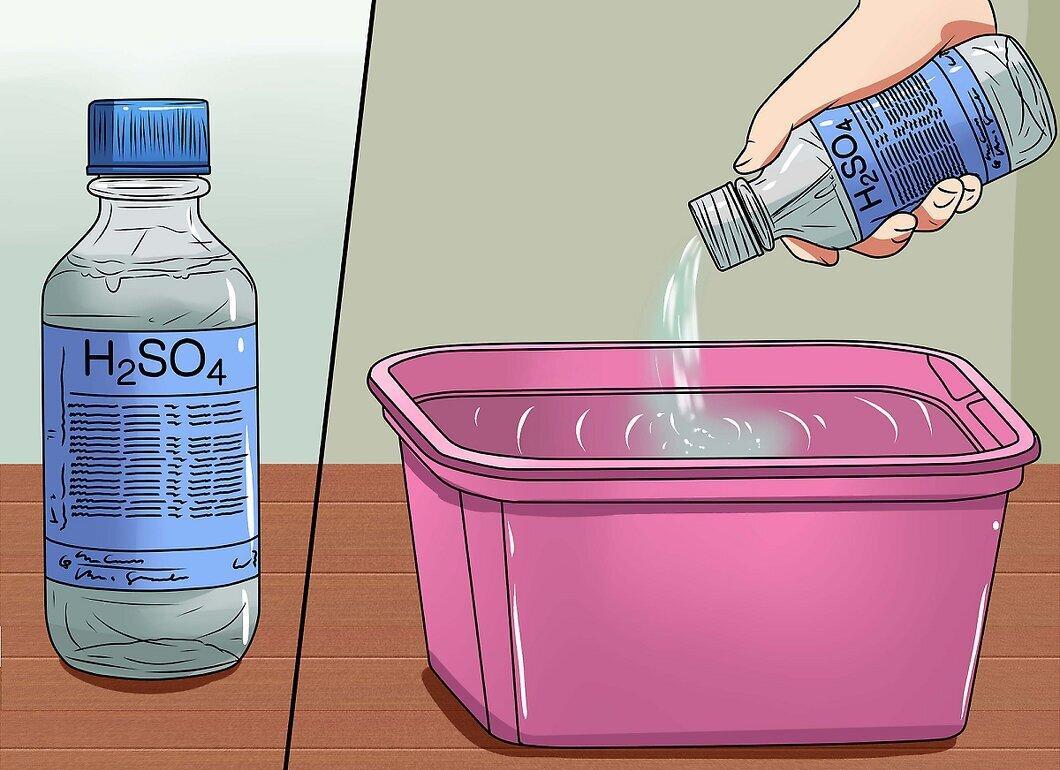
- Add sulfuric acid to distilled water in a plastic container in a ratio of 5 parts water to 1 part acid.
Step 3. Anodize the Aluminum.
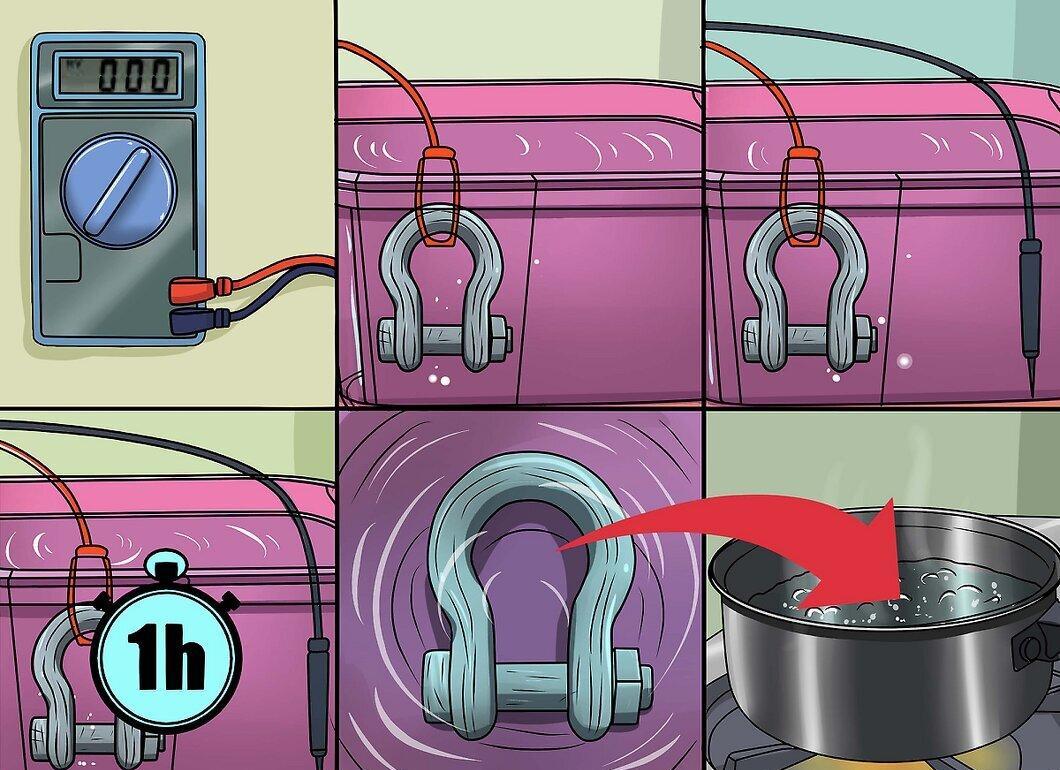
- Prepare a solution of fiber dye and distilled water in a separate container to achieve the desired color.
- Set up a power source with positive and negative terminals.
- Connect the aluminum object using an anode or negative cable and immerse it in the sulfuric acid solution.
- Immerse the cathode or positive cable in the solution, avoiding contact with the anode or aluminum.
- Connect the cables to the power source.
- The negatively charged aluminum will attract positively charged sulfuric acid.
- Anodize the aluminum for 60 minutes.
- Remove the aluminum and rinse it thoroughly with water.
- Place the aluminum object in a dye bath for 20 minutes.
- Boil the object in water for 30 minutes to set the color.
Step 4. Allow the Object to Cool.
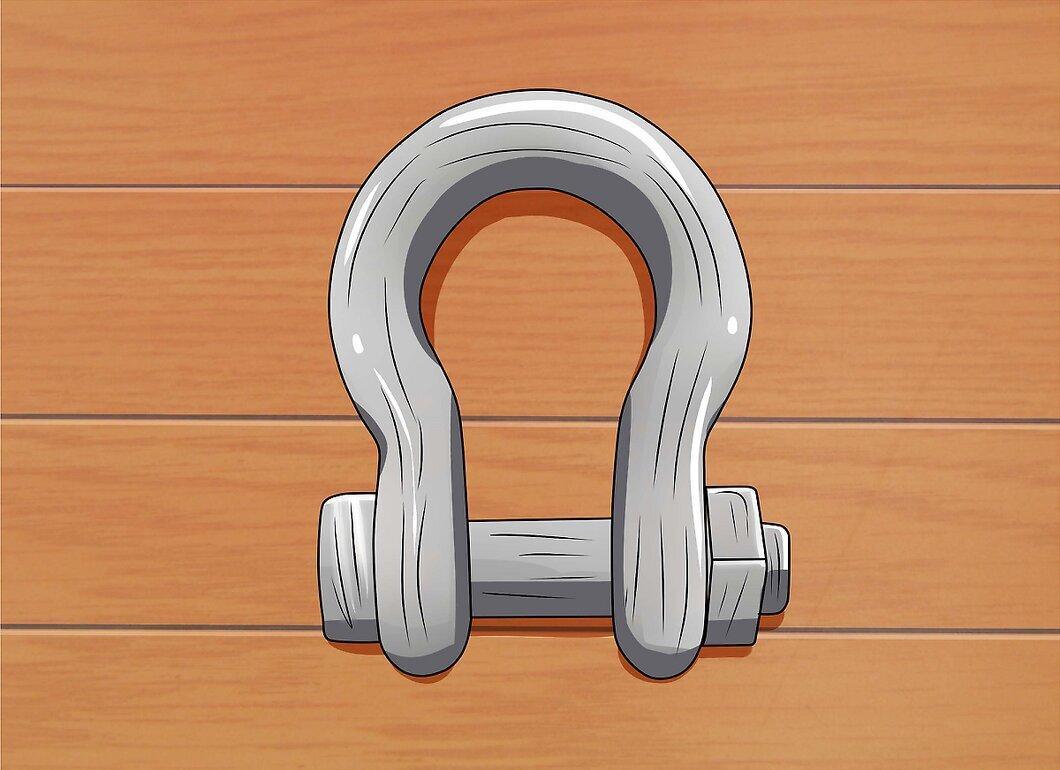
- Clean all tools and containers with the neutralizing baking soda solution.
Painting Galvanized Metal
Step 1. Thoroughly Clean the Metal.
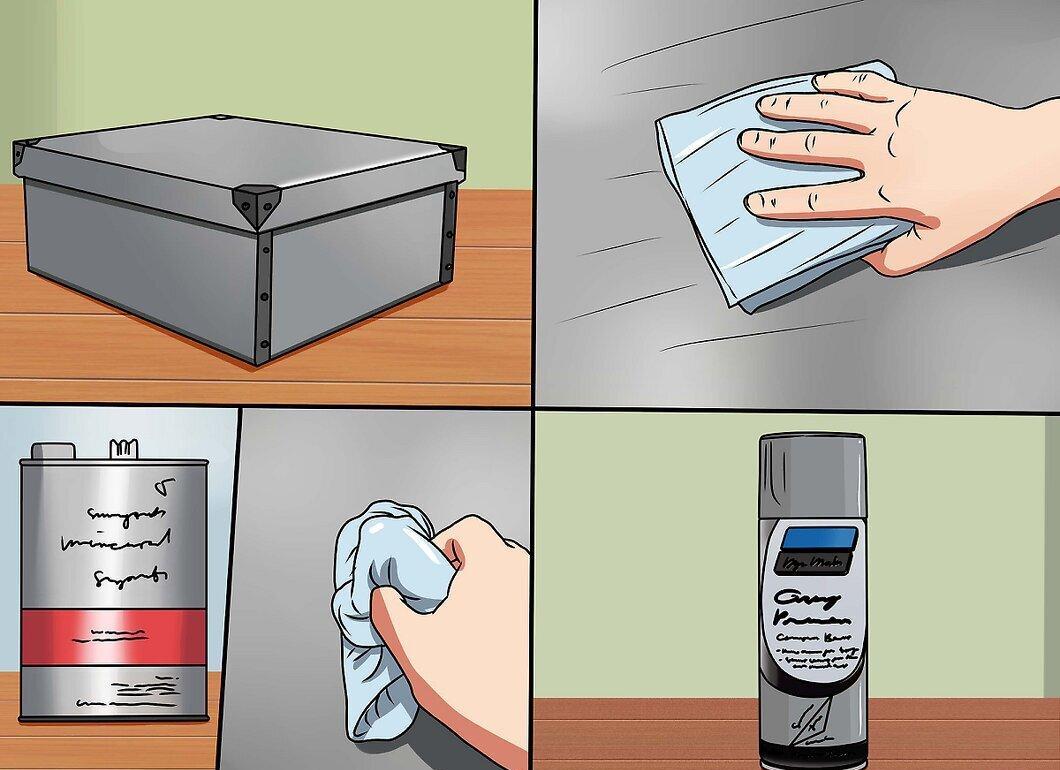
- Galvanized metals have a thin layer of zinc chromate.
- Remove imperfections, discolored areas, dirt, grease, and oil with coarse sandpaper.
- Wipe the surface with a cloth or sponge soaked in mineral spirits.
- Purchase a primer specifically designed for galvanized metal.
Step 2. Follow the Instructions on the Packaging for Number of Coats and Drying Times.