A well is an artificially created hole in the ground aimed at extracting liquid. Most often, we're talking about water—an impressive 97% of the planet's freshwater is found in underground aquifers. Wells, as a means of obtaining water, have been known since ancient times and are widespread across Russia. Drilling a well may be necessary for water quality control, heating or cooling spaces, as well as providing drinking water (after necessary purification). There are several drilling methods we will discuss below. However, before starting the drilling process, it’s crucial to consider numerous factors.
Planning the Well
Step 1. Assess the Costs and Benefits of Drilling a Well
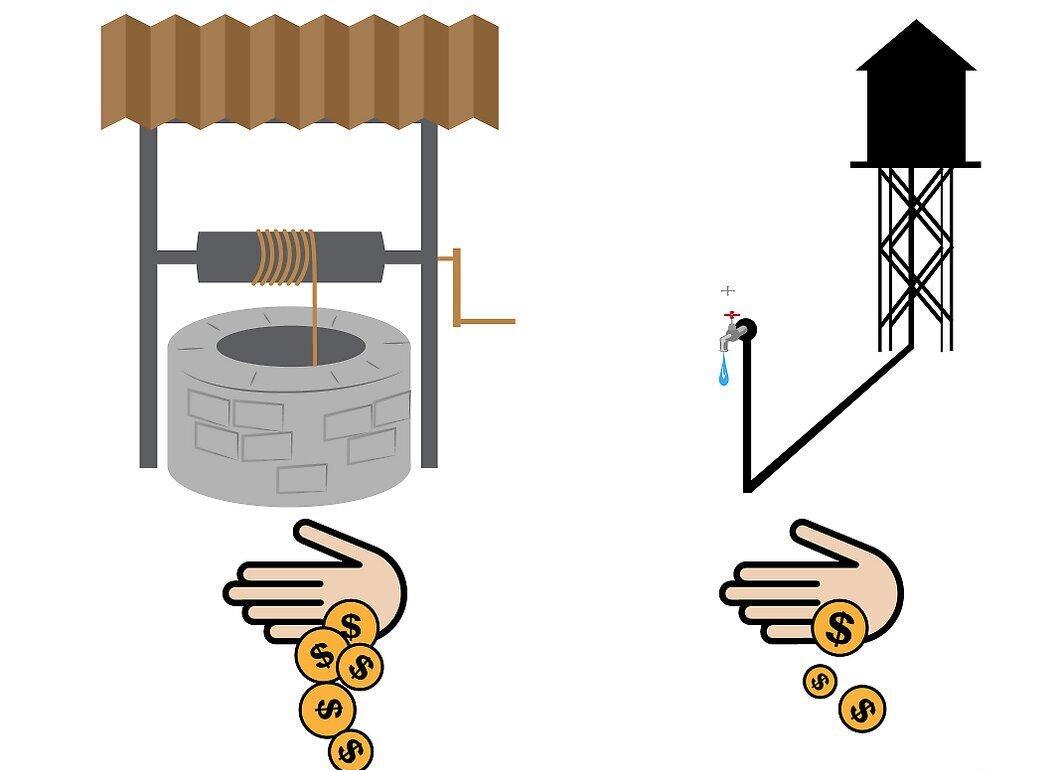
First, compare the costs and benefits of drilling a well against laying pipes or delivering water. Initial expenses for drilling are typically higher than connecting to a centralized water supply. However, don’t forget to consider the risk of lacking a quality aquifer and ongoing maintenance costs for the well. At the same time, sometimes water supply providers can delay connections, making well drilling a more attractive option in areas with good underground water reserves at shallow depths.
Step 2. Research the Characteristics of the Chosen Site for Drilling
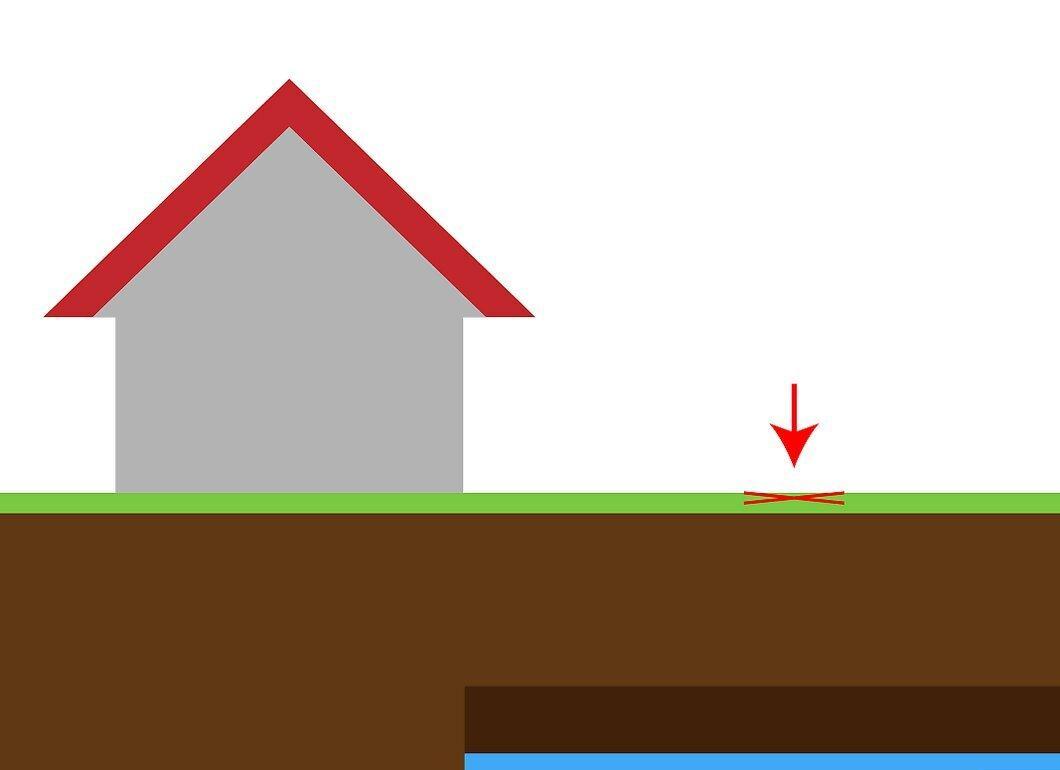
Learn about the features of your site and the surrounding area where you plan to drill. It’s essential to gather information on the geology and hydrogeology of the region.
Step 3. Check for Previously Drilled Wells on Your Site
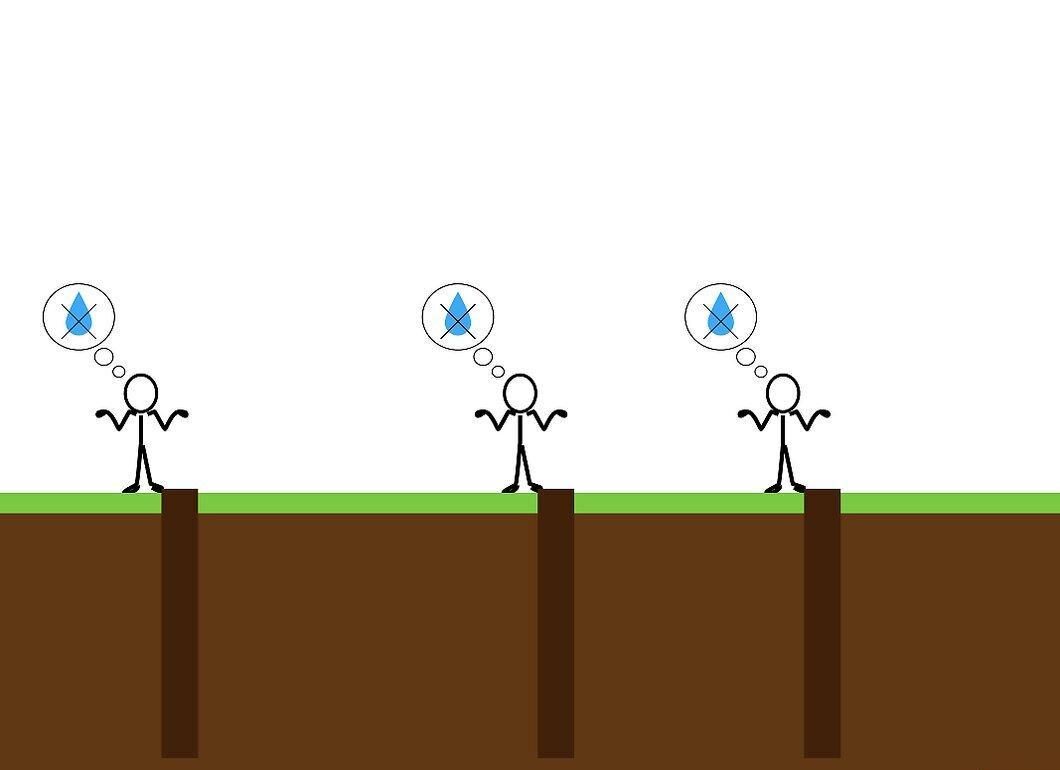
It’s important to find out if wells have already been drilled on the site and their productivity. Geological survey data can provide insights into past drilling in the area and the presence of water. This information can be obtained from local hydrogeological authorities or water resources cadastres. This will help you determine the depth of the aquifer and the location of water-bearing layers.
- In most cases, aquifers are located at the groundwater level and are called unconfined because all materials above them are porous. Confined aquifers, on the other hand, are limited by dense layers, making drilling more challenging.
Step 4. Study Geological and Topographic Maps
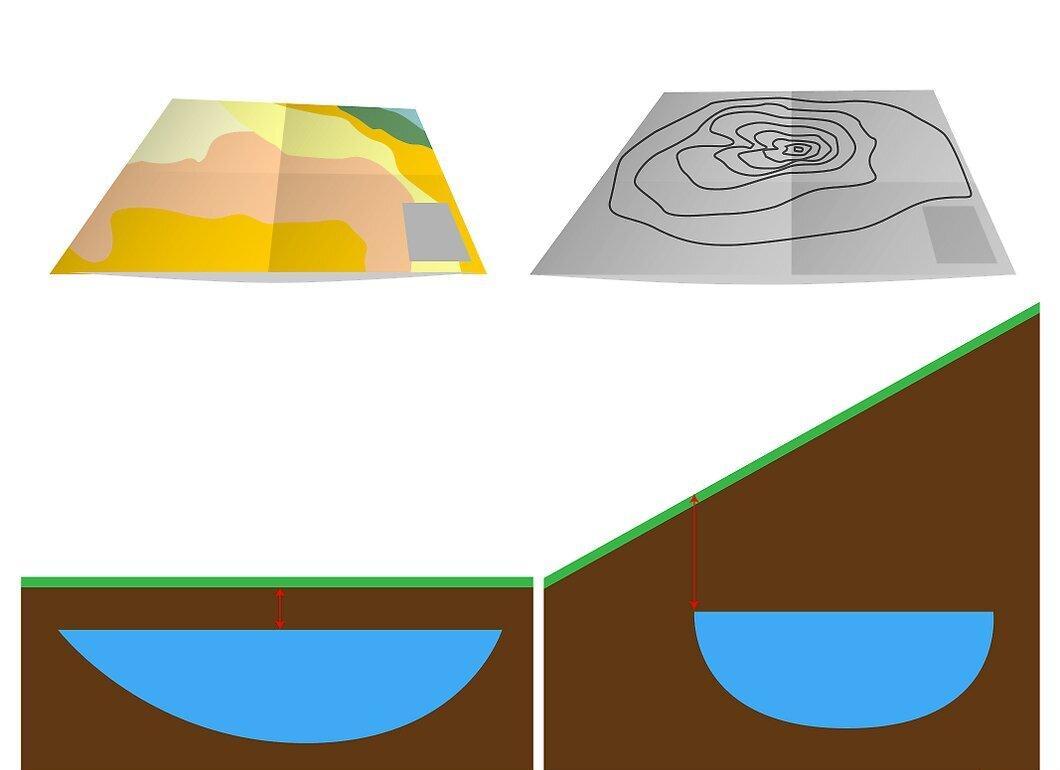
Be sure to review geological and topographic maps of your site. While they may provide less information than drilling data, geological maps will show the location of aquifers, while topographic maps will highlight terrain features that aid in planning the well's location. This data will help you assess whether the groundwater level is high enough for drilling.
- The groundwater level can vary and mirror the terrain: closer to the surface, water is found in lowlands, while it may be more challenging to reach the aquifer in elevated areas.
Step 5. Talk to Local Residents
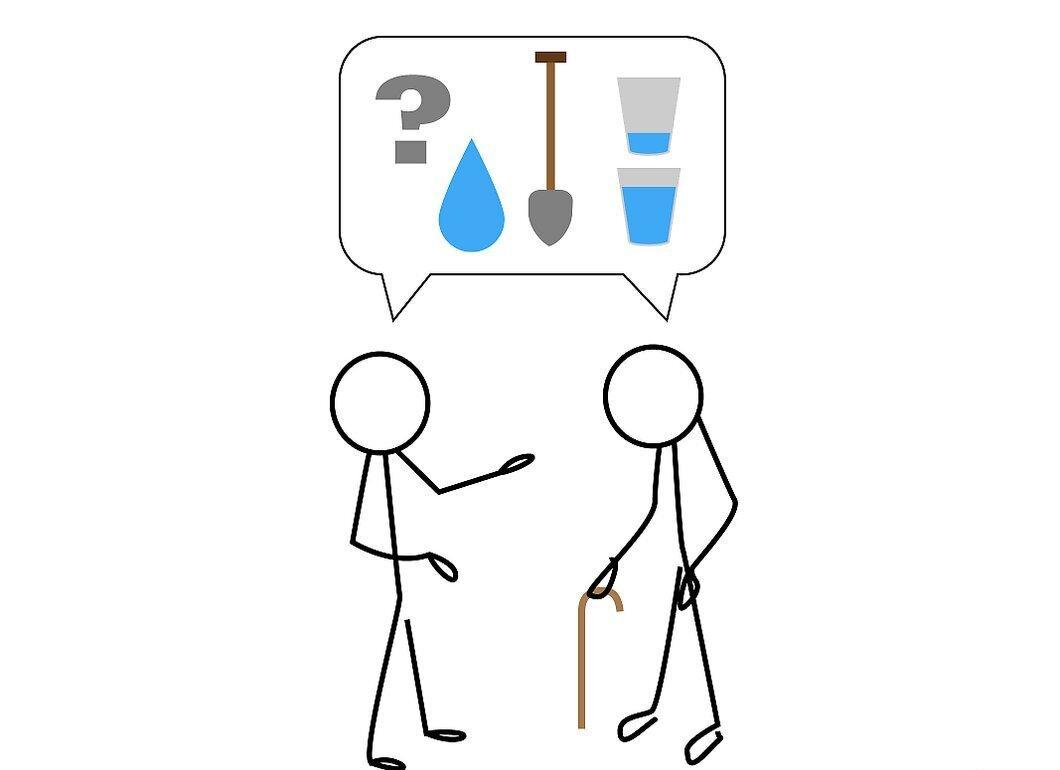
Ask people living nearby. Many old wells and boreholes were drilled without official documentation, but locals may remember how productive those sources were.
Step 6. Consult with Specialists

Reach out to specialists from the local hydrogeological service or mineral resources department. They can help answer your main questions and suggest additional sources of information that may be useful. If you need more data than they can provide, it might be worth considering hiring a professional hydrogeologist.
Step 7. Obtain Necessary Permits for Drilling
Make sure you have all the necessary permits for drilling. Contact your local government authority to find out if a permit is required and what regulations govern the well drilling process.
Drilling the Well
Step 1. Choose a Safe Location for Drilling
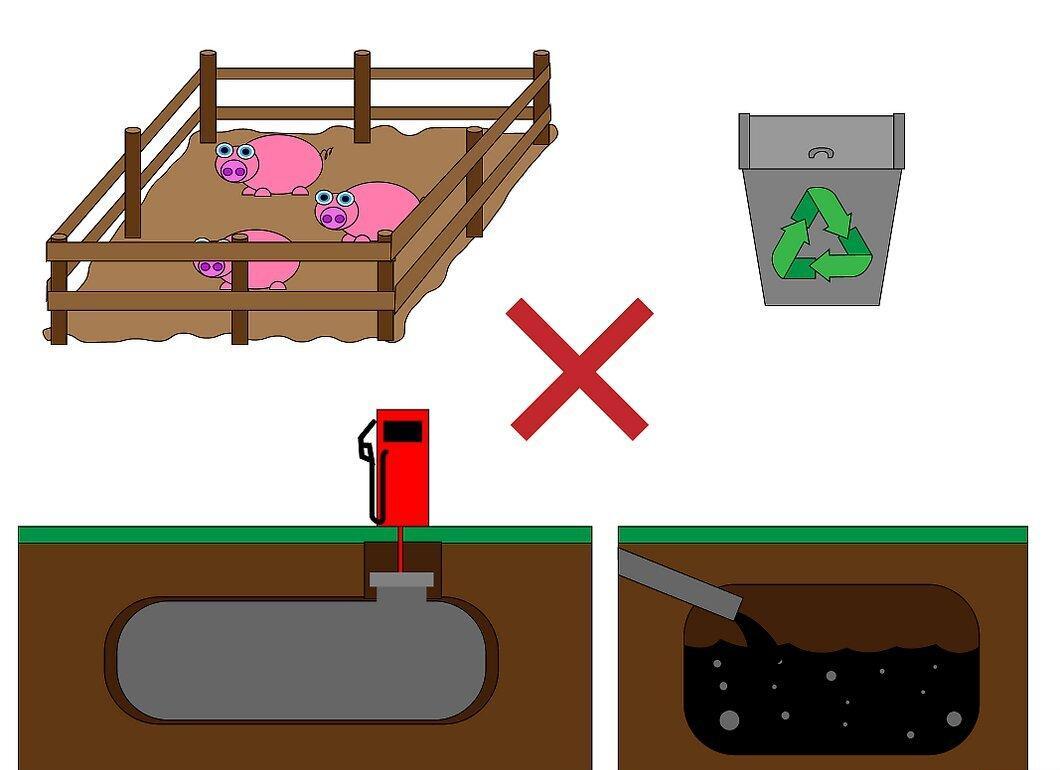
When drilling a well, keep away from potential sources of contamination. Animal pens, underground tanks, and sewage systems can lead to groundwater pollution. Wells are best drilled in locations accessible for maintenance and at a safe distance from buildings (the minimum distance depends on the well's depth).
Step 2. Select the Drilling Method
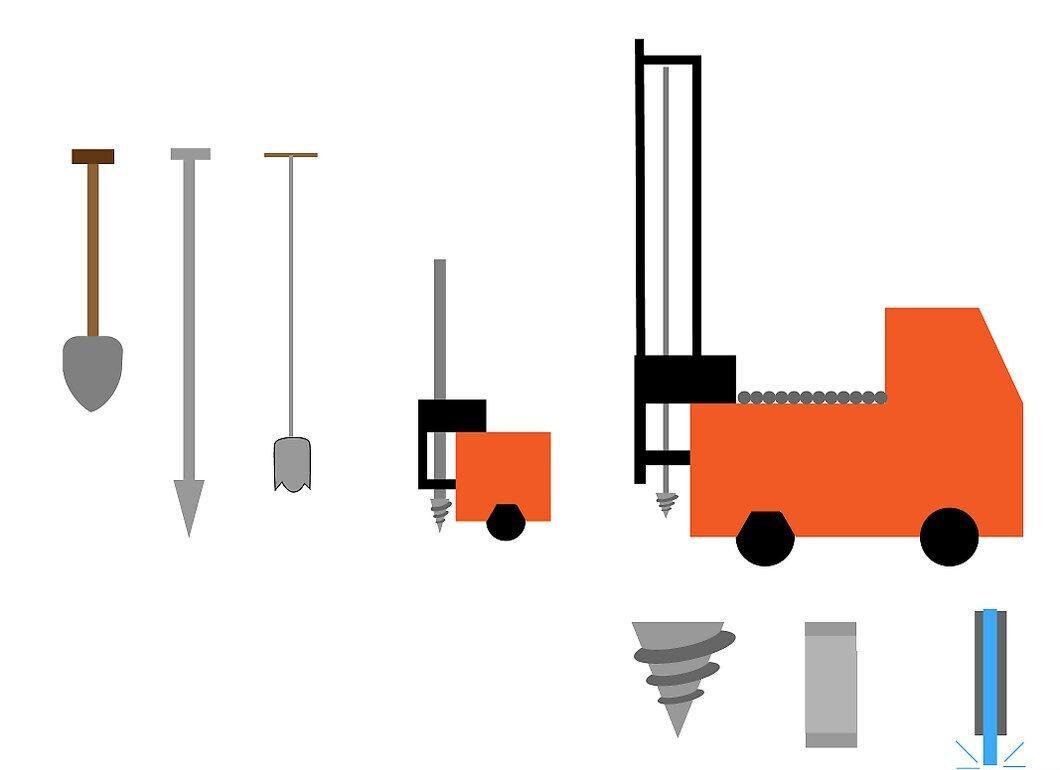
Determine how you will drill. Most wells are drilled, but in some cases, methods like driving or excavating can be used. Drilling can be done using various tools, such as rotary or percussion drills, as well as hydrodynamic technologies.
- Well excavation is used when water is close to the surface and there are no hard layers. After creating a depression in the aquifer, a casing pipe is installed to prevent contamination. Excavated wells and boreholes are generally shallower, increasing the risk of drying up during dry periods.
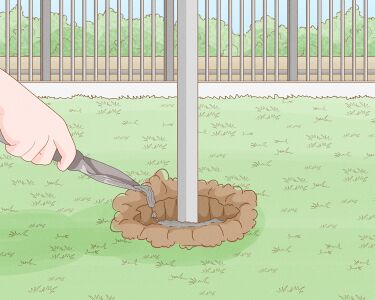
- Driven wells are created using steel tips that are driven into the ground. First, a wide hole is dug, then the structure is driven into the earth, periodically rotating to strengthen the connection until the tip reaches the aquifer. Driven wells can be manually drilled up to 9 meters deep and mechanically up to 15 meters.
- Drilling with a hand auger can reach depths of 4.5-6 meters, while a mechanical auger can reach up to 38 meters. The diameter of the well can vary from 5 to 75 centimeters.
- Rotary drills are used to remove fluid from the cutter, facilitating the drilling process and clearing waste. They can reach depths of up to 300 meters, creating holes with diameters from 7.5 to 30 cm. While this method is very effective, it may encounter challenges in rocky formations.
- The cable percussion method works similarly to pile driving machines, where the cutter moves up and down, breaking the rock. This method allows for penetration of formations that may complicate rotary drilling.
- The hydrodynamic method uses water to create a depression and remove debris. This method is very fast but limited to depths of up to 15 meters, and the water must be clean to avoid contaminating the aquifer.
Step 3. Complete the Drilling Process
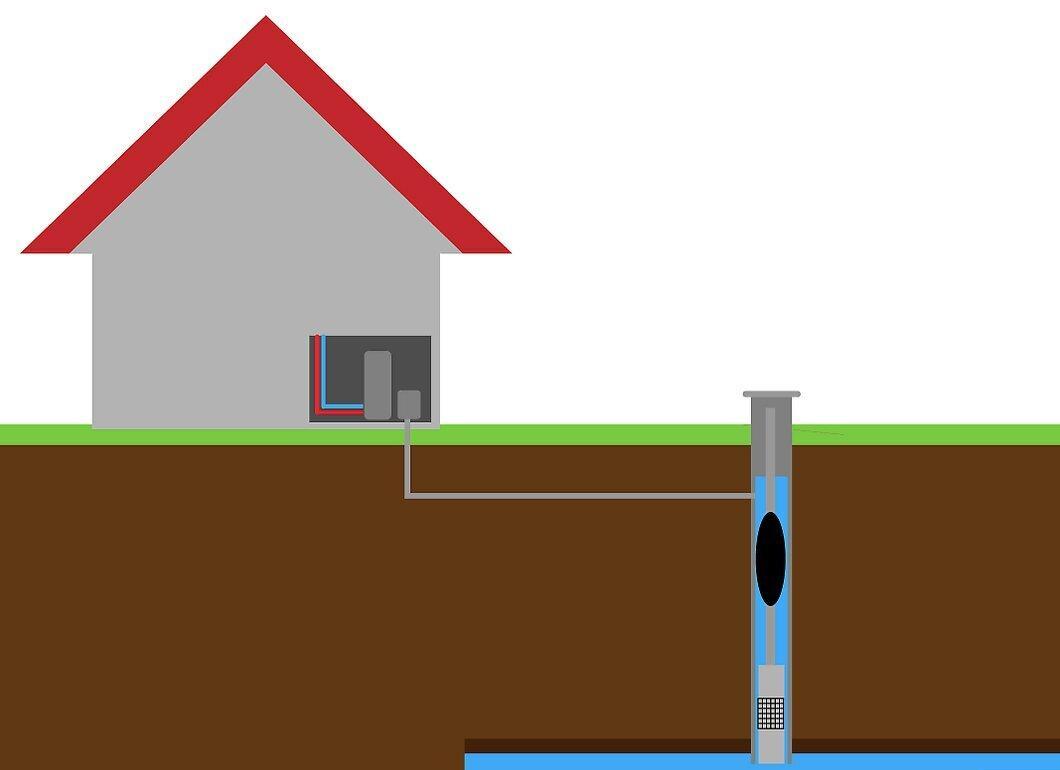
Once drilling is complete, install a casing pipe to prevent wall collapse and water contamination. The casing pipe is typically smaller than the well hole and is secured in place using clay or concrete. Usually, the casing pipe is installed to a depth of at least 5 meters, and in loose soil, it may run the entire length of the well. Filters for cleaning the water from sand and gravel are installed in it, after which the well is sealed with a sanitary plug, and if the water is not under pressure, a pump is installed to bring water to the surface.