An old wooden pallet can serve as a great foundation for various projects in your home, including creating a mini-garden. There are several ways to transform it – some are easier, while others require more effort. Using a pallet for gardening is an excellent option for those with limited space.
Organizing a Vertical Garden
Step 1. Prepare the pallet and line it with gardening fabric.
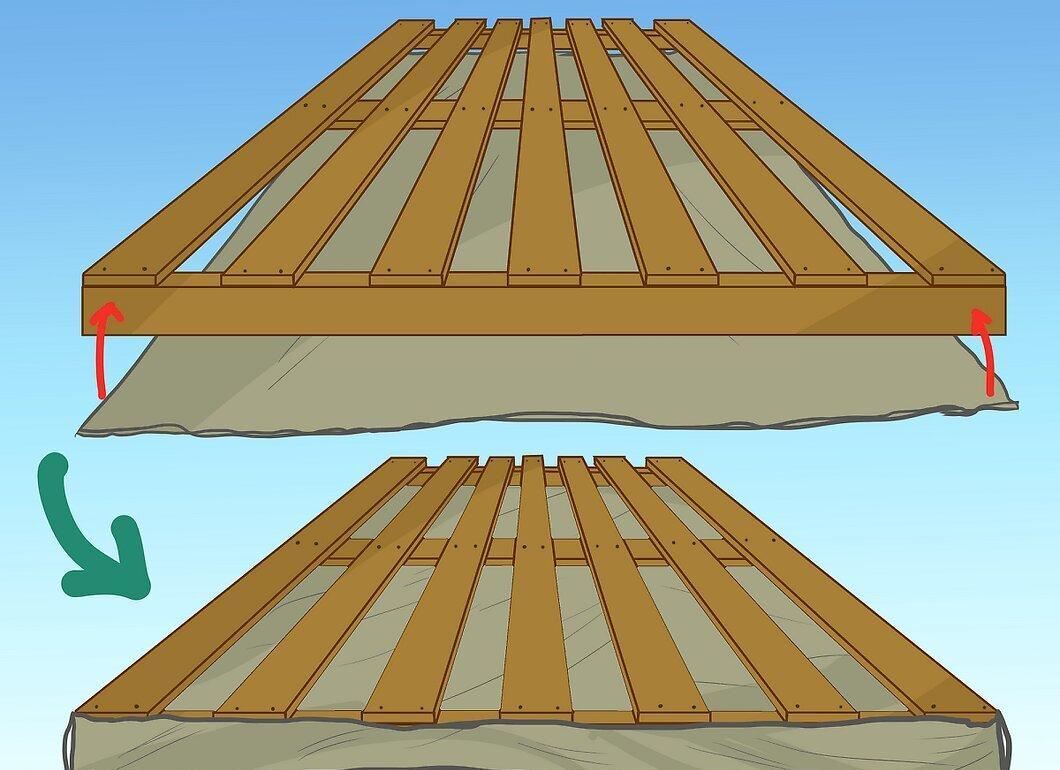
Start by preparing the pallet: sand it down and treat it with a wood protectant or outdoor paint. Then, using a glue gun, line the back, bottom, and sides of the pallet with double-layer landscape fabric.
Step 2. Fill the pallet with soil and plant your plants.
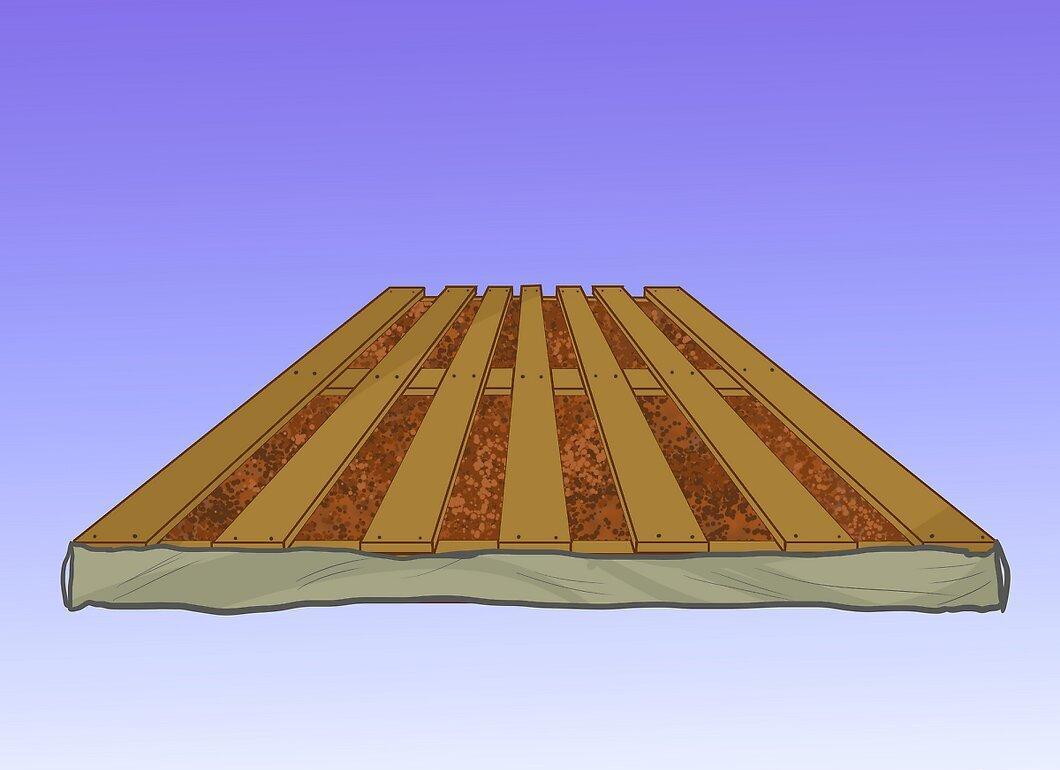
Fill the pallet with soil, starting from the bottom row and working your way up. Ensure the soil is well-packed, and the plants are spaced closely together. Leave the pallet in a horizontal position for a few weeks to allow the roots to stabilize and hold the soil when you lift it vertically.
Step 3. Water your vertical garden regularly.
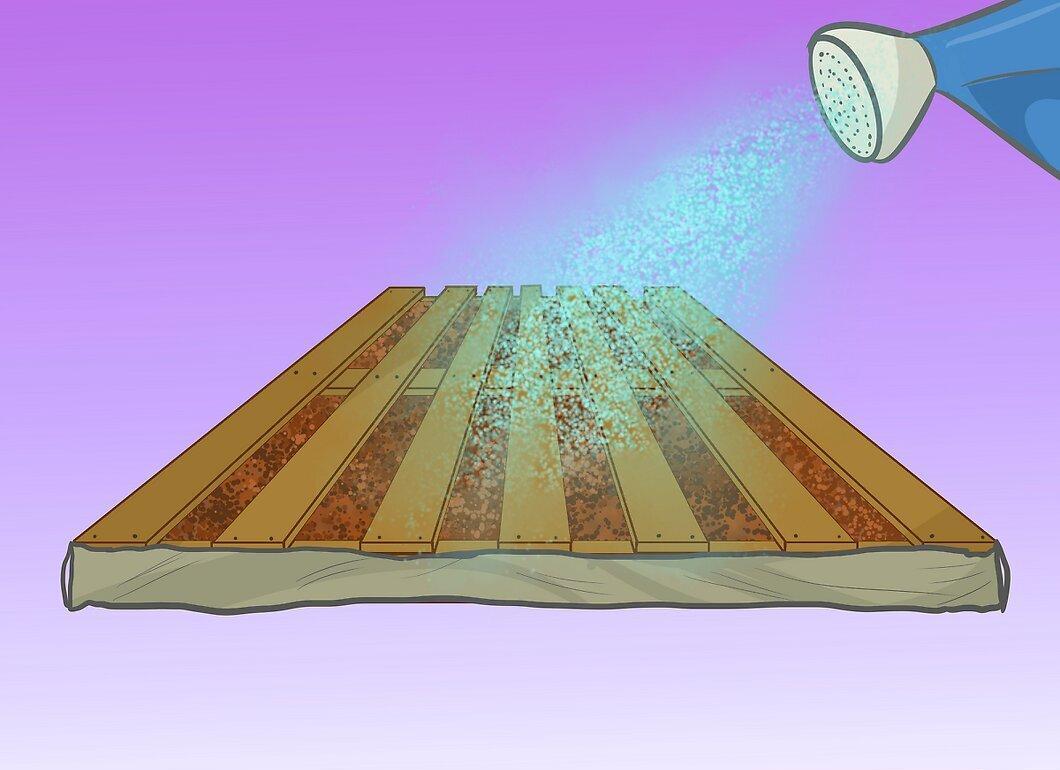
Remember to water the garden regularly, as the soil can dry out quickly, especially at the bottom. It may be easier to water it while it's horizontal, but be prepared for some soil to spill out.
Step 4. Create planting pockets using garden fabric.
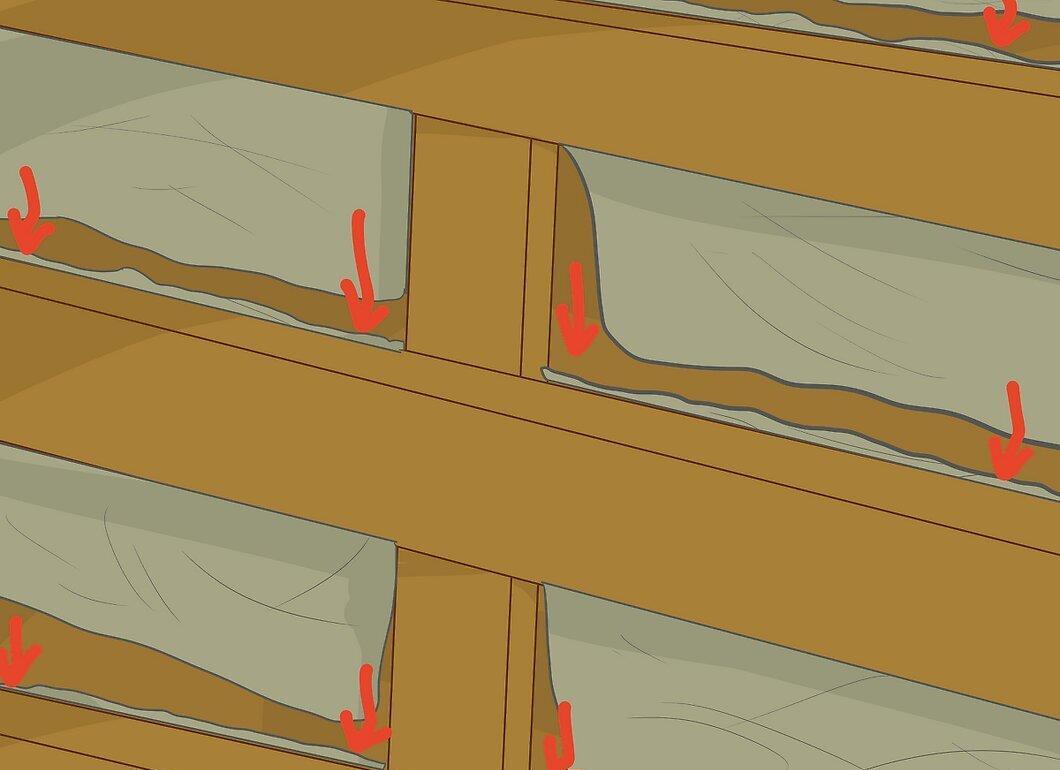
Instead of simply filling with soil, you can make individual pockets from garden fabric for each row, attaching them to the back of the pallet. This method is a bit more complex but saves on soil.
Step 5. Use pallets to create a trellis for climbing plants.
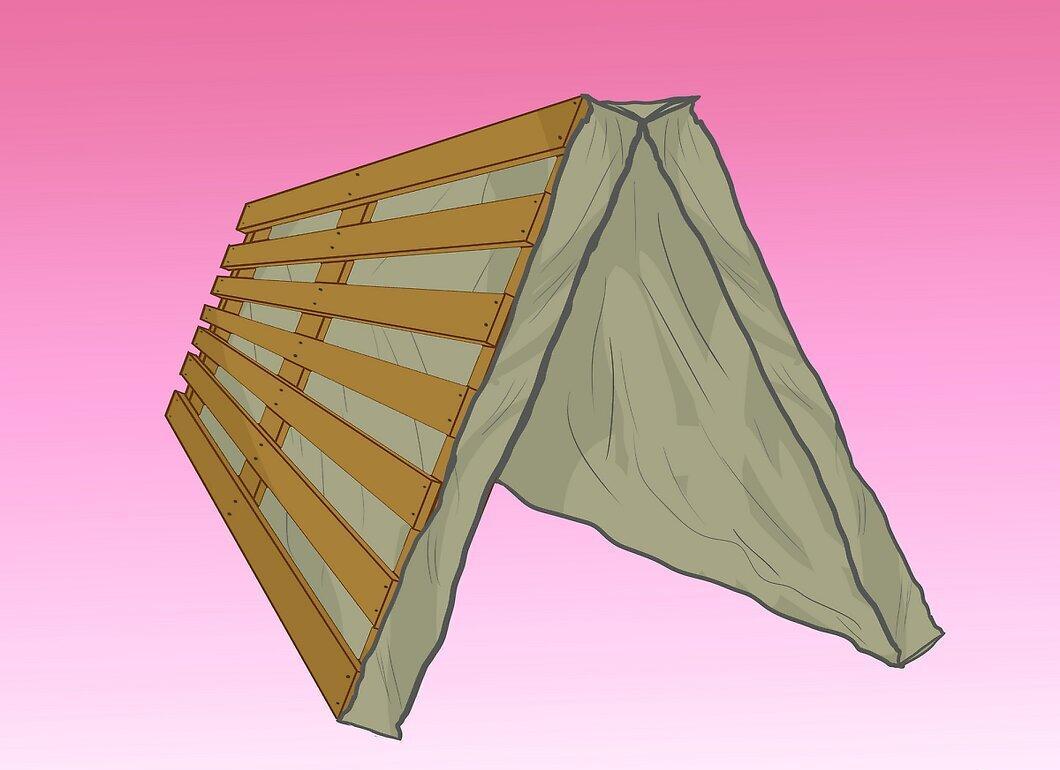
To create a trellis for climbing plants, take two pallets and position them in a V-shape, leaving about 18 inches between them. Secure them with wooden stakes to prevent wobbling, and place plant bags at the base of the pallets, planting crops like cucumbers or beans.
Using Tin Cans
Step 1. Refresh and paint the pallet.
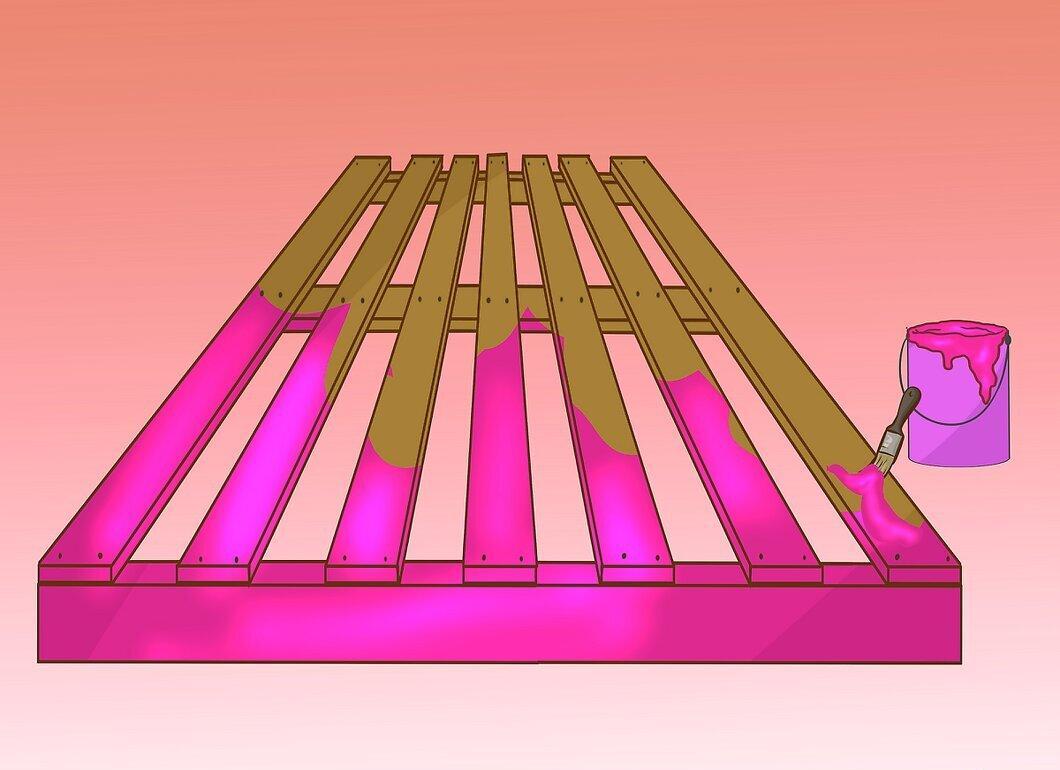
Check the pallet for damage, replacing any rotten boards or fasteners. After that, paint it in a bright color to give it a fresh look.
Step 2. Prepare tin cans and make drainage holes.

Take several empty tin cans and wash them thoroughly. Then, create drainage holes using a hammer and nail. Apply a metal primer and several coats of acrylic paint, finishing with a layer of clear sealant.
Step 3. Secure the cans on the pallet with plants inside.

Attach the tin cans to the pallet, being careful of sharp edges. Before filling them with soil, place 2 inches of drainage material at the bottom.
Step 4. Choose a location for your pallet garden.

For your garden to look its best, it's best to set it against a wall or fence rather than on the ground. You can also hang the pallet from chains to lift it off the ground.
Creating Raised Beds
Step 1. Determine what type of beds you want to create.
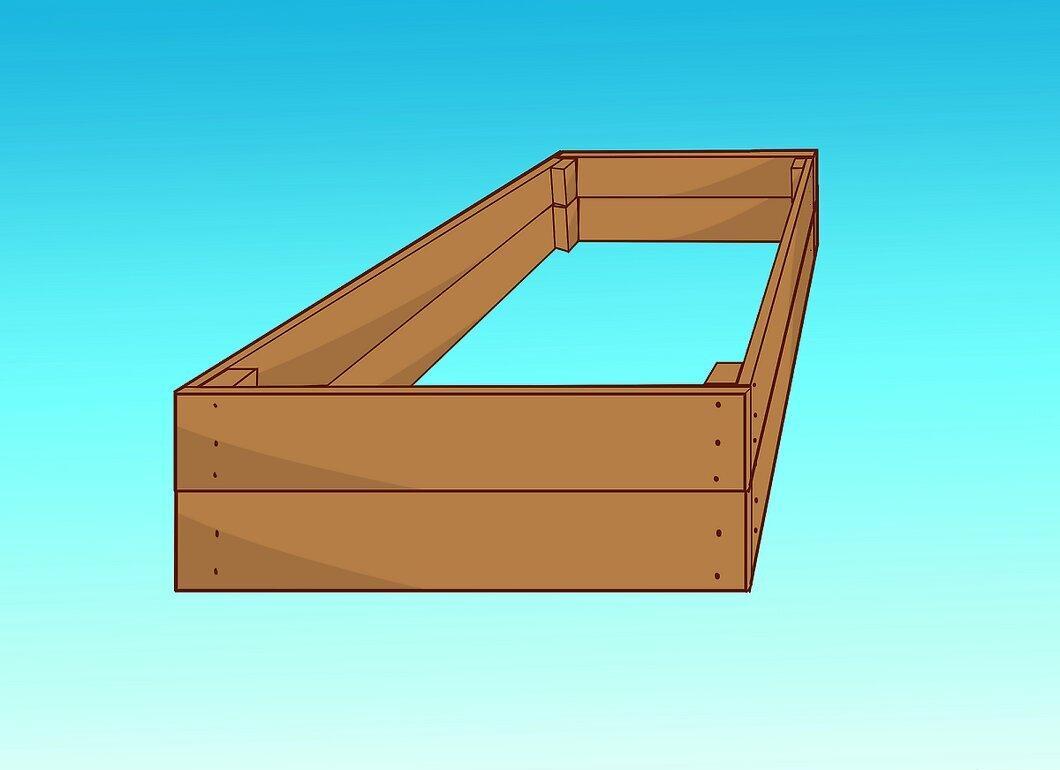
Think about what kind of beds you need. You can use a new heat-treated pallet to create neat raised beds or combine several pallets for deeper ones. Keep in mind that a single pallet won't provide much height, but it's a great start.
Step 2. Clear weeds and close the edges of the pallet.
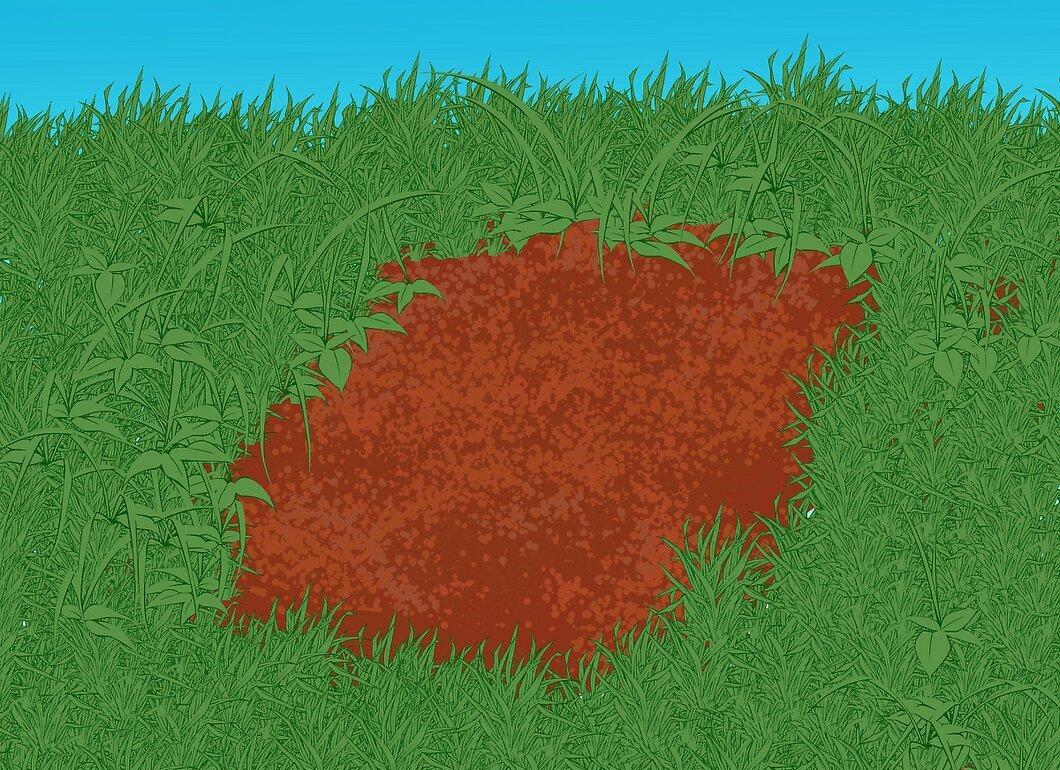
First, clear weeds from the spot where you’ll place the bed. You can use chemicals or simply lay down newspapers or cardboard. Close the edges of the pallet to prevent weed growth by nailing thin boards or using fabric.
Step 3. Place the pallet on the ground and fill it with compost.
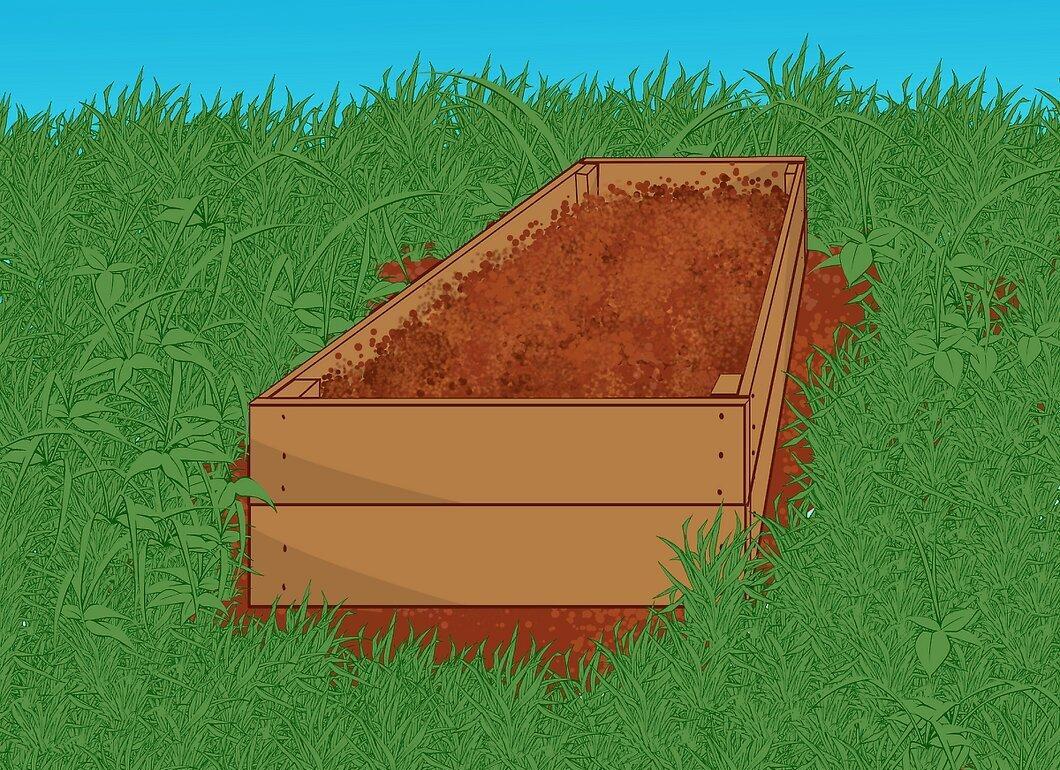
Set the pallet on the ground and fill it with compost. Plant through the slats, paying attention to watering. This method is particularly well-suited for plants with small roots, such as lettuce and strawberries.
Safety Guidelines for Using Pallets
Step 1. Protect yourself from splinters.
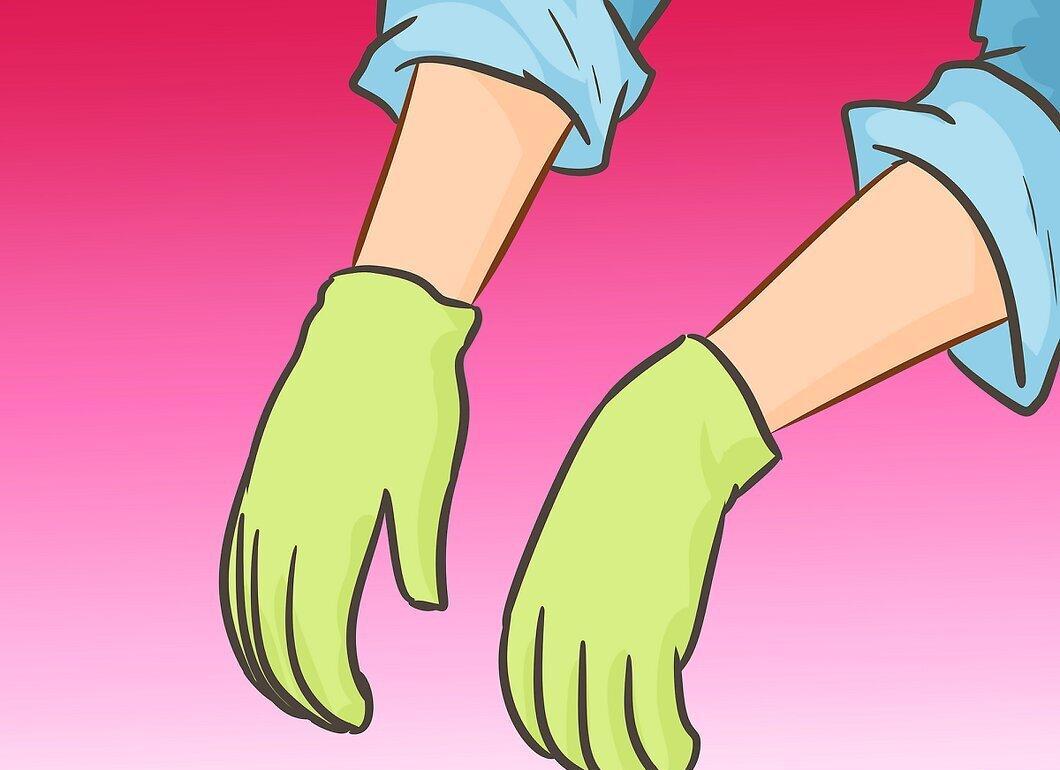
When working with pallets, wear sturdy work gloves, as old wooden pallets can be rough and splintery. If you decide to sand them, use a mask and safety goggles.
Step 2. Look for pallets marked "HT."
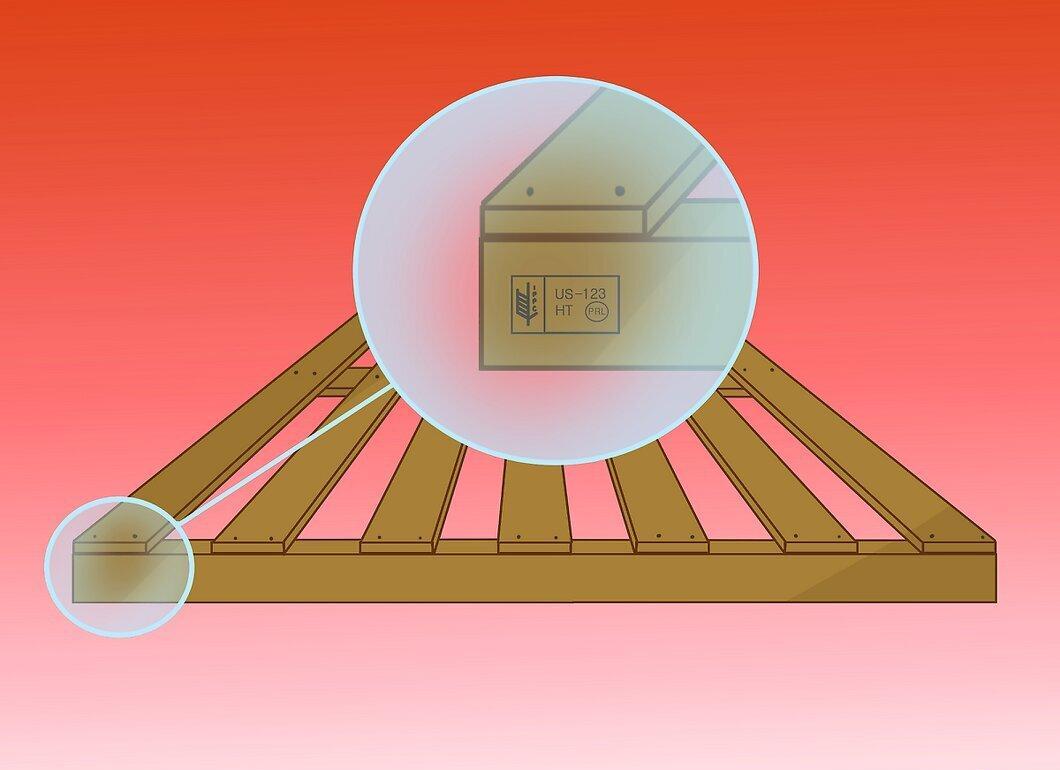
Choose pallets with the "HT" stamp. This indicates that the wood has been heat-treated, making it safe for gardening use. Using a new HT pallet is especially important if you plan to grow edible plants.
Step 3. Avoid old pallets as they may be unsafe.
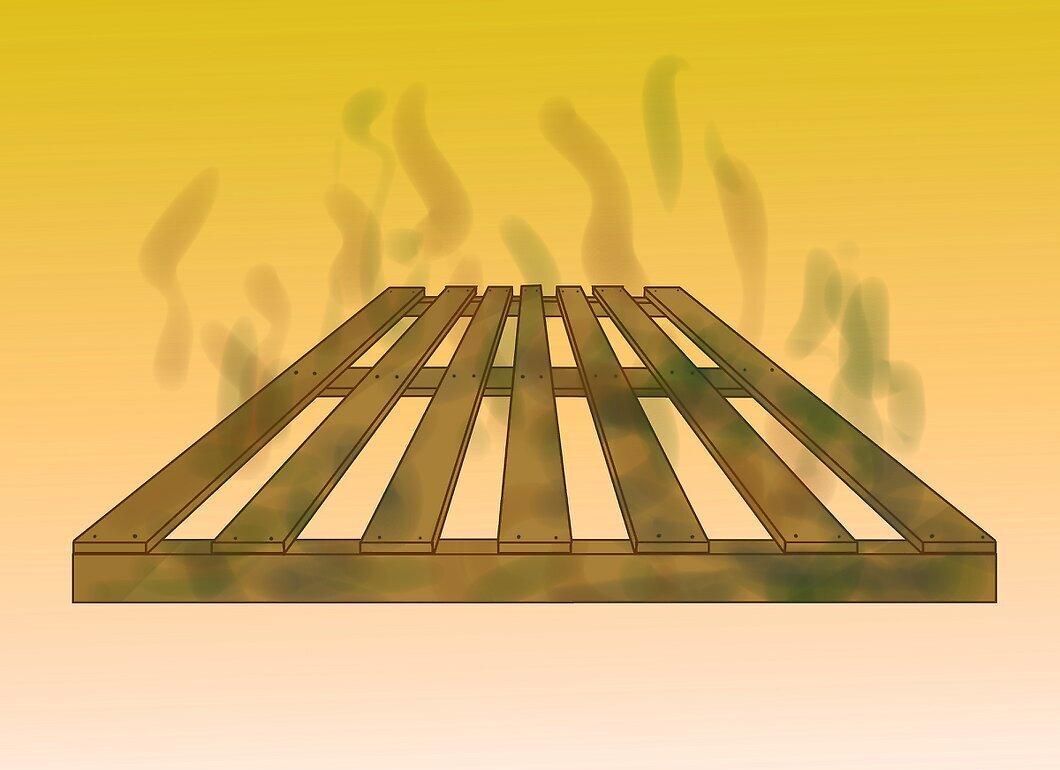
Do not use old pallets, as they may be contaminated. If the wood gets wet, it can become a breeding ground for bacteria, such as salmonella. It's best to avoid old pallets for any gardening needs.
Step 4. Check pallets for damage.
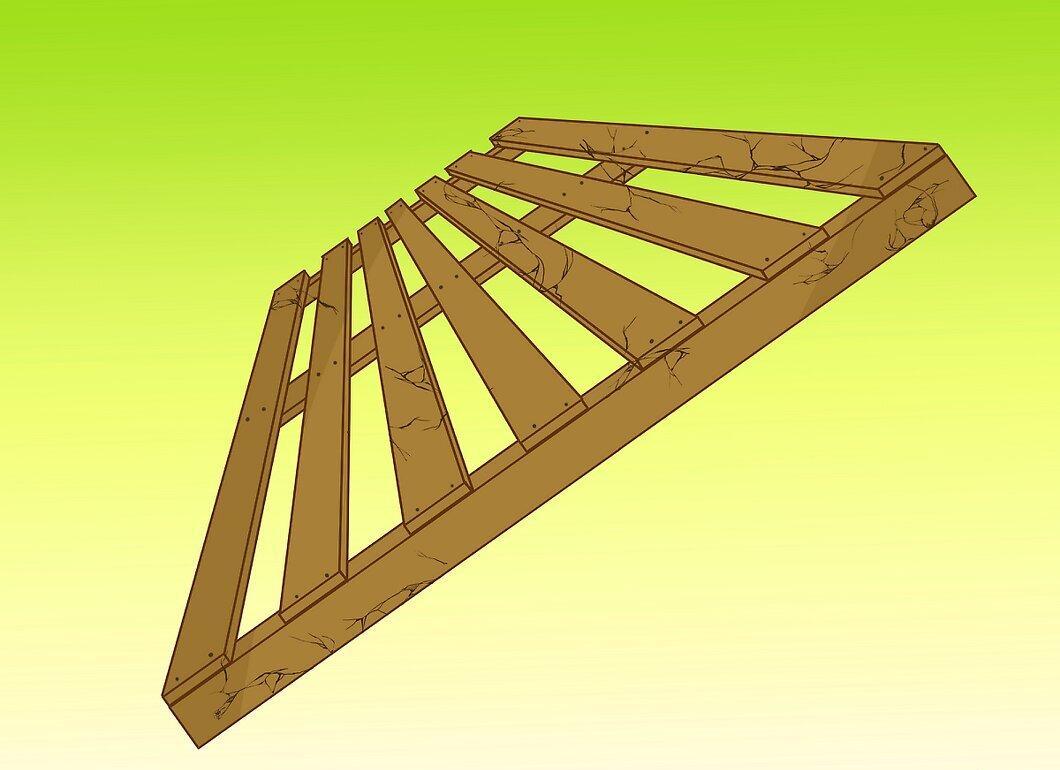
When using pallets, carefully examine them for damage and sharp edges. If you notice any issues, it’s better to use a different pallet.