Chlorine is a vital chemical product used for disinfecting and sanitizing water bodies. It effectively combats bacteria and algae, ensuring clean water. Chlorine comes in various forms: liquid, granular, or tablet. According to the U.S. Department of Health, the chlorine level in a pool should range from 1.0 to 3.0 parts per million.
Part 1
Step 1. Shock Your Pool.
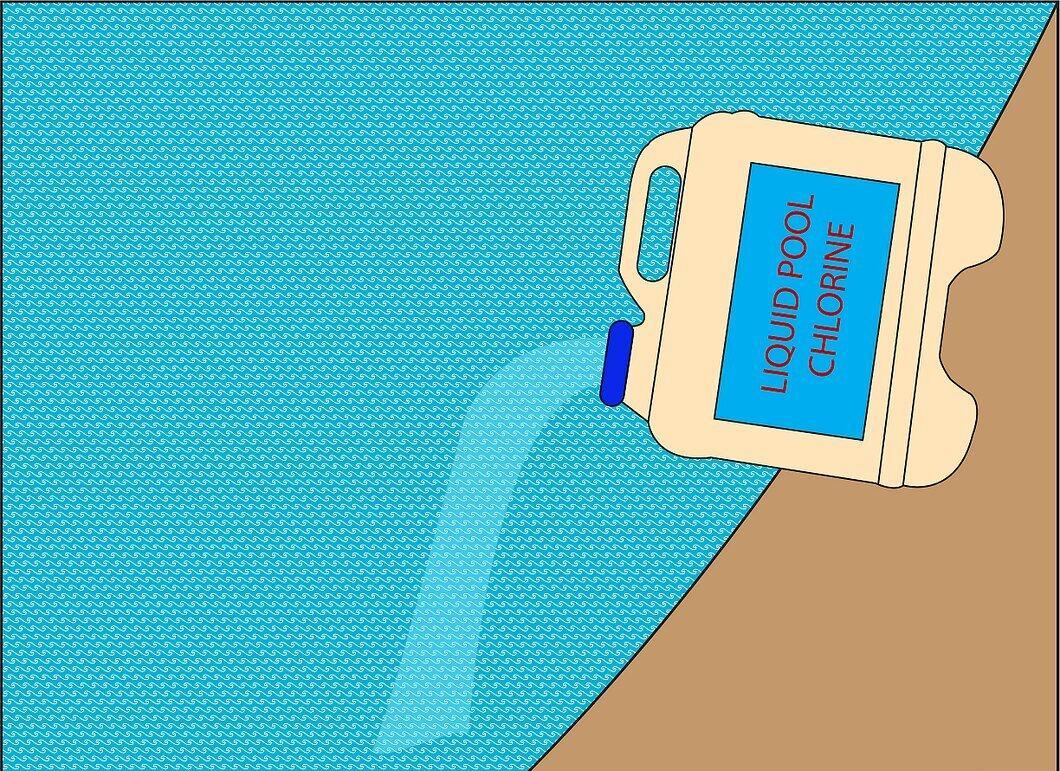
Start by shocking your pool. For this, you need to quickly add a significant amount of chlorine to the water. This will help eliminate organic contaminants that can be hazardous to swimmers and ensure proper water disinfection.
Step 2. Maintain Optimal Chlorine Levels with a Special Device.
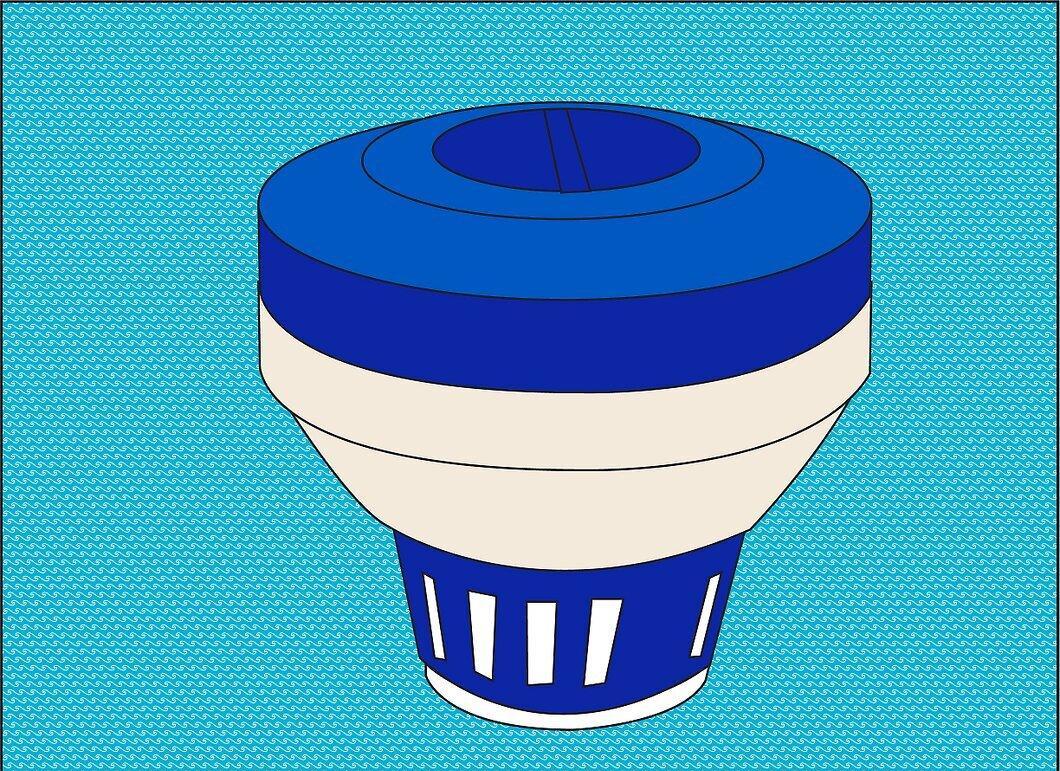
Keep the required chlorine level in your pool using a chlorinator. Many pool owners opt for automatic systems that slowly add chlorine and maintain it at a constant level, ensuring safe swimming conditions. Using automatic devices saves you time, as with proper setup, testing the chlorine level only needs to be done once a week. You can also use a floating device with chlorine tablets to keep the water clean.
Step 3. Monitor Water Chemistry for Safe Swimming.
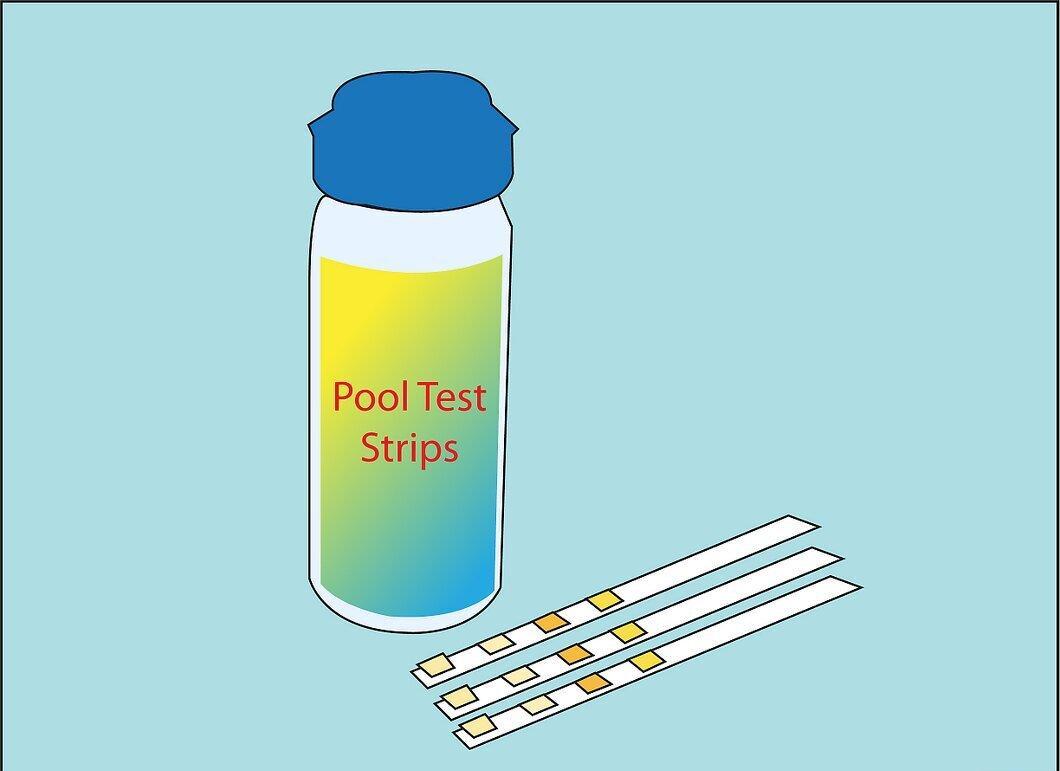
To keep your pool safe for swimming, it is essential to monitor the chemical levels in the water. Use test strips to determine the chlorine and pH levels. Dip the strip into the water and compare its color to the sample on the packaging. By knowing the chemical composition, you can adjust the water parameters accordingly.