If you're aiming to increase nitrogen content in your soil without resorting to commercial fertilizers, consider blood meal. This product is a byproduct of processing at slaughterhouses and is readily available at garden supply stores or nurseries. Before using, check if your plants need extra nitrogen, then mix blood meal into the soil or dilute it with water. It's best to apply this fertilizer at the beginning of the growing season for optimal growth.
How to Determine If You Need Blood Meal
Step 1: Conduct a Soil Test.
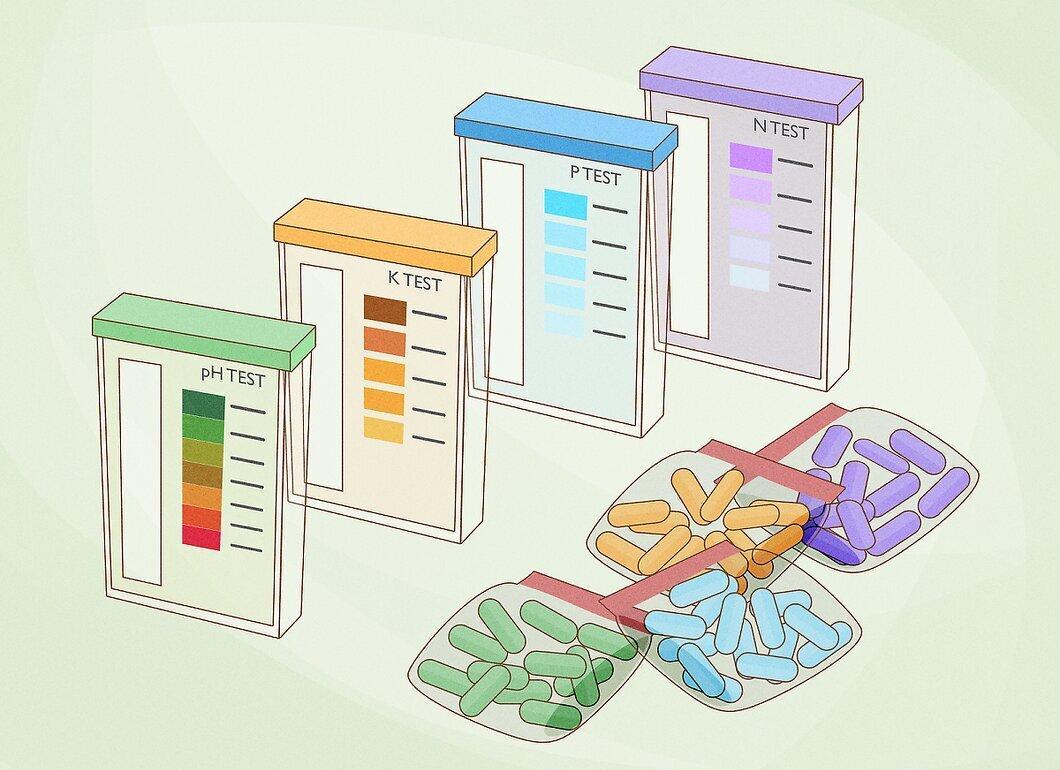
First, check the nitrogen level in your soil. Purchase a simple testing kit from your local nursery or garden center and take a soil sample from your garden or pot. Follow the instructions to get accurate results that will show the levels of nitrogen, phosphorus, and potassium.
- For example, the test might reveal excess, normal, deficiency, or complete absence of nitrogen.
Step 2: Observe the Condition of Your Plant Leaves.
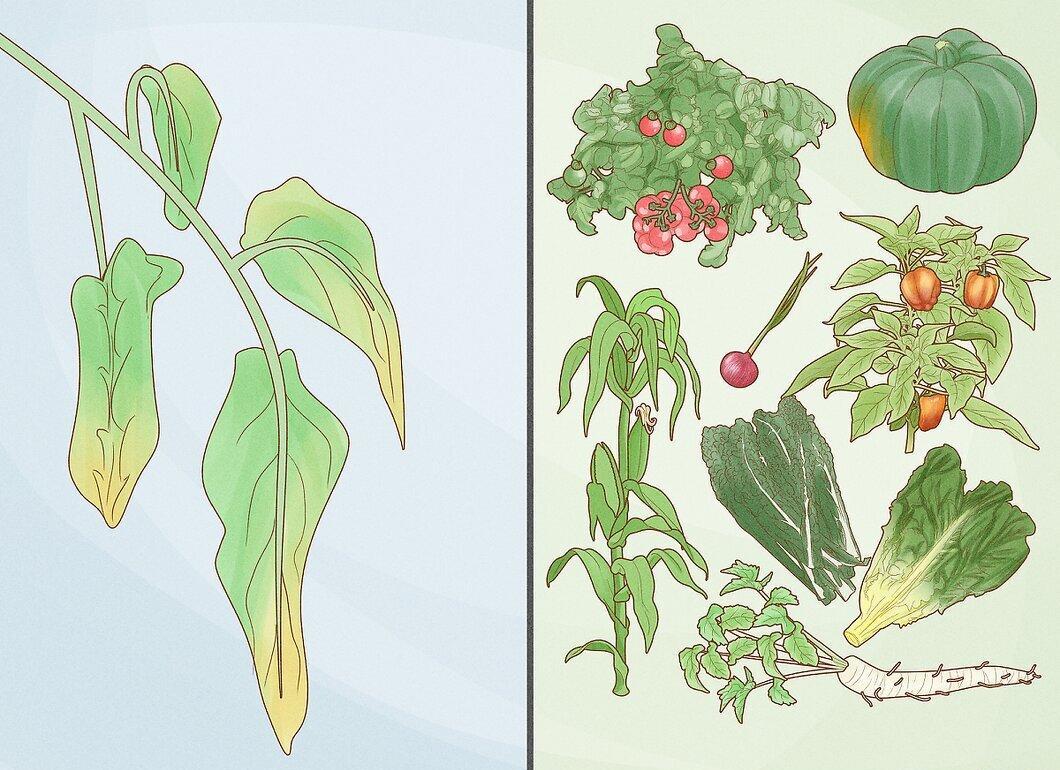
Look at the leaves of your vegetables: are they yellowing or wilting? If the leaves are pale or losing turgor, it may indicate a nitrogen deficiency, which is essential for chlorophyll synthesis. Plants that particularly need nitrogen and will respond well to blood meal include:
- Tomatoes;
- Peppers;
- Radishes;
- Zucchini;
- Cabbage and cruciferous vegetables (broccoli, cauliflower, spinach, etc.);
- Lettuce;
- Corn.
Step 3: Use Blood Meal as a Pest Deterrent.
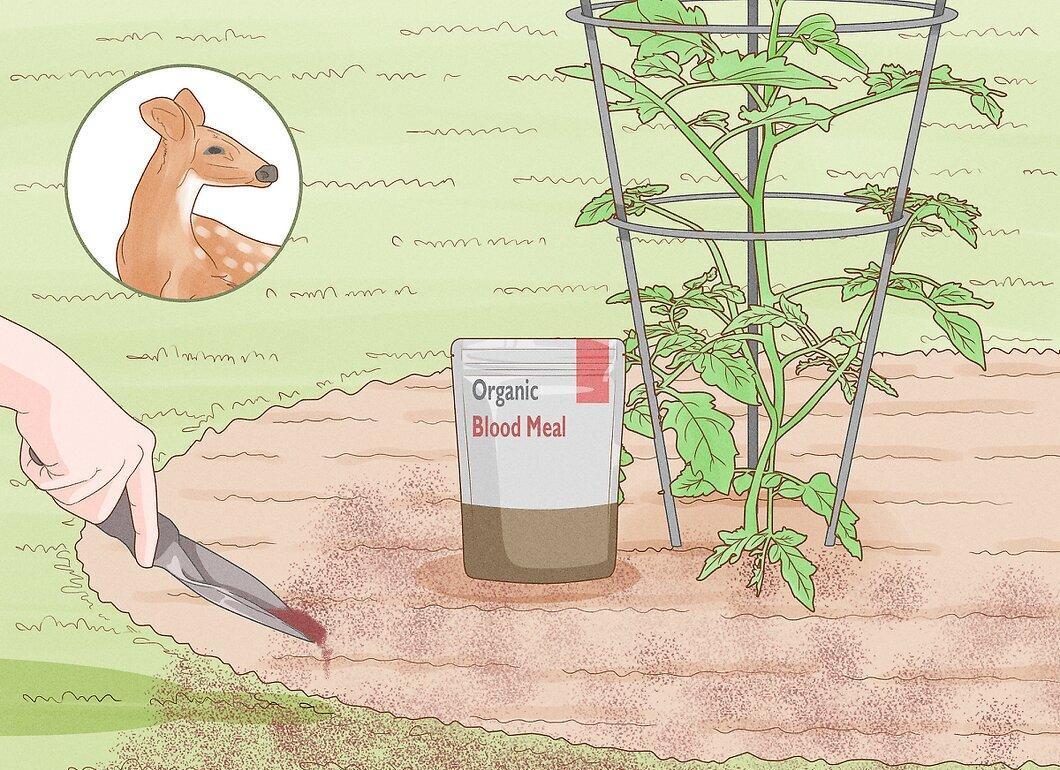
Utilize blood meal to repel pests. If rabbits, deer, or other small animals are becoming a nuisance for your plants, sprinkle some blood meal around your garden. However, be cautious: too much blood meal can burn plants.
- Remember that heavy rains can wash away blood meal, so reapply it regularly.
- While it effectively deters herbivores, carnivorous animals like dogs and raccoons may appear.
Step 4: Choose Quality Blood Meal.
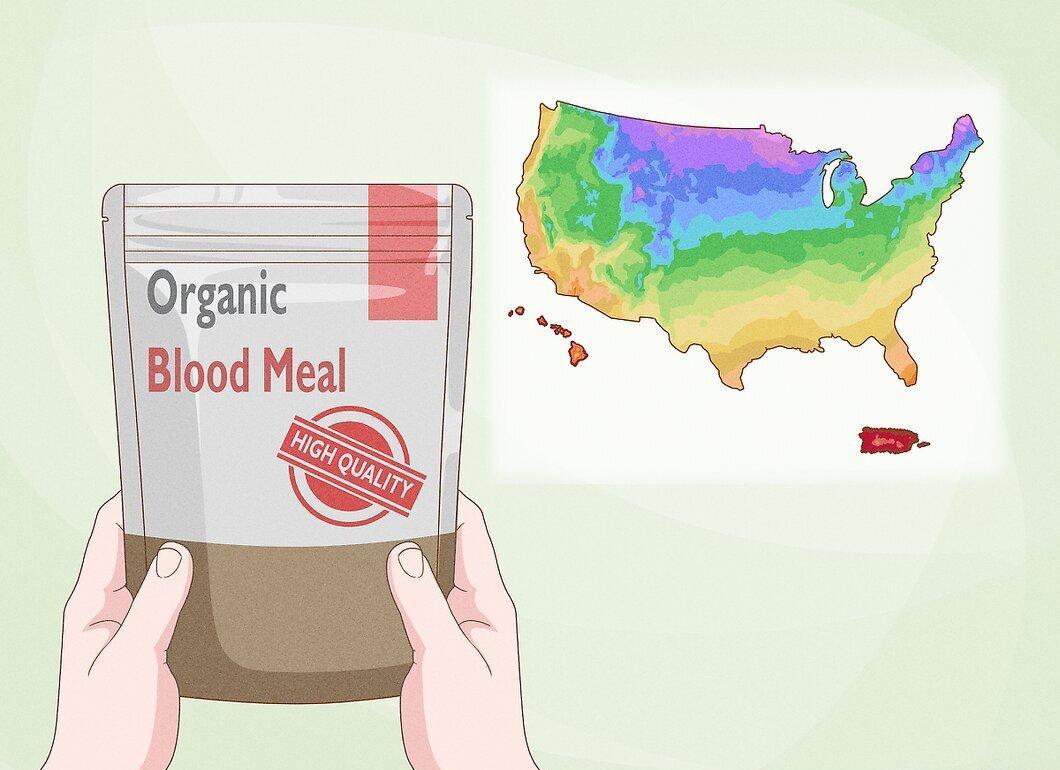
Purchase only certified blood meal from local stores or greenhouses. If you decide to order it online, avoid countries with lax meat production standards, as this can pose disease transmission risks.
- For example, due to the threat of BSE, blood meal cannot be imported from Europe to the USA.
- If you can't find quality blood meal, consider purchasing alfalfa meal or feather meal instead.
How to Properly Add Blood Meal
Step 1: Start Applying Blood Meal Early in Spring.
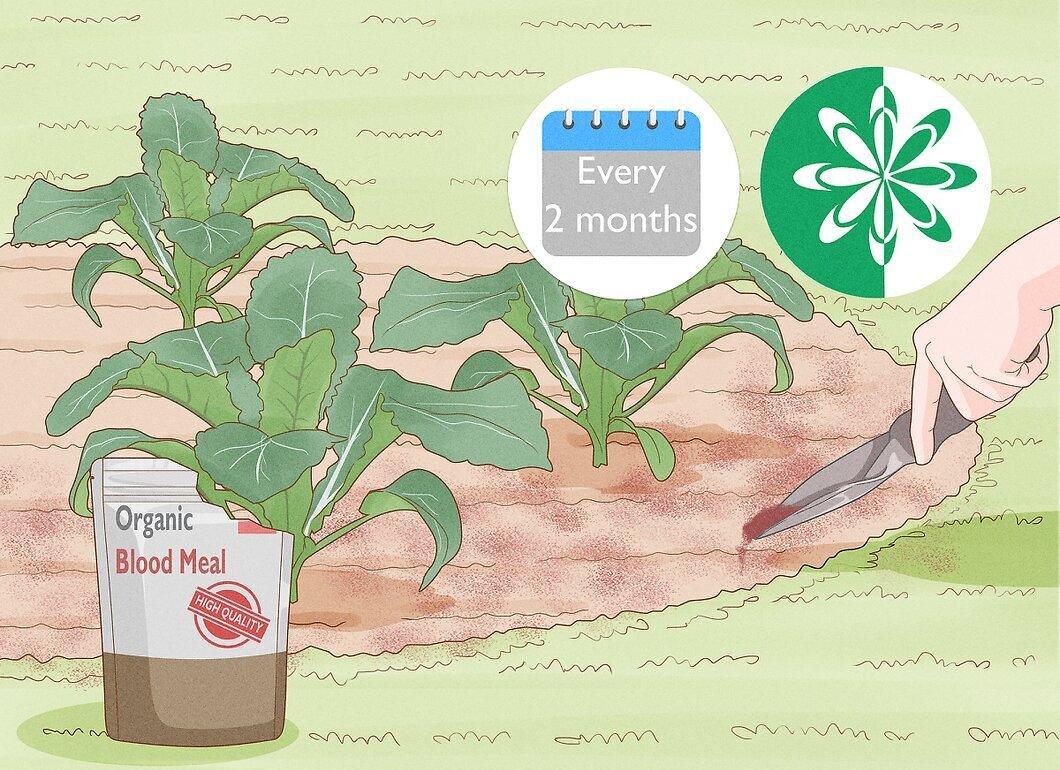
Begin using blood meal as spring arrives. Leafy vegetables, flowers, and other plants require a lot of nitrogen for growth. Add blood meal in spring as plants start actively absorbing nitrogen, which gradually leaches out of the soil. Repeat the application every two months throughout the growing season.
- Avoid using blood meal year-round to prevent harming plants. During the rest of the year, it's better to switch to standard fertilizers.
Step 2: Determine the Necessary Amount of Blood Meal.
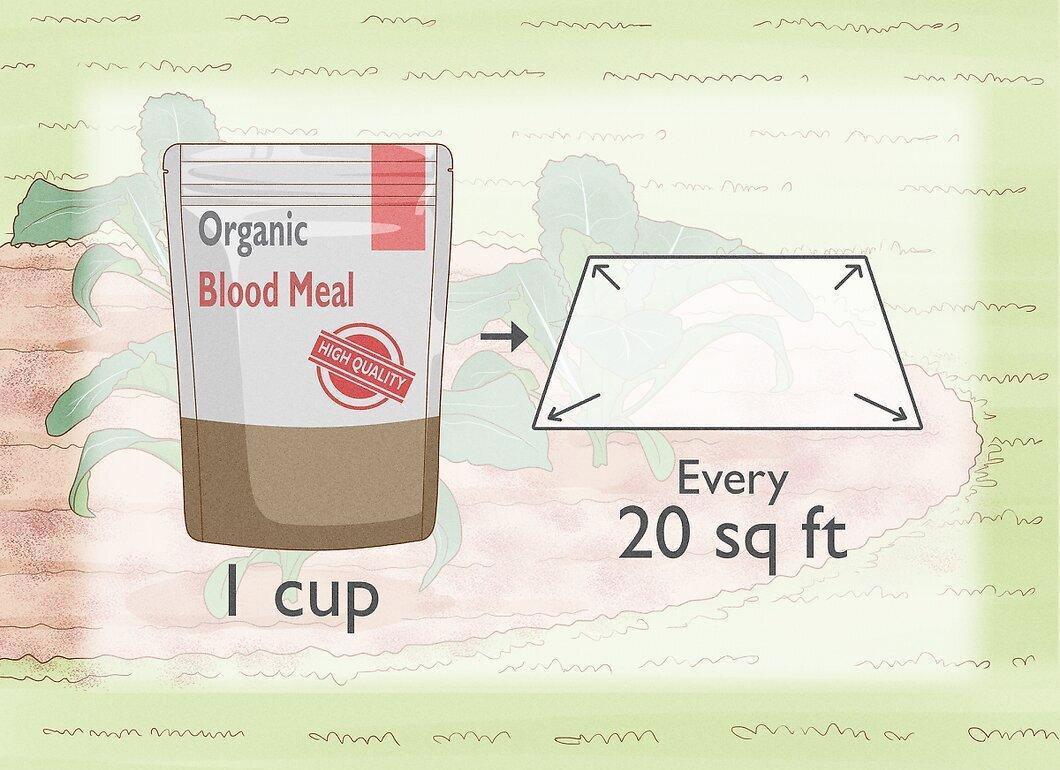
Find out how much blood meal you need. Measure the area you plan to fertilize. Since blood meal is a concentrated product, you'll only need 1 cup for every 1.8 square meters.
- For example, a small container might require just a few tablespoons, while a 9 square meter area would need about 5 cups.
Step 3: Mix Blood Meal with Soil or Water.
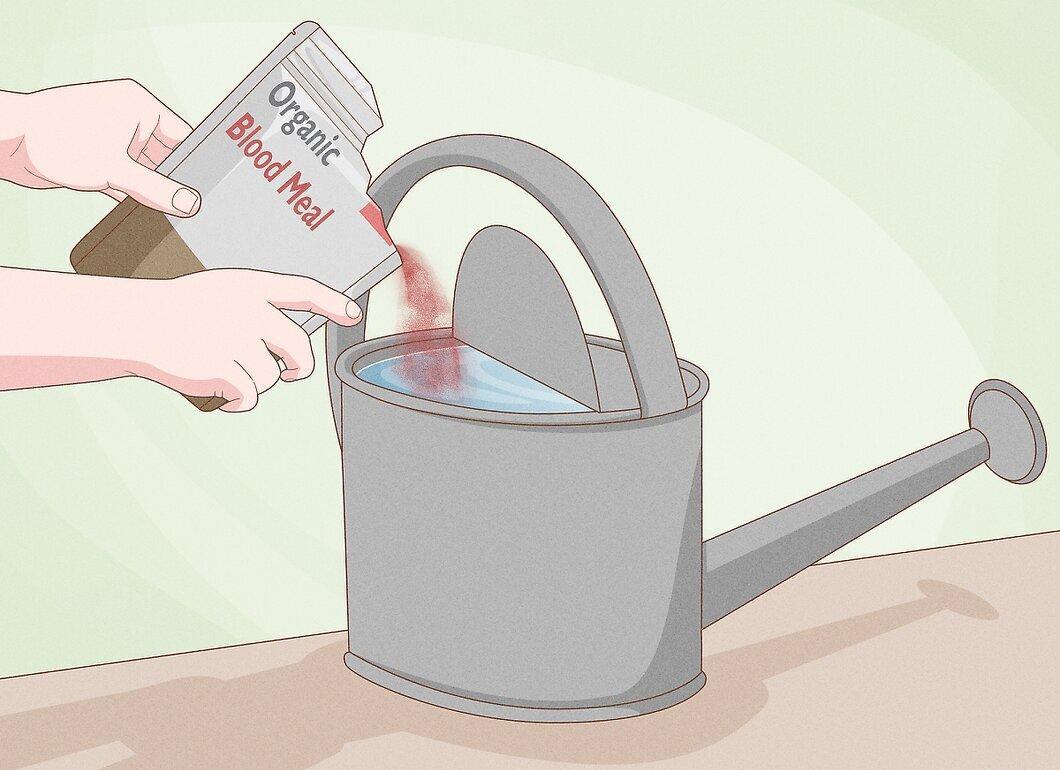
Be sure to mix blood meal with soil or water before use. Check the instructions to see if it should be mixed with the top layers of soil or dissolved in water before watering your plants.
- While blood meal can be scattered on the ground to deter animals, it’s essential to mix it with soil or dissolve it in water to adjust nitrogen levels.
Step 4: Avoid Using Blood Meal on Seedlings and Legumes.
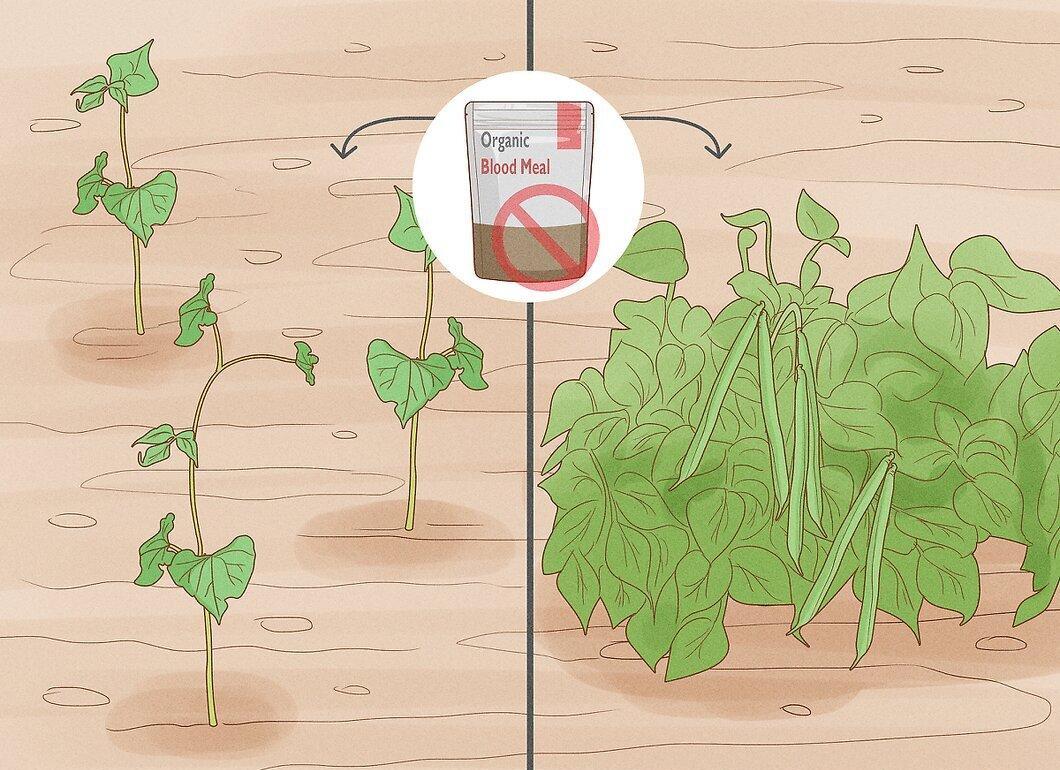
Steer clear of applying blood meal to seedlings, beans, and other legumes. While this fertilizer is suitable for many plants, legumes have bacteria that return nitrogen to the soil, so they don’t need additional fertilization.
- It’s also not recommended to use blood meal on seedlings.
Step 5: Reduce Nitrogen Levels if You Overapply Blood Meal.
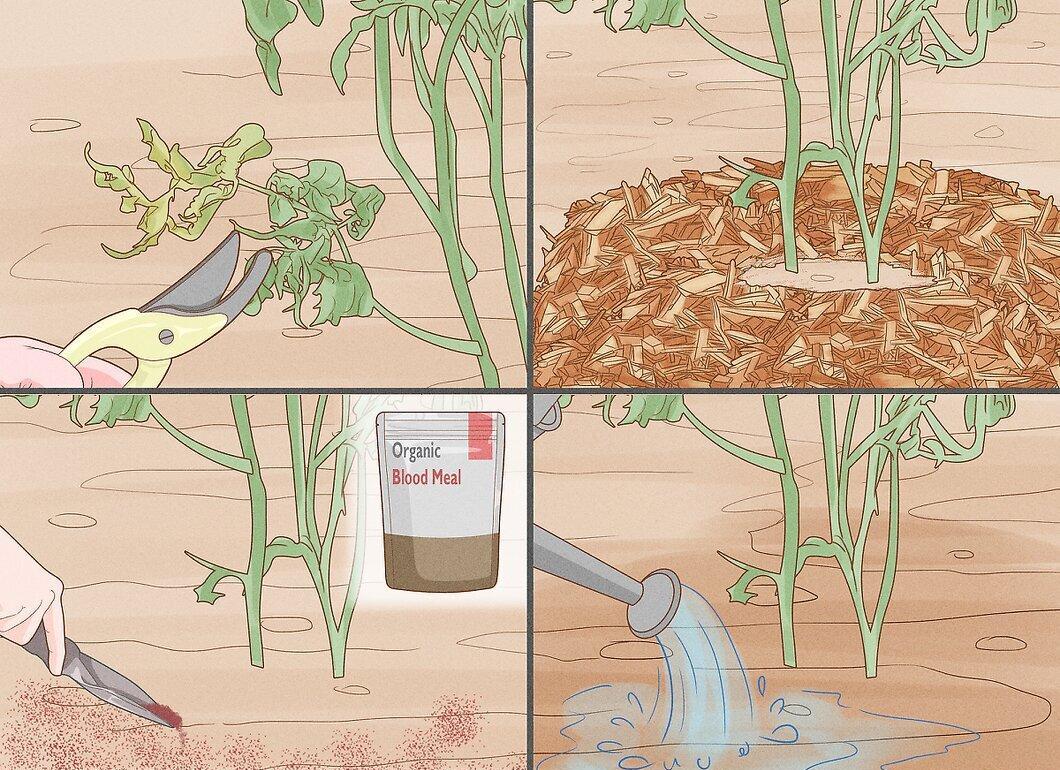
If you accidentally added too much blood meal, your plants may grow large leaves but fail to flower. To lower nitrogen levels and help your plants recover, do the following:
- Remove all damaged leaves;
- Spread wood mulch around the plant;
- Add bone meal or phosphorus-based fertilizer;
- Water the plants to wash away excess nitrogen from the soil and plants.