Unveiling Machiavellianism: The Key to Understanding
Machiavellianism is a political theory and a set of negative personality traits grounded in the teachings of Niccolò Machiavelli.
Part 1
Step 1. What is Machiavellianism?
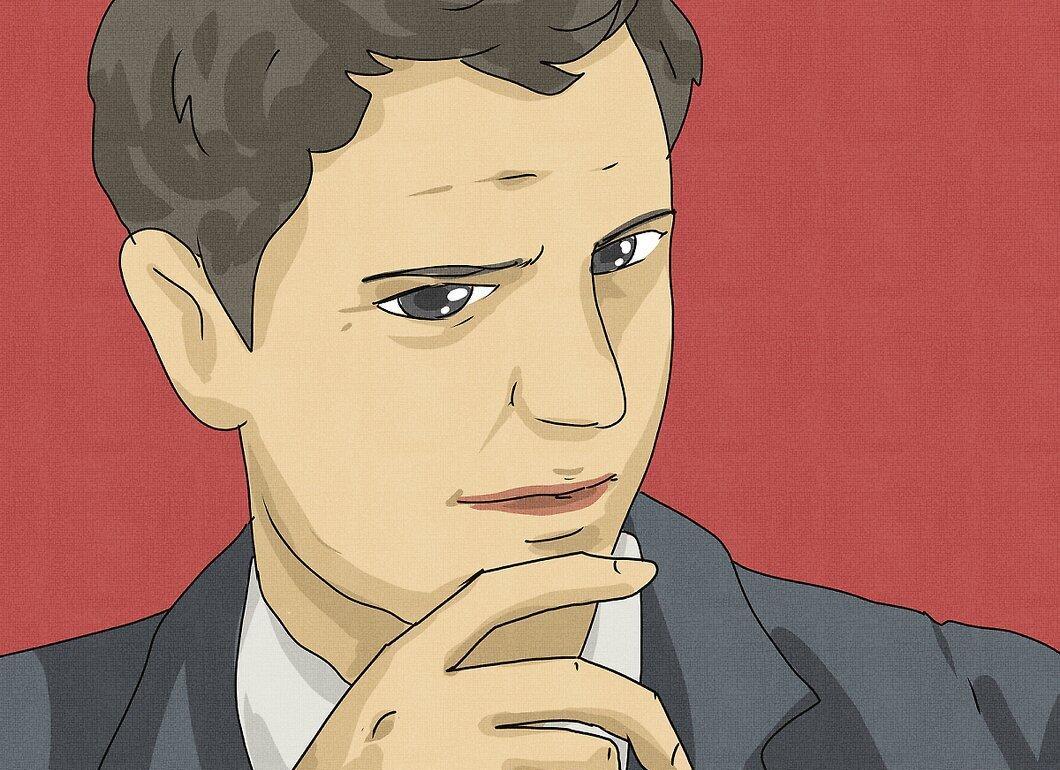
The definition of Machiavellianism is "the use of deceit and cunning in politics or general behavior." It's important to remember that a follower of Machiavelli's philosophy should adhere to these principles and consider them their life creed.
Step 2. Start with "The Prince" – the foundational work of Machiavelli, from which the concept of Machiavellianism originates.

Step 3. Explore Machiavelli's biography and his era.

Try to learn more about Niccolò Machiavelli and the historical context of his life. This will help you understand how and why the idea of Machiavellianism emerged. Hint: Machiavelli lived during the rule of the Medici in Florence and was exiled by this dynasty.
Step 4. Some perceive Machiavelli as a bad advisor, suggesting that rulers apply torture and cruel methods to maintain power.

Some believe that Machiavelli was not the best advisor, urging rulers to use torture and cruelty to retain power. Reread "The Prince" twice: first as an advisor, and second as a monarch.
Step 5. Others interpret "The Prince" as a subtle satire, considering that the work was written in both Italian and Latin.

Some think that "The Prince" represents a complex satire. Read this book again, viewing it as a satirical work, and contemplate whether it is more of advice or mockery.
Step 6. Machiavellianism was viewed as a foreign virus infiltrating English politics, having originated in Italy and already spread to France.
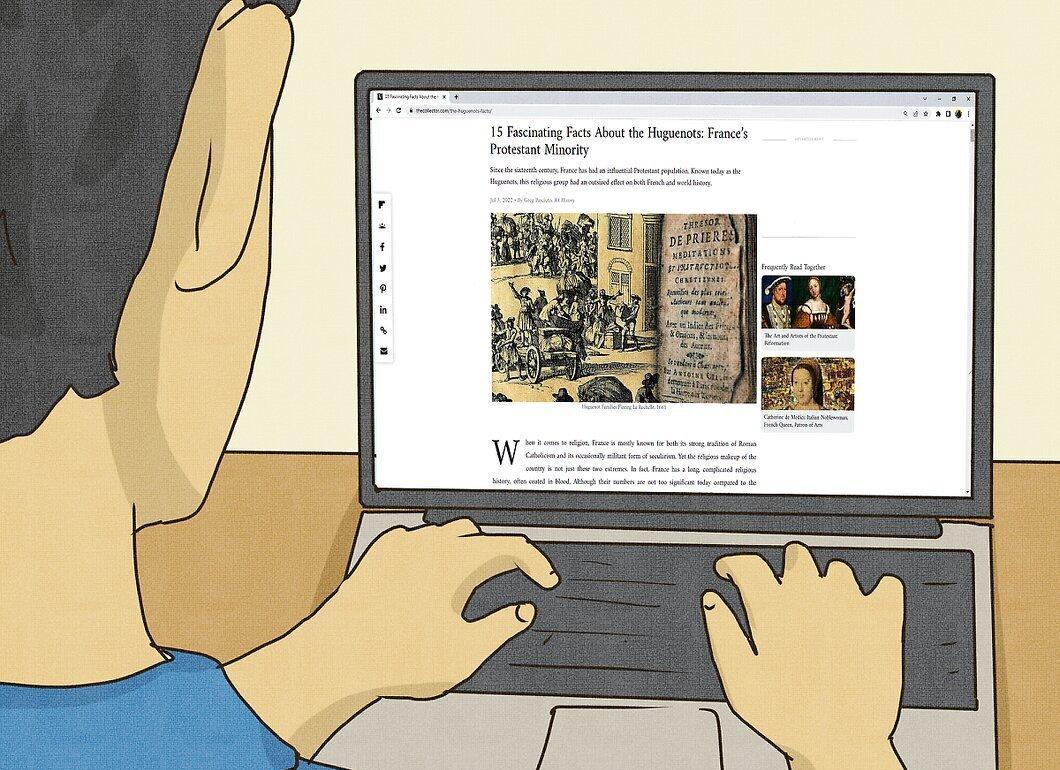
Machiavellianism was considered a foreign virus affecting English politics, arising in Italy and spreading to France. In this light, the massacre during the St. Bartholomew's Day in Paris in 1572 was seen as a consequence of Machiavellianism, and this view was prevalent among the Huguenots. Familiarize yourself with the history of the Huguenots and France to understand how the French monarchy used Machiavellian tactics against them.
Step 7. In psychology, the term "Machiavellianism" describes an individual's tendency to manipulate and deceive others for personal gain.
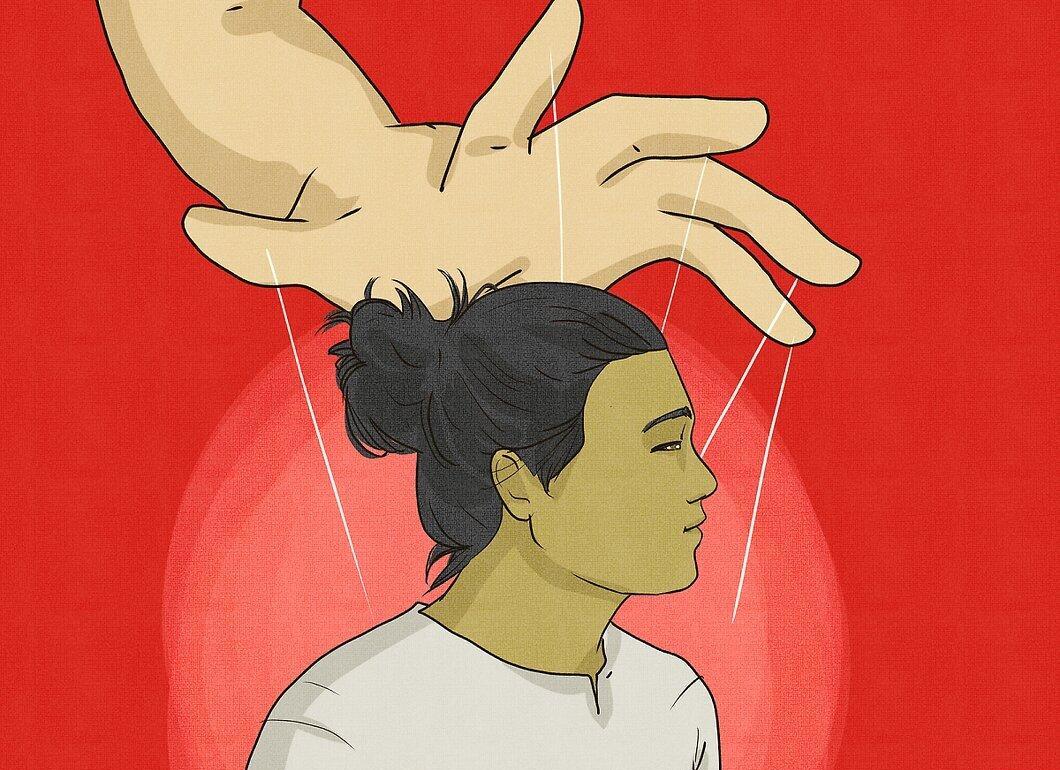
In psychology, Machiavellianism refers to a person's inclination to manipulate and deceive for personal benefit. Keep in mind that this meaning is also relevant, although it is closely related to the original interpretation.
Step 8. In the 1960s, Richard Christie and Florence Geis developed the "Machiavellianism scale."

In the 1960s, Richard Christie and Florence Geis created the "Machiavellianism scale," which measures the level of this trait in individuals. It consists of twenty questions aimed at assessment. Learn more here: Machiavellianism test
Step 9. Individuals scoring above 60 out of 100 have a high level of this trait and endorse ideas like: truth should only be told when it is beneficial.

Those who scored above 60 may boast a high level of Machiavellianism and agree with statements, for instance, that truth should be told only in their interests.
Step 10. Machiavellianism is considered one of three aspects that make up the so-called dark triad, alongside narcissism and psychopathy.

Machiavellianism is among the three personality traits known as the dark triad, along with narcissism and psychopathy. Some researchers believe it is a variant of psychopathy. Study the psychology of Machiavellianism to better understand how a follower of this theory thinks.
Step 11. Familiarize yourself with contemporary research on Machiavellianism and what it reveals.

Explore current research on Machiavellianism and pay attention to figures such as Myanmar's General Than Shwe, Chinese Premier Wen Jiabao, and British politician Lord Mandelson. All wielded power independent of the populace. Than Shwe is a general maintaining power through force, Wen Jiabao is a leader of a one-party state, and Mandelson held influence in the House of Lords, occupying an unelected position.
Step 12. Study the stories of notable Machiavellians such as Pol Pot – the Cambodian dictator, Stalin – the Russian leader, and Mao – the communist leader of China.