Properly winterizing your pool will help you avoid unnecessary expenses and save time on maintenance. We provide step-by-step instructions for preparing your pool for the winter season. Start your preparation early, before the frost sets in.
Water Chemical Analysis
Step 1. Ensure that the water is clean, clear, and its chemical parameters are within normal limits before closing the pool.
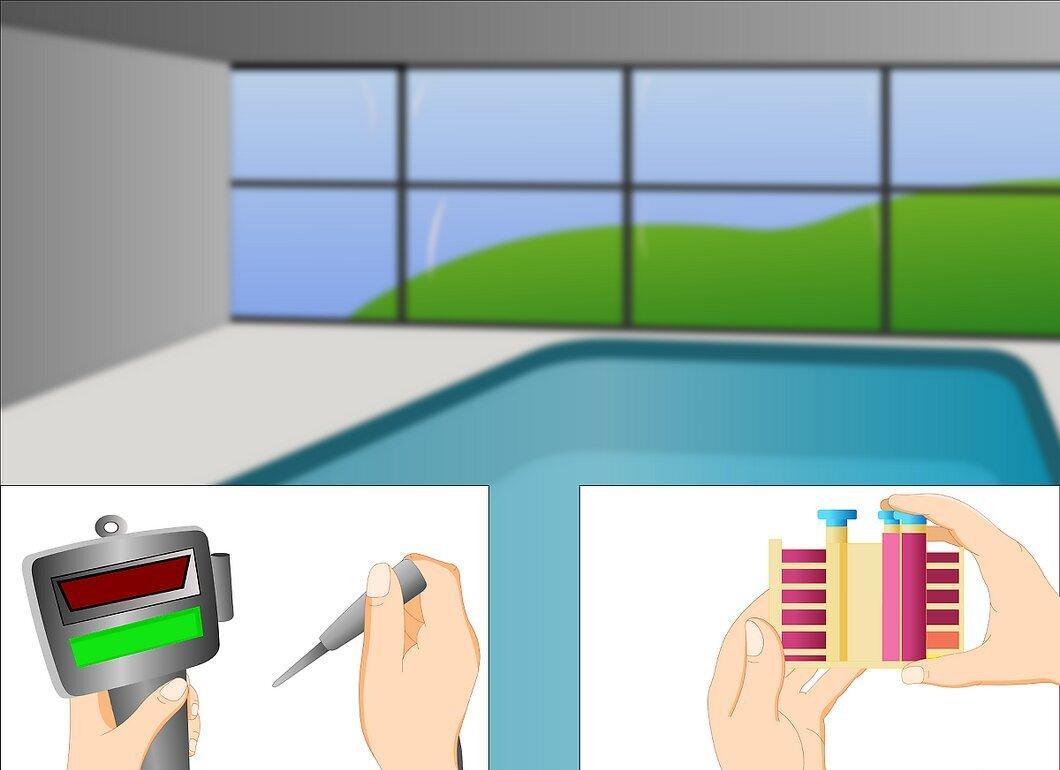
Before closing the pool, it is important that the water is clean and clear, with properly balanced chemical parameters. This is especially crucial as the correct water composition protects the internal surfaces from corrosion and salt deposits during winter. Ideal water parameters are as follows:
- pH: 7.2-7.6
- Alkalinity: 80-120 mg/l (ppm)
- Calcium Hardness: 180-220 mg/l (ppm)
Step 2. Treat the pool with chlorine.
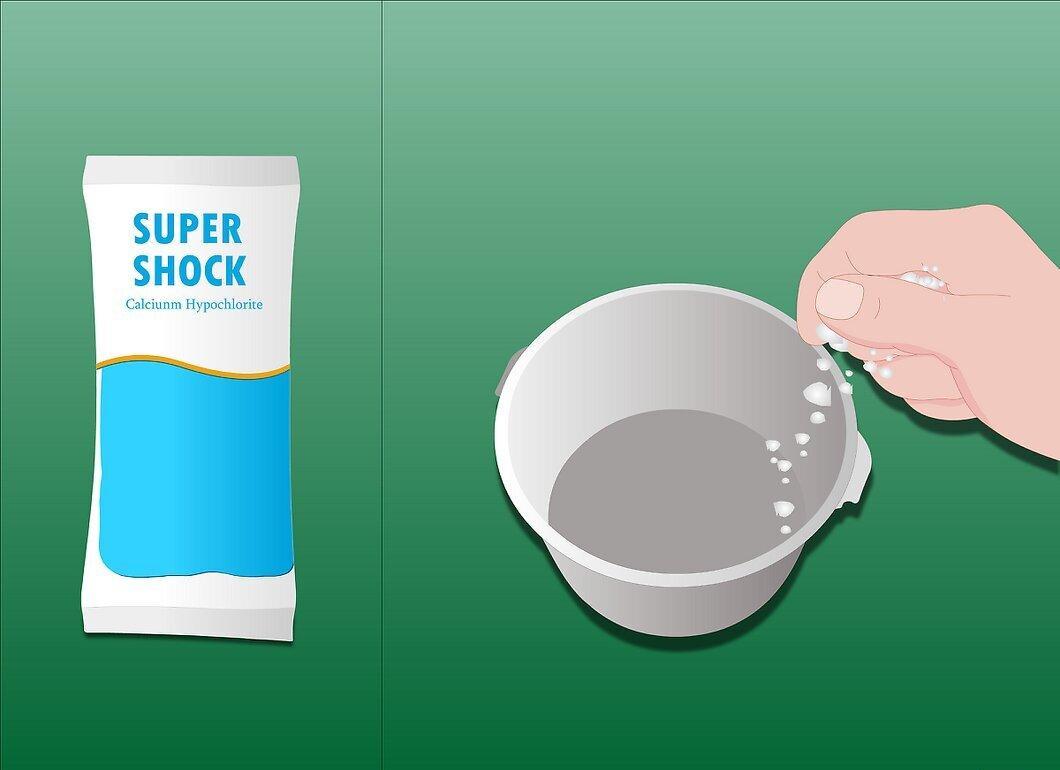
Make sure to disinfect the pool before winterization. Use sodium hypochlorite, which can be added to the water as the pool fills up or in the recirculation system before the filters. Follow the instructions on the disinfectant packaging.
- Disinfecting the water while using the pool is not enough, as milder agents are typically used. For successful long-term winterization, stronger agents will be necessary.
- After chlorine treatment, let the water sit for a few days to allow the chlorine level to drop to 1-3 mg/l (ppm).
Step 3. Add an algaecide.
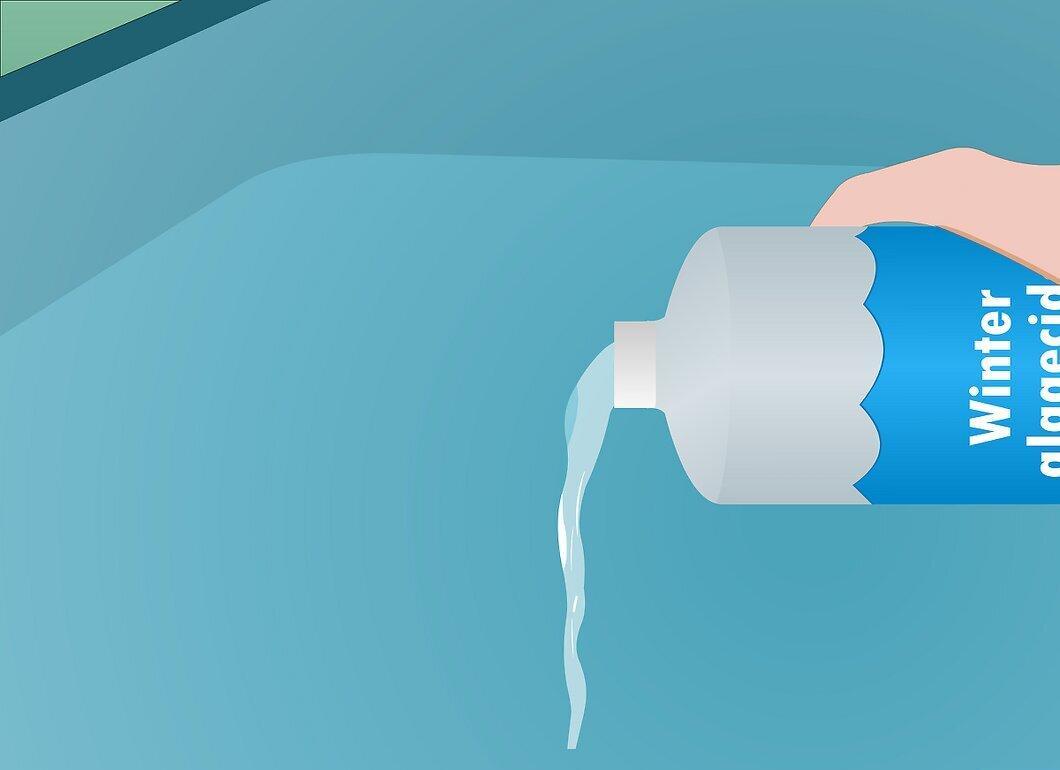
Before using an algaecide, make sure the chlorine level is low, as it can neutralize the algaecide's effectiveness.
- Algaecide helps prevent algae growth, which can cloud the water and cause unpleasant odors.
- The higher the concentration of the algaecide, the longer its bactericidal effect will last.
Pool Cleaning
Step 1. Remove all removable pool components, such as ladders, baskets, hoses, filters, and pumps.
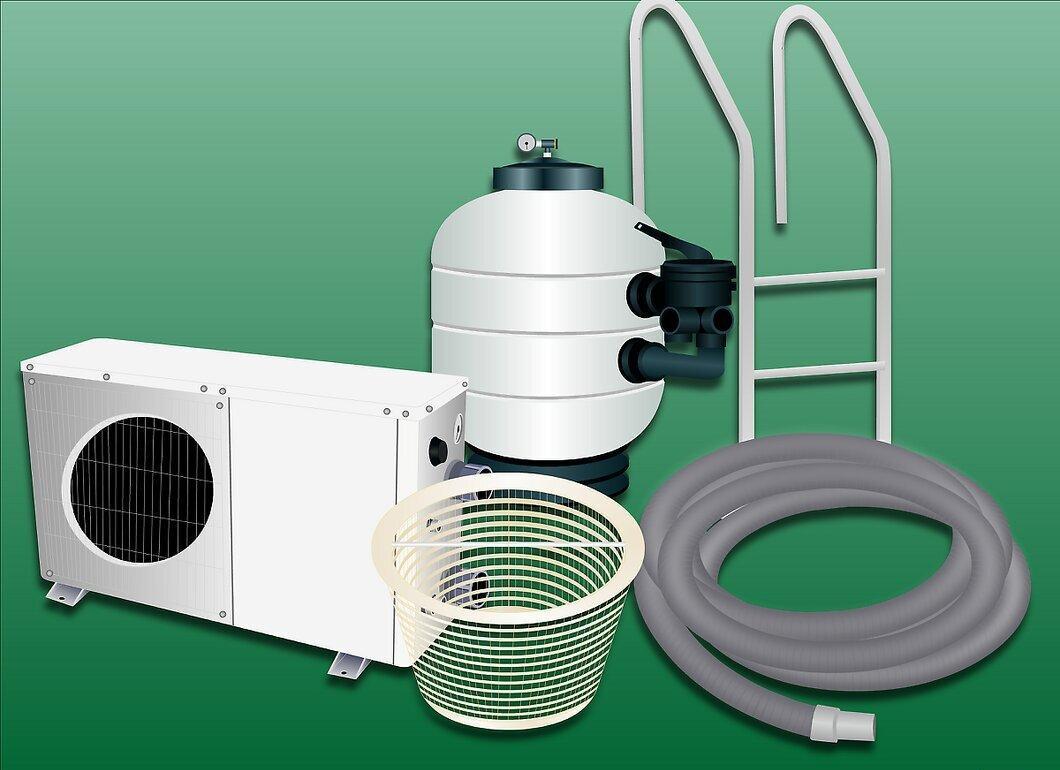
- Rinse all removed components and leave them to dry completely.
- It is best to store all disassembled parts in a garage or another dry place until spring.
Step 2. Clean the pool's surface.
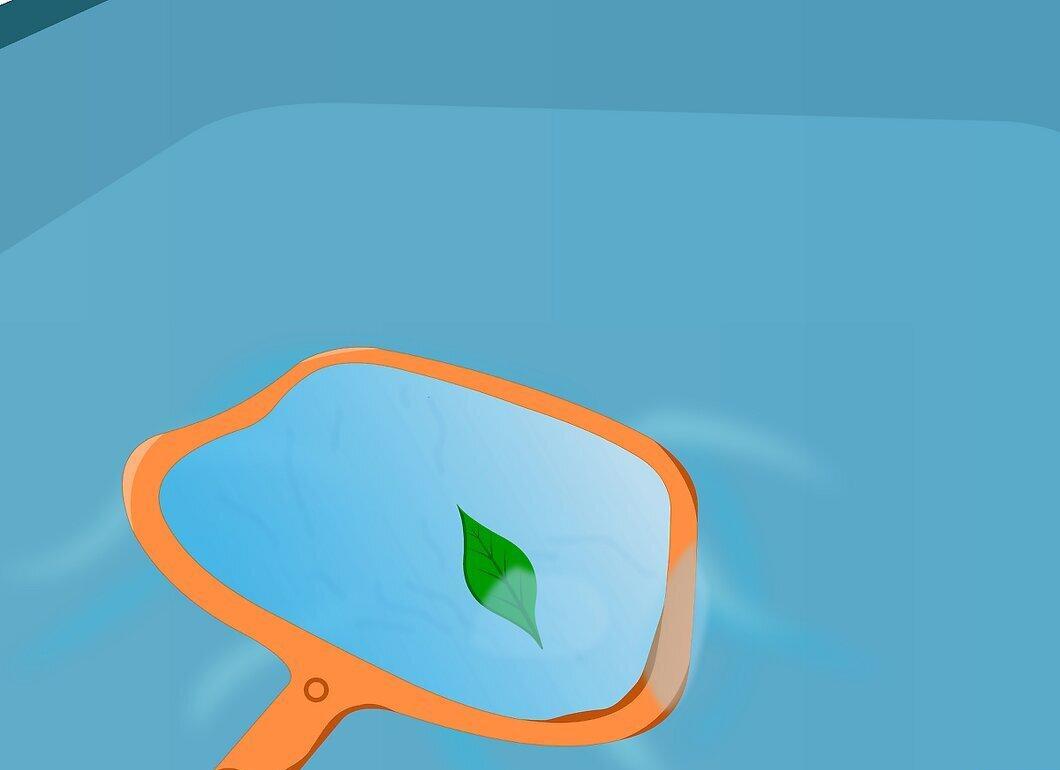
Use a skimmer to remove fallen leaves and other debris.
Step 3. After the debris has been removed from the surface, proceed to clean the bottom and walls of the pool.
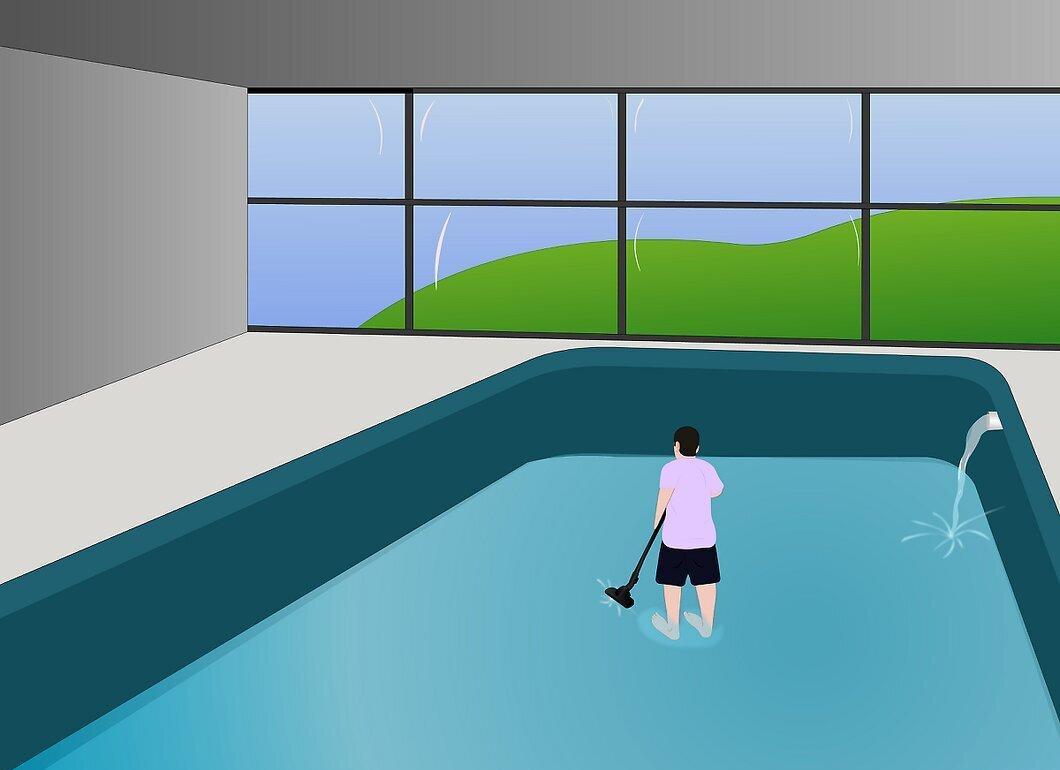
- It is advisable to perform the cleaning on the day of winterization; otherwise, you may have to collect debris again.
Lowering the Water Level in the Pool
Step 1. The level of remaining water depends on the type of pool cover you have:
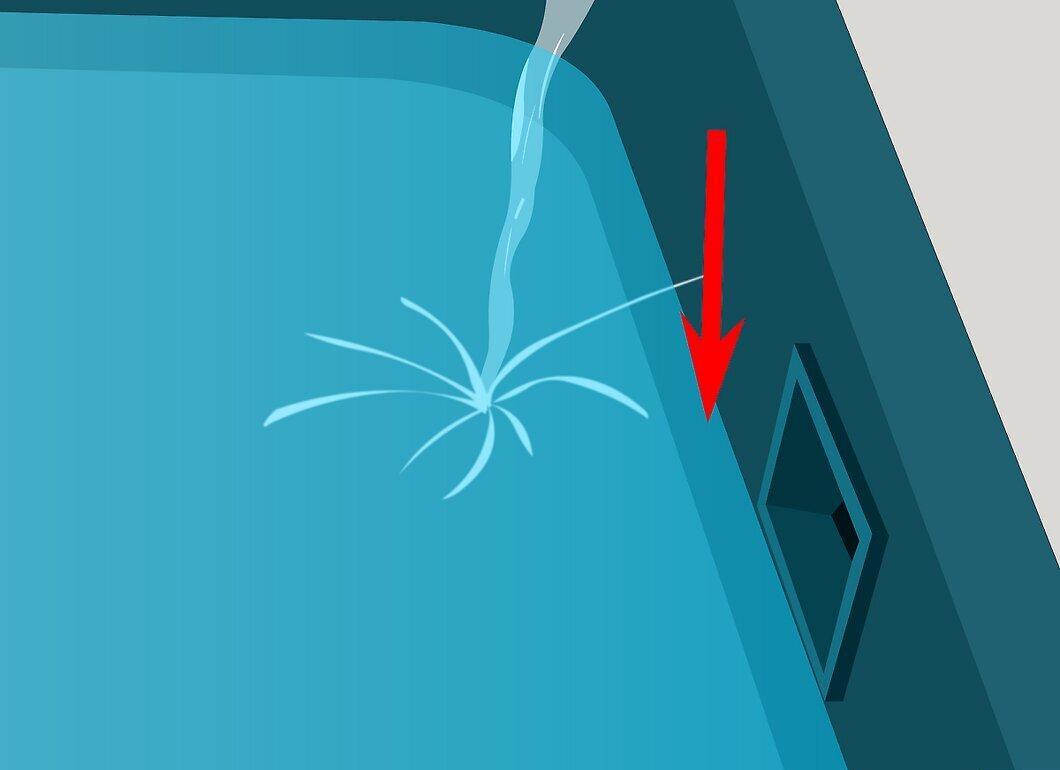
- 30-35 cm below the skimmer if you are using a cover,
- 8-15 cm below the skimmer if you have a hard cover.
Step 2. Drain the equipment.
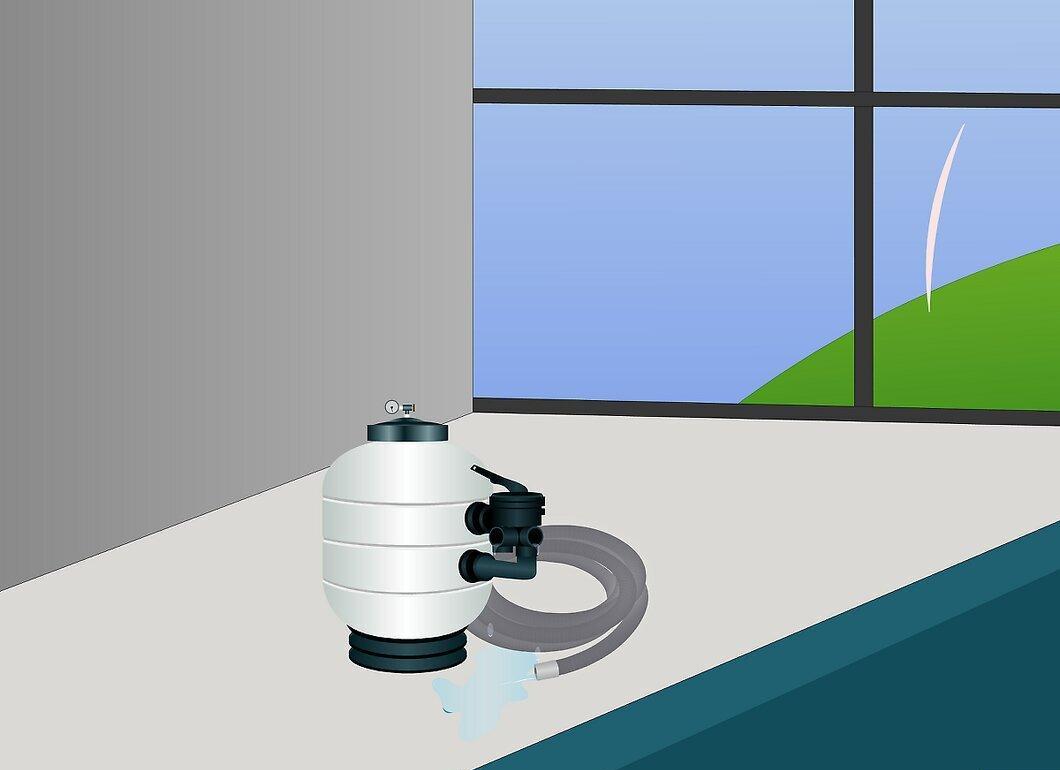
Drain water from the pump, filters, heater, and dispensers.
- Remove the filters, rinse them thoroughly, dry them, and store them.
- If the filters are stationary, blow them out with a vacuum.
- It is important that no water remains in the system, as it can freeze or create an environment for microorganisms to thrive.
Step 3. Blow out the pool pipes using a compressor or blower.
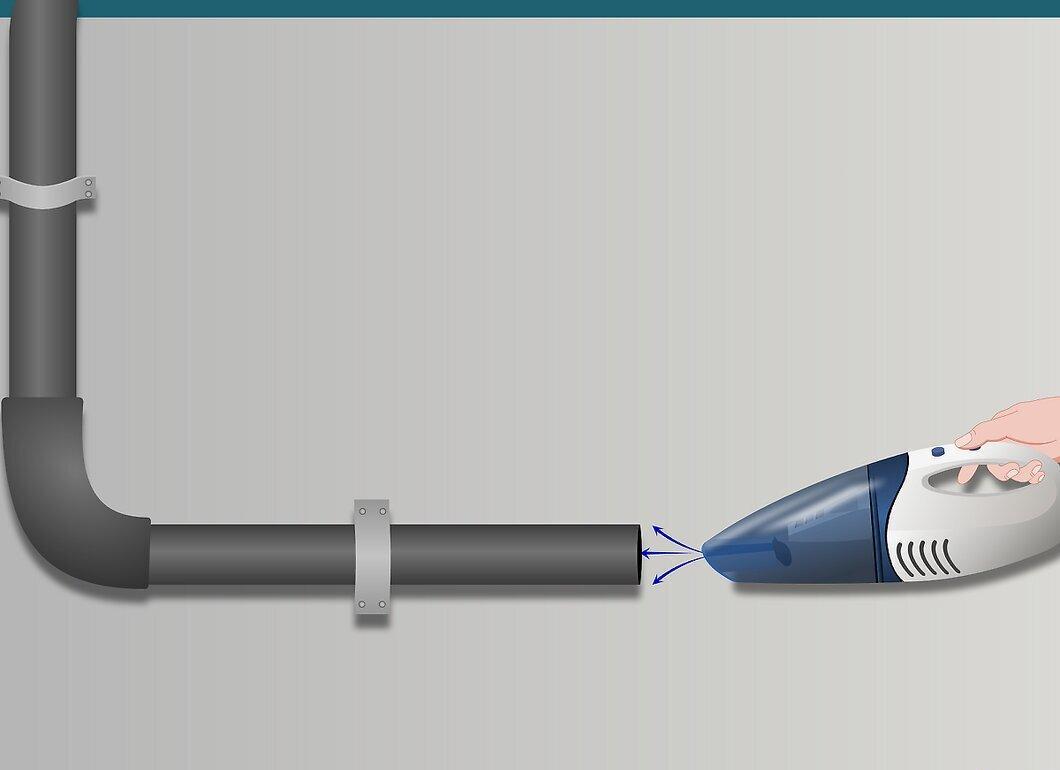
- Direct the airflow into the skimmer so that any remaining water in the pipes drains into the pool. Use pipe plugs to prevent water from re-entering.
- Alternatively, you can use pool antifreeze to dry the pipes, following the manufacturer's instructions.
Final Stage of Winterization
Step 1. Cover the pool.
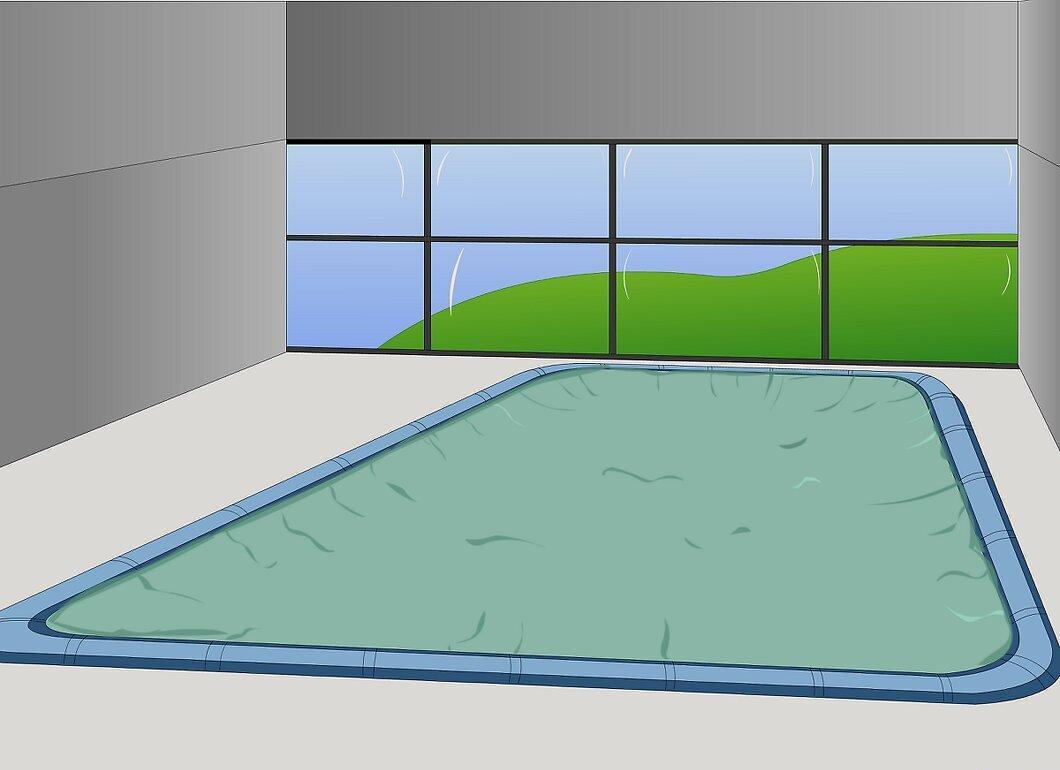
The cover should fit the pool's dimensions precisely, leaving no uncovered areas.
- A cover provides better protection, but a hard cover may be preferable for families with children or pets.
- If there are trees near the pool, you can use a net to protect against leaves.
Step 2. Air pillows can help prevent ice formation in above-ground pools and are not necessary for in-ground pools.
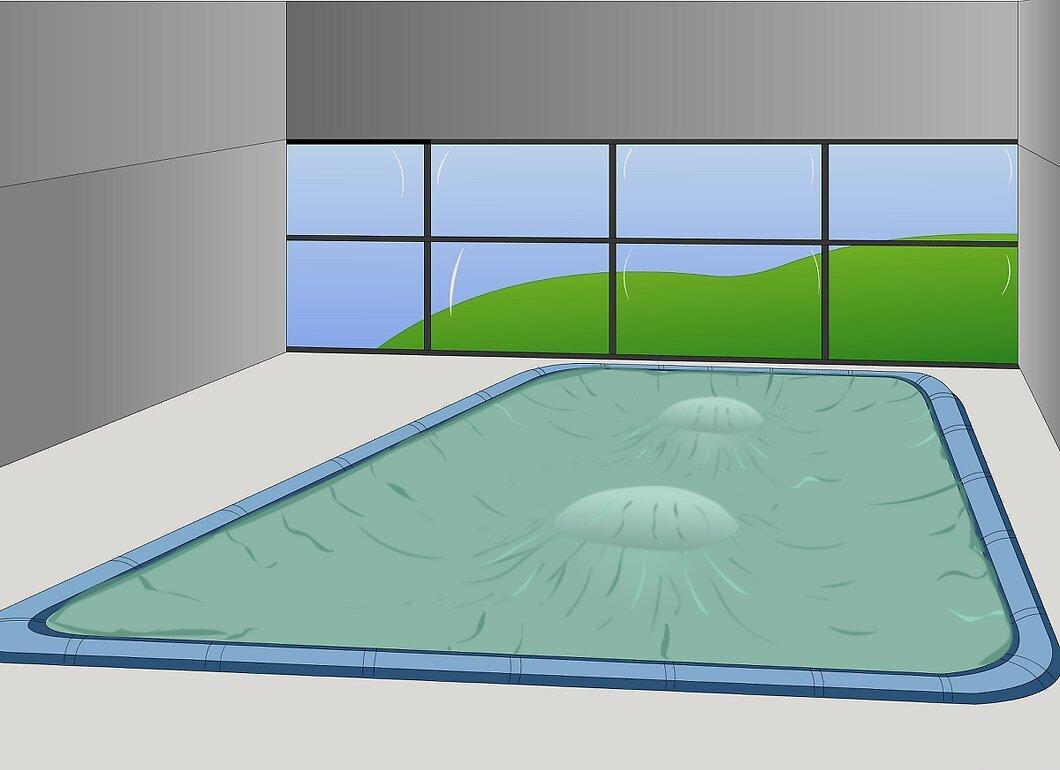
- Inflate the pillows and place them in the center of the pool.
- The larger the pool, the more air pillows you will need.