Moving into Your First Rental Apartment
Moving into your first rental apartment is not just a joyful occasion; it can also be a bit intimidating. However, with patience, thorough preparation, and the support of friends and family, this step can be both successful and fulfilling. Take your time when choosing an apartment: allocate enough time for your search to find a place that meets your needs and stays within your budget. Sign all necessary documents, set up utilities, and prepare your new home for your arrival. Finally, pack and move your belongings, and purchase anything you may need.
How to Find an Apartment
Step 1. Assess Your Budget to Determine Your Price Range.
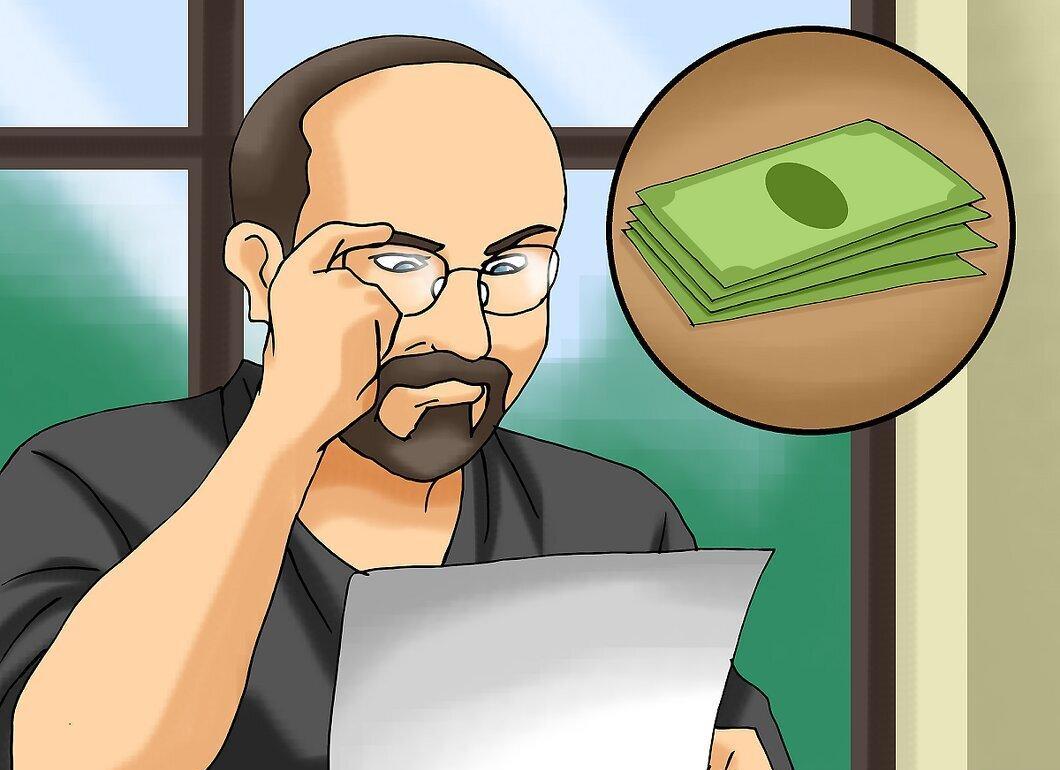
The first step before moving is to evaluate your financial situation. If you have just started working, analyze your future income and compare it with your upcoming expenses. Determine how much you can afford to spend on rent while still having enough money left for living expenses.
- Remember that moving may require a small financial cushion. You'll likely need to pay a security deposit and cover other costs like moving services.
- In some cases, landlords require that your income be three times the rent. If this is not the case, you may need a guarantor.
- Besides rent, consider additional costs for transportation (fuel, car maintenance), groceries, utilities (electricity, gas, water, internet, television), and mobile payments. There may also be other obligations like student loan payments or credit card debts.
Step 2. Make a List of Desired Features for Your New Apartment.
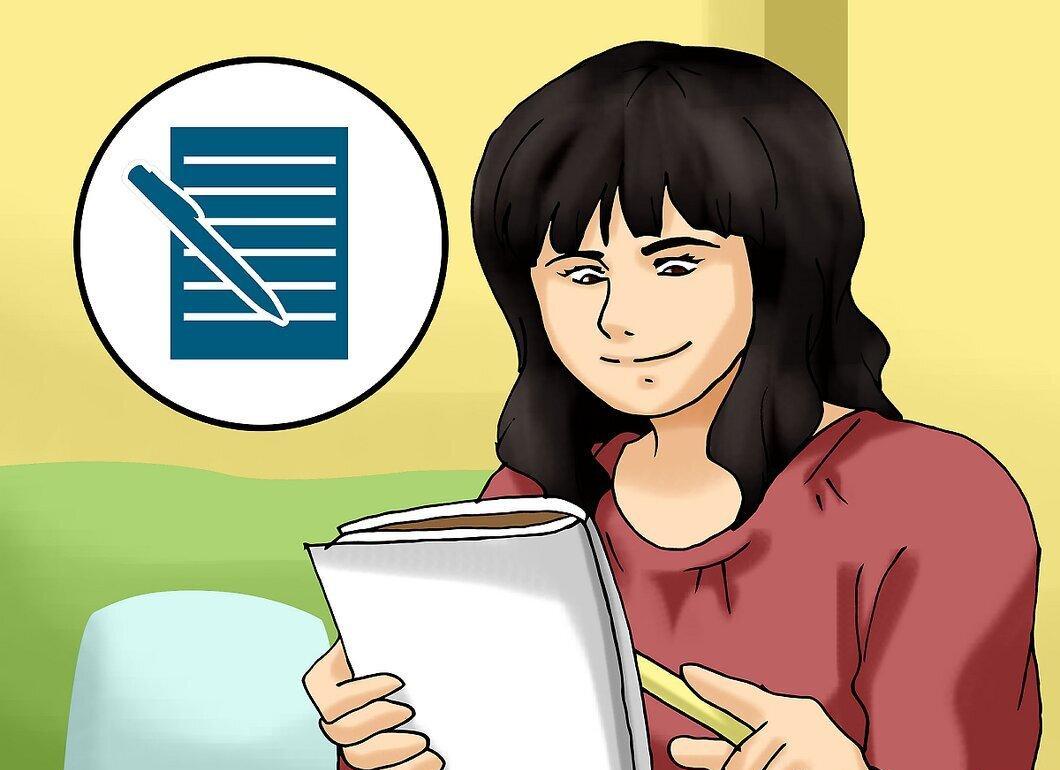
Before you begin your search, create a list of desired apartment features. Each rental is unique, so identify what is important to you. Start with must-have requirements and then add nice-to-have features. Consider the following:
- rent amount;
- whether utilities are included;
- apartment size;
- furnished or unfurnished;
- pet policies;
- parking availability;
- neighborhood safety;
- additional amenities (laundry, playground).
Step 3. Identify Preferred Neighborhoods.
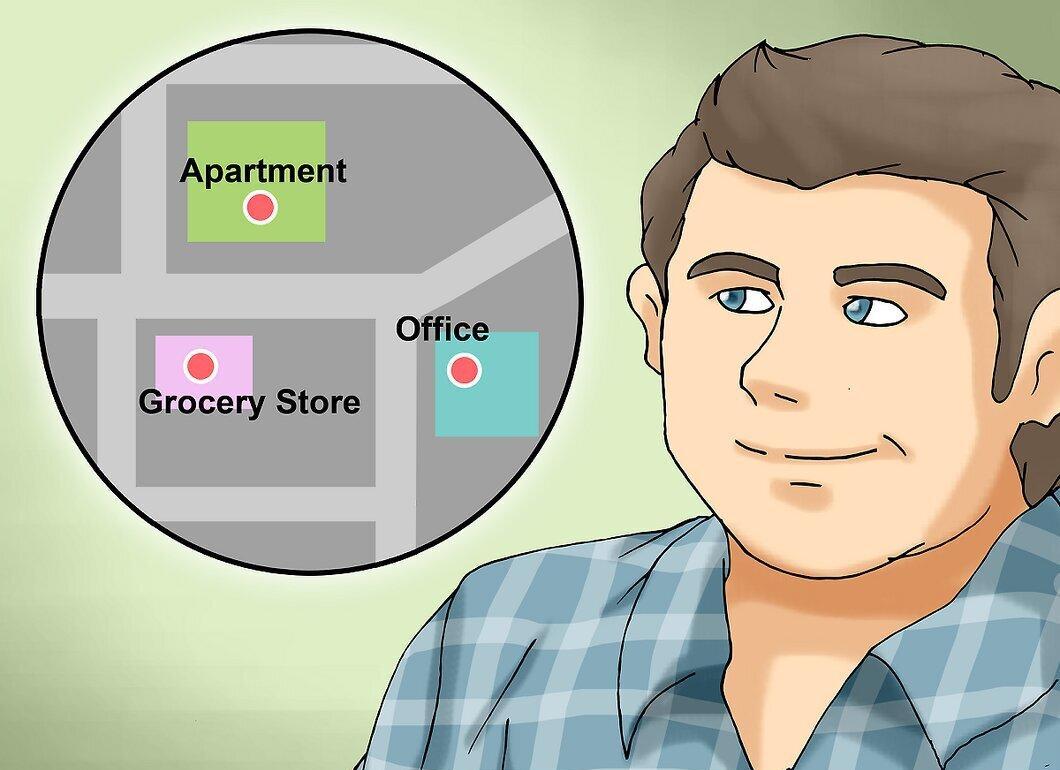
Choosing a neighborhood is crucial. Write down the criteria that the area you wish to live in should meet.
- For example, is it important for you to be close to work or school? Do you need grocery stores or shopping centers within walking distance? Do you prefer bustling or quieter neighborhoods? What about bike paths and public transport routes?
Step 4. Decide if You Need Roommates.

Sharing an apartment can significantly reduce expenses. You can post roommate searches online or ask acquaintances.
- Make a list of desirable and undesirable traits for a potential roommate. Identify any potential issues in advance, such as whether the roommate smokes or has objections to pets.
Step 5. Start Your Search Early.
Don’t leave your apartment search until the last minute. Start looking for a place at least a month before your intended move-in date to allow ample time for preparation.
- Summer (from May to August) is peak rental season, so it's better to plan your move for another time of year.
Step 6. Monitor Listings in Your Chosen Area.
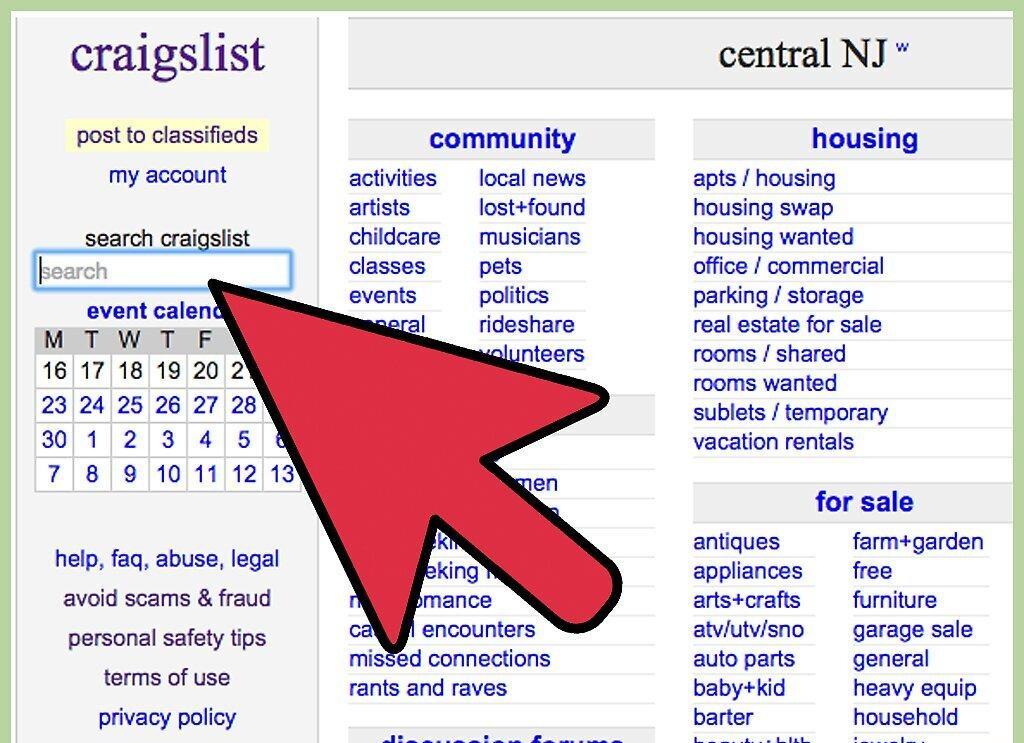
On listing sites like Avito, you can find numerous offers and filter them by location, price, size, and pet policies. Other sources include:
- specialized sections on dedicated websites;
- local newspapers;
- bulletin boards in shopping centers, community centers, and student dorms;
- tips from friends and acquaintances.
Step 7. Research Reviews of the Property and Management Company.
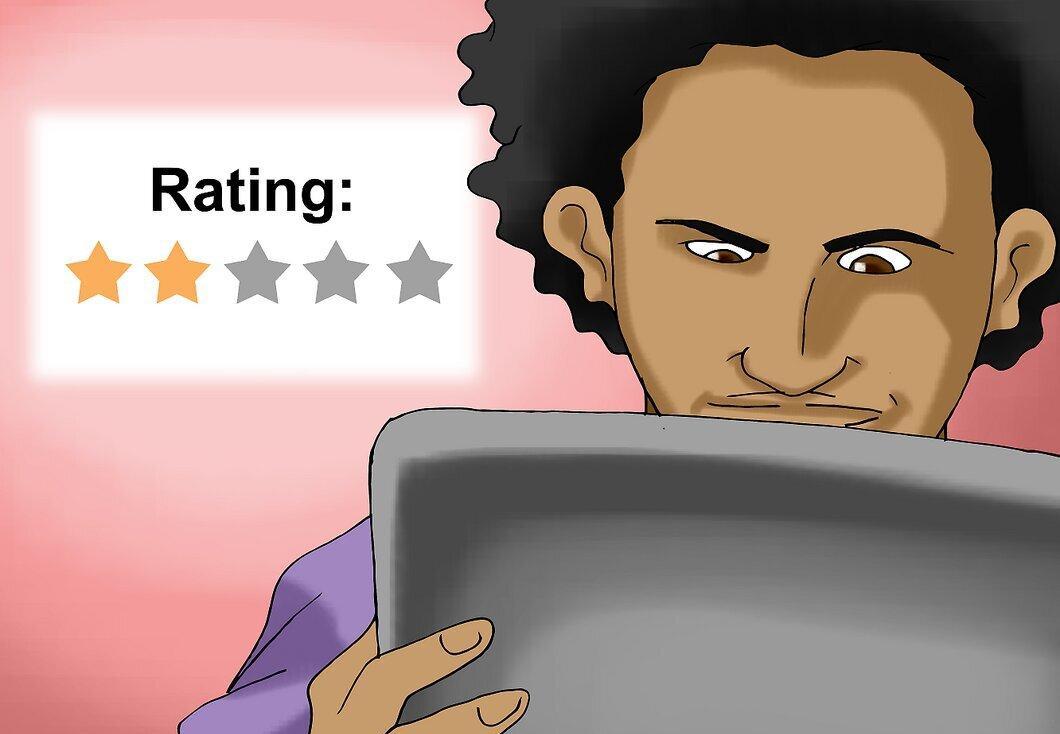
Gather opinions about the property and the management company. Narrow your search to suitable options and pay attention to reviews. Look for feedback from current and former tenants on online platforms. If the reviews are negative, it’s wise to be cautious.
Step 8. Schedule Viewings of Apartments.
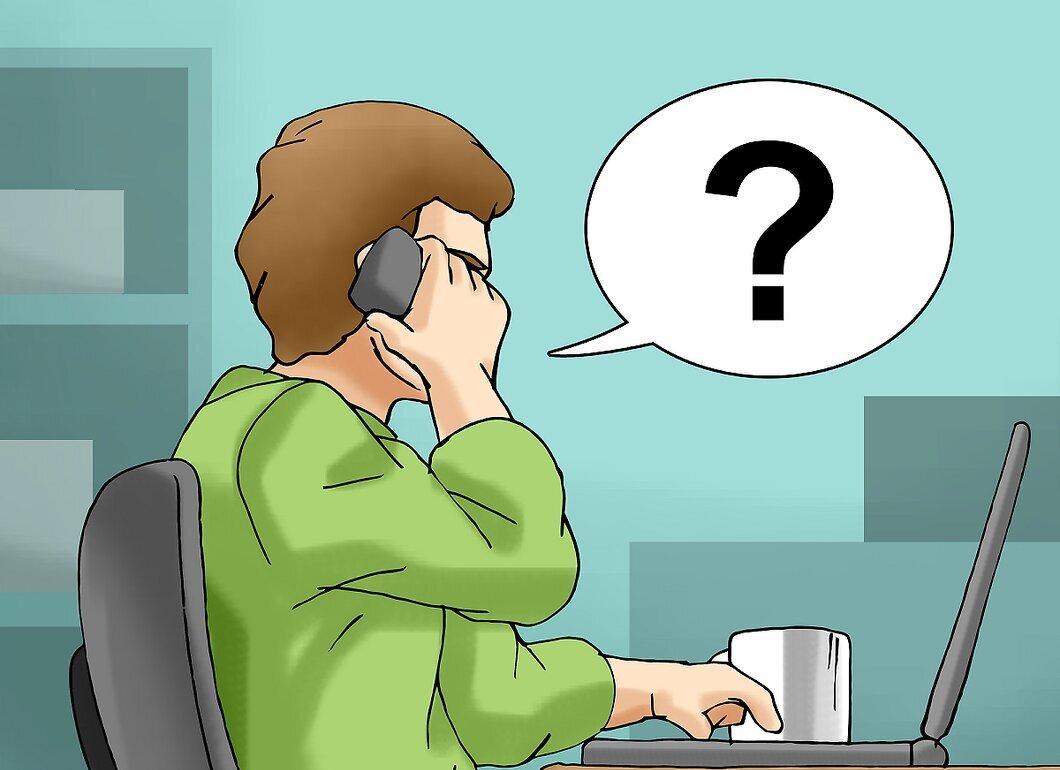
Contact the realtor or landlord to arrange a viewing. Visiting in person will allow you to assess not just the apartment but also its owners.
- Prepare a list of questions (e.g., “Who do I contact for issues?” or “Where are the trash bins?”).
- If possible, talk to other tenants in the building to get their opinions on the property and any issues they've encountered.
Step 9. Familiarize Yourself with Rental Rules and Conditions.
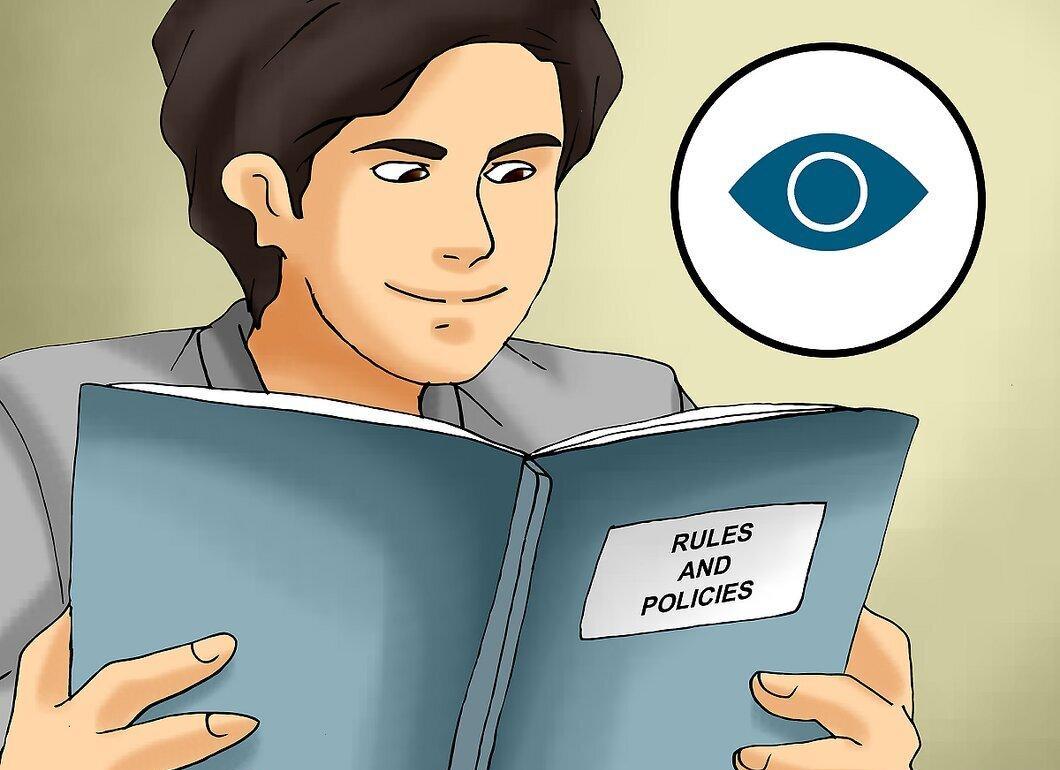
Before signing the lease, it’s important to understand what you are getting into. Review the tenant rules and clarify any potential additional costs. For example, check:
- all potential fees, such as parking charges or deposits;
- what services the landlord provides (cleaning, minor repairs);
- the possibility of early lease termination.
How to Prepare Your Apartment
Step 1. Sign the Necessary Documents.
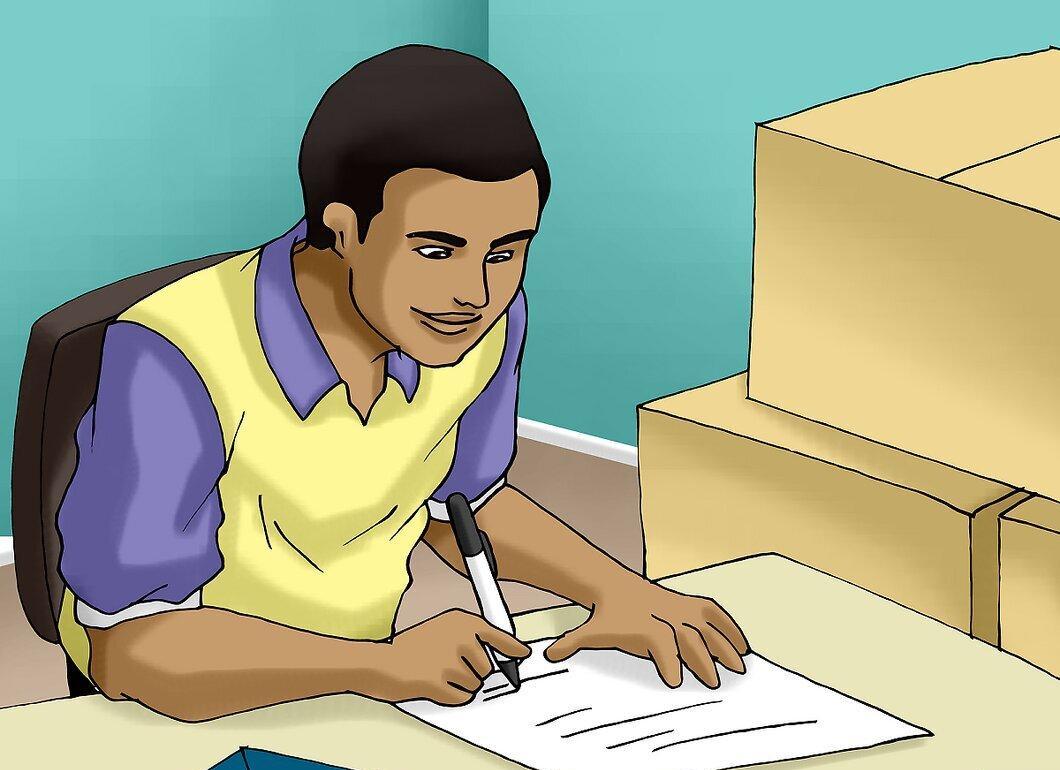
Before moving in, you'll need to sign several documents. You may have to undergo a financial background check, and the landlord may request references. Prepare the following documents:
- Proof of employment or income information. If you just started a new job, a letter from your employer may be required.
- A copy of your passport or driver's license.
- Personal references (e.g., from teachers or employers).
- Guarantor information (if required). This may be necessary if you have low creditworthiness or lack a stable income.
Step 2. Pay Required Fees.
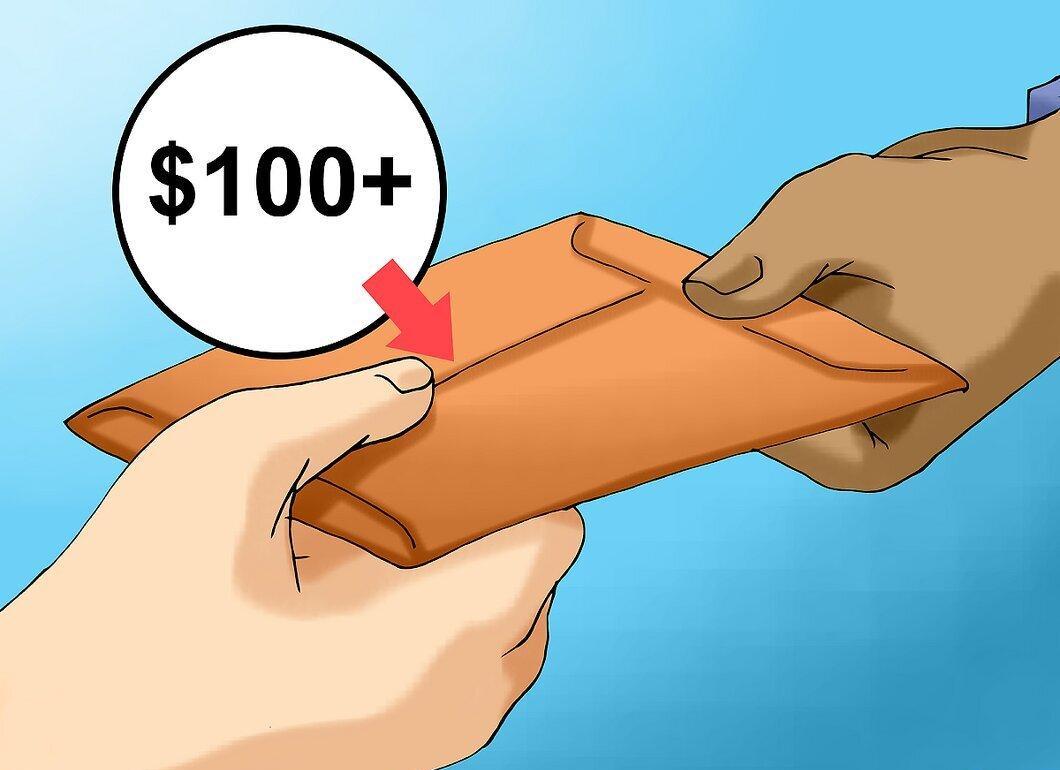
Some landlords require payment for registration or credit checks. Fees can be substantial. If you won’t be moving in immediately, the landlord may ask for a prepayment to reserve the apartment.
- You may also need to make additional payments, such as a deposit.
- Check local laws to ensure the landlord or realtor is not charging you illegal fees. Be careful and verify all details to avoid rental scams.
Step 3. Sign the Lease.
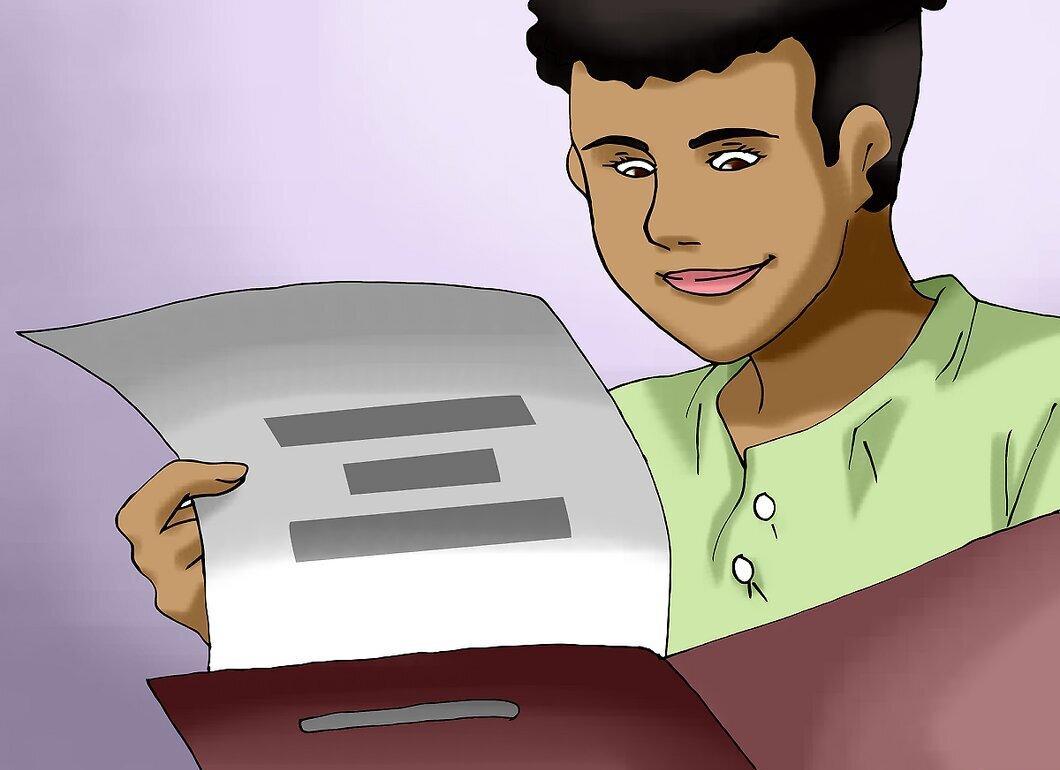
Once all details are agreed upon, you will receive the lease agreement. Don’t rush to sign; read the document carefully to understand all conditions. Pay attention to the fine print and discuss any clauses that raise concerns.
Step 4. Inspect the Apartment with the Owner.
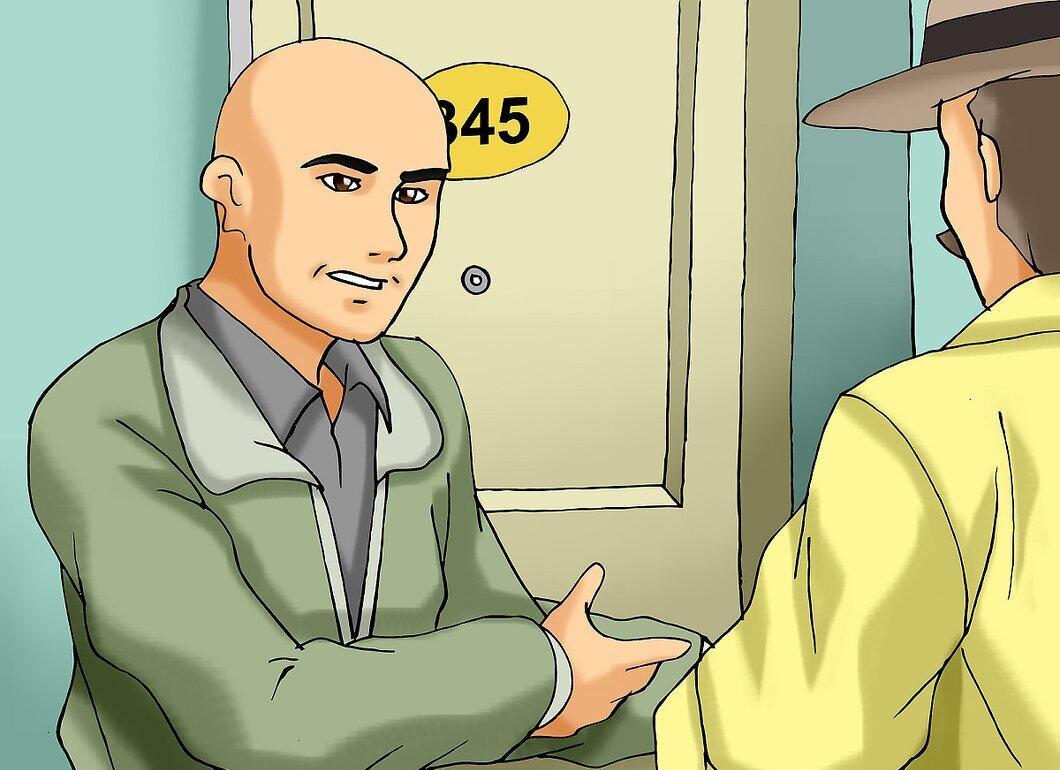
Walk through the apartment with the landlord and note any deficiencies. Document all issues that need immediate attention to prove you are not responsible for them later. Check the following:
- safety (smoke detectors, fire extinguishers);
- plumbing system condition;
- furniture and appliances integrity;
- locks and electrical appliances functionality.
Step 5. Set Up Utilities.
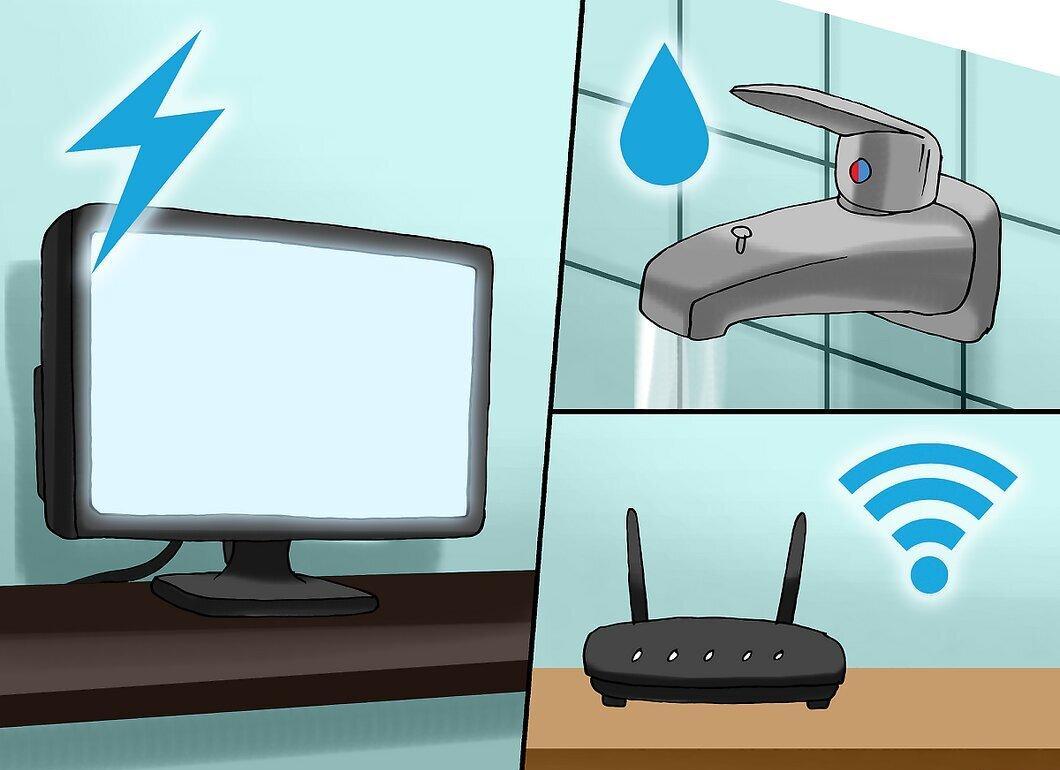
Before moving in, contact local services to set up necessary utilities. It’s best to do this several weeks before your move. Make sure to inform the companies of your move-in date and a convenient time for installation.
- You will definitely need electricity, water, and gas. Ask the landlord or realtor who your service providers are.
- Residents typically also set up internet and phone services. Seek advice from the landlord or explore available provider options.
Step 6. Receive the Keys to Your Apartment.

After all formalities are completed, the landlord or realtor should hand you the keys to the apartment. Besides the key to your home, you may also receive keys for the entrance and other common areas.
- It’s a good idea to have spare keys. Ask the owner for a duplicate or make one yourself. Leave a spare set with relatives or friends in case of emergencies.
Step 7. Clean Up.
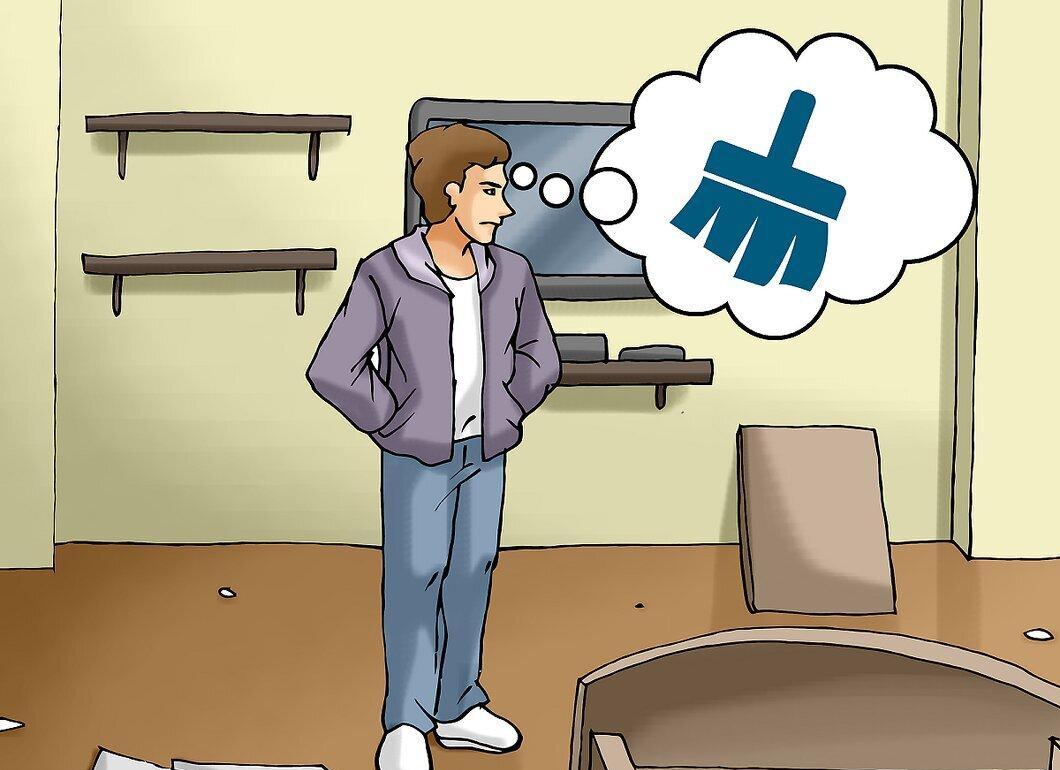
Some landlords hire cleaning services and hand over a clean apartment, but sometimes the cleaning may be insufficient. Try to do some cleaning before you move in to ease your task. Pay attention to problematic areas and tidy them up.
- If you have pets, discuss the possibility of disinfecting the apartment with the landlord.
Step 8. Notify the Postal Service of Your New Address.
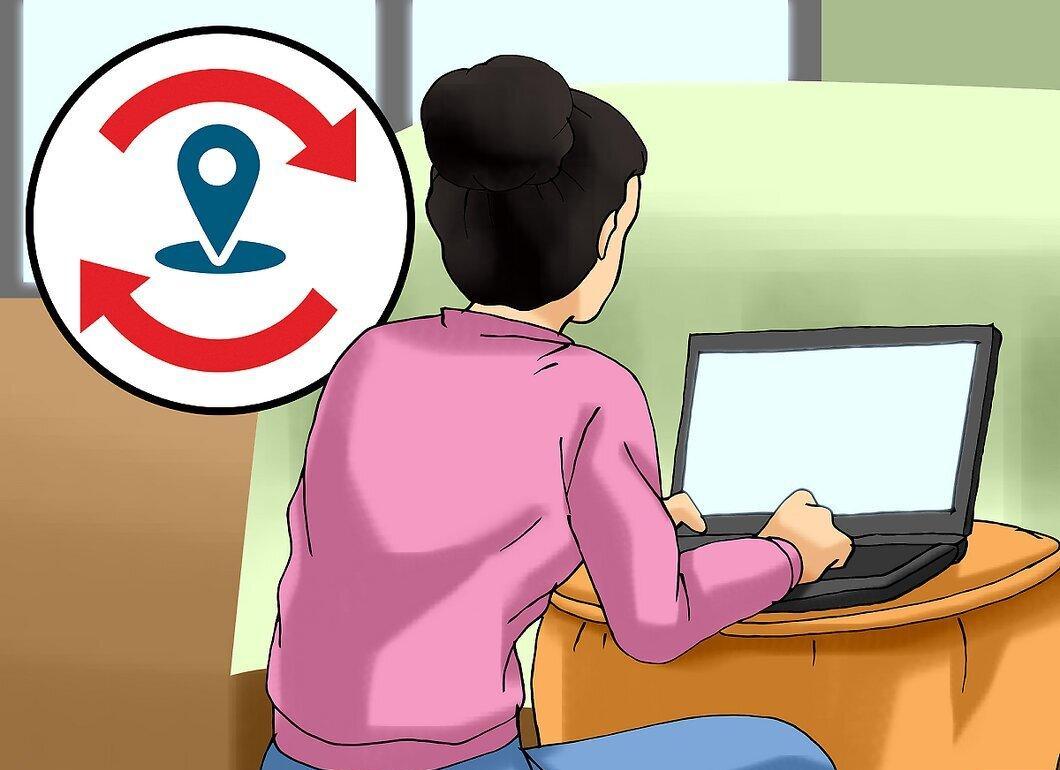
After moving, don’t forget to inform the postal service of your new address. You can do this through the postal service's website or by visiting a branch and filling out the appropriate form.
- If the building lacks reliable mailboxes, consider renting a P.O. box at the post office.
How to Pack and Move Your Belongings
Step 1. Review Your Items and Decide What to Bring.
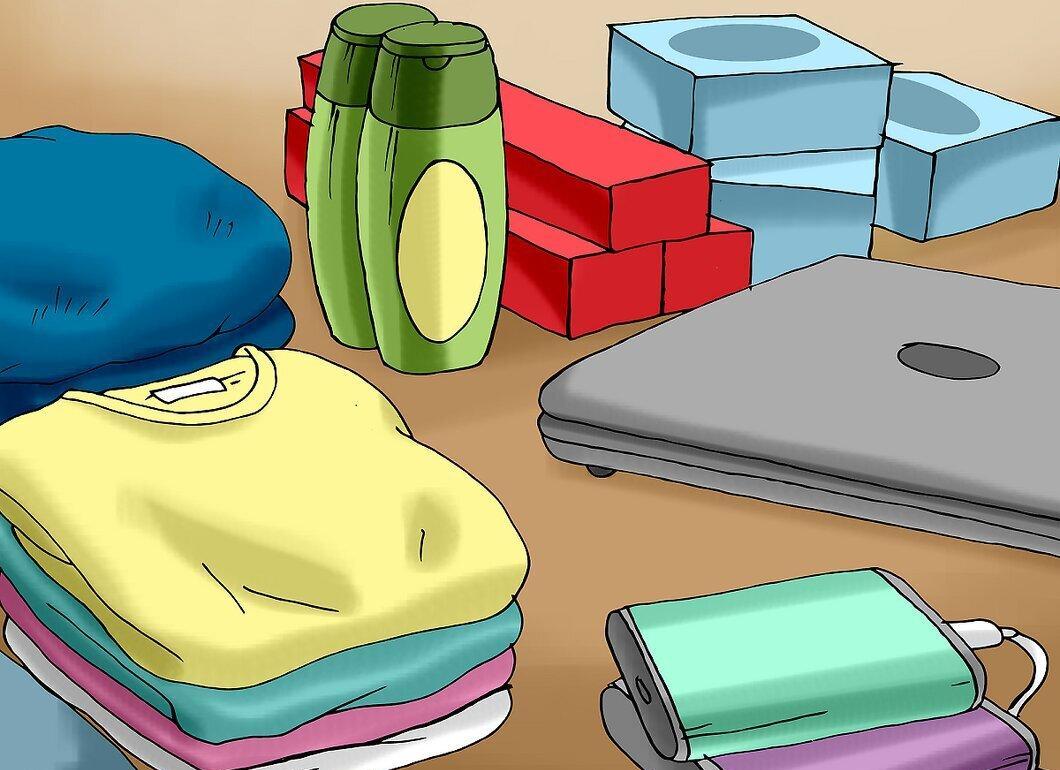
Before moving, sort through your belongings. You may have accumulated many items at your parents' house. Think about what you truly need for your new life.
- Make a list of essential items (clothes, laptop, toiletries, phone charger).
- Create a second list for additional items and assess whether you have enough space for everything. Don’t forget your favorite books, furniture, and other important possessions.
Step 2. Pack Items in Sturdy Boxes.
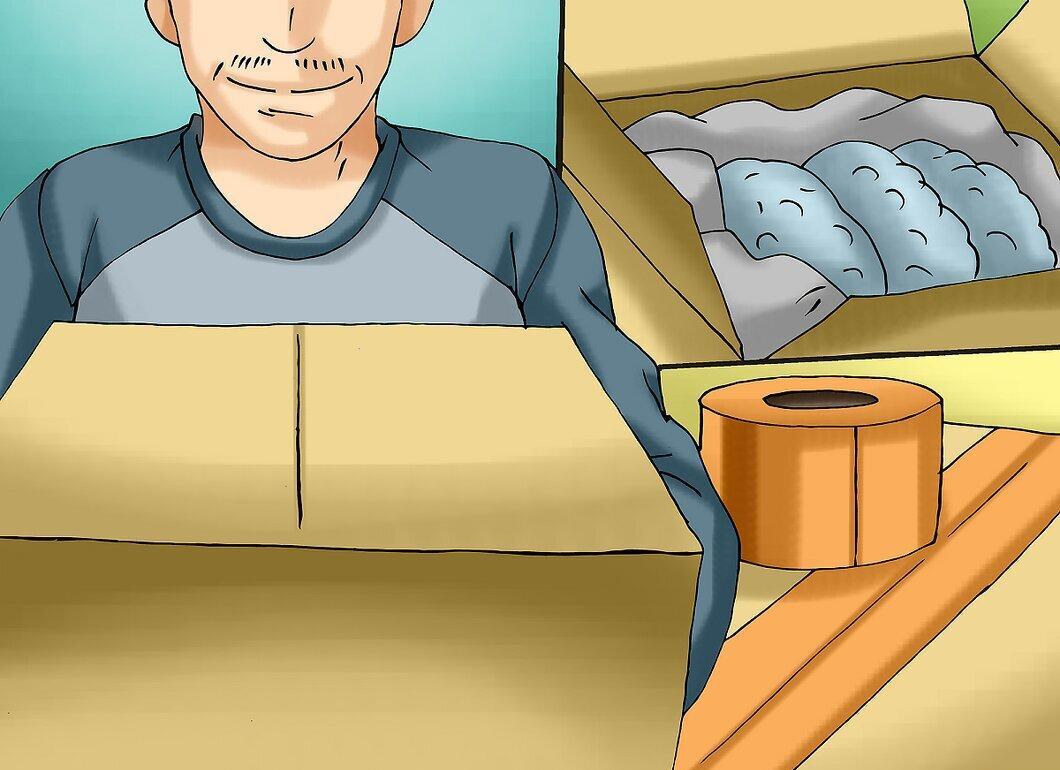
Preparing for a move can take a lot of time, so it’s best to do this in advance. Purchase sturdy cardboard boxes for packing.
- Boxes can be bought online or at hardware stores, and you can also find free ones. Check websites for item exchanges or visit bookstores and supermarkets for unwanted boxes.
- Pack heavier items (like books) in smaller boxes to avoid overloading.
- You will also need tape and protective materials (bubble wrap, foam, or old newspapers).
Step 3. Label the Boxes.
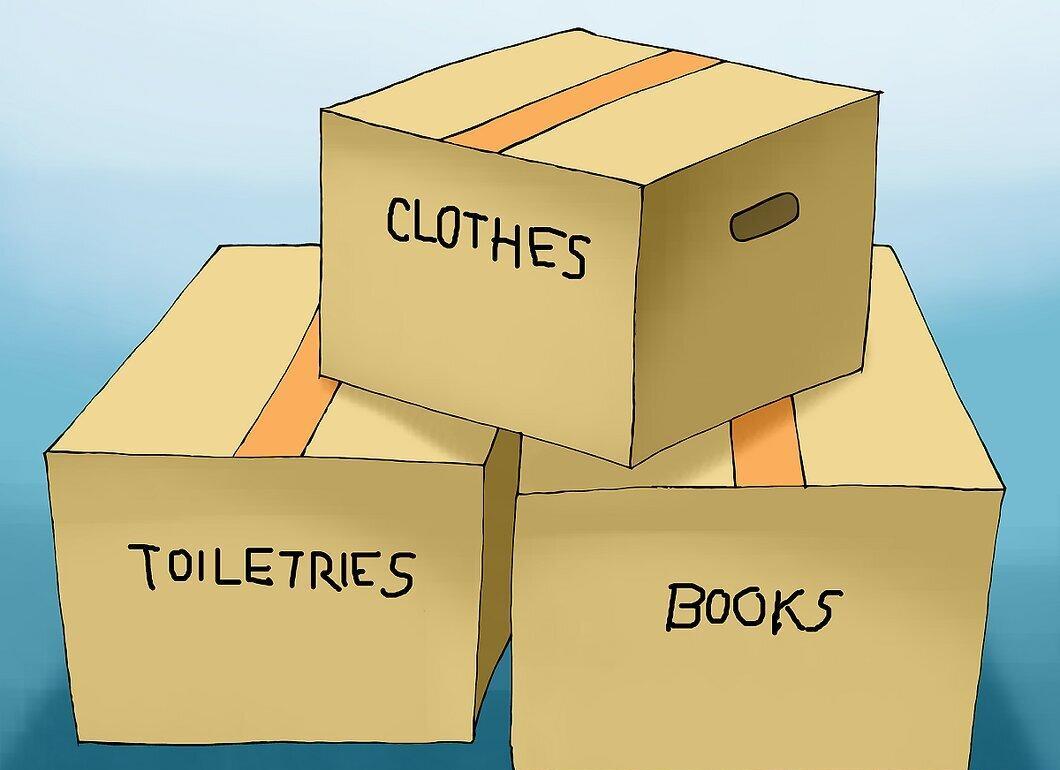
With many boxes, it’s easy to get confused about their contents. Label the boxes to simplify unpacking and organizing items in your new home.
- Use a pen or marker for labeling.
- You can also number the boxes and create a packing list to ensure nothing gets lost during the move.
Step 4. Prepare Large Furniture for Transport.
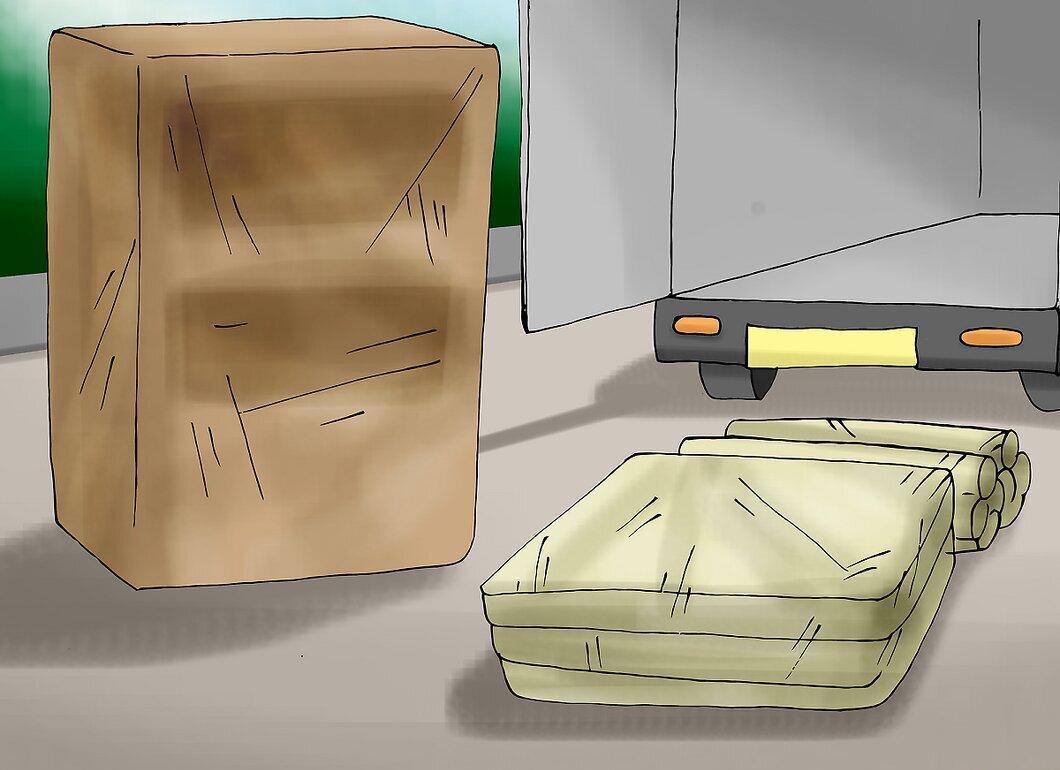
Large furniture may require special preparation depending on its size and structure. For example, you can wrap a dresser in plastic for protection.
- Some items should be disassembled for easier transport (like removing legs from a sofa). Pack the parts in a bag and tape them to the corresponding furniture.
- Fragile items should be wrapped in fabric or use protective padding to prevent damage.
Step 5. Ask Friends and Family for Help.
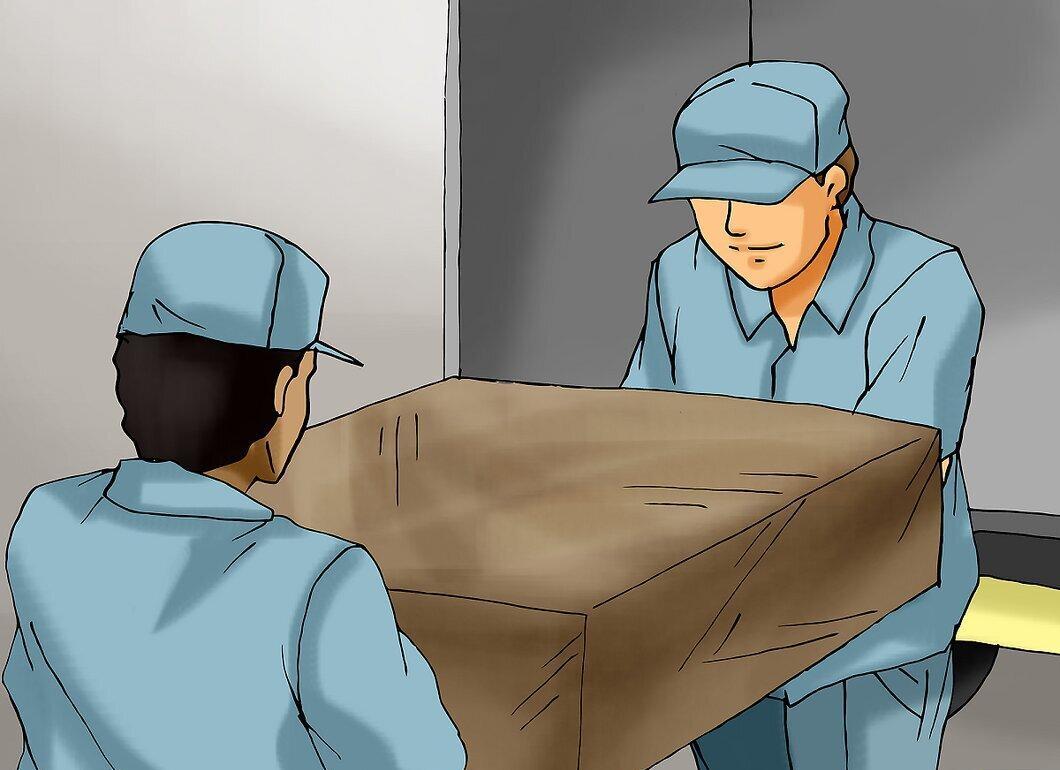
Moving belongings can be a challenging task. Ask friends or family to help you. Offer a small reward or treat them to dinner after the move is complete.
- If no one can help, consider hiring professional movers. Check online reviews of companies to make the right choice.
Step 6. Transport Your Belongings to the New Apartment.
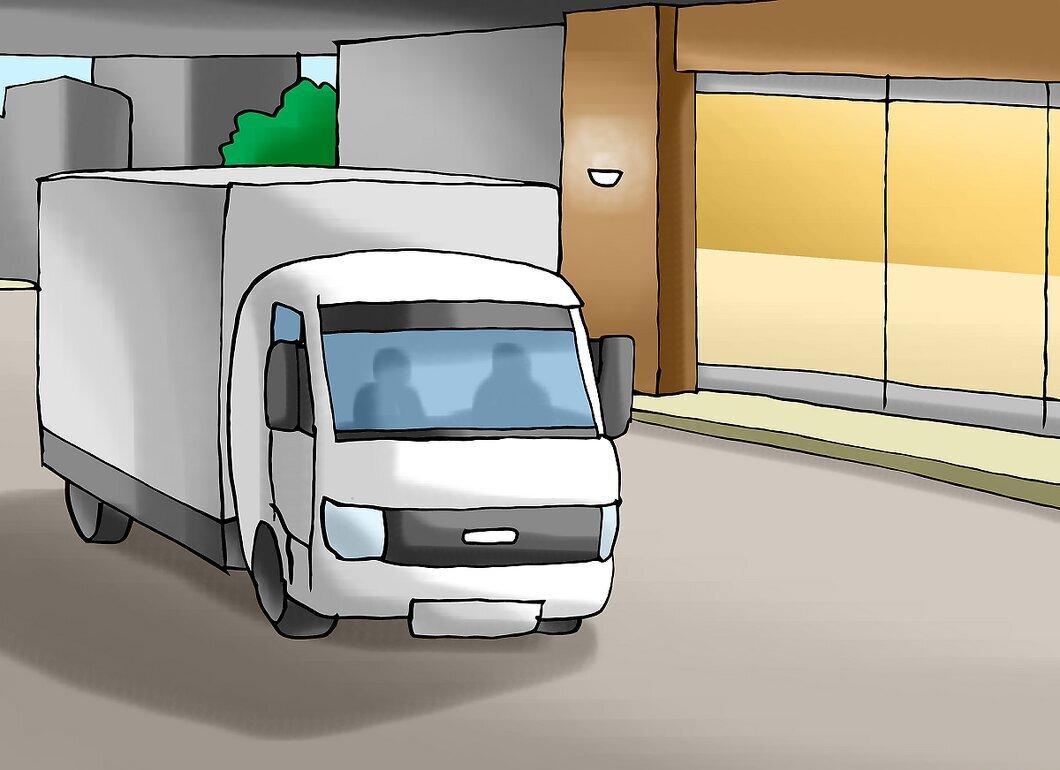
If necessary, rent a van or truck for transporting your belongings. Even with a small amount of items, they may not fit in a regular car, so renting will be convenient if the distance is far.
- Look for transport ads in newspapers or online. Clarify the terms and costs, and read reviews about the company.
- Discuss rental conditions, including time and distance of the move.
Step 7. Carry Boxes into the Rooms.
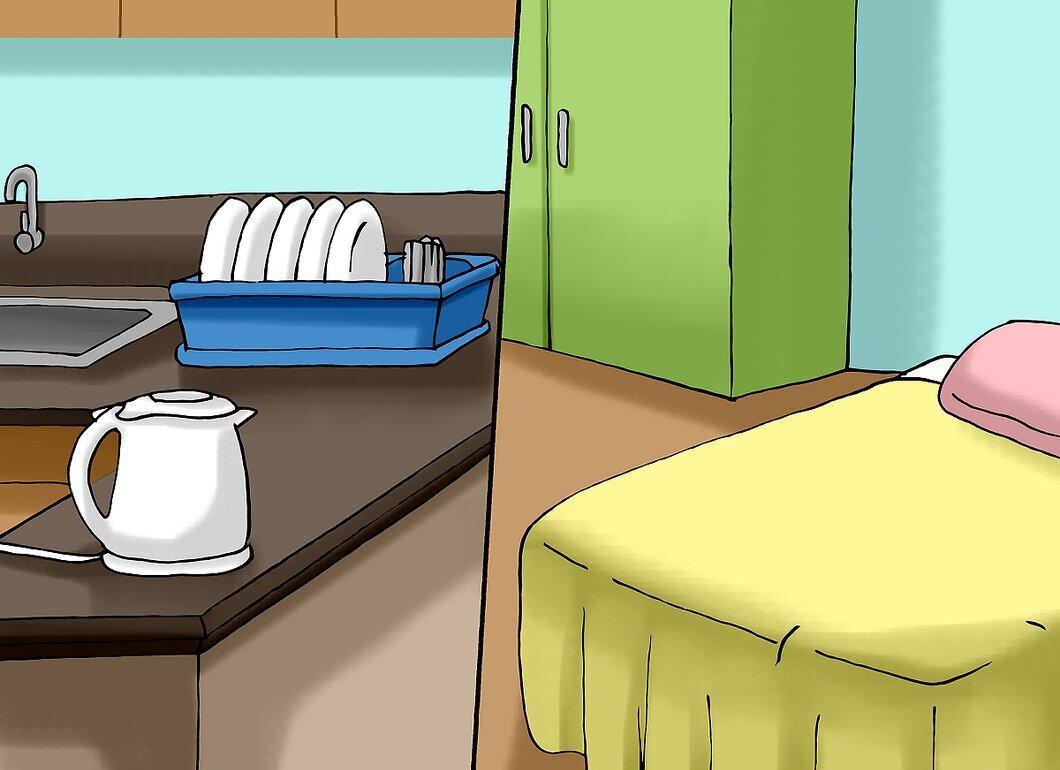
Immediately carry boxes into their respective rooms. This will simplify unpacking and arranging your items.
- For instance, all boxes with kitchen supplies should go to the kitchen, while bed linens and clothes should be taken to the bedroom.
Step 8. Make a List of Necessary Purchases.
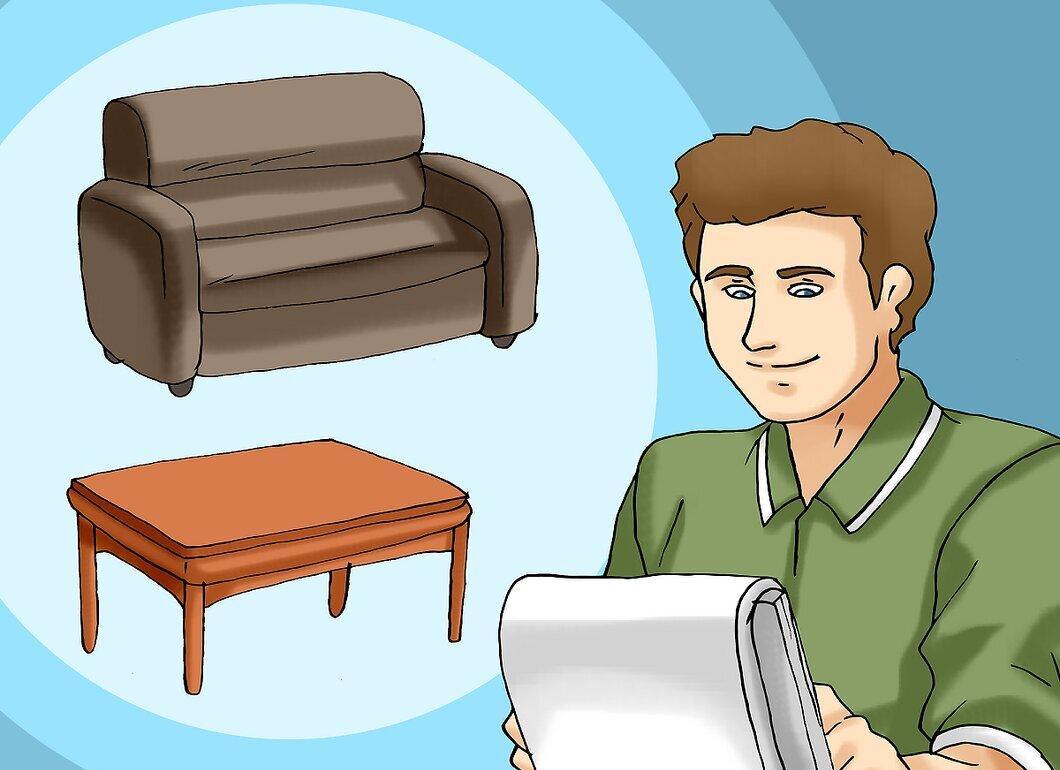
After the move, you may need to buy some items for your new apartment. Walk through the rooms and note what you need to purchase. Your list may include:
- large furniture such as a bed, sofa, tables, and chairs;
- small accessories like curtains and dishes;
- cleaning supplies including a vacuum cleaner, bucket, and cloths;
- hygiene items such as towels and soap.
Step 9. Save Money on Second-Hand Purchases.
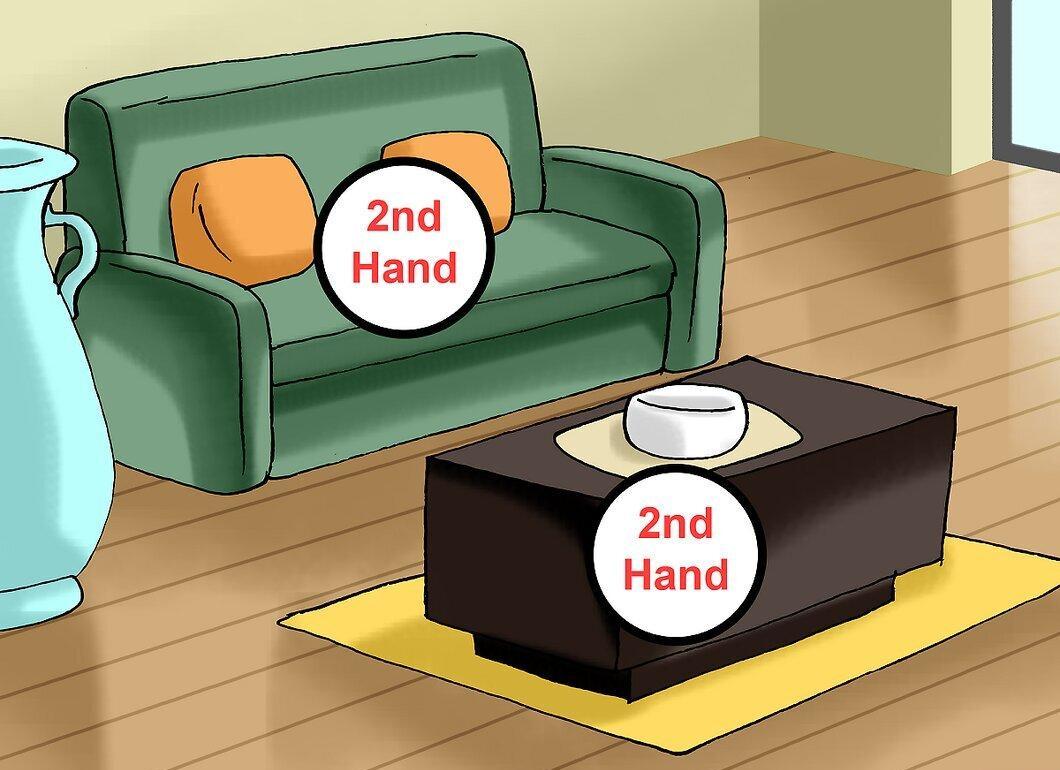
When moving for the first time, your budget may be limited. Consider buying second-hand items that you can later replace with new ones.
- Check out thrift stores and websites like Avito for needed furniture and other items.
- It’s also worth visiting garage sales in your area.
- Your parents may be able to give you unwanted items.