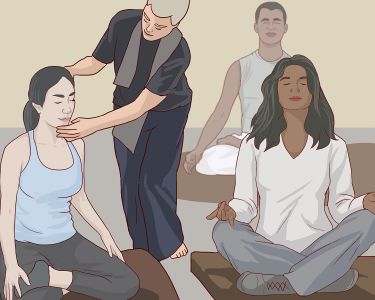
A spiritual journey is a personal path that helps you realize your "self," navigate life's difficulties, and find harmony with the world around you. The goal of this journey is not necessarily to find ready-made answers; rather, it is an ongoing process of self-discovery and questioning. In this article, you won't find universal recommendations, but you will gain useful tools for organizing your spiritual path.
Define Your Spiritual Goals
Step 1. Acknowledge the Uniqueness of Your Path.

Recognize that your path is uniquely yours. Each person has their own spiritual experience, shaped by both challenging life situations and inspiring opportunities. However, many spiritual practices utilize similar methods or tread familiar paths. Advice from others can be quite helpful, but remember: no one has the right to dictate how your spiritual journey should unfold.
- You are responsible for the direction your journey takes. If any suggested step makes you uncomfortable, feel free to decline it and seek a more suitable approach.
- Keep in mind that no religion holds absolute truth. If you feel uncomfortable with a particular faith or its followers, consider exploring other sources.
Step 2. Journal Your Thoughts and Feelings.

Start keeping a journal to record your thoughts and feelings. This is the first step towards self-discovery. Analyze your emotions, fears, and expectations. Write down your reflections on daily life and the future. Review your entries weekly to track your progress and challenges. This exercise will help you gain a better understanding of your experiences and ambitions.
- This practice is often referred to as maintaining a "mindfulness journal." It helps identify thought patterns that impact your life, allowing you to focus on changing them.
Step 3. Make a List of Goals and Prioritize Them.

Create a list of goals and arrange them by importance. Your mindfulness journal will assist you in this. A spiritual journey can be beneficial for those seeking to become more balanced, overcome fears, or leave behind old beliefs. Since this is your journey, it will help you focus on what truly matters to you.
- First, identify what interests you intellectually and emotionally. Consider what you would like to change for a healthier life. Spiritual practices can address both intellectual and emotional aspects.
- Keep in mind that achieving spiritual goals may take time, and these goals can evolve. Avoid setting rigid deadlines and don’t let them cause you stress.
Step 4. Determine the Scope of Your Journey.

Determine how extensive your journey will be. Are you looking to resolve a specific issue, or are you seeking deep transformation? Are you searching for meditative practices or are you in a crisis of faith? Understanding the scope of your spiritual path will help you assess the time and effort required.
- Often, spiritual journeys become long-term processes that continuously evolve. Spirituality is a vital part of life, so allow for changes in scope as needed.
Seek Guidance from Spiritual Sources
Step 1. Explore Sacred Texts.

Read sacred texts. Religious scriptures, such as the Bible, Torah, Quran, Tao Te Ching, Bhagavad Gita, and Upanishads, can open new horizons and provide insight into the beliefs of others. You don’t have to agree with the teachings of these texts, but they can help you better understand the context of your inner search. Reading sacred texts may also lead to new questions you hadn't previously formulated.
- You can supplement your studies with courses at universities or colleges that explore the history of religions and their texts.
- If you read academic works alongside sacred texts, remember that theology and religious studies are different. Religious studies examine religion from an external perspective, while theology is often written by practitioners of a specific faith.
Step 2. Connect with Spiritual Communities.

Talk to representatives of community organizations focused on spirituality. Local church leaders or spiritual mentors can be important resources for your journey. It's best to first attend a few of their services or events to understand their views and approaches to spirituality.
- Other organizations may have chaplains who can assist you in difficult situations, such as loss or grief.
- These institutions can include hospitals, military units, and more, but regular participation is often required to access chaplains.
Step 3. Study Popular Spiritual Authors.

Read or listen to works by well-known spiritual authors. There are many writers and speakers who share their perspectives on spirituality, making it accessible to everyday life. You can find helpful books in the "spirituality," "religion," or "new age" sections of libraries and bookstores. Seminars and group readings are often held at universities or community centers, while radio and podcasts may offer interesting programs discussing spiritual topics.
- Avoid individuals who demand financial support or promise easy answers, as such organizations often do not prioritize your spiritual path.
- If possible, travel to spiritual retreats or gatherings, as this can enrich your experience and connect you with new people.
Step 4. Don’t Hesitate to Seek Support.

Connecting with others can enrich your spiritual journey. Many believe that spiritual exploration is a solitary endeavor, but it can actually be enhanced by the support of others. Share your thoughts and ideas with friends and family, and attend local support groups centered around topics that interest you. This will help you develop new skills, such as mindfulness or meditation, and enhance your experience.
- Support can not only help you but also provide opportunities to mentor others, which will further enrich your journey.
Utilize Spiritual Practices
Step 1. Practice Meditation.
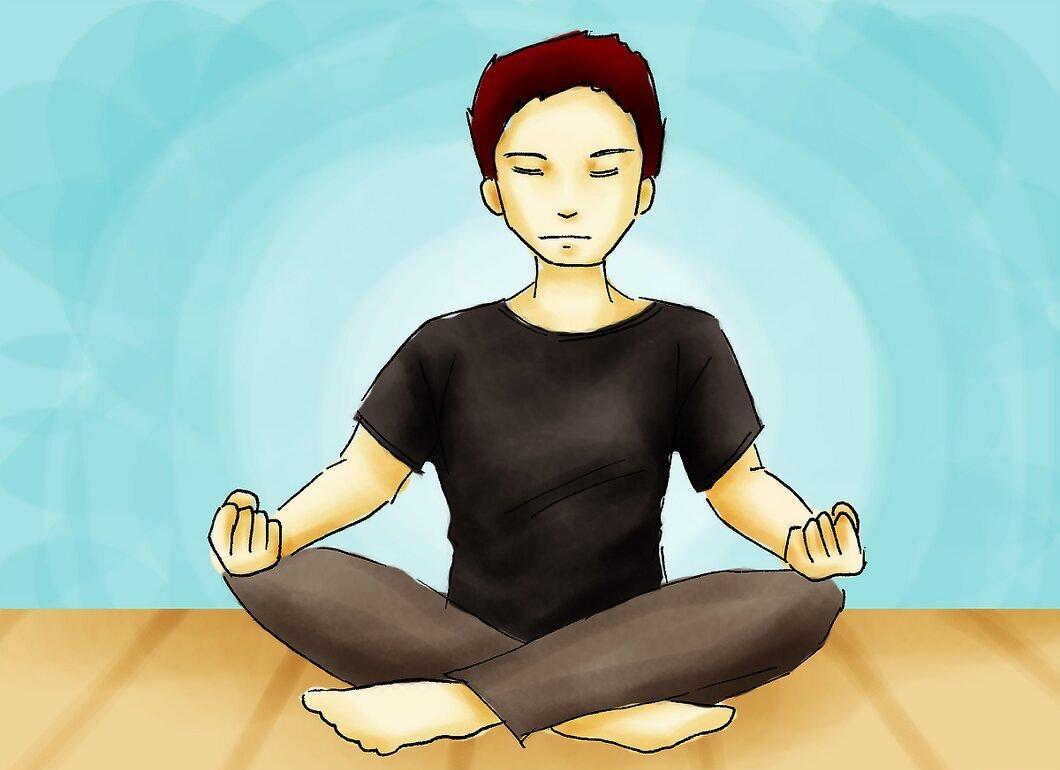
Regular meditation will help you gain deeper insight into your "self," reduce anxiety, and clear your mind. It is a technique that allows you to focus on yourself and develop mindfulness. Meditation can be practiced not only in traditional postures but also during walking or other forms of self-reflection.
- Yoga can be a physical practice that helps clarify your spiritual goals.
- There are many different meditation methods that can be studied and practiced in groups, such as meetings with experienced mentors. These classes are often free but may sometimes require small donations.
Step 2. Incorporate Physical Activity into Your Spiritual Practice.

Taking care of your body also has spiritual significance. Many religions teach that the body is a temple for the spirit, and physical activity promotes better mental health and positive thinking. A balanced approach to life that includes physical activity will help you become more mindful and improve your quality of life.
- Exercise doesn’t have to be exhausting. Moderate physical activity spread throughout the week can help maintain good fitness.
Step 3. Create Space for Reflection.

Designate quiet spaces where you can reflect on your life. Such spaces protect you from daily hustle and stress. Creating a comfortable nook at home, in the office, or elsewhere will help you better understand your thoughts and feelings.
- Comfortable reflection spaces can include images, icons, pleasant scents, or soothing meditative music.
Step 4. Visit Sacred Sites.

Sacred sites often have historical significance and are linked to important religious events. Some, like the Vatican or Stonehenge, attract many visitors, while others may only interest historians. Visiting sacred places can deepen your understanding of spirituality and history.
- Some sacred sites are associated with religious events, so it’s advisable to visit them according to religious calendars.
Step 5. Explore Yourself!

Monitor how your practices and explorations impact your inner state. A mindfulness journal is an essential tool that helps capture your insights and doubts. Pay attention to changes in your thinking and adjust your explorations accordingly.
- The spiritual journey aims to help you understand yourself and your life. While it may be a challenging process, it fosters compassion and improves your relationship with yourself and others.