Your Ultimate Guide to Planting a Peach Tree: Tips and Tricks
Peach trees are fast-growing plants that begin to bear fruit just 3-4 years after planting from a seed. Many gardeners prefer to buy young seedlings from nurseries, as growing a healthy tree from a small seedling can be challenging and time-consuming. Nursery-bought seedlings can start producing fruit within 1-2 years. When learning how to plant a peach tree, it’s important to consider that this plant requires specific conditions and is susceptible to diseases and pests. However, if you take all aspects into account and plant correctly, your tree will reward you with juicy fruit every season.
Getting Started
Step 1. Buy a young peach tree from a nursery or garden center.
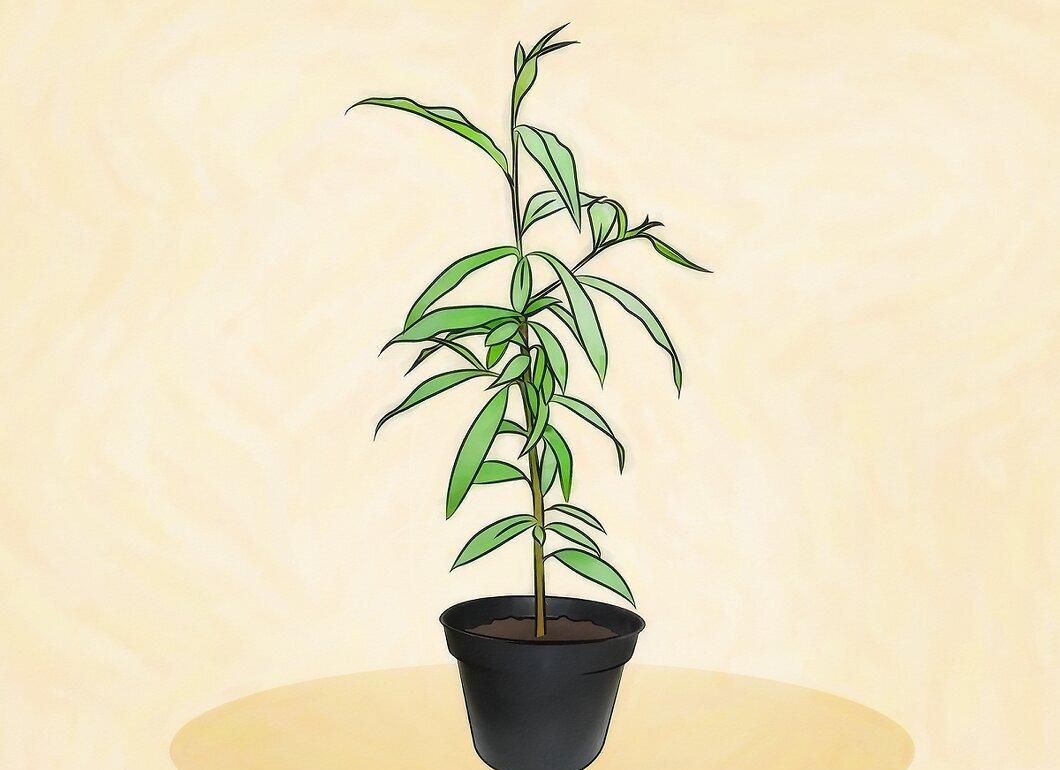
Purchase a young peach tree from a nursery or garden center. While it’s possible to try growing a seedling from a pit, this will require a lot of time and effort. A peach pit will turn into a flowering tree in about 3-6 years; when choosing a seedling from a nursery, opt for a one-year-old tree to enjoy fruit sooner.
- When selecting a seedling, look for vibrant, healthy leaves and strong branches.
- If you decide to grow a tree from a pit, use seeds from a sweet peach to ensure the fruit will be just as tasty. After enjoying a delicious peach, remove the pit and allow it to dry. Once it becomes brittle, crack it open and remove the seed, which resembles an almond.
Step 2. Be cautious when selecting peaches in a cooler climate.
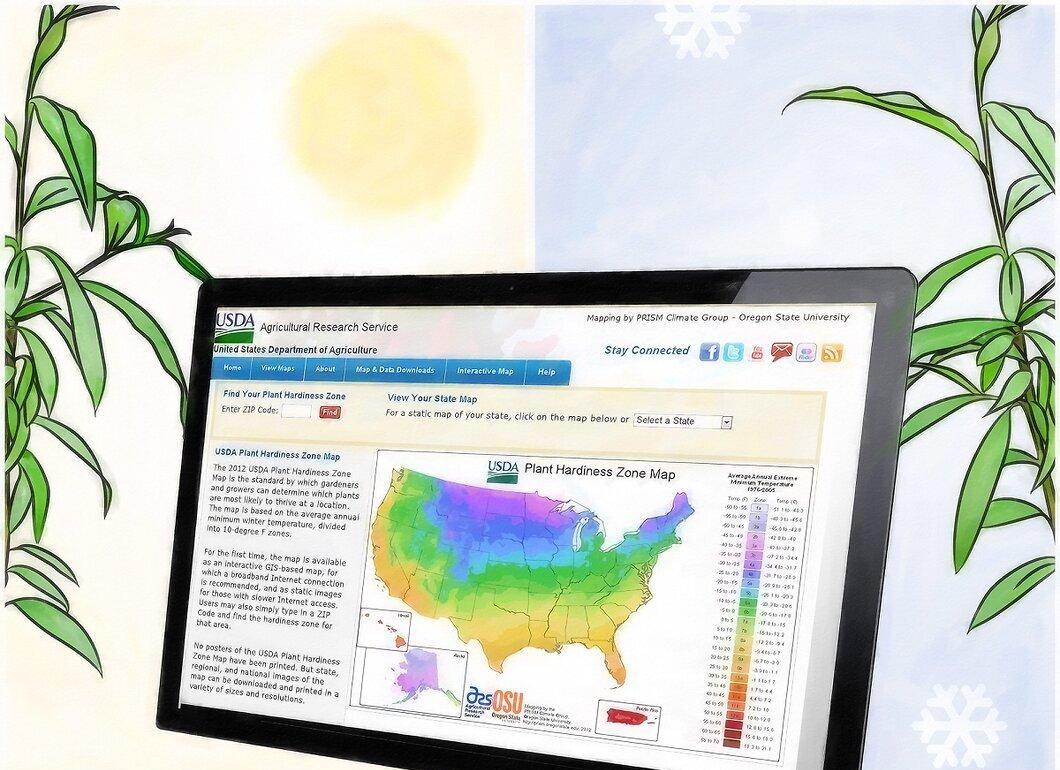
If you live in a cooler climate, choose peach varieties wisely. It’s best to check with your local nursery for which varieties are less finicky about weather conditions. In such regions, the “Frost” and “Avalon Pride” varieties thrive.
- If you’re looking for a compact tree that can be grown in a container on a porch or yard, consider “Pix-Zee” and “Honey Babe.” These varieties grow no taller than 6 feet.
Step 3. Plant the tree in spring or early summer.

The best time for planting is spring or early summer. Some sources recommend planting peaches on the day of purchase in spring, while others say summer is also suitable, especially for mid-late varieties. You can confirm this with specialists at the nursery.
Step 4. Choose a planting location.

Select a spot that receives plenty of sunlight for your tree—at least six hours a day. Peaches prefer warm locations, so it’s best to plant them near a south-facing wall where they will receive ample reflected heat.
- Ensure the chosen spot has good drainage, sandy soil with moderate fertility, and a slightly elevated position for good ventilation and reduced frost risk, along with access to sunlight year-round.
Preparing and Planting the Seedling
Step 1. Prepare a site approximately 5 feet in diameter.
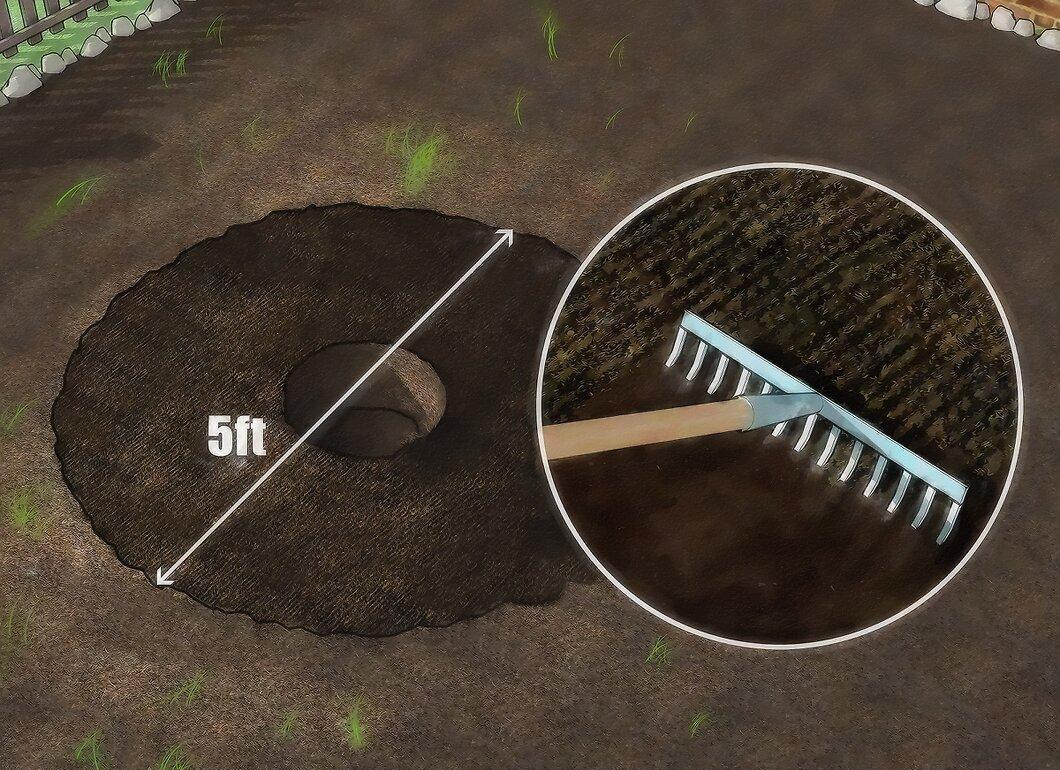
Prepare a site about 5 feet in diameter. Loosen the soil thoroughly using a cultivator or shovel. This space will provide room for the roots to grow, positively impacting the entire tree's development. Don’t forget that sod can hinder growth, so it needs to be removed.
- Dig a hole about 12 inches deep to accommodate the tree's roots. Position the roots from the trunk without bending them.
Step 2. Add peat moss and compost to the soil.
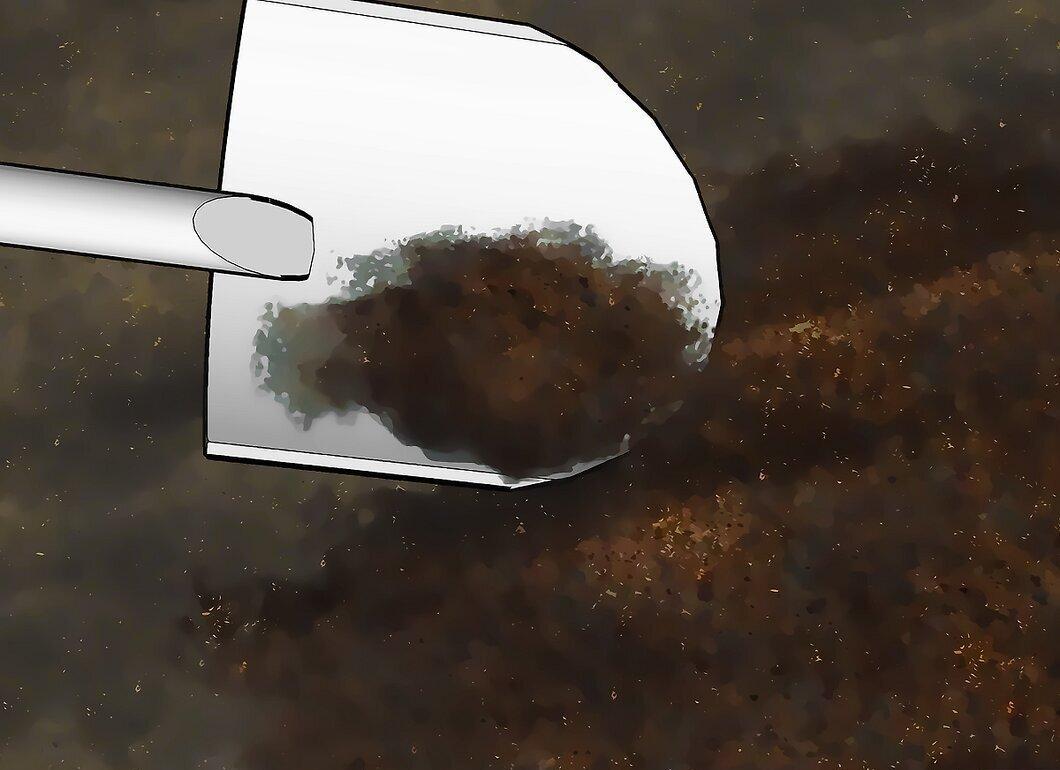
Mix peat moss and compost into the prepared soil. Blend well and lightly moisten the soil, but avoid over-saturating it.
- If the soil pH is too low (it should be neutral), add a little lime to improve it.
Step 3. Plant the seedling in the center of the prepared area.
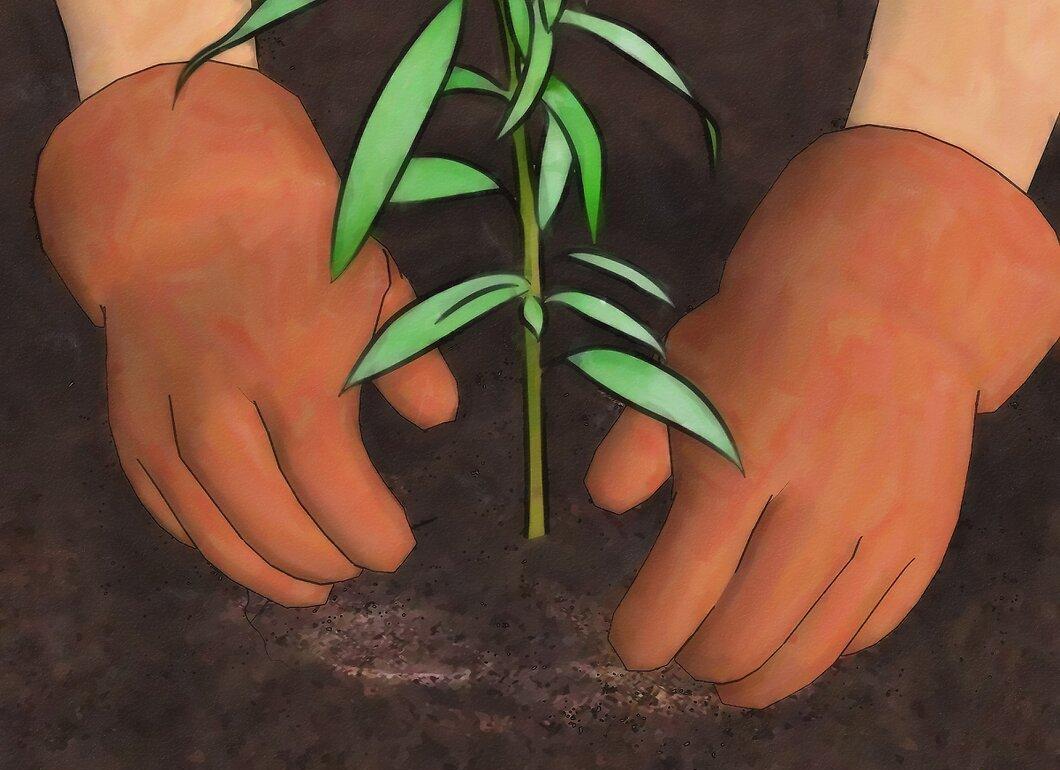
Place the seedling at the center of the hole on a slight mound and cover it with soil. Gently pack the soil around the trunk using a garden spade.
- If your tree is grafted, ensure the grafted branch is not facing the sunny side.
Caring for the Tree
Step 1. Take care of your peach tree.
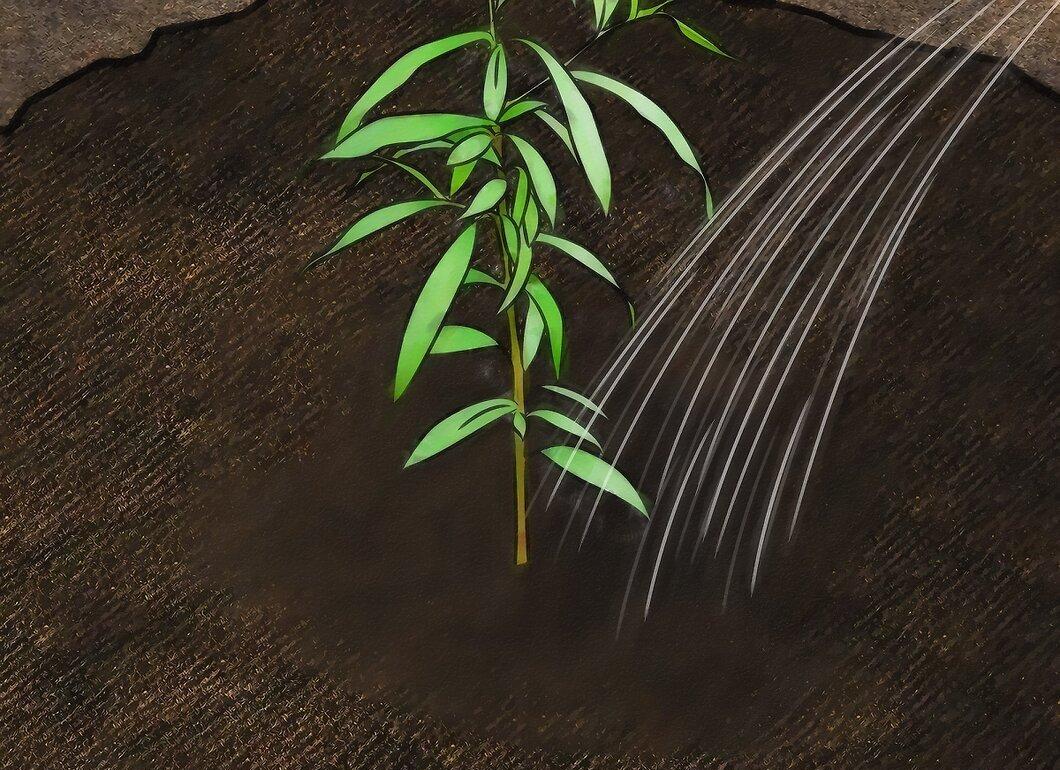
Regularly inspect your tree and water it if it starts to wilt. Peaches can rely on rainwater, but in dry conditions, additional watering will be necessary.
- Don’t forget about weed control and fertilization. Create a mulch ring around the roots that is 2 inches deep and 3 feet in diameter. If there’s enough rain, you can simply observe your tree's growth.
Step 2. Treat the tree with a mild pesticide a week later for pest and disease protection.
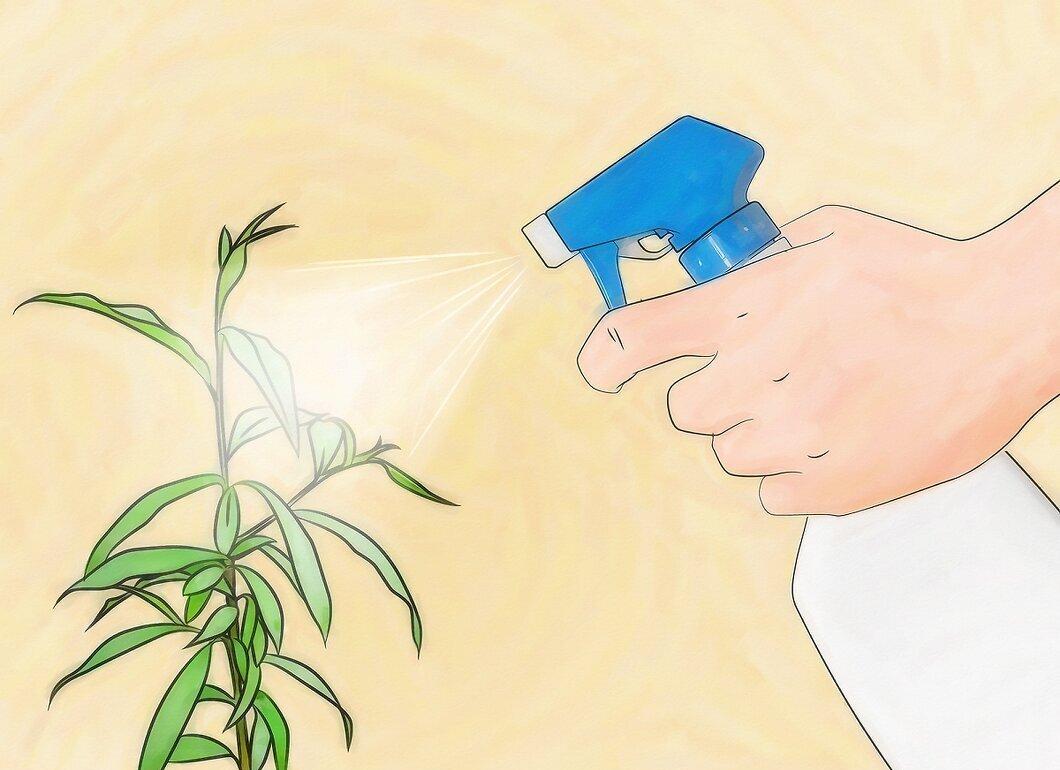
A week after planting, treat your tree with a mild pesticide to protect against insects and diseases. You can also wrap the trunk with protective mesh.
- To protect the tree from rodents, surround it with a sturdy mesh.
- For protection against leaf curling, use a lime-sulfur solution.
Step 3. Use nitrogen fertilizer twice a year.
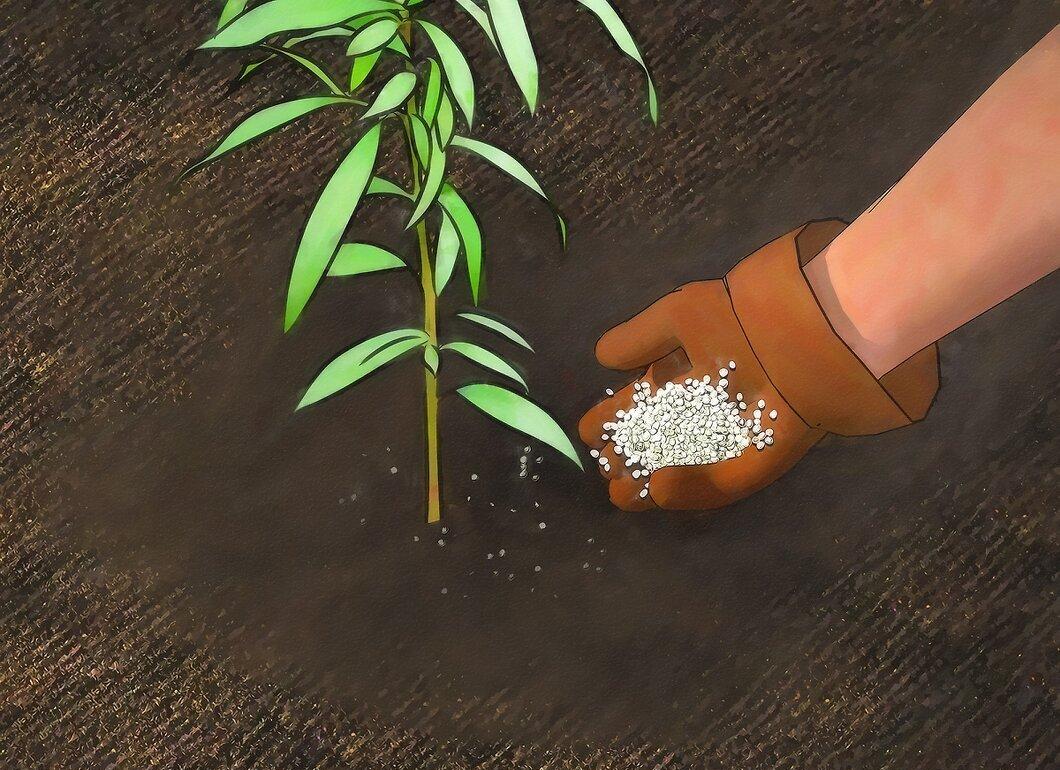
Apply nitrogen fertilizer twice a year. About six weeks after planting, spread 1 pound of fertilizer over the area. After the first year, you can reduce this to 0.75 pounds.
- After three years, when the tree becomes mature, add 1 pound of pure nitrogen in the spring.
- Avoid fertilizing the tree for two months after the first frost or during fruit ripening.
Harvesting
Step 1. Prune the tree.
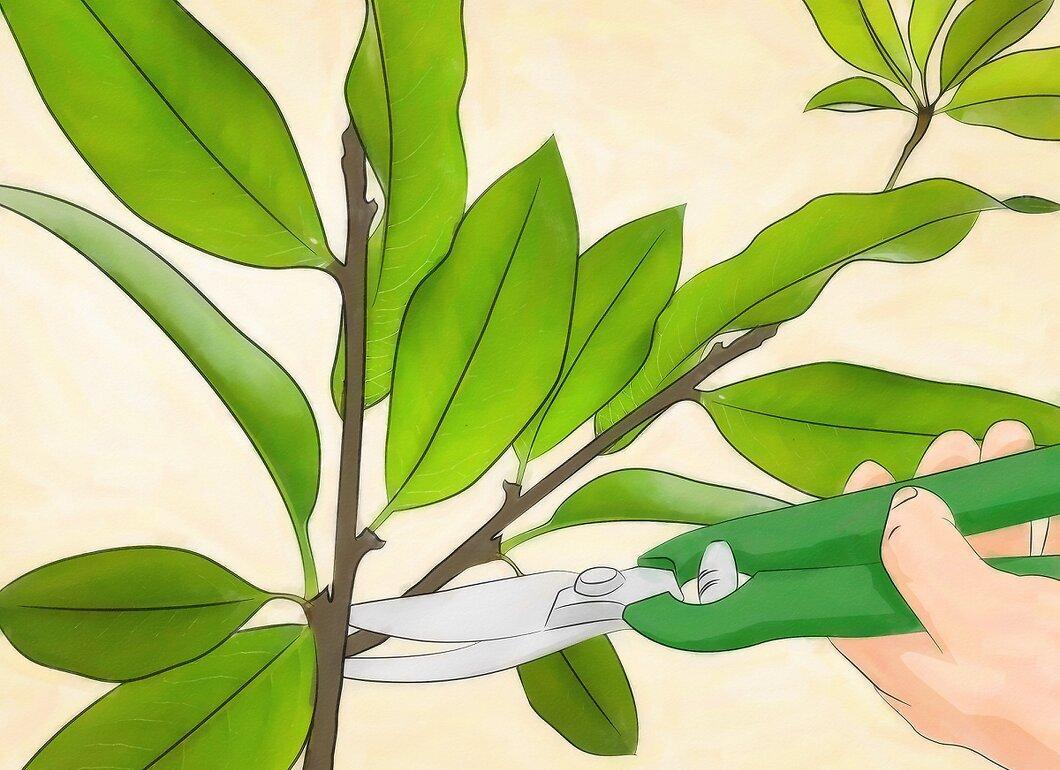
Regularly prune the tree to form an open center. In the summer after the first year, cut back the upper shoots to two or three buds. Check your tree's growth monthly. If you see three evenly spaced branches, prune the others, leaving these three as the scaffold branches.
- The following year, remove all shoots below the scaffold branches. Also, remove any branches in the center to shape the tree correctly.
- Regular pruning encourages more fruit and new growth, directing resources to the tree’s vital parts. Each year, it can grow 10-18 inches.
Step 2. Thin the fruit.
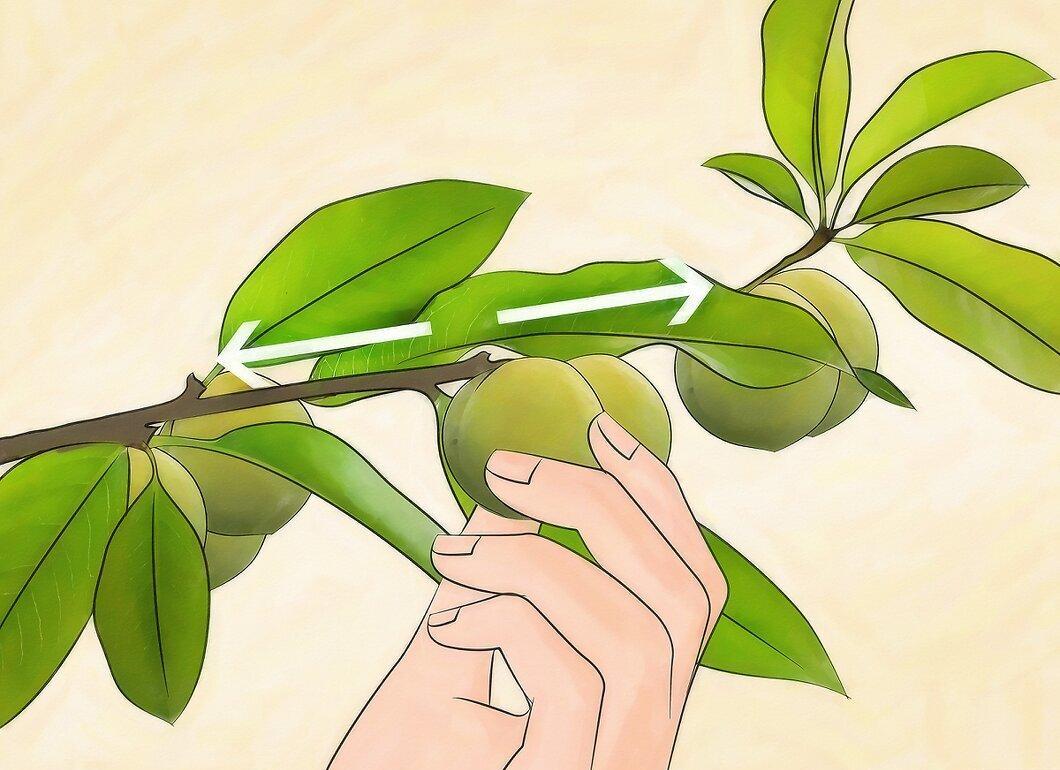
After flowering, which lasts 4-6 weeks, thin the fruit, leaving spacing of at least 6-8 inches between them. This allows the remaining peaches to grow larger and juicier. Ensure all branches and fruits receive ample sunlight – if a fruit is growing in the shade, it’s better to remove it to redistribute nutrients.
- A “thinned canopy” is essential for fruit development. Shape the tree so each branch gets enough sunlight. Remove dry, diseased, and crossing branches to focus the tree’s energy on healthy fruits.
Step 3. Harvest when the fruits are fully ripe.
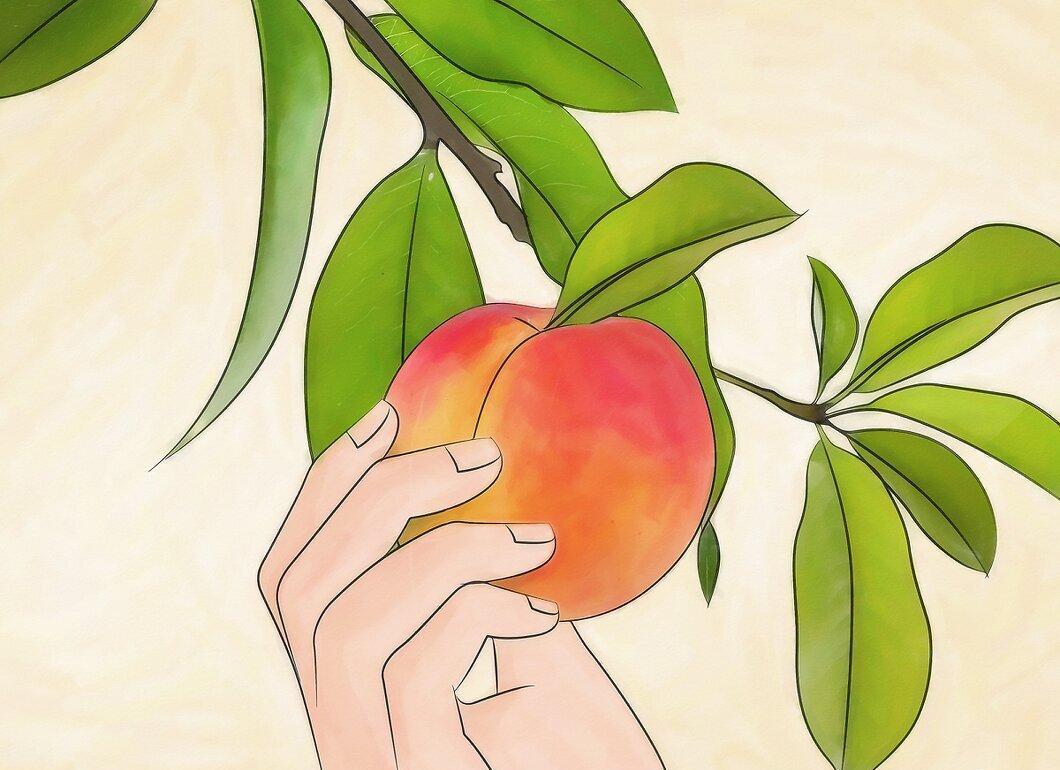
Harvest when the fruits are fully ripe. Keep an eye on the top and side branches of the tree – they ripen first. If a fruit no longer has green spots, it’s ready to be picked. Gently twist the peaches off.
- Be careful not to damage the fruits – they are very delicate.
- Store them in the refrigerator in sealed bags for up to five days. You can also make peach preserves from them.